

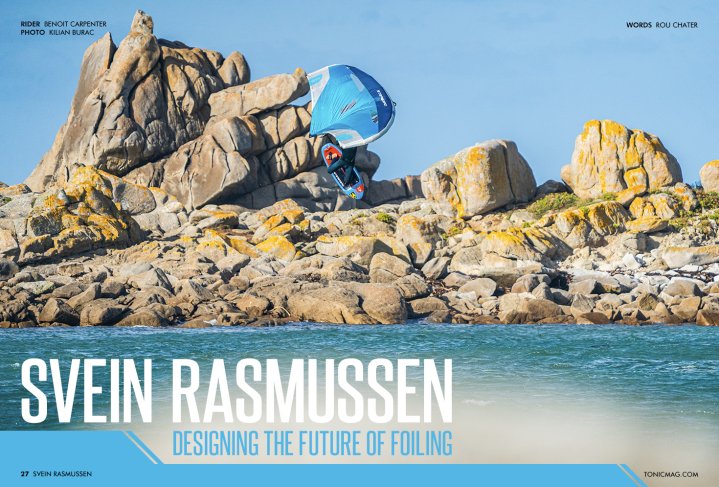
Few people have shaped modern watersports quite like Svein Rasmussen. As the founder and CEO of Starboard, he has spent more than three decades pushing the boundaries of board design, helping transform windsurfing, stand-up paddleboarding, and now foiling. Despite the constant pursuit of innovation, Svein’s view of the future of foiling is surprisingly simple. The real growth of the sport, he believes, will not come from ever more technical equipment or elite-level performance. It will come from beginners.
Designing the Future of Foiling
Over the years, Starboard has built a reputation for pushing design boundaries. Many of the company’s ideas have initially looked unusual, sometimes even controversial, before eventually becoming widely accepted across the industry.
For Svein, that process is simply part of innovation.
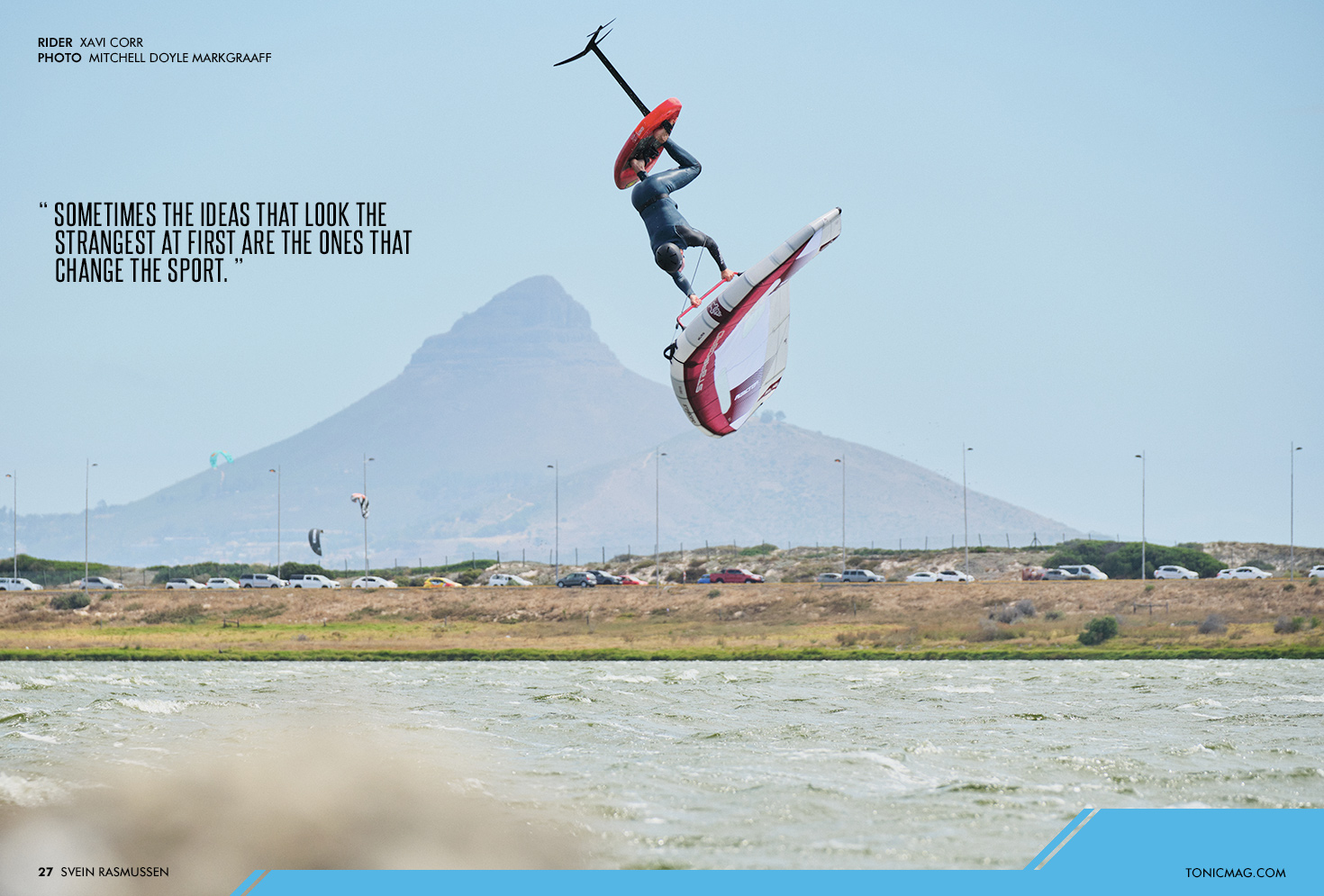
“Sometimes the ideas that look the strangest at first are the ones that change the sport,” he says.
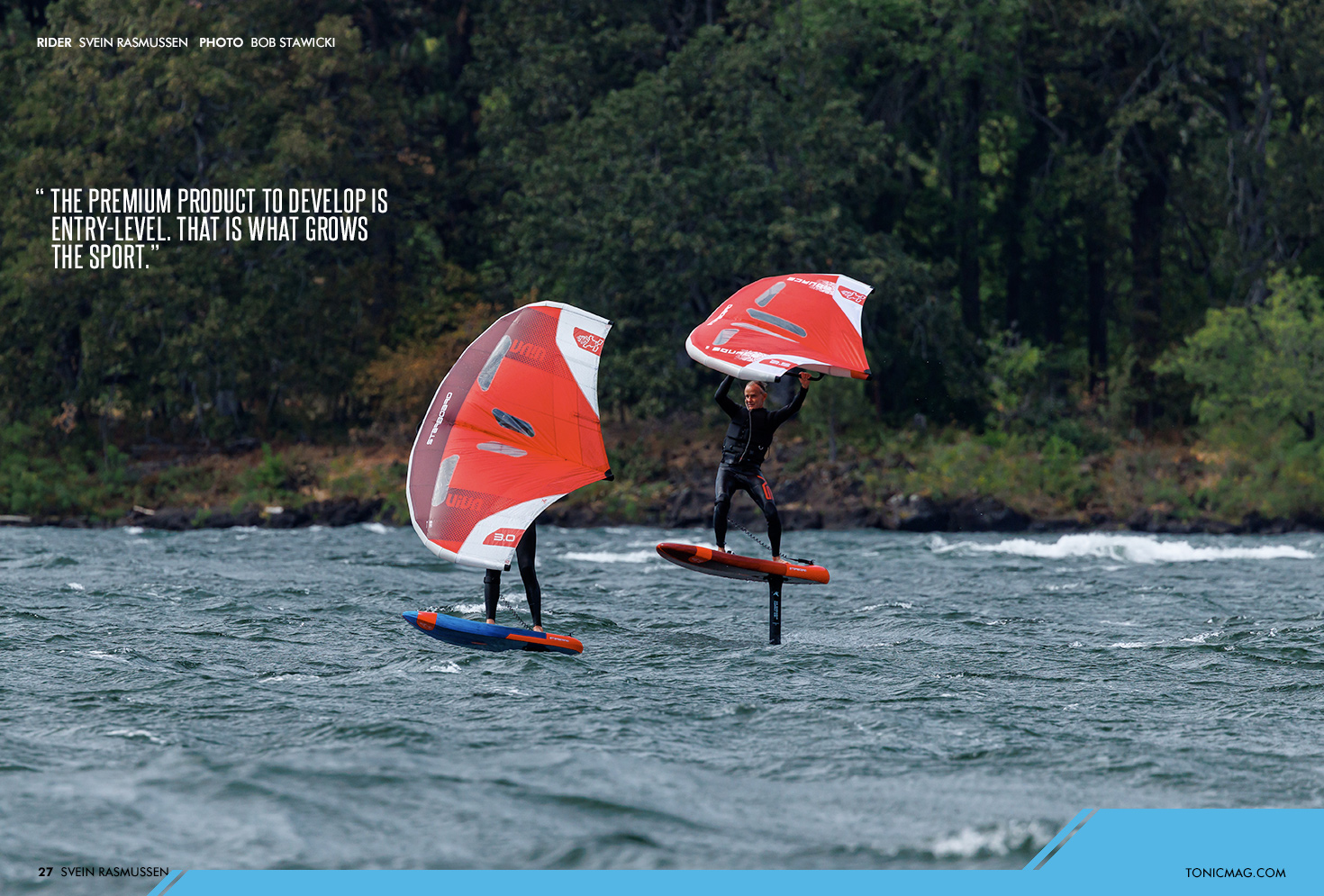
Today, as foiling continues to evolve at a remarkable speed, Svein’s focus remains the same as it always has been, building equipment that helps more people enjoy being on the water. Increasingly, that means designing gear that makes the first experience of flight easier than ever before.
Because once someone feels that first flight, everything changes.
A photograph that changed everything
Svein’s passion for watersports began with a single photograph. Growing up in Norway in the late 1970s, he remembers seeing an image of windsurfers gliding across clear blue water in a National Geographic Kids magazine.
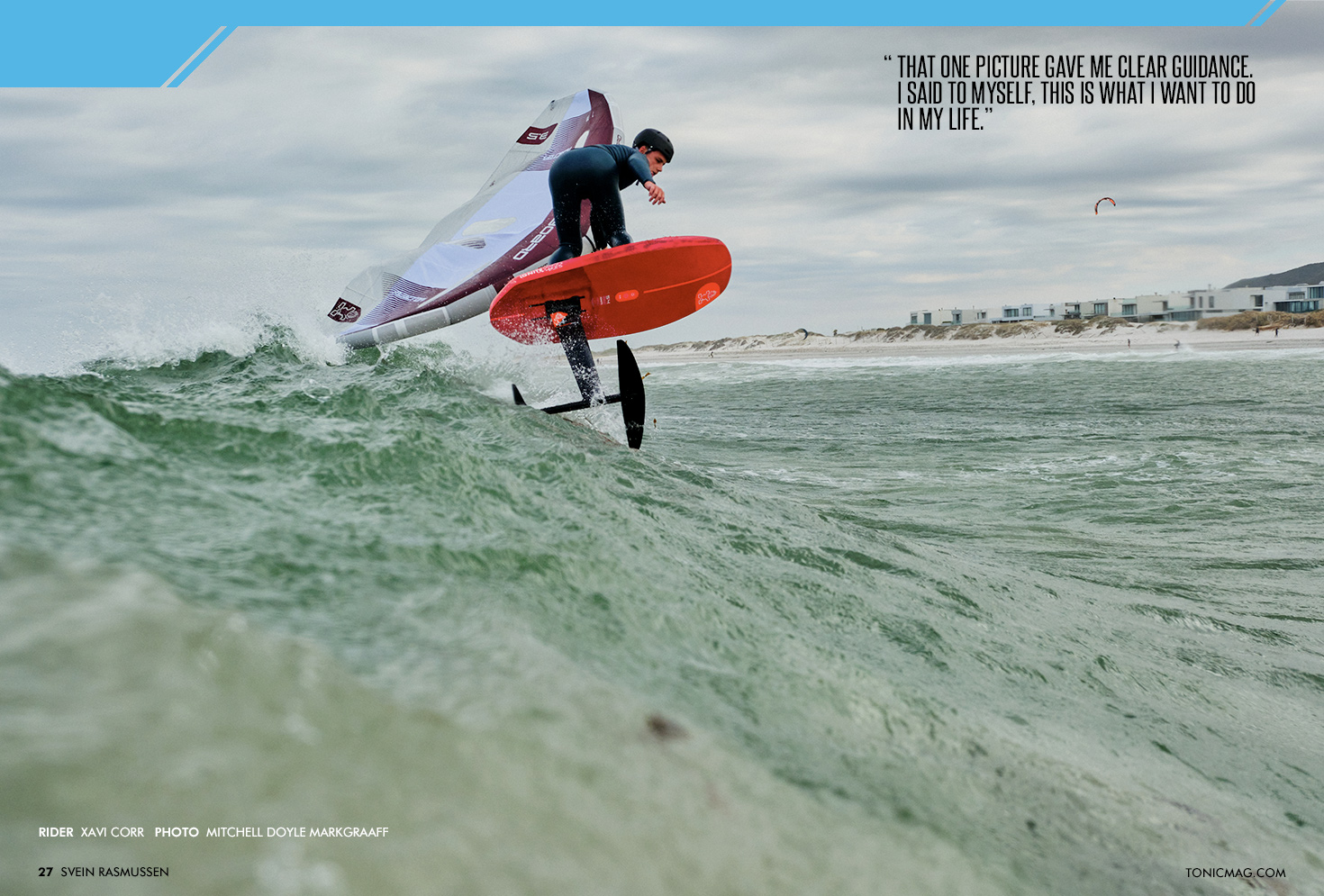
“That one picture gave me clear guidance,” Svein recalls. “I said to myself, this is what I want to do in my life.”
The obsession started immediately. He spent the following year delivering newspapers through freezing Norwegian winters to save enough money for a second-hand windsurfer. It was heavy, basic equipment by modern standards, but the sensation it delivered was enough to ignite a lifelong passion.
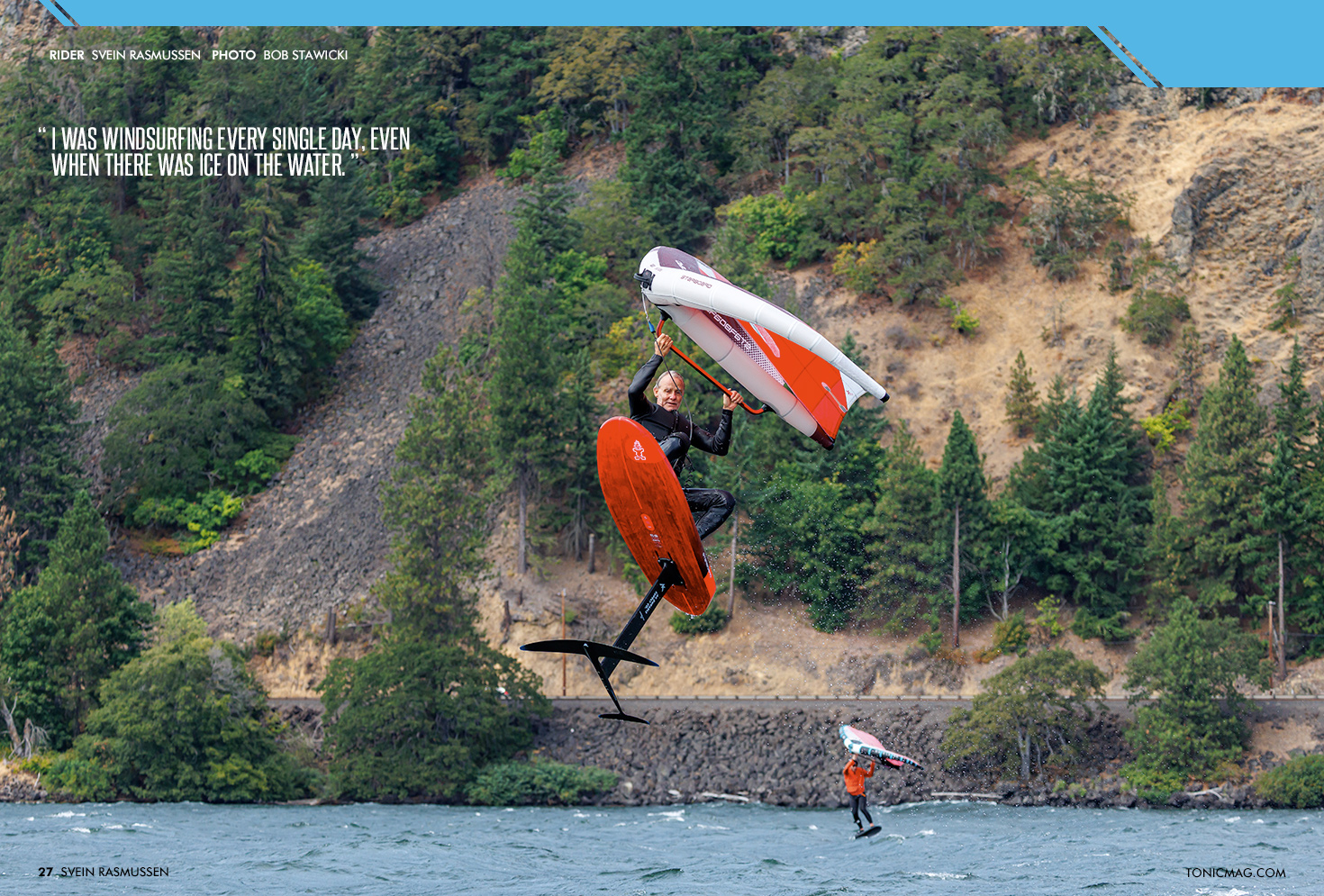
“I was windsurfing every single day,” he says. “Even when there was ice on the water.”
That enthusiasm soon turned into competitive success. Norway had a strong windsurfing scene at the time, and Svein quickly found himself racing against some of the best sailors in the world. He won a junior world title and spent the next decade travelling internationally as a professional windsurfer.
Even during his competitive career, he was already fascinated by equipment design, constantly experimenting with setups and working with brands to refine boards, sails and rigs.
Eventually, that curiosity led him to start his own company.
Building Starboard
Starboard was founded with a clear philosophy, push watersports forward through experimentation, curiosity and practical testing. Svein quickly realised that many of the best ideas come not from theory but from simply building prototypes and trying them on the water.
“I prefer to test things rather than debate them,” he explains. “You go to the workshop, build something, and a few days later you know if it works.”
That hands-on approach became central to Starboard’s development culture. With a workshop located beside the water in Thailand, the team can prototype boards, wings and foils and test them in real conditions almost immediately.
The early years of the company were not easy. Svein had only ten thousand dollars saved from his competitive career, and mould production in Europe cost hundreds of thousands. The breakthrough came when he discovered Cobra, a factory in Thailand capable of producing moulds at a fraction of the cost, making it possible to start building boards without huge financial backing.
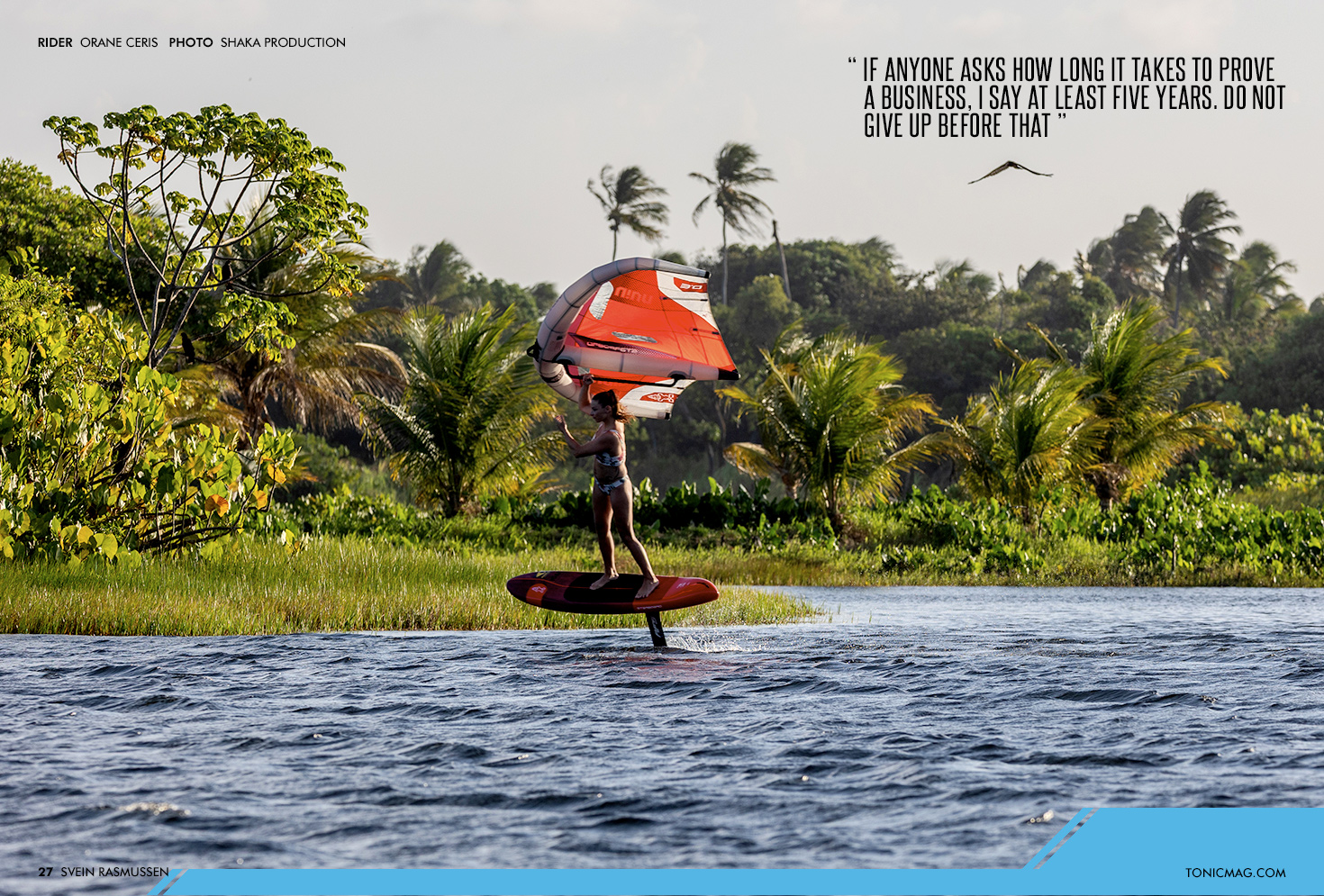
“The first five years were really hard,” he says. “If anyone asks how long it takes to prove a business, I say at least five years. Do not give up before that.”
Eventually, Starboard’s design ideas began to pay off. The brand introduced wider, shorter windsurf boards at a time when the industry was still dominated by long, narrow shapes. Once riders began winning events on them, the rest of the industry quickly took notice.
“And when you win, people understand,” Svein says.
The rise of foiling
Today, the focus of Starboard’s development has shifted toward foiling, an area where innovation is happening faster than almost any other watersport.
For Svein, wing foiling represents one of the most exciting developments the industry has seen in decades. The appeal lies in its simplicity and versatility, with a board, foil and wing opening up an incredible range of riding possibilities.
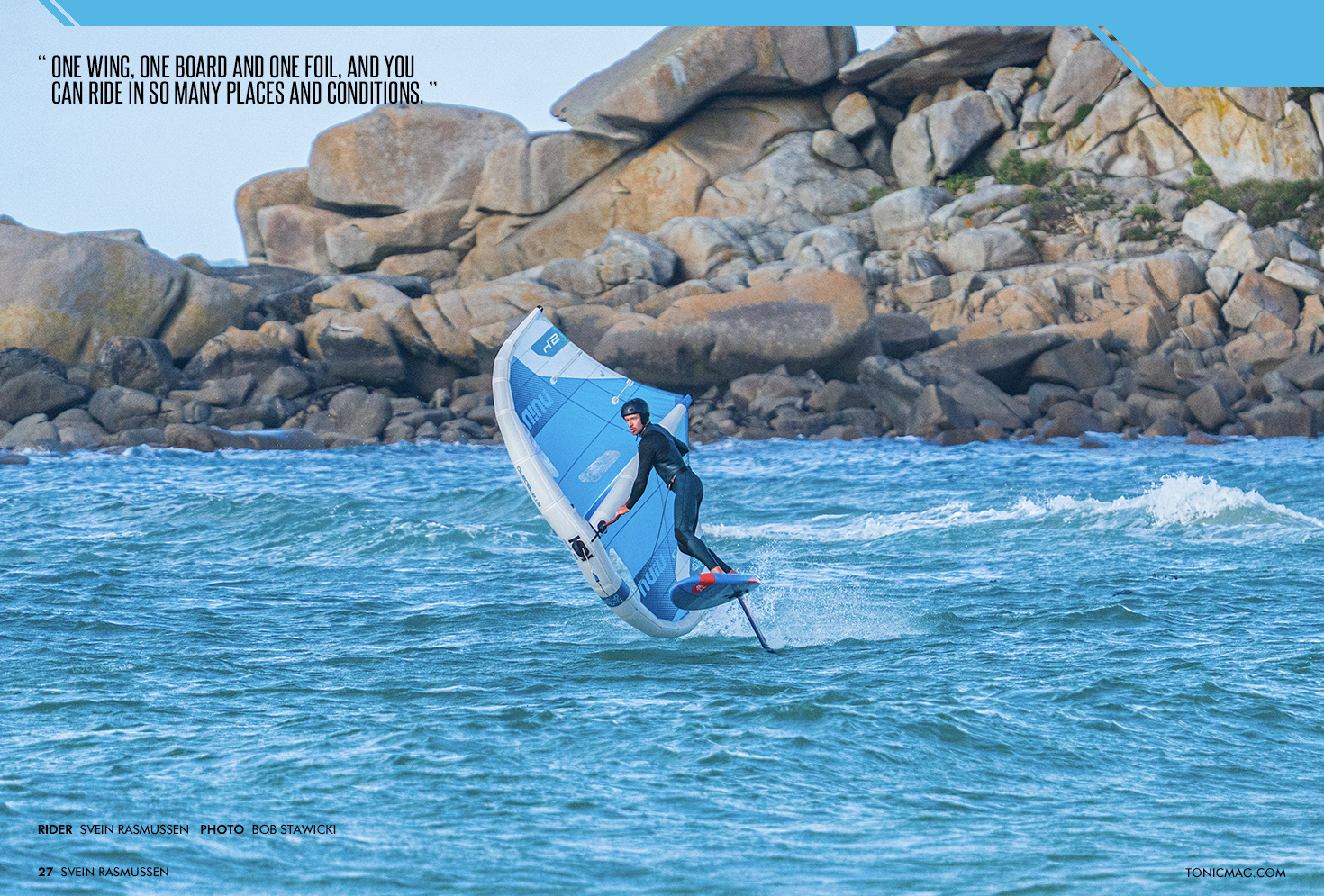
“There is nothing like it,” he says. “One wing, one board and one foil, and you can ride in so many places and conditions.”
More importantly, he sees wing foiling as the gateway into the wider world of foil sports.
“Wingfoiling is the avenue into everything else.”
Prone foiling, downwind foiling and emerging disciplines all grow from the same basic skills, but for most riders, their first experience of foiling will happen with a wing. That is exactly why Svein believes the beginner experience matters so much.
The holy grail of winging
If there is one challenge that excites Svein most in the current stage of the sport, it is making the learning experience easier.
“The holy grail is when someone gets on the board, and everything is stable, they pop up early, and they feel that sensation straight away,” he explains.
Designing equipment that allows riders to experience flight quickly has become one of the most important goals for Starboard. Larger, stable boards give newcomers confidence, forgiving foils allow them to lift smoothly without perfect technique, and balanced wings make it easier to control power while learning.
“You put someone on a sensible board, maybe around 140 litres, and let them get that first flight without drama,” Svein says. “That is what hooks people.”
While much of the industry focuses on pushing performance further and further, Svein believes the most important innovation may actually happen at the beginner level.
“The premium product to develop is entry level,” he says. “That is what grows the sport.”
The next generation of wings
Alongside making the sport easier to learn, Starboard continues to explore how wing design itself can evolve.
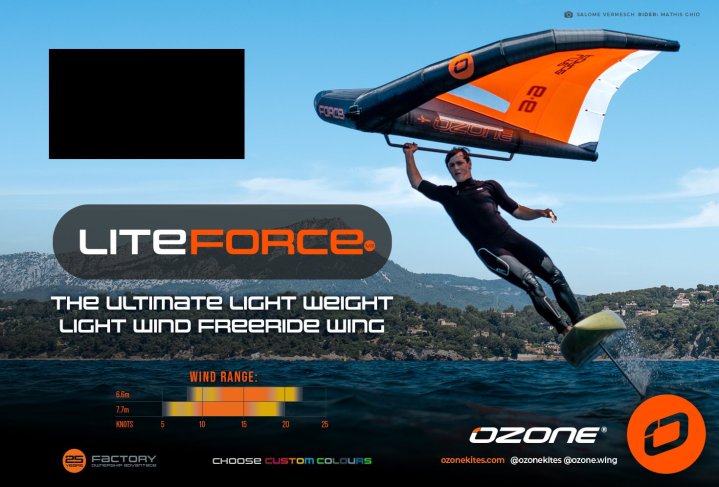
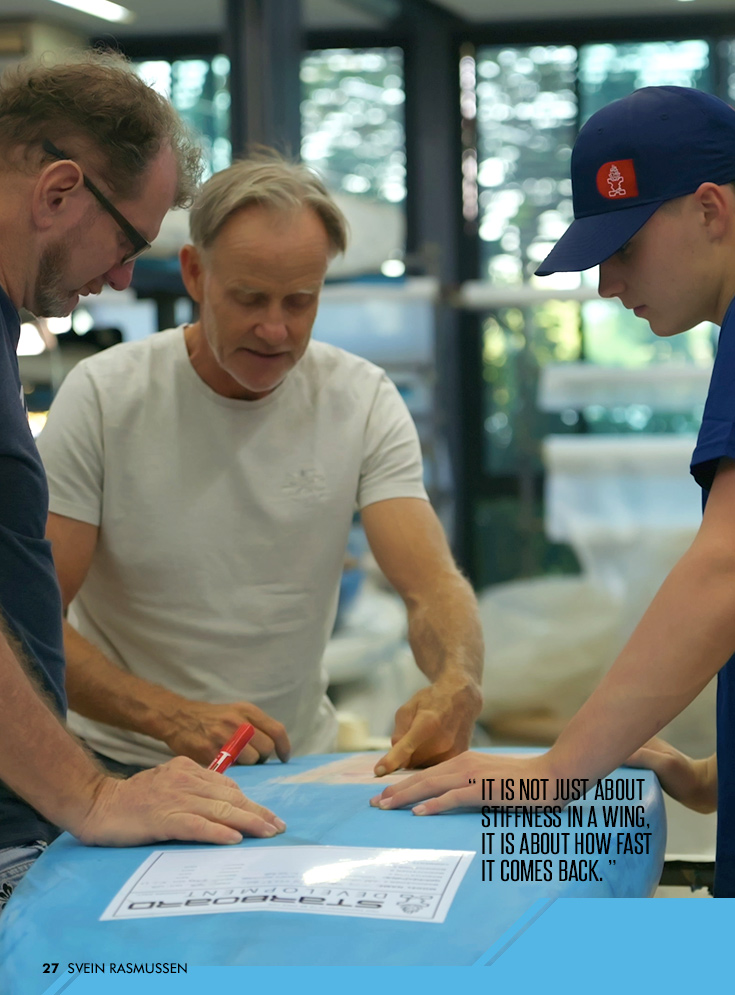
One of the concepts Svein frequently refers to is reflex, a principle borrowed from windsurfing sail design. Reflex describes how quickly a wing returns to shape after being loaded with power, creating a lively and responsive feel.
“It is not just about stiffness,” Svein explains. “It is about how fast the wing comes back.”
Advances in materials, reinforcement layouts and construction techniques will all play a role in improving this sensation. At the same time, Svein expects the overall shapes of wings to evolve as designers search for better ways to distribute loads and reduce drag.
“From an engineering perspective, the current shape does not make much sense,” he says with a smile. “But we are learning.”
Reducing swing weight, improving balance and refining the aerodynamic profile of wings could make them dramatically easier to handle, especially for riders still developing their skills.
Passion for business and the sport
For Svein, however, the story of Starboard is not only about product design. It is also about building a business that allows innovation to continue.
Over time, he has come to view business much like a competitive sport.
“Business is a sport,” he says. “You try things, you learn, you improve, and you try to perform at a higher level.”
Running a global watersports brand means constantly balancing design, production, partnerships and distribution across many countries. Yet Svein clearly enjoys that challenge as much as he enjoys being on the water.
“As a brand, our responsibility is to inspire,” he says. “To motivate the suppliers, the distributors, the shops and the market.”
That enthusiasm extends to the sport itself. Despite decades in the industry, Svein still spends as much time as possible riding and testing equipment whenever conditions allow.
Designing responsibly
Alongside innovation, Svein believes watersports brands must also take responsibility for protecting the environments their sports depend on.
Starboard has been measuring the carbon footprint of its products since 2017 and has invested heavily in mangrove restoration projects that help offset emissions while supporting coastal ecosystems.
The company has also launched large-scale ocean plastic collection programmes, tying the amount of plastic collected directly to the weight of products sold.
Svein hopes these programmes will continue to evolve alongside the sport itself.
Looking ahead
After decades of innovation, one thing about Starboard has remained constant. New ideas still begin with curiosity and are refined through constant testing on the water.
And sometimes those ideas look unusual at first.
Svein hints that Starboard may soon release something very different in the wing foiling world.
“We have been testing something for two years now,” he says. “It looks very strange, but it works incredibly well.”
If history has taught us anything, it is that the ideas that look unusual at first are often the ones that push a sport forward.
For Svein, the goal is not simply to follow trends, but to keep exploring how equipment can help more people enjoy being on the water.
And if the next generation of designs helps more riders experience their first flight sooner, then the future of foiling looks brighter than ever.
By Tonic Mag
