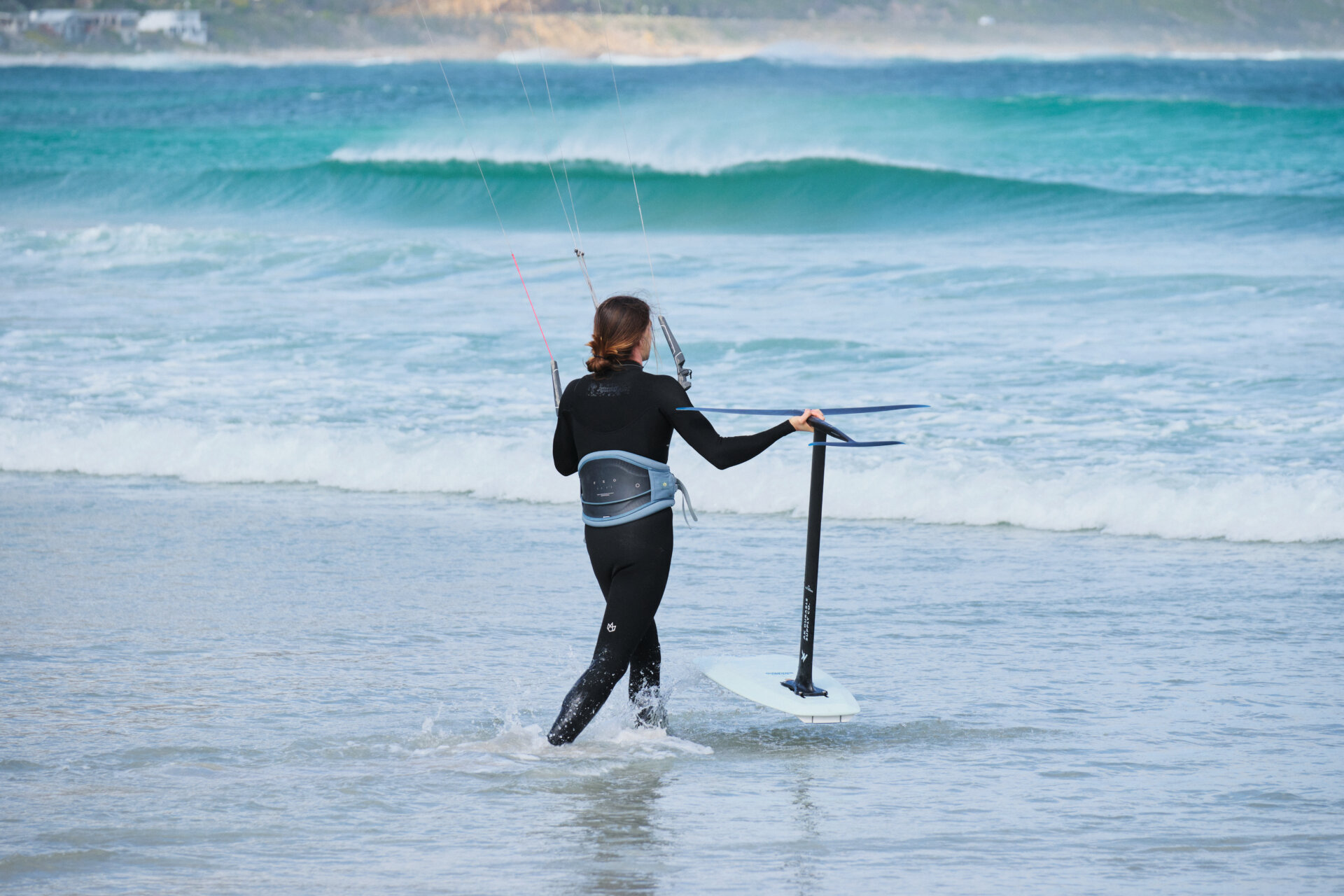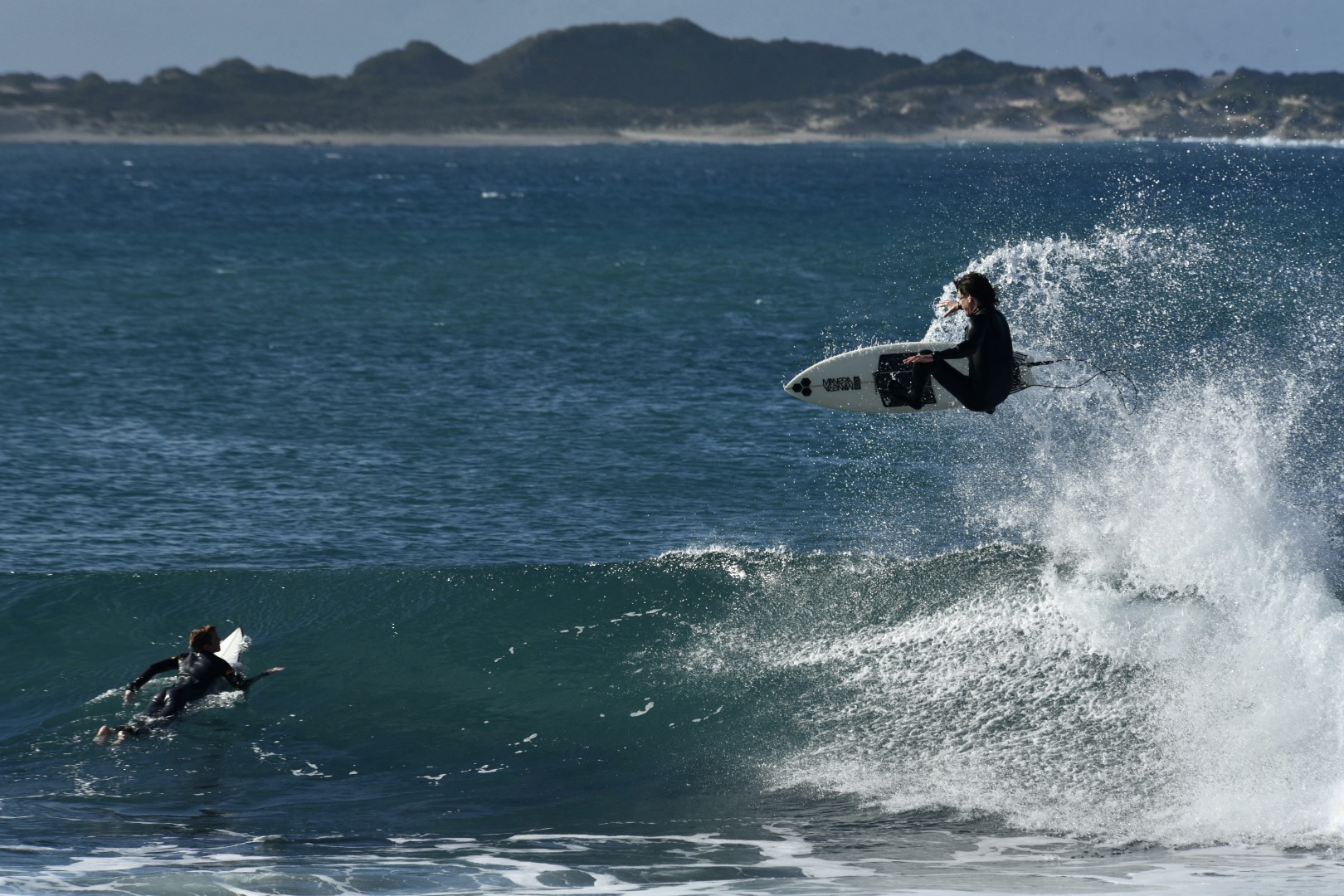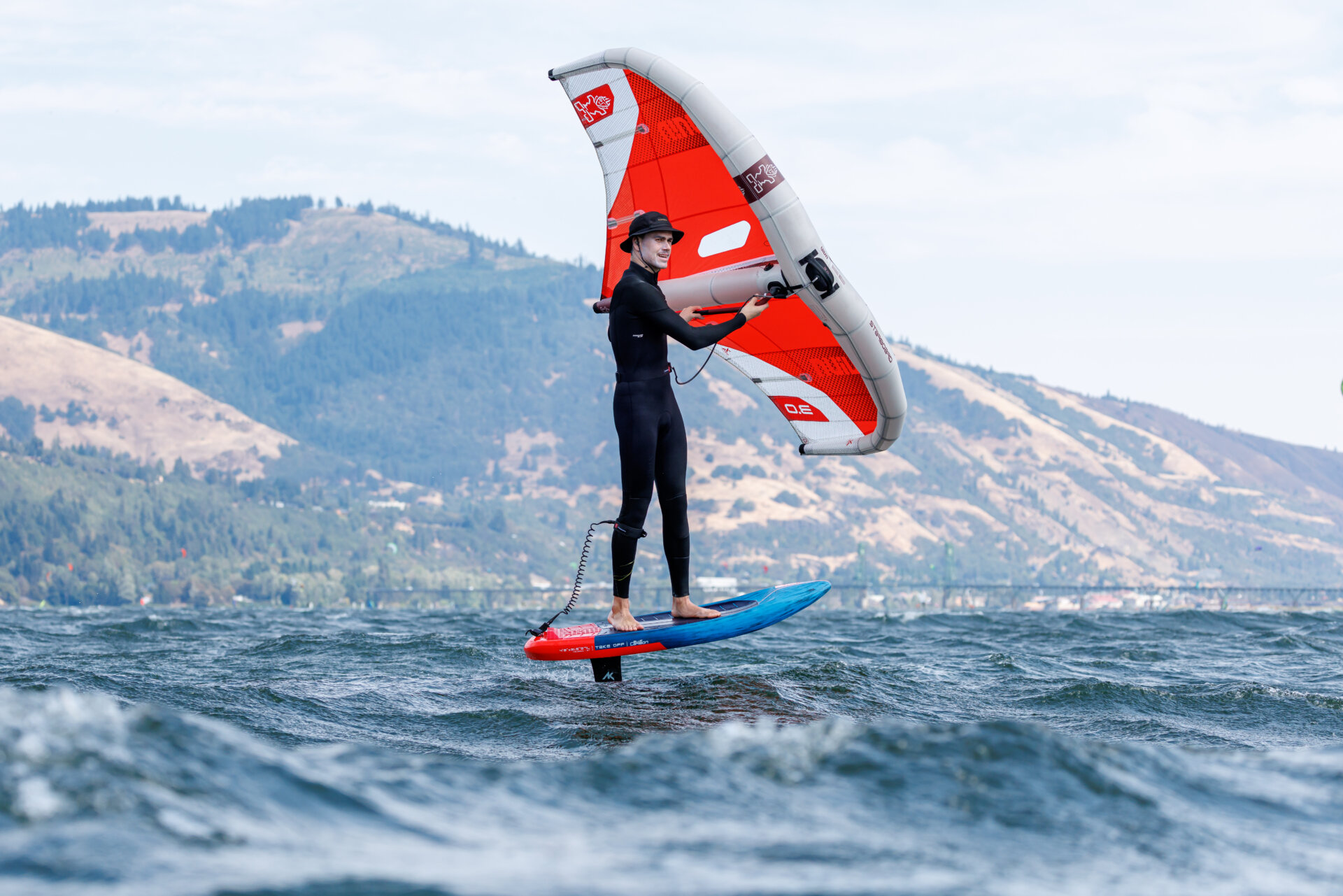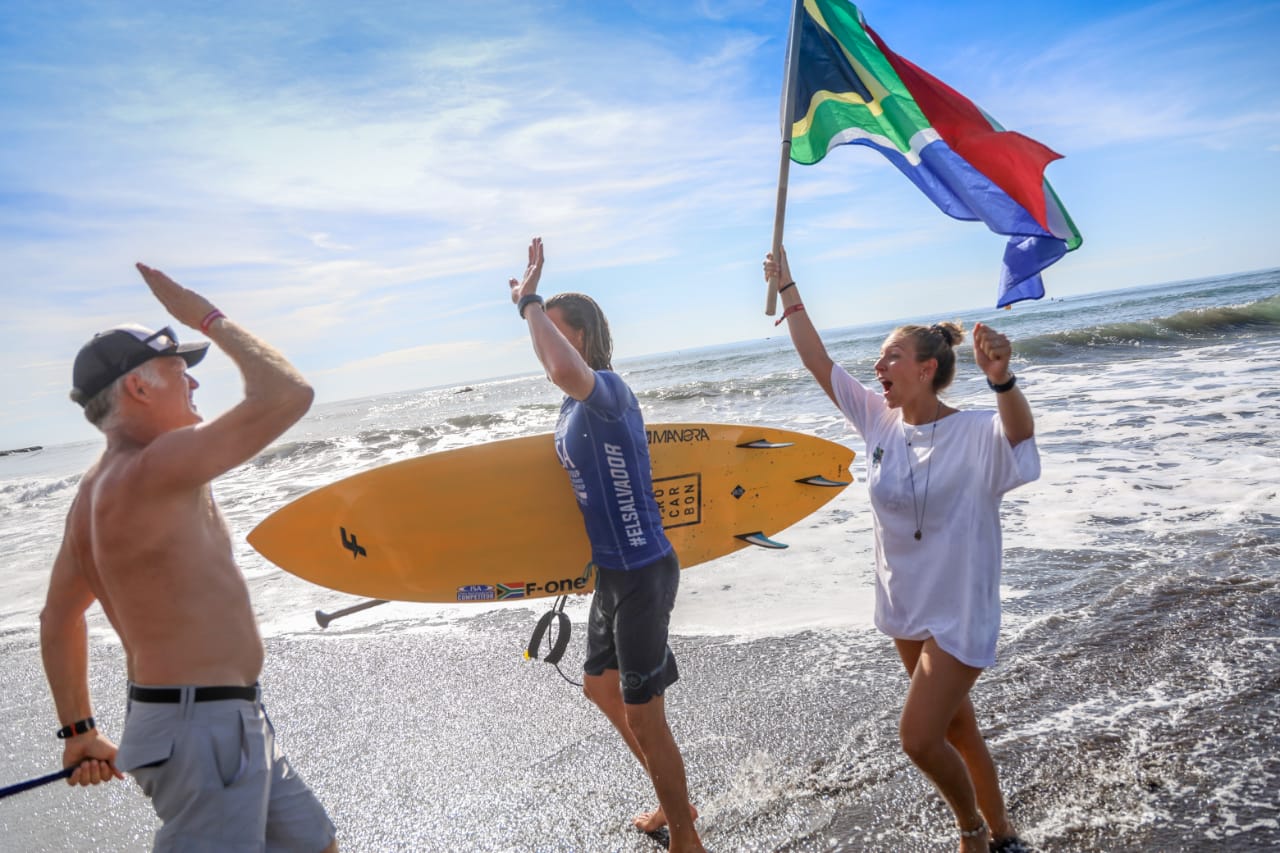

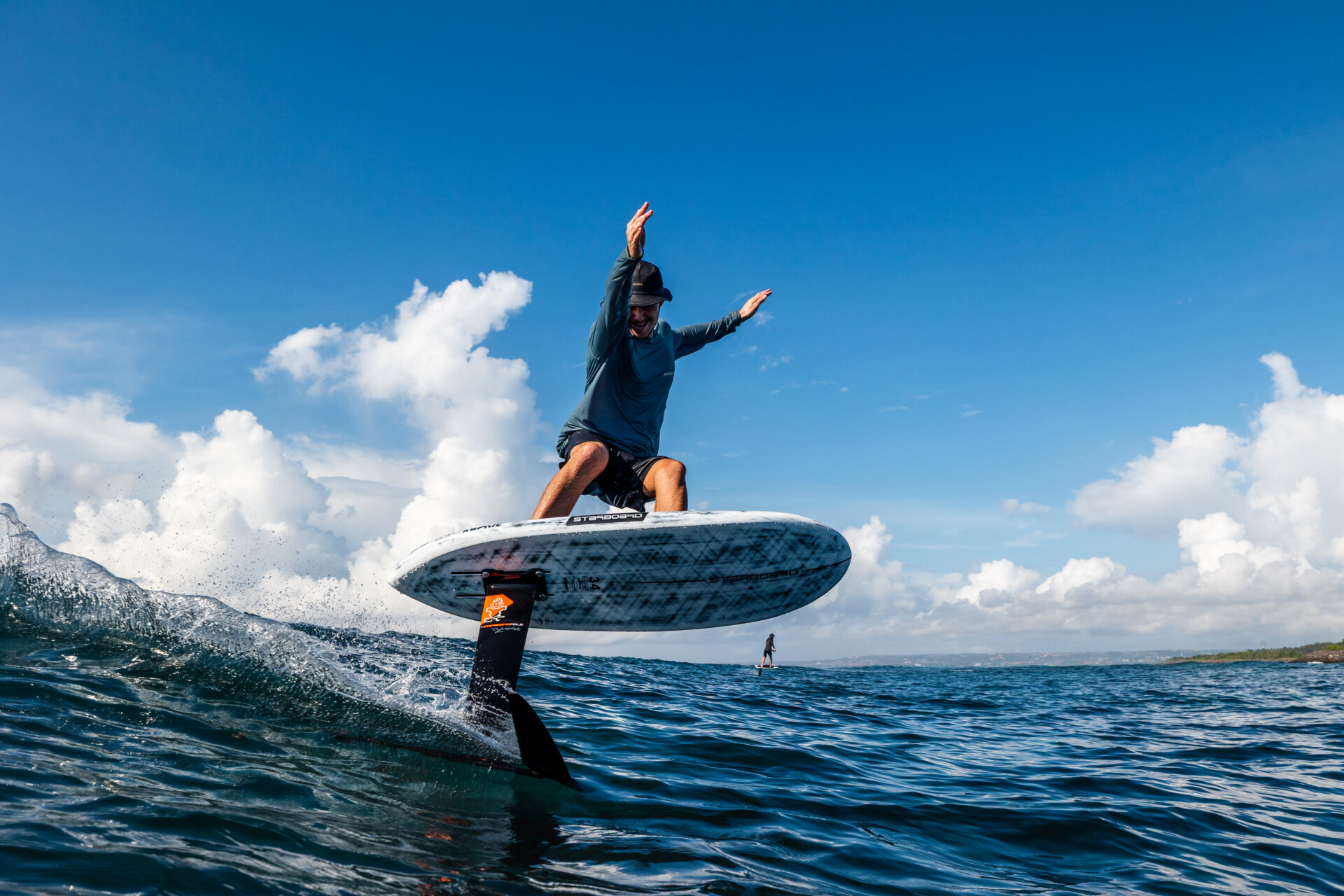
There is a well-trodden path for talented young watersports athletes. Get sponsored, travel the world, compete as much as possible, chase results, and hope that somewhere along the way you can turn your passion into a career. For the very best, that can work incredibly well, but professional sport has a relatively short lifespan, and eventually almost everyone has to work out what comes next.
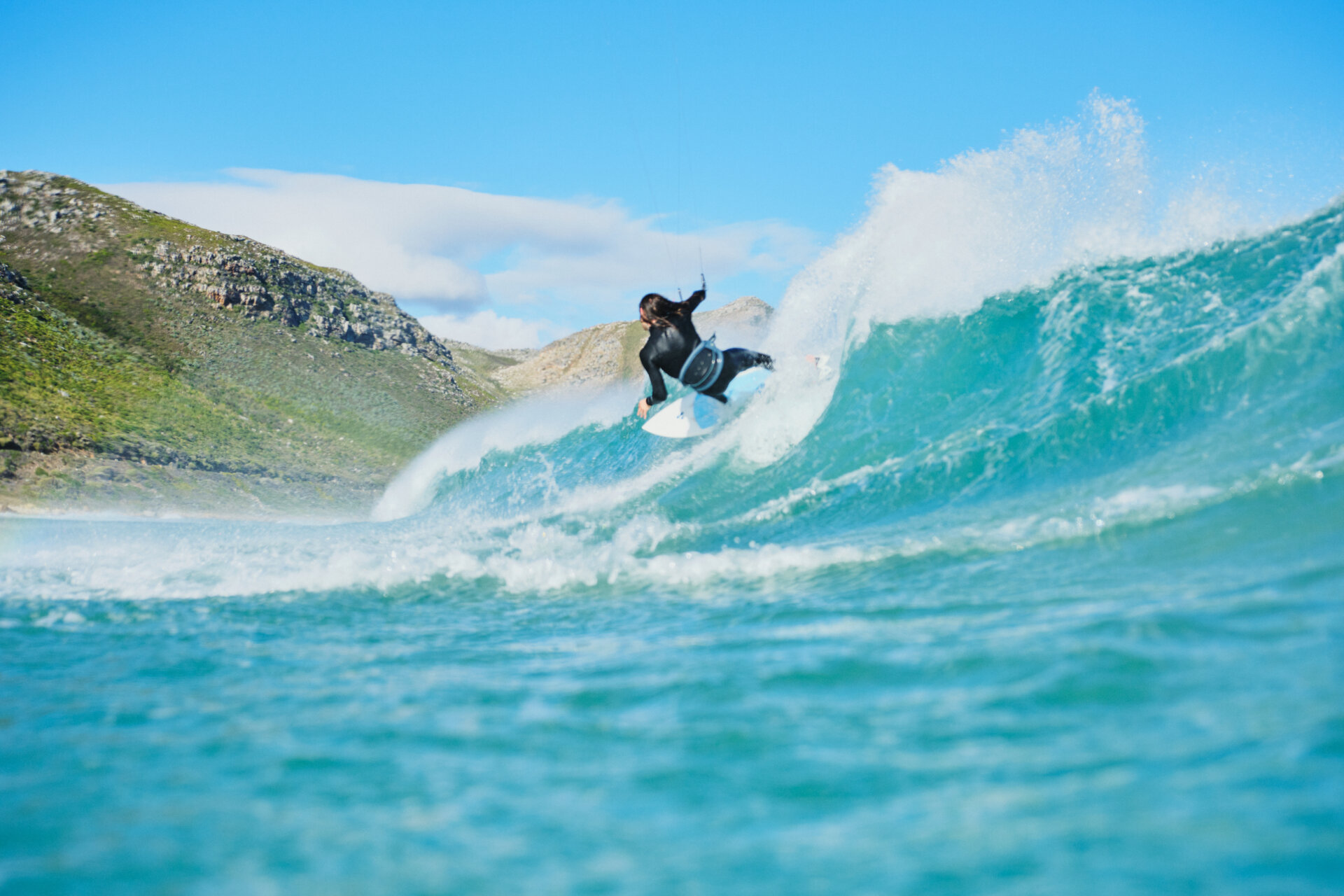
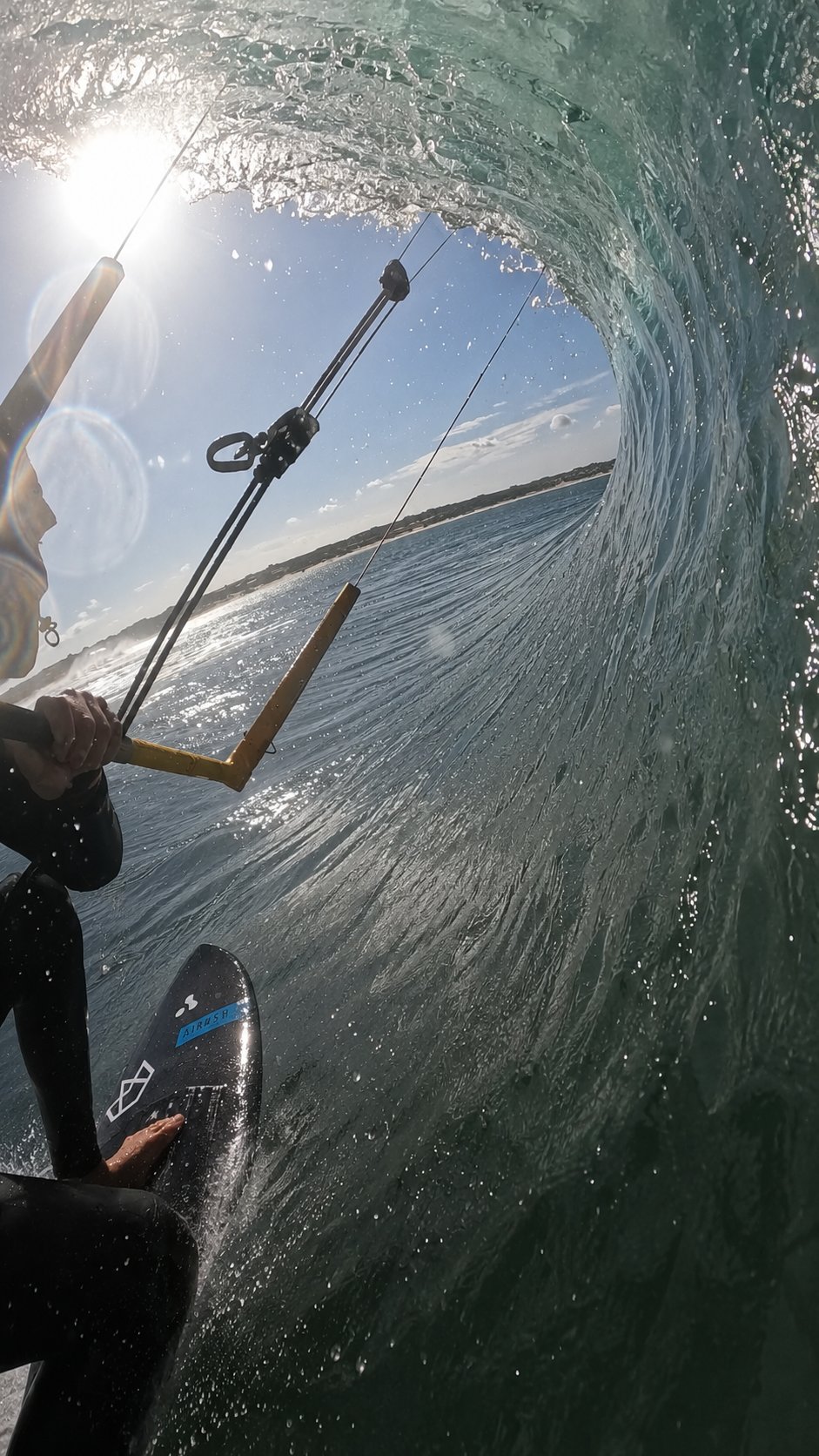
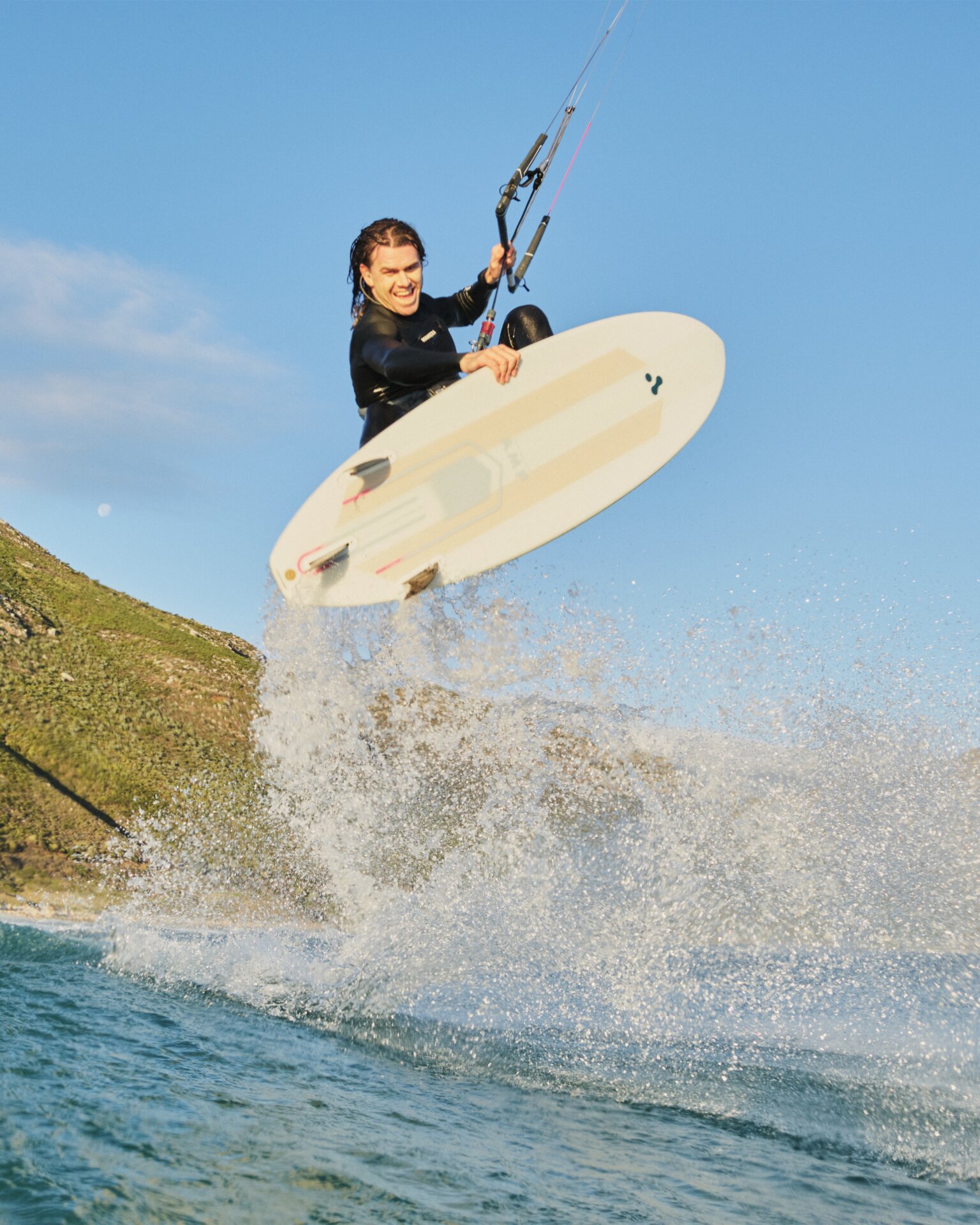
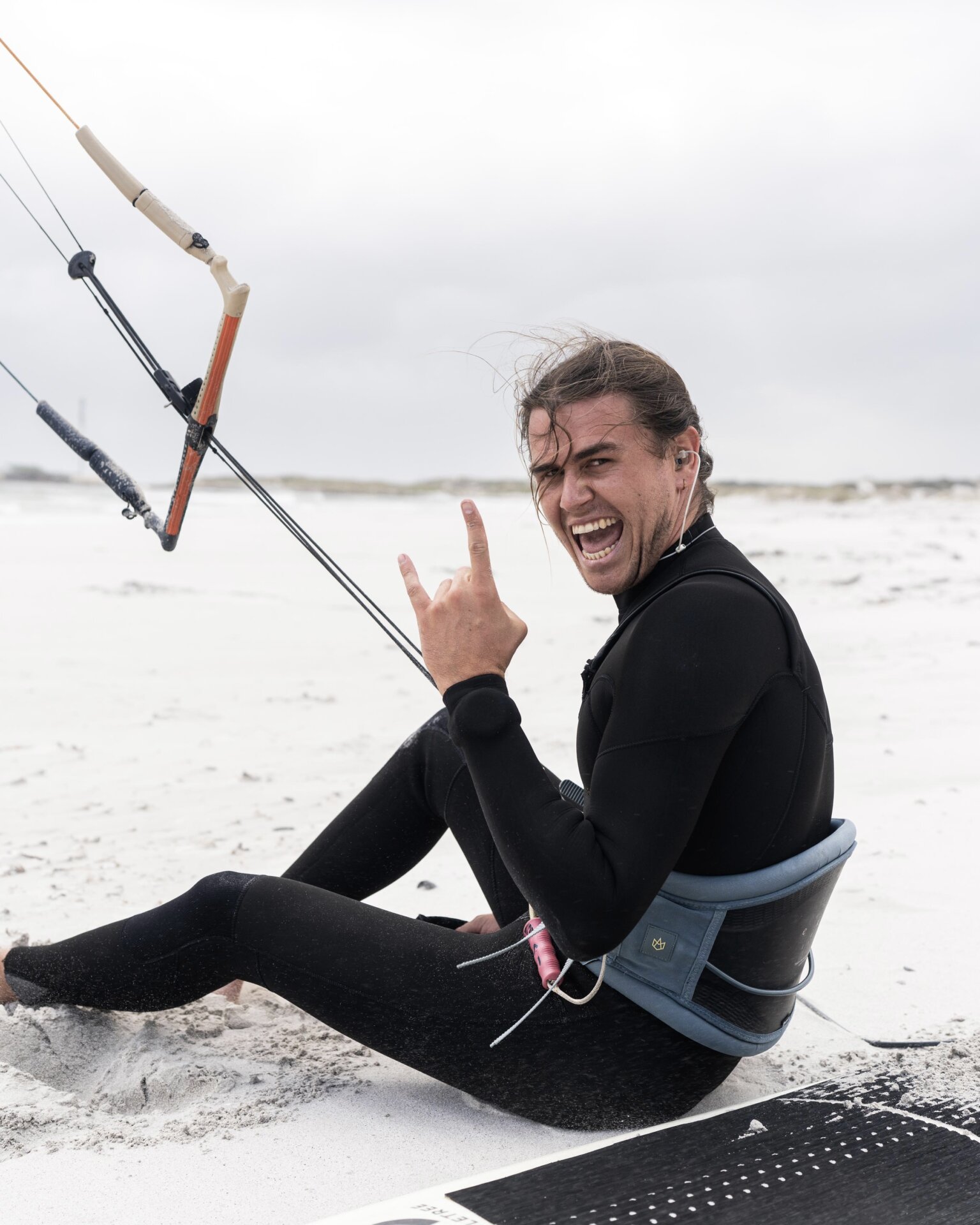
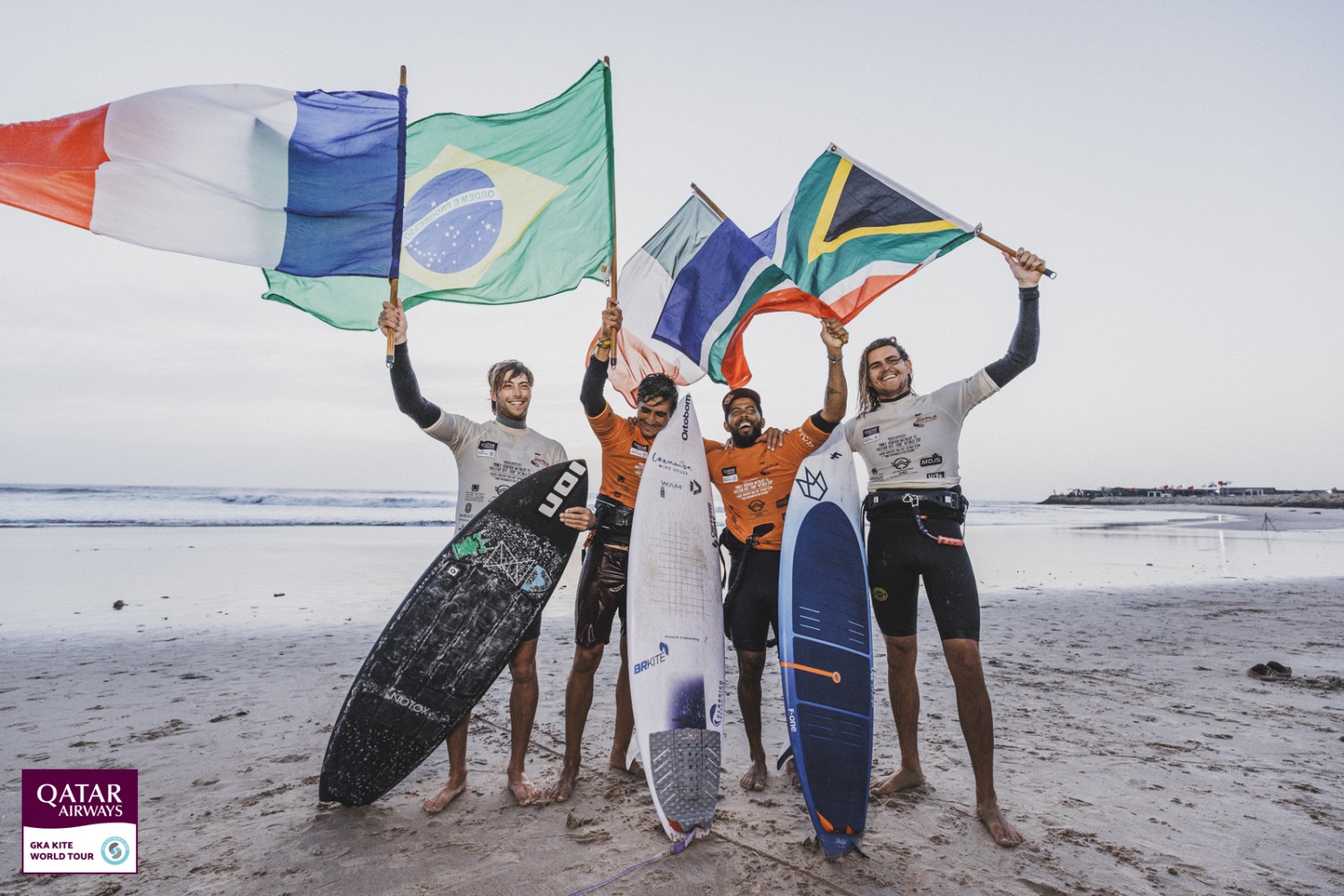
Matt Maxwell started down that familiar path. Growing up in South Africa, he progressed through bodyboarding, surfing, SUP, and eventually strapless kitesurfing, becoming good enough to join the F-ONE international team. Yet even while travelling and competing, Matt was already looking further ahead. Rather than putting everything into becoming a professional rider, he combined his time on the water with an education that he hoped would eventually allow him to build a career within the industry he loved. It proved to be a smart move, and today Matt is Marketing Manager for Starboard Wing and Starboard Foil, combining his background as a rider with qualifications in product design and marketing.
It is an interesting position to find himself in at a relatively young age. His role puts him right at the intersection between the equipment, the people designing it, and the customers ultimately buying it, while his experience as a rider means he understands the products from the water rather than simply from a specification sheet. We caught up with Matt on The Foil Pod to talk about his journey from young sponsored rider to the other side of the watersports industry, and discovered there is plenty for the next generation to learn from the route he has taken.
Starting Young
Like many South Africans, Matt’s relationship with the ocean started early. His first experiences were on a bodyboard at around eight years old, before his dad introduced him and his brother to surfing. From there, things moved relatively quickly, although perhaps not in the order you might expect. Stand-up paddling was beginning to develop a strong community in South Africa, and by the age of ten or eleven, Matt was getting increasingly involved. Equipment for younger riders was difficult to find at the time, and he needed custom boards just to have something appropriate to ride. Support from Gary van Rooyen and Coreban helped him progress, and before long he was competing.
Kitesurfing followed, and another important figure entered the story. Bruce Crystal, who was running F-ONE in South Africa, recognised Matt’s potential and began supporting him with equipment when he was still in his early teens. That local support would prove enormously important. Breaking into an international team is notoriously difficult, particularly when you are competing for attention with some of the best riders in the world, and Bruce continued putting Matt’s name forward to F-ONE whenever the opportunity arose.
Eventually, Matt had the chance to meet F-ONE founder Raphaël Salles and the wider international team when they visited Cape Town. His location undoubtedly helped, as did his riding, but what made Matt particularly interesting was that he was already thinking about what a future in watersports might look like beyond competing. He had developed a genuine interest in how equipment was designed and talked openly about his intention to study product design. For F-ONE, that meant he potentially offered more than simply another talented young rider. He could develop into a valuable product tester and perhaps, one day, contribute to the development process itself.
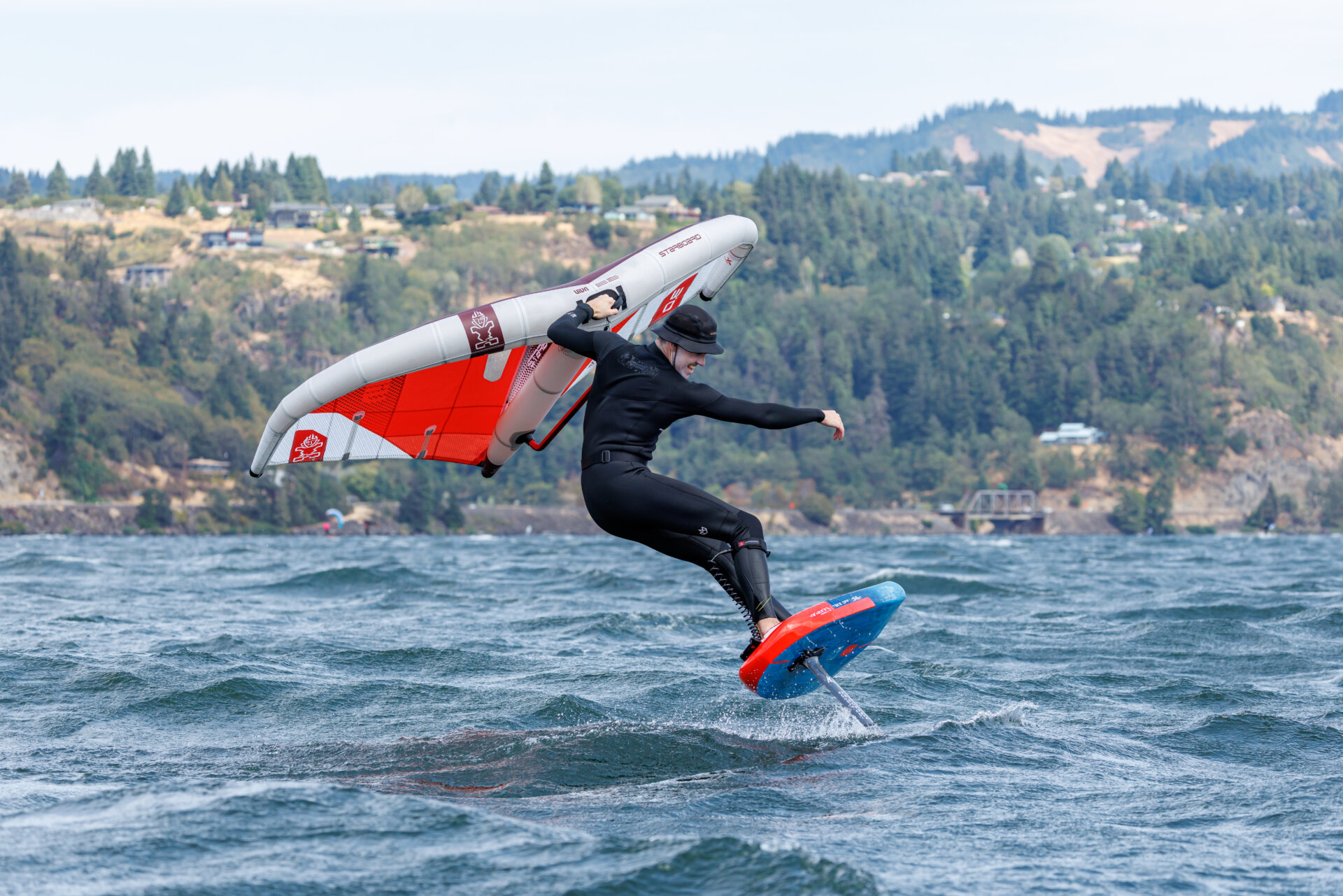
“I wanted to bring two worlds together.”
Matt subsequently joined the international team while spending three years studying product design, continuing to travel, ride, and compete alongside his education. During that time, however, another side of the industry increasingly caught his attention. The more exposure he had to brands and the businesses behind them, the more interested he became in what actually made people want to buy equipment. Product design could explain how something worked, but marketing was responsible for communicating why somebody might want it in the first place, so he followed his design studies with a postgraduate qualification in marketing.
Design Meets Marketing
That combination of disciplines has turned out to be particularly relevant to Matt’s career. Watersports equipment is increasingly technical, especially in foiling, and communicating the benefits of a product becomes considerably easier when the person doing the communicating understands why it was designed that way in the first place. Matt can talk to designers, understand the reasoning behind a product, test it himself, and then help translate that information into something meaningful for the customer.
It also gives him a slightly different perspective on the relationship between design and marketing. Designers can become incredibly focused on solving a particular problem, sometimes developing an understandable attachment to the solution they have created. Marketing forces you to look at the wider picture and ask whether that solution actually makes life better for the person buying it. Having studied both sides, Matt appreciates the importance of pushing design forward while also recognising that innovation needs to have a tangible benefit on the water.
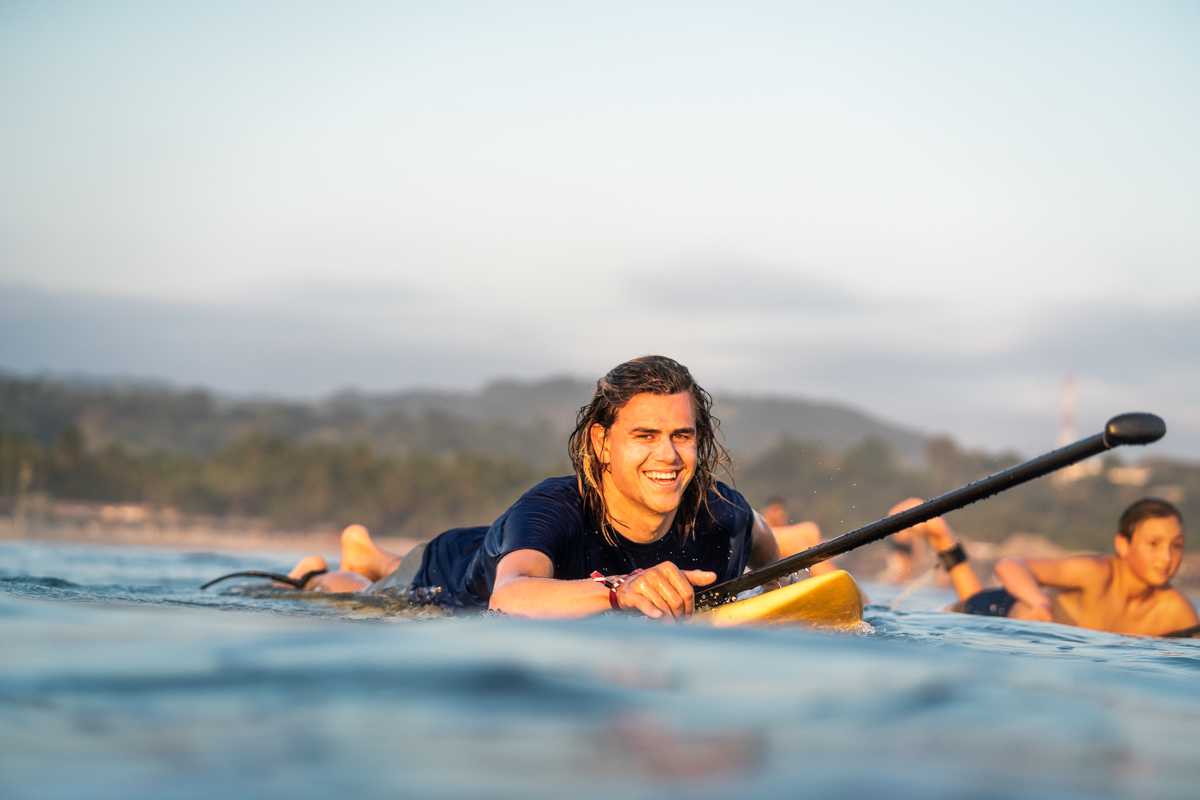
“It’s very difficult to market technical products effectively unless you understand how they work.”
After university, however, his first significant career move actually took him away from watersports. Matt joined Under Armour in South Africa as an intern, giving him an opportunity to see how a huge international sports company operated from the inside. The biggest difference compared with the watersports businesses he knew was the level of structure. Large global brands have people and systems dedicated to incredibly specific jobs, product seasons can be planned years in advance, forecasting is highly developed, and responsibilities are spread across specialist teams.
Watersports tends to operate rather differently. Teams are smaller, people often fulfil several roles simultaneously, and the market can change remarkably quickly. New materials arrive, disciplines evolve, and entirely new product categories can appear almost overnight. A few years ago, parawings barely existed as a commercial category, and today they are one of the most talked-about areas of foiling. Matt’s time at Under Armour taught him the value of the systems and processes that allow a large company to function efficiently, but when he eventually returned to watersports, he quickly discovered that those systems also needed to be balanced with the agility required by a much smaller and faster-moving industry.
The Starboard Opportunity
The route back into watersports came through another relationship Matt had maintained over the years. Clinton Filen, then Brand Director at Airush and involved with FreeWing alongside Starboard founder Svein Rasmussen, knew that Matt had ambitions to work within the industry. When the marketing position at FreeWing became available, Clinton encouraged him to apply and offered to put his name forward.
Matt was still focused on his internship at Under Armour and hadn’t initially paid much attention to the vacancy, but opportunities like this don’t appear very often. Despite plenty of competition for the role, meetings with Svein went well, and Matt ultimately landed the job. Interestingly, he believes his relative lack of experience may actually have helped. Rather than arriving with years of established ideas about how everything should operate, he could grow into the position and develop alongside the company and its existing systems.
It was still a substantial leap. Matt had gone from an internship at a huge company, where individual responsibilities were highly specialised, into a comparatively small watersports team where suddenly an enormous number of different jobs landed on the same desk. Within months, that role became considerably bigger when discussions began about bringing the FreeWing programme directly under the Starboard name.
FreeWing had originally been a collaboration between Airush and Starboard, but the wider business was changing. Airush was subsequently sold to Alex Pastor, and the logic behind maintaining a separate FreeWing identity became increasingly difficult to justify. Building separate brands requires separate marketing, identities, budgets, and a constant need to explain to customers and retailers exactly what each name represents. Starboard already had decades of heritage, a global dealer network, and enormous credibility within windsurfing, SUP, and foiling, so bringing the wing range under that established identity made considerable sense.
“Opportunities like that don’t come up often.”
For Matt, who was still relatively new to the job, the transition represented a huge undertaking. It also provided an extraordinary opportunity to help reshape how one of the biggest names in watersports approached wing foiling. For a retailer already selling Starboard boards, the conversation around adding a Starboard wing is considerably simpler than introducing an unfamiliar sub-brand and explaining where it came from. For the customer, the same principle applies. Rather than building credibility from scratch, the wing becomes part of a product family they already understand, and according to Matt, the transition has been a successful one, with the range performing considerably better under the unified Starboard identity.
Bringing The Foils Together
More recently, Matt’s responsibilities have expanded again to include Starboard Foil, where the wider strategy is also increasingly about simplification. Starboard’s foil programme has historically existed somewhat separately from the main brand, while AK developed its own foil products under the wider group. With the structure of the business changing, the focus has increasingly shifted towards bringing everything together around Starboard.
It sounds relatively straightforward when condensed into a few sentences, but combining brands, websites, ordering systems, product ranges, marketing strategies, and distribution is a substantial undertaking. For Matt, it represents another steep learning curve less than two years into his time at Starboard, but it also brings him increasingly close to the product development side of the business that originally attracted him to the industry. He still gets involved with testing and contributes to art direction and product discussions, giving him an opportunity to use the design education that started this whole journey.
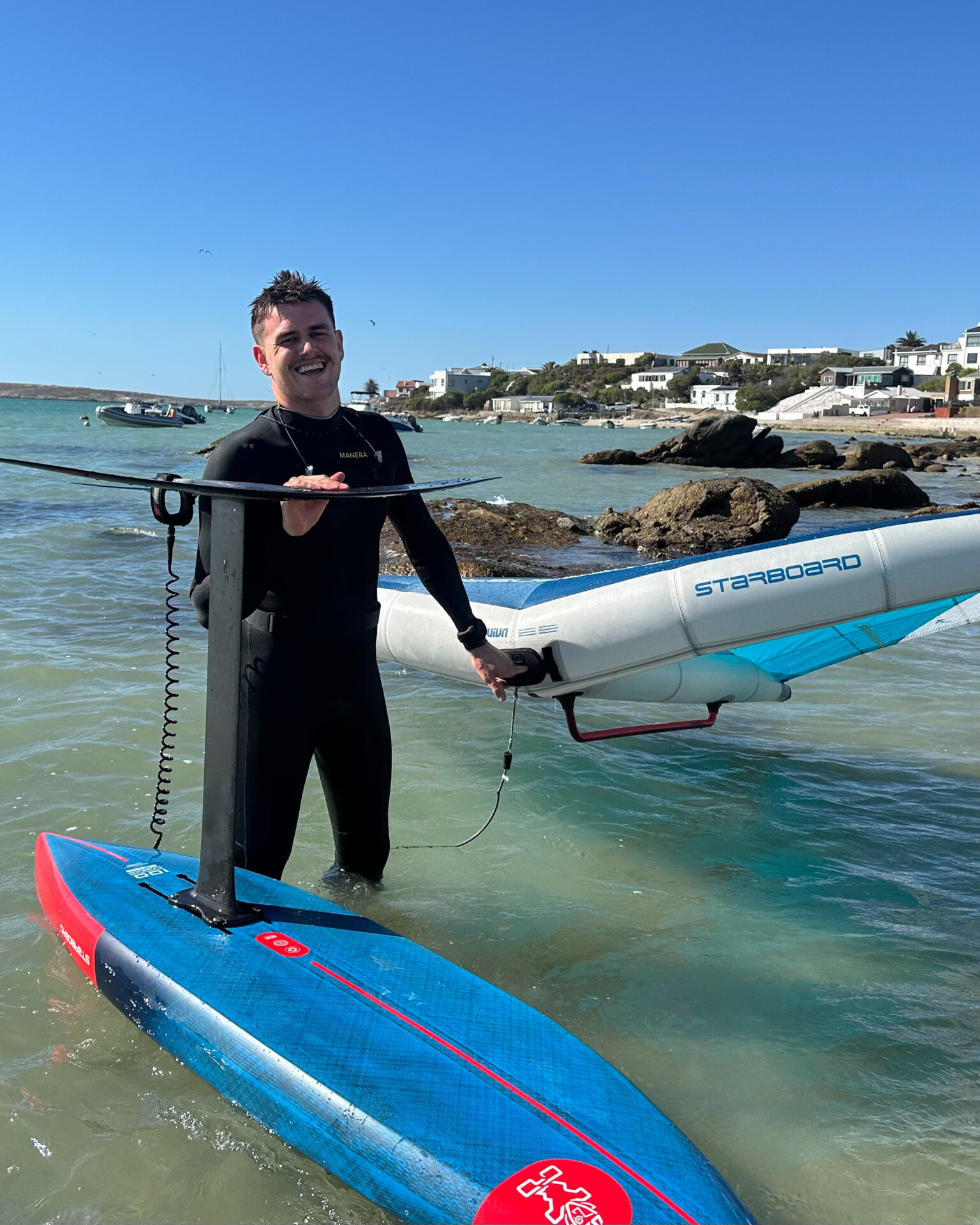
“We know this system works, and we want people to try it.”
Foils, in particular, provide plenty to keep that side of his brain occupied, and one of the most interesting parts of our conversation centred on Starboard’s UCS, or Universal Connect System. Anyone who has spent significant time foiling will know just how fragmented the equipment landscape has become. Mast connections, fuselages, front wings, tail systems, and hardware vary enormously between manufacturers, and even supposedly standardised components can sometimes create compatibility headaches.
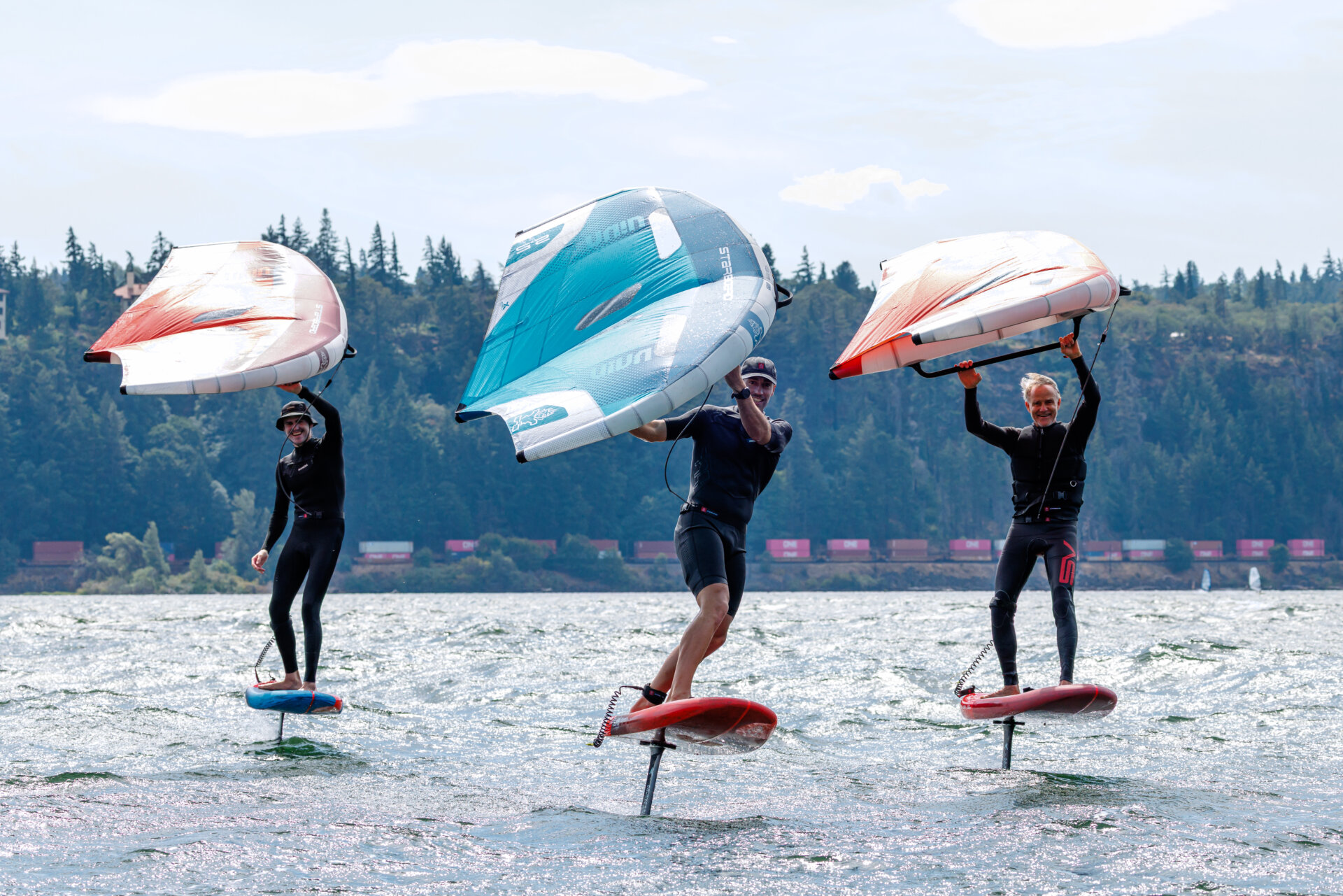
Starboard believes UCS offers another way forward. The system has been designed around creating an extremely stiff connection while also being open for other manufacturers to adopt. Starboard has gone as far as making the fuselage connection information available as a downloadable 3D file, allowing other designers to create compatible components without having to reverse-engineer the system. According to Matt, testing between previous systems and UCS has demonstrated a considerable increase in stiffness, something that becomes increasingly important as foils get faster, more efficient, and more highly loaded.
The wider potential of UCS could be even more interesting. Imagine buying a mast and fuselage knowing that, in the future, you might be able to fit front wings or other components from several different manufacturers. For riders, it could reduce the need to replace entire foil systems simply to try a different wing, while manufacturers could potentially concentrate more of their resources on creating better-performing foils rather than repeatedly developing another proprietary connection.
“Designers get very attached to their own creations.”
Whether the wider industry embraces that level of standardisation remains to be seen. Designers are understandably attached to their own solutions, and every company believes it can improve on what already exists, something Matt understands particularly well from his own product design background. From a customer’s perspective, however, there is an obvious appeal to equipment that simply works together, and Starboard’s decision to make UCS available to others is an interesting attempt to move the industry in that direction.
Playing The Long Game
Perhaps the most interesting part of Matt’s story isn’t where he works now, but how deliberately he gave himself the opportunity to get there. There is enormous pressure on talented young riders to treat becoming a professional athlete as the ultimate goal. Winning events, collecting sponsors, travelling the world, and making a living from riding is understandably appealing, and for a small number of people, it can become an incredible career. The reality, however, is that competitive careers are short, while the working life that follows them can last for decades.
Matt recognised that early and never allowed his ambitions as a rider to stop him thinking about what might come afterwards. His education didn’t take him away from watersports; it ultimately gave him another route deeper into them. Product design gave him a tangible skill he could offer a company, while marketing broadened that knowledge and helped him understand the bigger picture behind building and selling products.
“You’ve got to consider the lifespan of an athlete.”
Just as importantly, his career demonstrates the value of the relationships built along the way. Bruce Crystal helped him progress from a locally supported rider onto the F-ONE international team. Years later, Clinton Filen encouraged him to apply for the opportunity at Starboard. People Matt met on beaches, at competitions, and on photoshoots when he was a teenager are now people he works alongside professionally, and that is something he is particularly conscious of when offering advice to younger riders.
Being a talented athlete can open doors, but what you learn, how you conduct yourself, and the relationships you build can determine what happens after you walk through them. Matt might not have followed the traditional route of putting everything into becoming a world champion, but at a remarkably young age he has already established himself in a career that could keep him at the heart of watersports for decades to come. For any young rider wondering whether education and competition can sit alongside each other, his story suggests that thinking beyond the podium might ultimately open up far more opportunities than focusing solely on it.