

Features
Cash Berzolla: Blurring The Lines
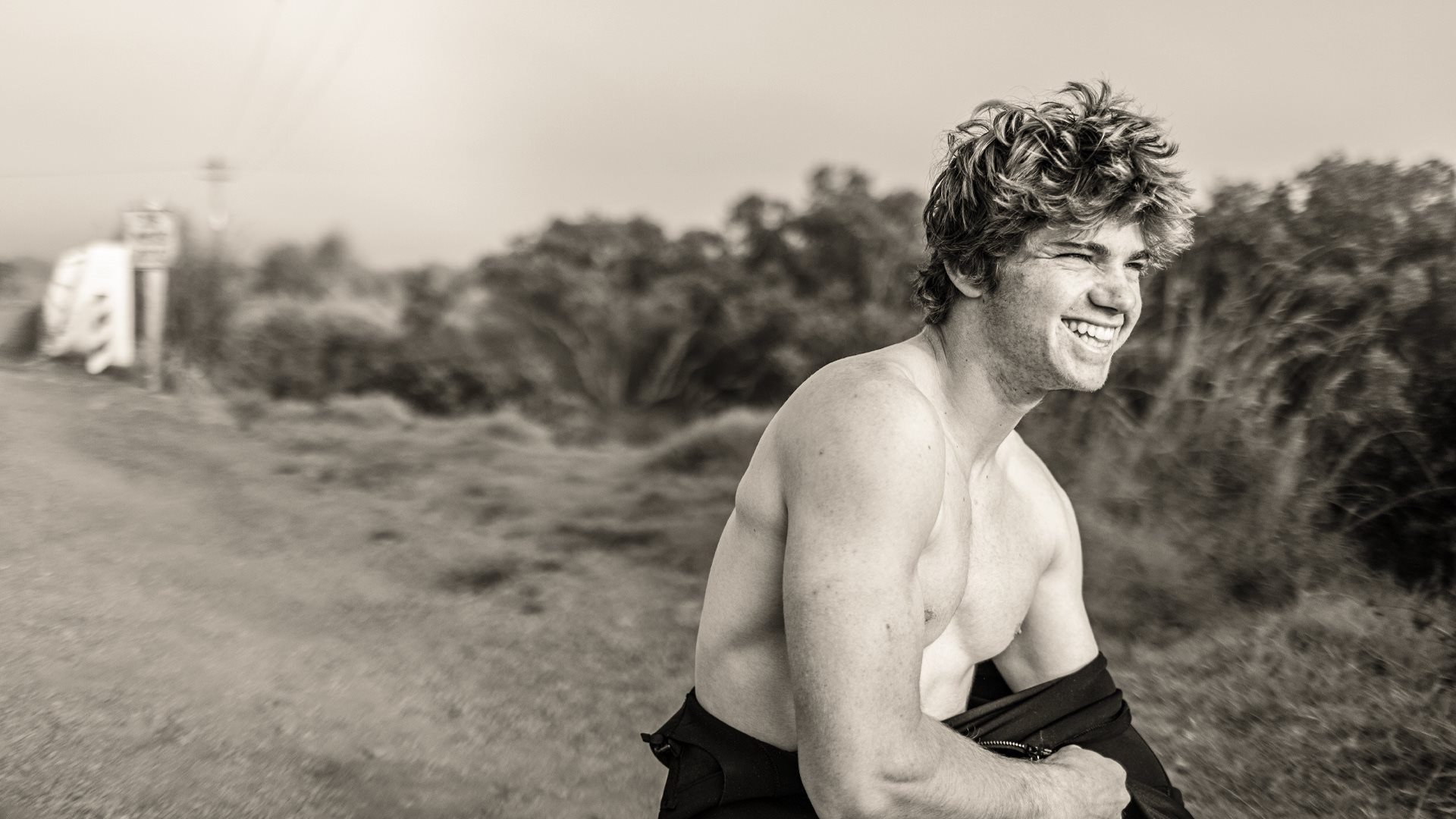
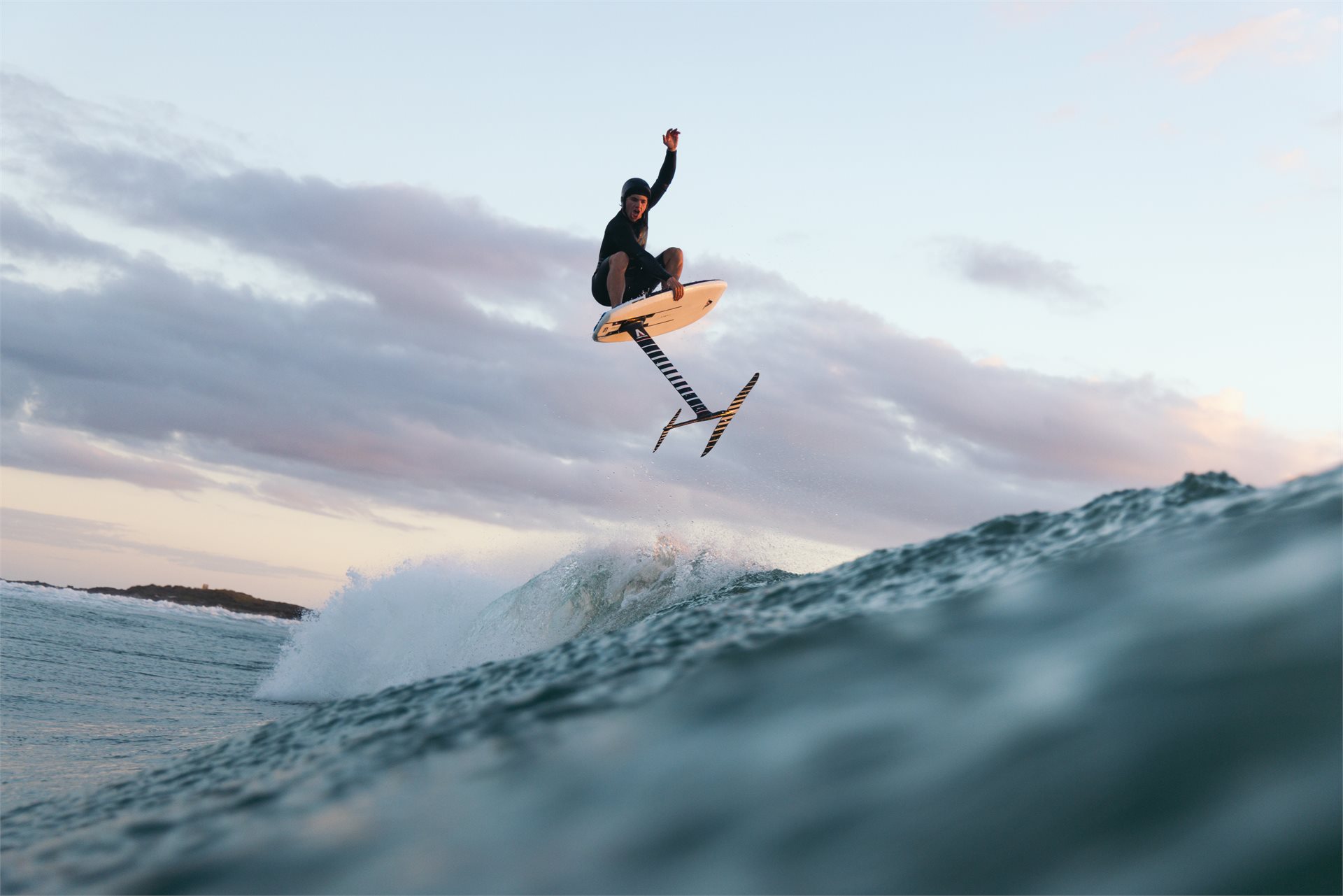
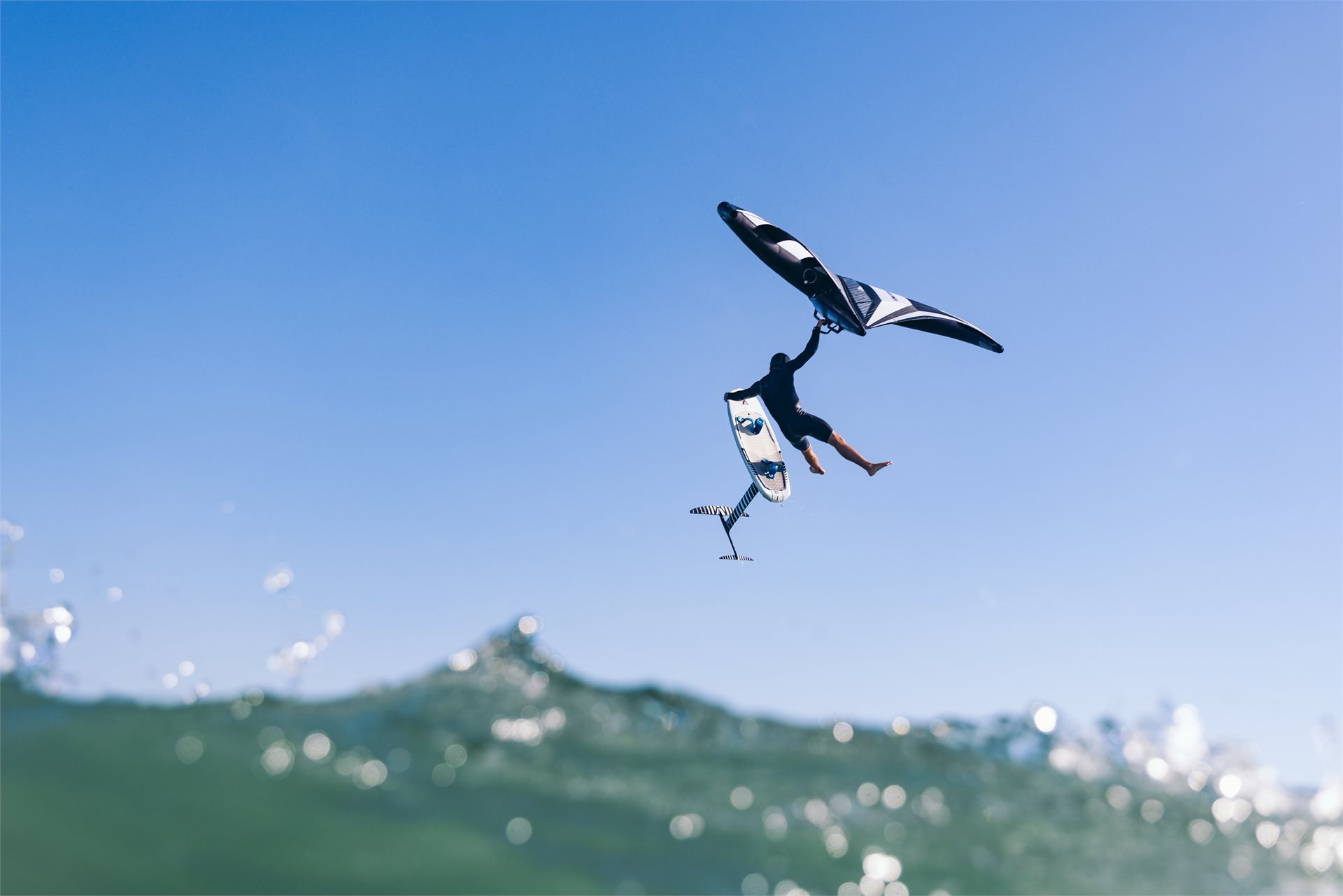
Cash Berzolla is one of those riders who makes wing foiling look like an entirely different sport. Whether he is carving through waves on Maui, launching into huge airs, foiling Jaws, crossing Hawaiian channels or appearing in beautifully produced films from some far-flung corner of the world, there is a style to his riding that has helped him reach well beyond the traditional foil audience.
Perhaps the most interesting thing about that is that Cash never really wanted to become a foiler in the first place.
Growing up on Maui, he was a surfer first and foremost, and when wing foiling appeared during COVID, he approached it with much of the scepticism that still exists within parts of the surfing world. There was too much equipment, too much messing around, and compared with grabbing a surfboard and heading to the beach, the whole thing seemed unnecessarily complicated.
Fast forward a few years and Cash has become one of the most recognisable riders in modern foiling, travelling the world with Armstrong, producing films that have broken out beyond the foil bubble, competing in downwind races and pushing wing foiling into increasingly serious waves. In the latest episode of The Foil Pod, Rou Chater caught up with him to talk about that journey, the changing relationship between surfing and foiling, life as a professional rider, Armstrong, big waves, downwind adventures and why, underneath everything else, having fun remains the most important part of it all.
A Surfer Who Didn’t Want To Foil
Cash was born and raised on Maui to parents originally from New York, something he readily acknowledges could have resulted in a very different life. Instead, he grew up surrounded by one of the greatest collections of ocean sports on the planet.
His childhood involved plenty of skateboarding and scootering before increasingly gravitating towards the water. Skimboarding, bodyboarding and eventually surfing became a huge part of his life, helped by parents who encouraged him to get outside whenever possible. Surfing remains central to how he sees himself today.
“Not in a million years would I see all these professional surfers get on a foil and be psyched on it.”
“I’m a surfer at heart. I still love to surf more than anything out there,” he explains. The problem with Maui, at least from a surfer’s perspective, is that it is also extremely windy. “If you don’t have a wind sport in your back pocket, which is now my front pocket, what are you doing if you’re on Maui?”
His introduction to wing foiling came during COVID through the Franco family and his friend Marley. With very little else happening on Maui at the time, Cash found himself walking up and down the beach learning the basics, getting blown downwind, occasionally getting onto foil and generally enduring the familiar chaos of those first sessions.
He enjoyed learning alongside Marley, but that didn’t mean he wanted to commit to the sport. In fact, he actively resisted buying equipment until his mum effectively intervened.
“You pick up a foil and you’re like, what have I been doing this whole time?”
“I didn’t want this. I’m not going to go down that route. I’m not going to get hooked.”
She found him a relatively inexpensive setup comprising an old GoFoil, a Foster board and a wing that Cash still has in the garage. Initially, his fears seemed justified. He hated dealing with all the equipment, assembling the foil and pumping the wing when he was accustomed to arriving at the beach with little more than a surfboard.
Then something changed.
His mum kept encouraging him to go, Cash kept riding, and before long he was hooked.
When Surfers Discover Foiling
That initial resistance gives Cash an interesting perspective on the changing relationship between surfing and foiling. He understands exactly why surfers look at foiling from the outside and struggle to see the attraction, because he did precisely the same thing.
“Not in a million years would I see all these professional surfers get on a foil and be psyched on it,” he says.
“It just opens up a whole different realm to the ocean to go explore and have fun.”
From the outside, there are plenty of excuses. Foiling can look strange, the equipment is cumbersome compared with surfing, there are legitimate safety considerations and, particularly in the early days, it wasn’t always easy to make it look stylish.
Cash believes that is changing as the standard of riding progresses. There are now riders capable of making foiling look genuinely surf-inspired, and that is beginning to catch the attention of surfers who might previously have dismissed it.
The real breakthrough, however, often comes when the waves disappear.
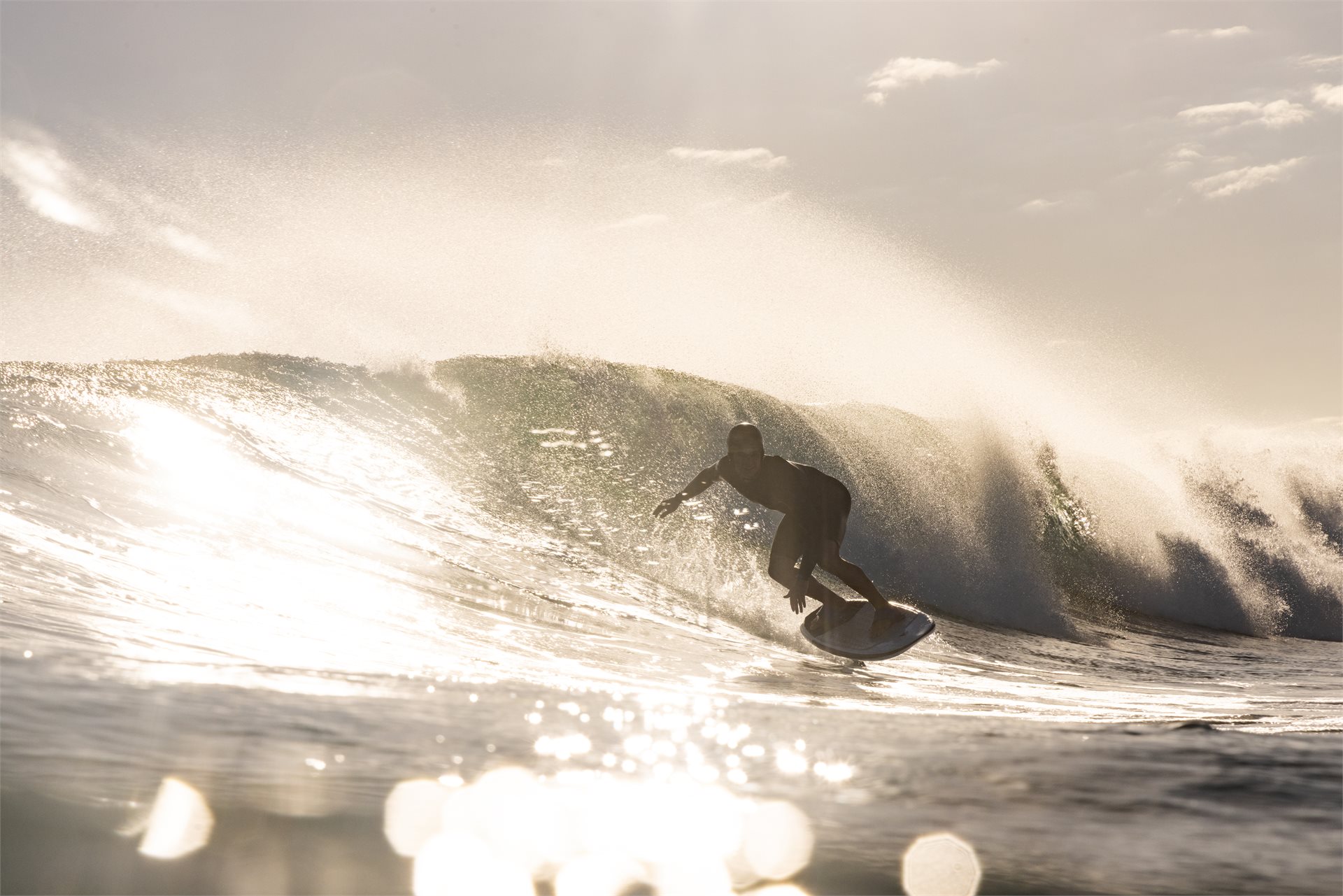
“For me, it’s just whatever gets you in the water.”
“You make up excuses, right? Like, it’s dangerous, it’s goofy, it’s a lot of gear, it’s heavy, whatever you’ve got to do. And then you’re on a surf trip or you’re sitting at home and it’s flat, or it’s windy, or the conditions just suck. And you pick up a foil and you’re like, what have I been doing this whole time?”
For Cash, that is the fundamental appeal. Foiling isn’t about replacing surfing. It simply opens another door into the ocean.
That attitude is increasingly visible among some of surfing’s biggest names. Cash points to surfers such as the Florence brothers, who have embraced foiling alongside surfing rather than viewing the two as competing disciplines. Nathan Florence’s involvement in downwind racing is a particularly interesting example of just how far that crossover can go.
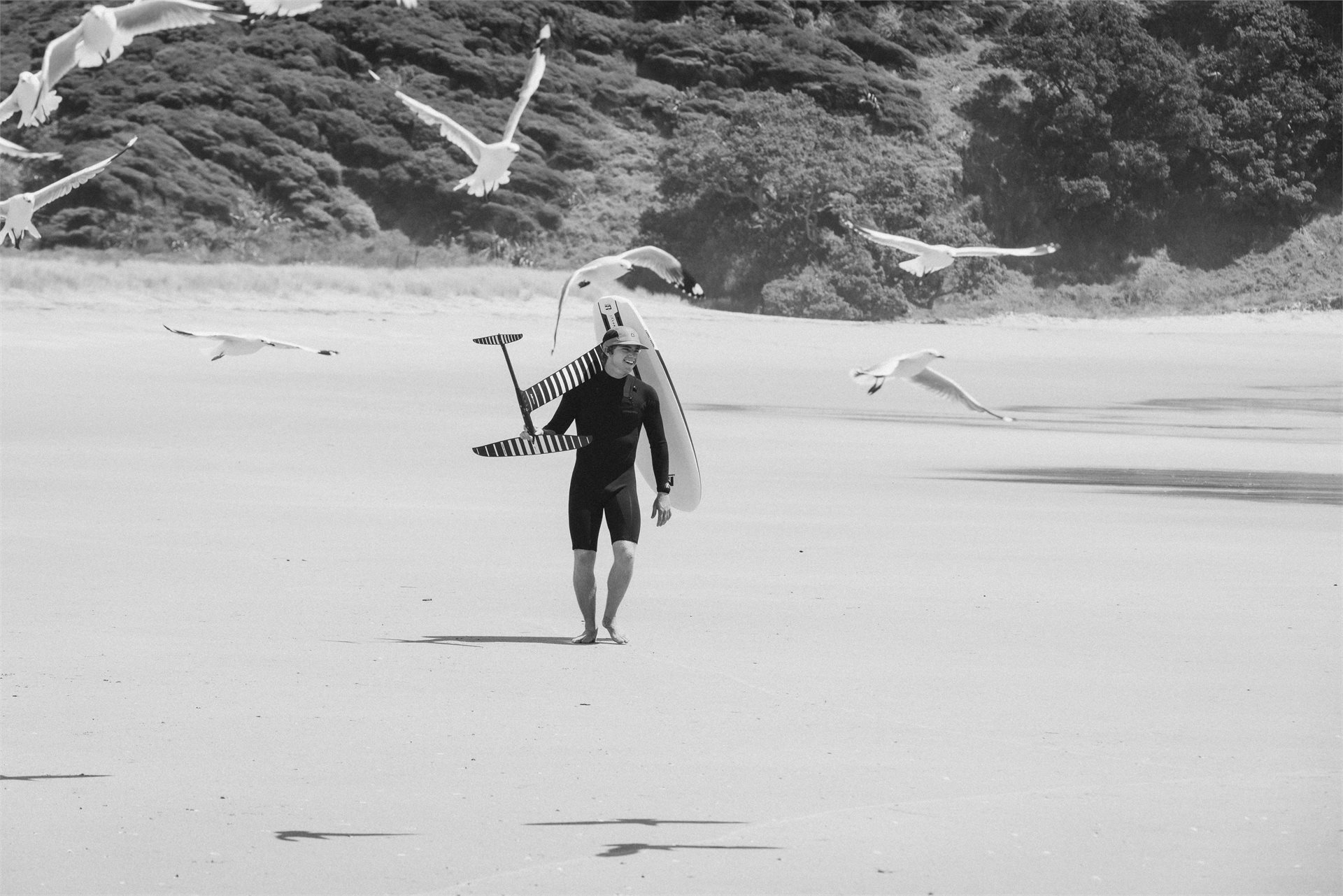
“Everyone was stoked to be in the moment and be where they are.”
Even downwind foiling, which Cash jokes might be one of the least spectator-friendly forms of the sport, becomes utterly absorbing once you understand the details. Mast height, foil efficiency, speed, equipment and the endless search for tiny gains can quickly become an obsession.
Other surfers are beginning to experiment too, sometimes more quietly. For Cash, watching surf culture gradually open itself to foiling is one of the most interesting developments happening in the sport.
His own role in that crossover became particularly apparent when The Inertia featured his Sessions film. Having grown up consuming surf media, seeing his wing foiling featured on a platform predominantly associated with surfing represented something bigger than another piece of exposure.
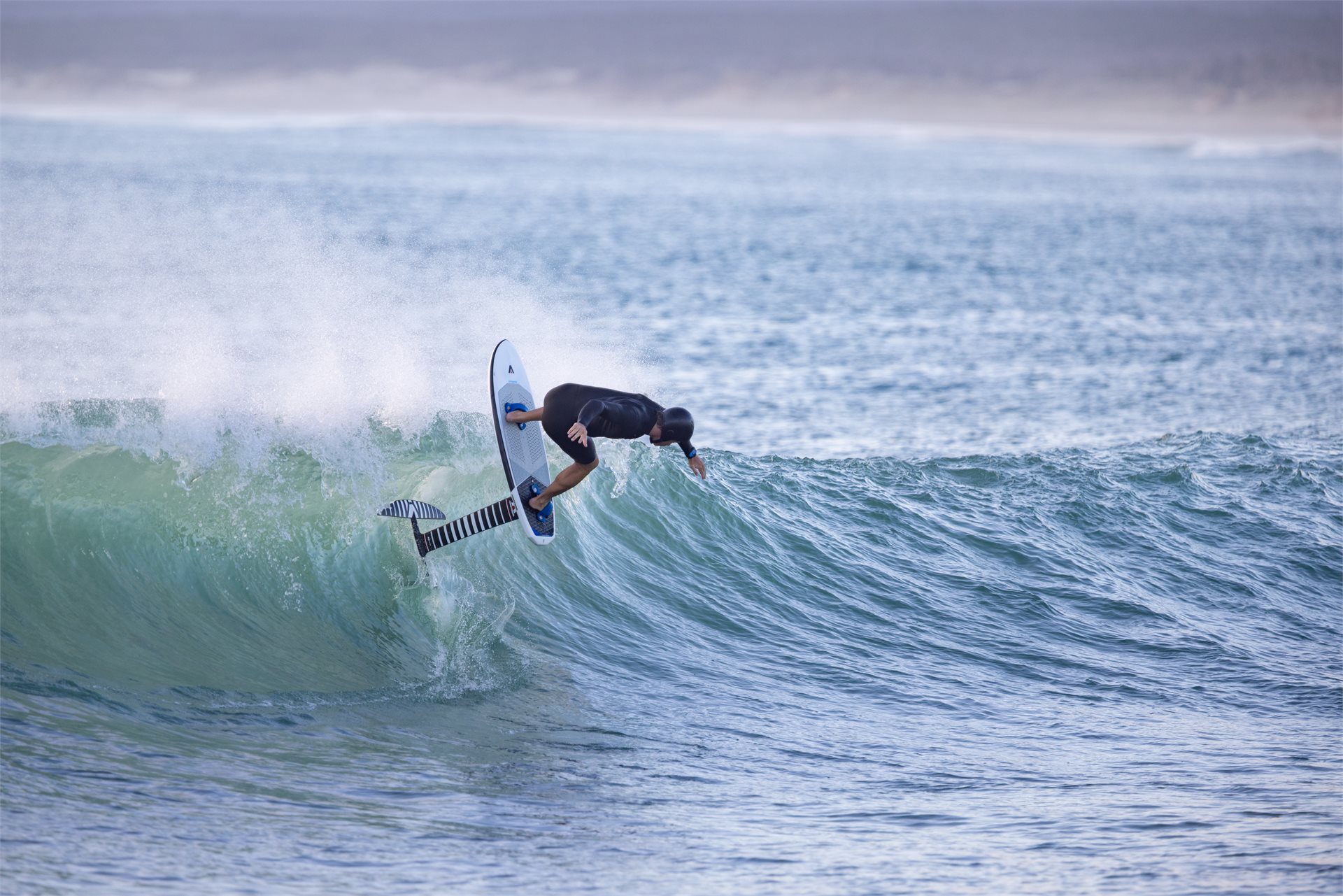
“I’m a pretty bad tester, to be honest with you. I love everything. If it floats, I’m like, yeah, this one’s good.”
“Never in a million years would I have pictured a foiling video to be on their page, let alone me being in it.”
Finding A Career In Foiling
Cash is characteristically reluctant to pinpoint the moment he realised he had become particularly good at wing foiling. Asked when he knew he might have the ability to turn it into a career, he immediately jokes that crashing remains his speciality.
The more significant moment came when Armstrong backed him on a trip to Hood River for AWSI.
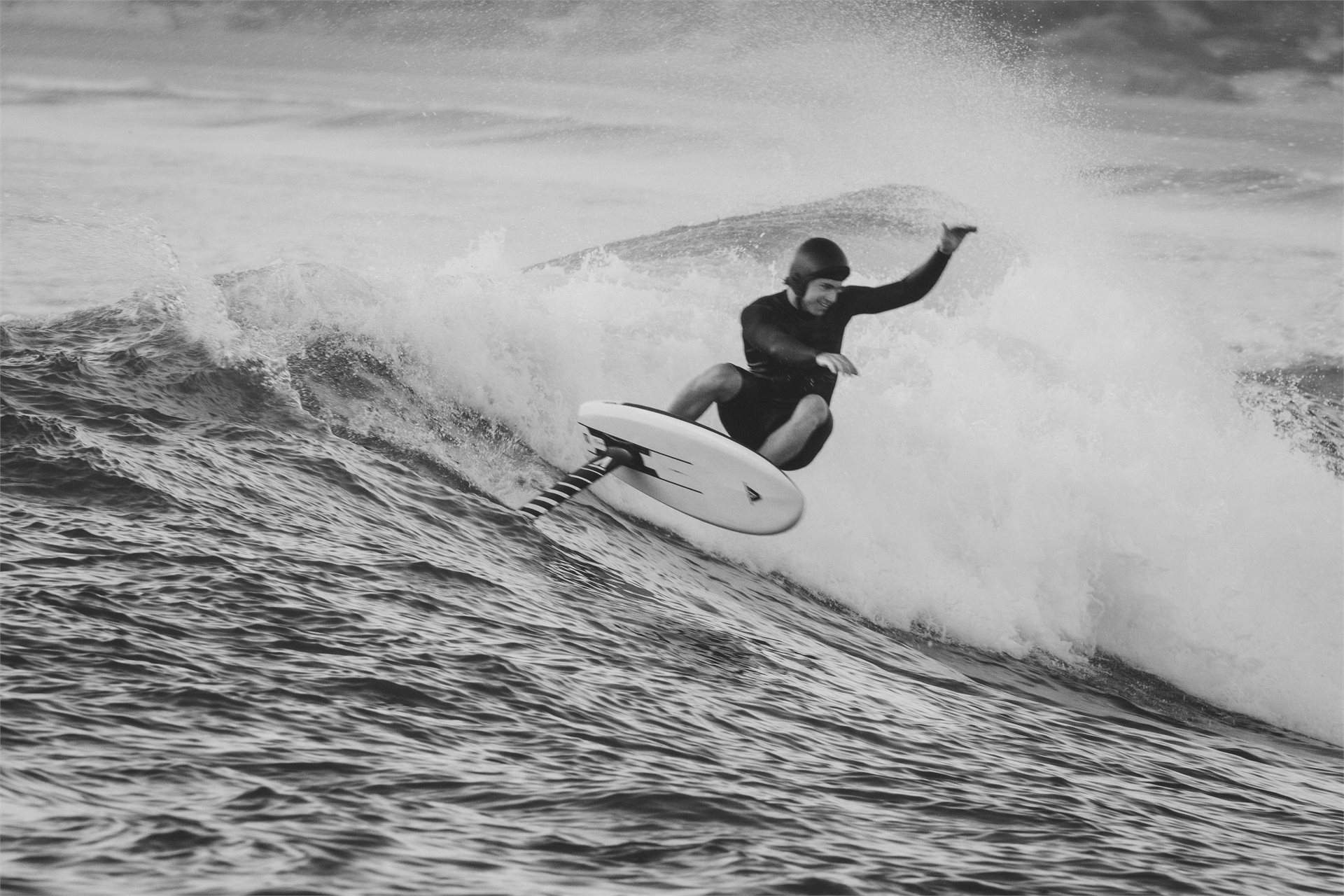
“When it comes to big waves, I’m very careful. Taking it step by step and not rushing into things is something that I try to focus on a lot.”
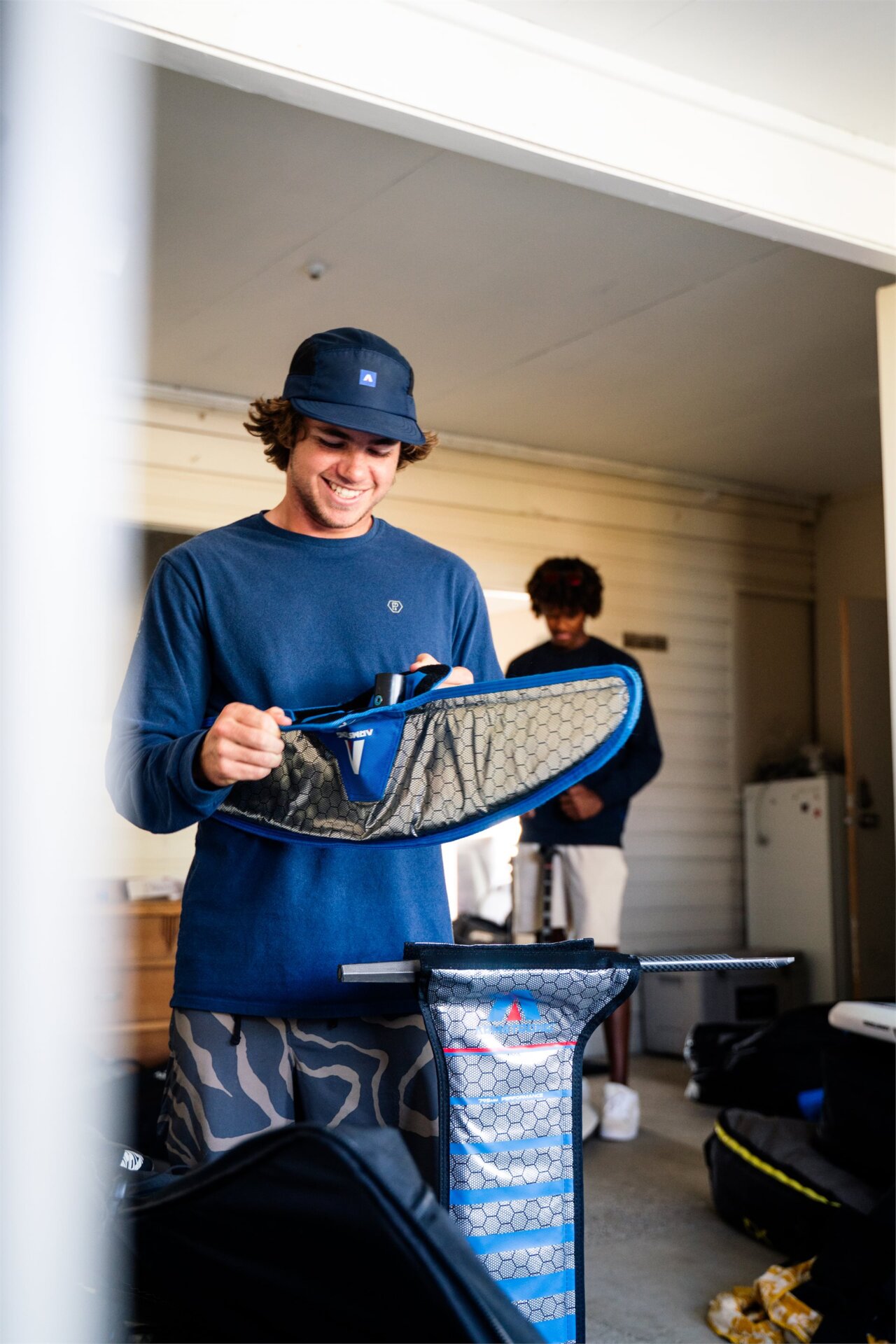
Cash had experienced some support from surfing brands when he was younger, but this felt different. Armstrong supplied equipment, brought him into the team and invited him to Hood River to represent the brand. More than the equipment or the trip itself, it was the people surrounding the sport that made an impression.
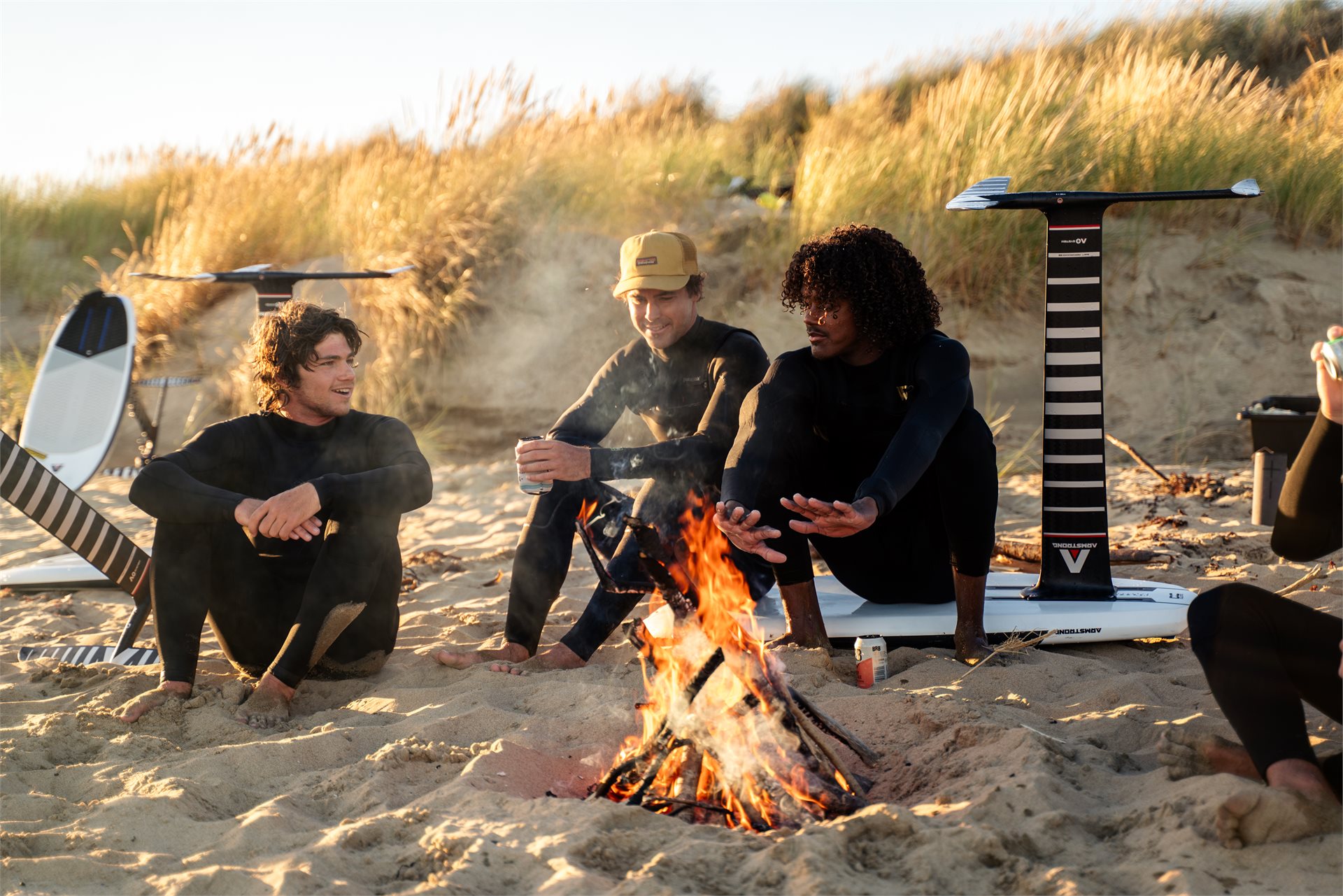
He discovered a community seemingly permanently excited about being on the water. Instead of waiting for the perfect swell or complaining about mediocre surf, everyone simply wanted to ride.
“Everyone was stoked to be in the moment and be where they are.”
“Whatever makes you happy. Chase that happiness for as long as you can and get wet.”
For a young athlete considering where his future might lie, it was transformative. Foiling wasn’t simply giving Cash more time on the water; it was offering him a community, opportunities to travel and the beginnings of a professional career.
Today, Armstrong remains a huge part of his life. Cash talks enthusiastically about the wider team, from the athletes through to the people manufacturing the equipment in China and, of course, Armie Armstrong himself, whom he affectionately describes as a “mad scientist”.
Cash does get involved with testing, although he freely admits that product development might not be his strongest skill.
“I’m a pretty bad tester, to be honest with you. I love everything. If it floats, I’m like, yeah, this one’s good.”
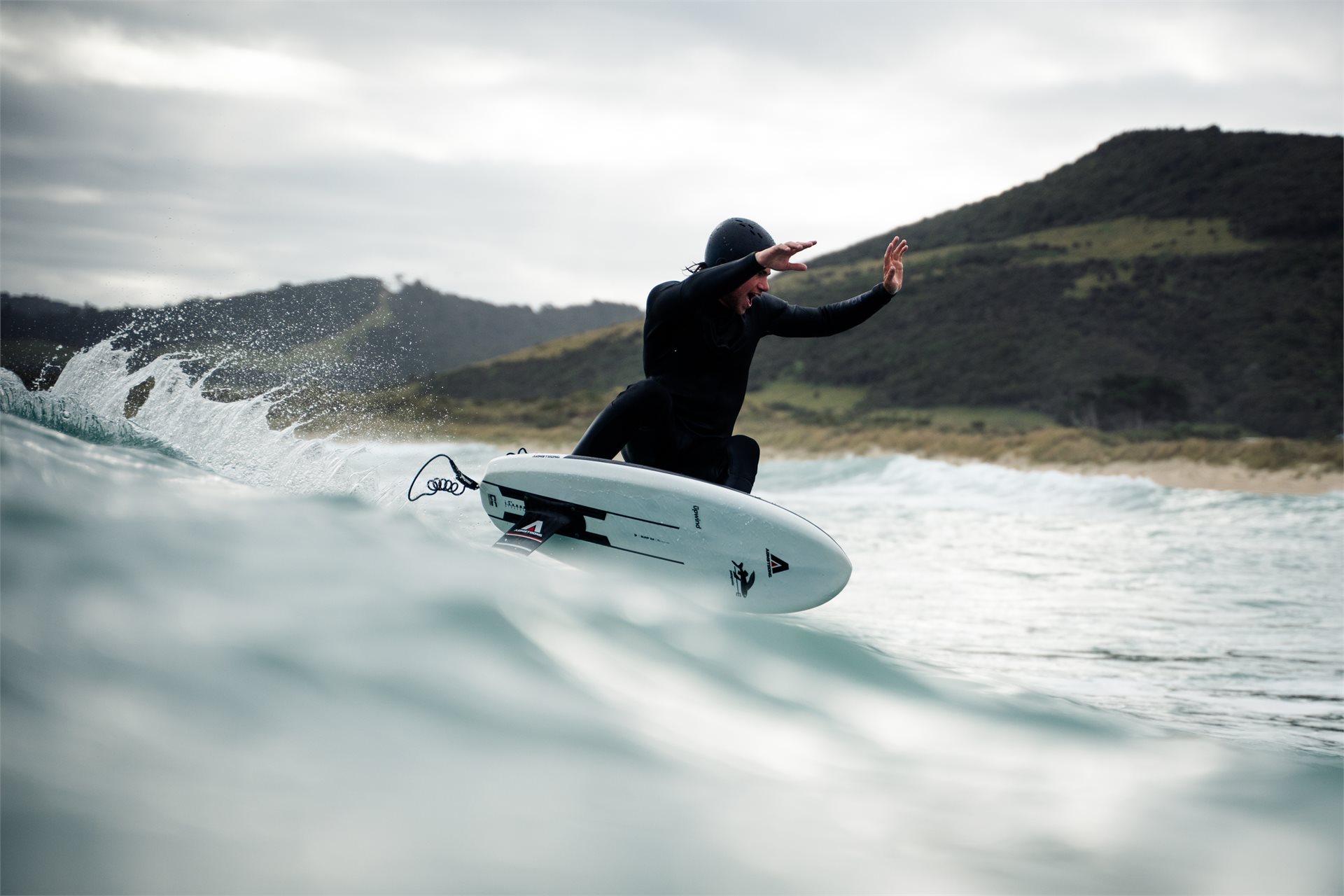
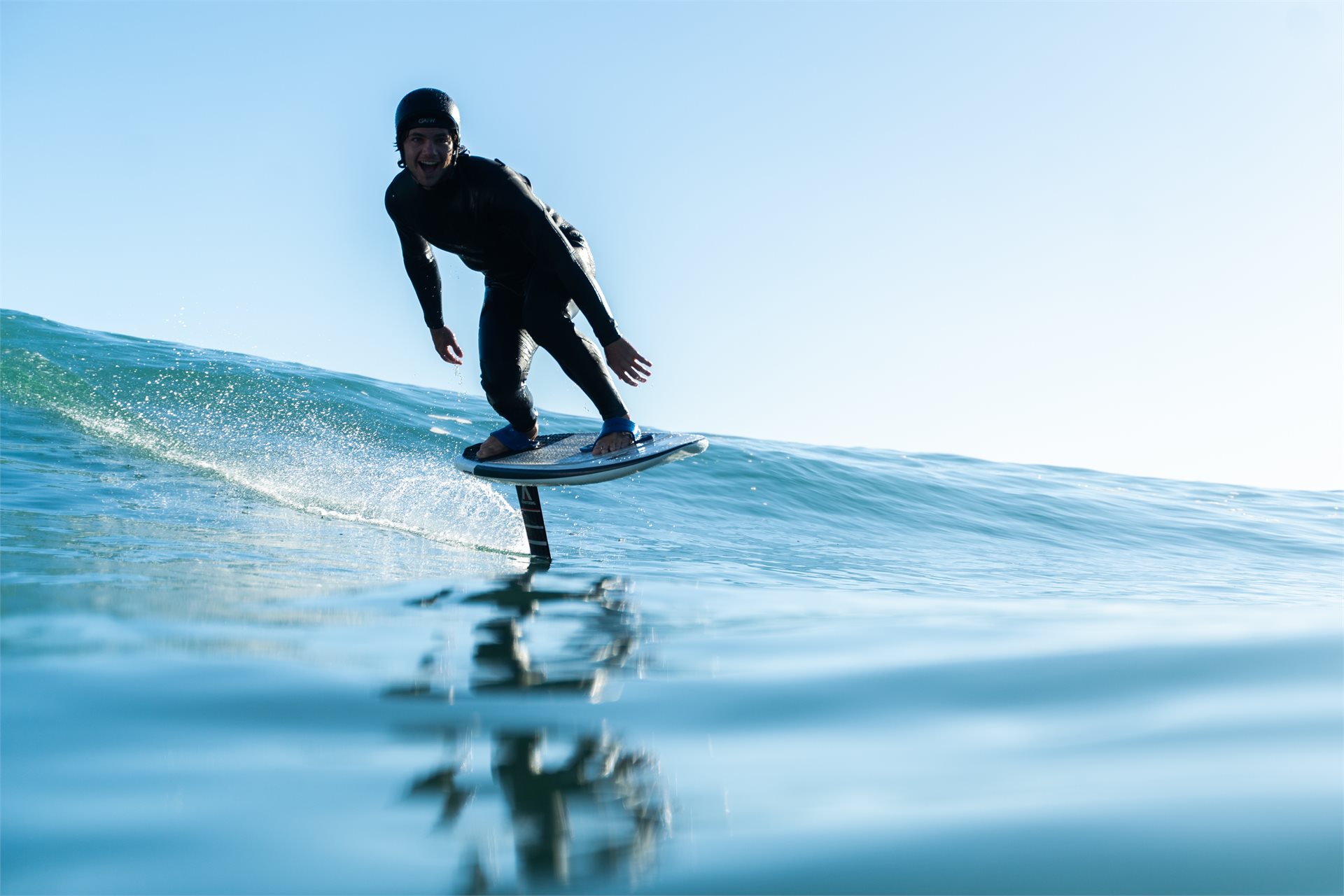
His riding preferences are rather more precise. The 795 mast has become his standard across much of his foiling, partly because Maui’s shallow reefs make longer masts an expensive proposition. He favours the MA 690 as an extremely versatile front wing for prone, downwind and wing sessions, moving towards the 590 when conditions become bigger or windier. For racing, the equipment becomes considerably more specialised, with prototype foils and Armstrong’s Performance X mast coming into play.
Making Foiling Look Good
Cash’s influence hasn’t only come through his riding. Films such as Cash South Africa and his Here For It series have helped present foiling in a way that can appeal to people outside the sport.
He is quick to share the credit. The South African project was largely driven by Armstrong and cinematographer Slater Neborsky, while the Here For It series saw Cash working with Dane Wilson on trips including Portugal and Ireland.
Ireland proved particularly memorable. Foiling Mullaghmore took Cash far beyond the warm water and familiar environment of Maui, exactly the sort of experience he was looking for.
For Cash, working with talented filmmakers is essential. Spectacular riding alone isn’t necessarily enough. If the camera angles, storytelling and production don’t capture what is happening properly, much of the impact disappears.
That approach has helped his films travel beyond the relatively small world of dedicated foilers. It also matters for wing foiling more broadly. To someone unfamiliar with the sport, seeing Cash riding waves at full speed, carving hard and throwing huge airs presents a very different image from the awkward first attempts many people associate with learning to foil.
It gives them a glimpse of what the sport can eventually become.
Respecting Big Water
For all the spectacular footage, Cash’s approach to serious conditions is considerably more calculated than his riding might suggest.
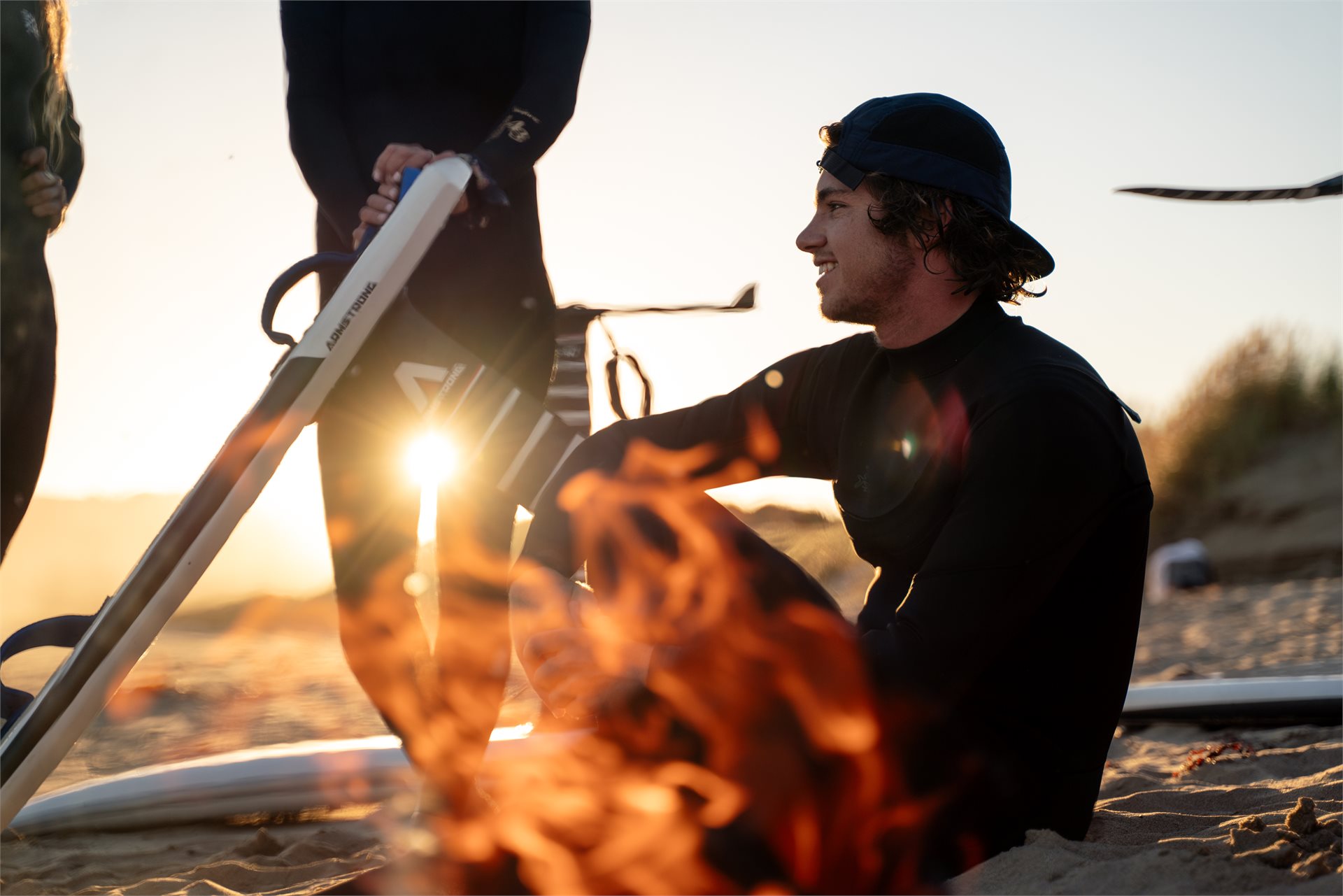
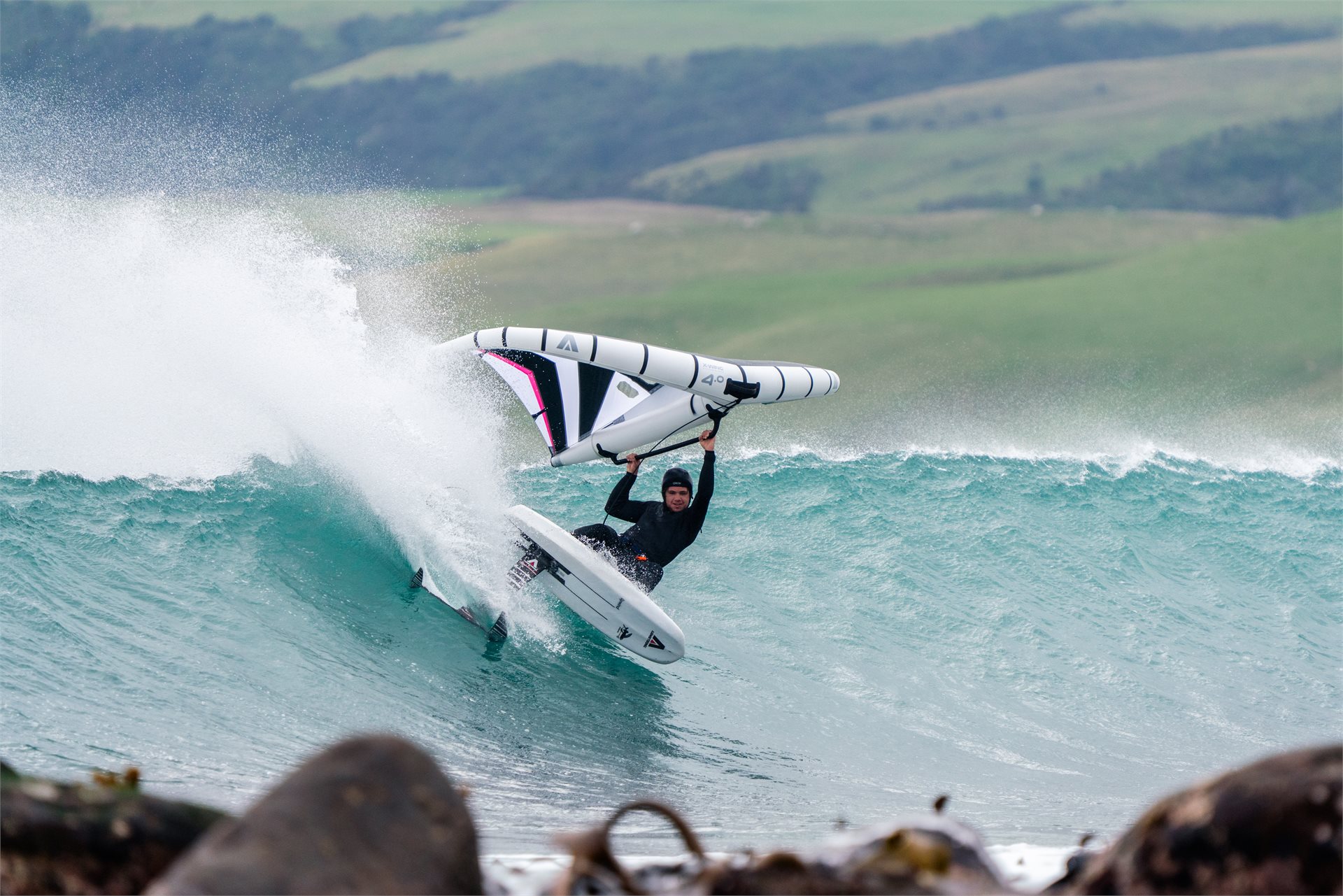
He has foiled Jaws and tackled some extremely challenging ocean conditions, but says knowing when to hold back is an important part of staying in the sport for the long term. Big waves demand preparation, safety support and an understanding of what happens when everything goes wrong.
“When it comes to big waves, I’m very careful. Taking it step by step and not rushing into things is something that I try to focus on a lot.”
One wipeout remains particularly visible thanks to social media: his pink helmet disappearing over the falls at Jaws during one of his first foil sessions there. Looking back at some of those early missions, Cash admits there are decisions he might question today, but preparation for the worst-case scenario has become increasingly important.
He also recommends the BWRAG big-wave safety courses that regularly visit Hawaii, covering everything from CPR and first aid to breath holding and ocean rescue skills.
Sometimes the danger isn’t a giant wave.
During one ambitious downwind mission, Cash and a group attempted to foil from Maui to Oahu in a single day. After crossing to Molokai and continuing towards Oahu, Cash became separated from Annie Reickert in the Kaiwi Channel. With a board too small to easily restart in the large open-ocean swell, he spent around 20 minutes struggling to get back onto foil in the middle of the channel.
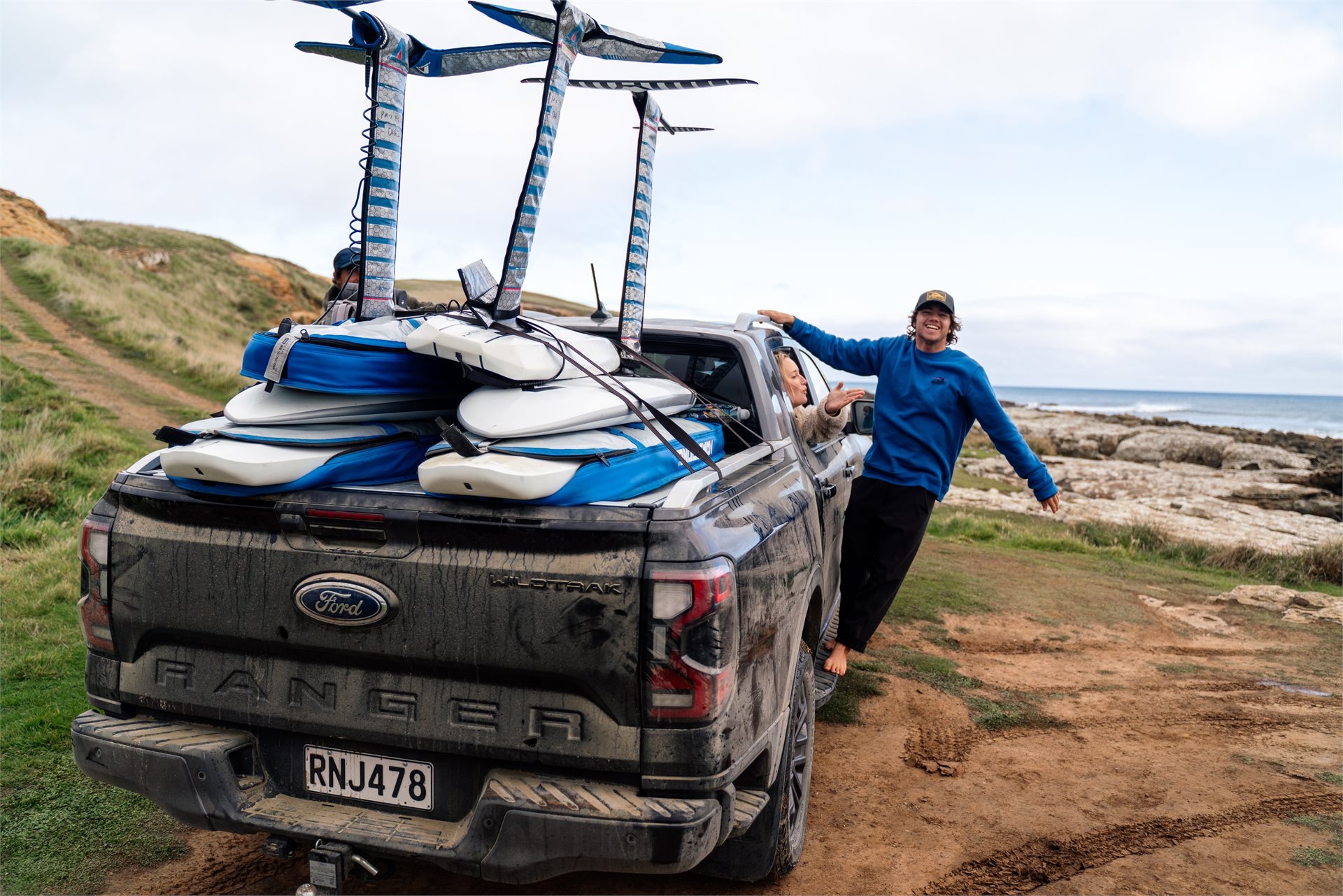
The group had radios, EPIRBs, tourniquets and other safety equipment, but the experience was a reminder of how quickly an ocean crossing can become serious. Cash accepts responsibility for the separation, joking that Annie won the subsequent argument “squarely”, but the lesson clearly stuck.
It’s an interesting counterpoint to the spectacular images that define his public persona. Behind the huge airs, big waves and ambitious crossings is a rider increasingly conscious of managing risk rather than blindly chasing it.
Home Is Still Maui
Foiling has taken Cash around the world. Cape Verde stands out for its combination of waves and culture, despite being an epic journey from Hawaii, while Ireland remains one of his favourite trips.
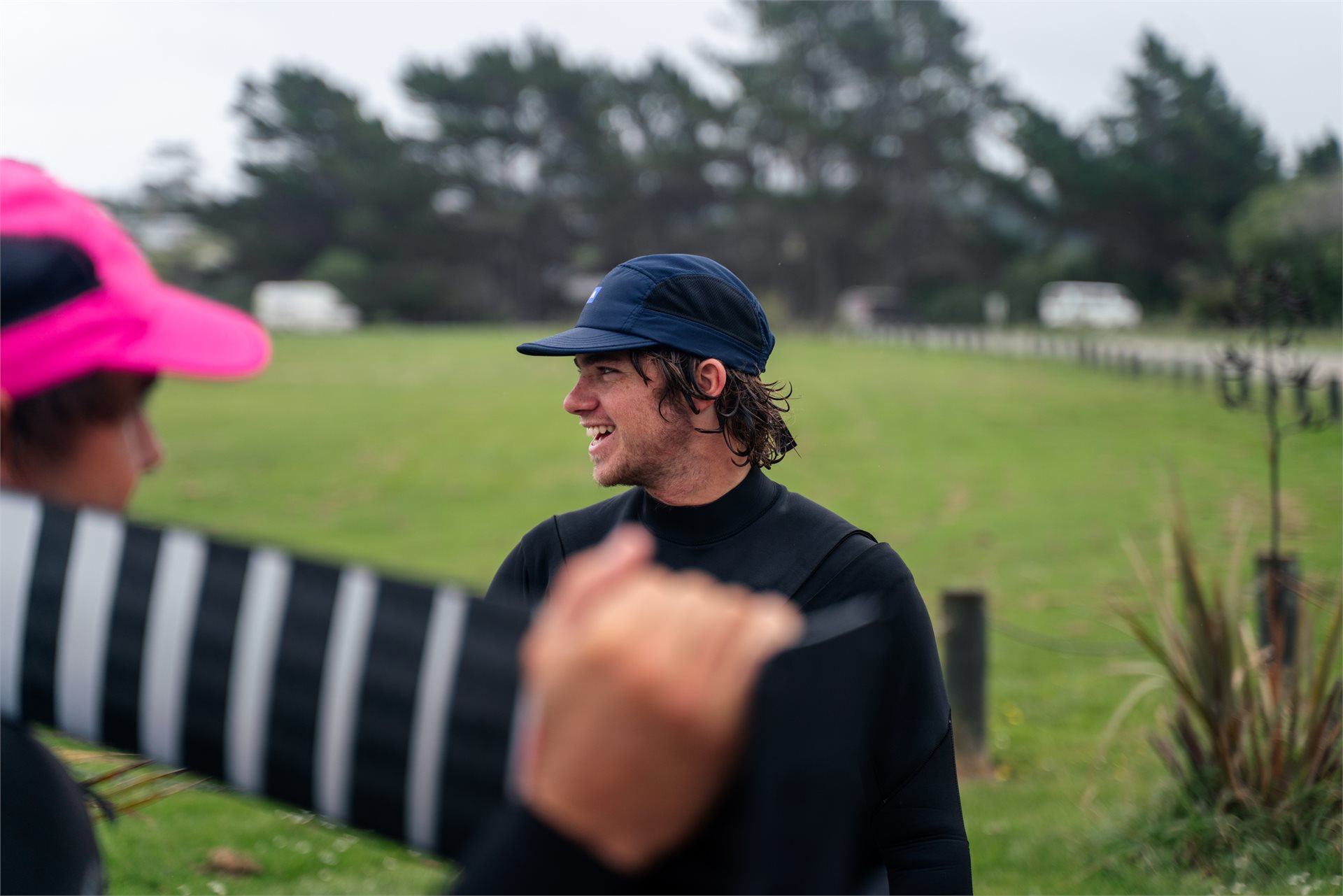
Yet travelling has ultimately reinforced how fortunate he was to grow up where he did.
“I was so frothed out to see all these new places and find a place that’s better than Maui. And when I came back home, it’s like the weirdest thing. You can’t really beat it.”
For an athlete whose life revolves around water, Maui provides an extraordinary playground. Surfing remains his first love, but wind, waves and the variety of conditions available mean there is almost always another way to get wet.
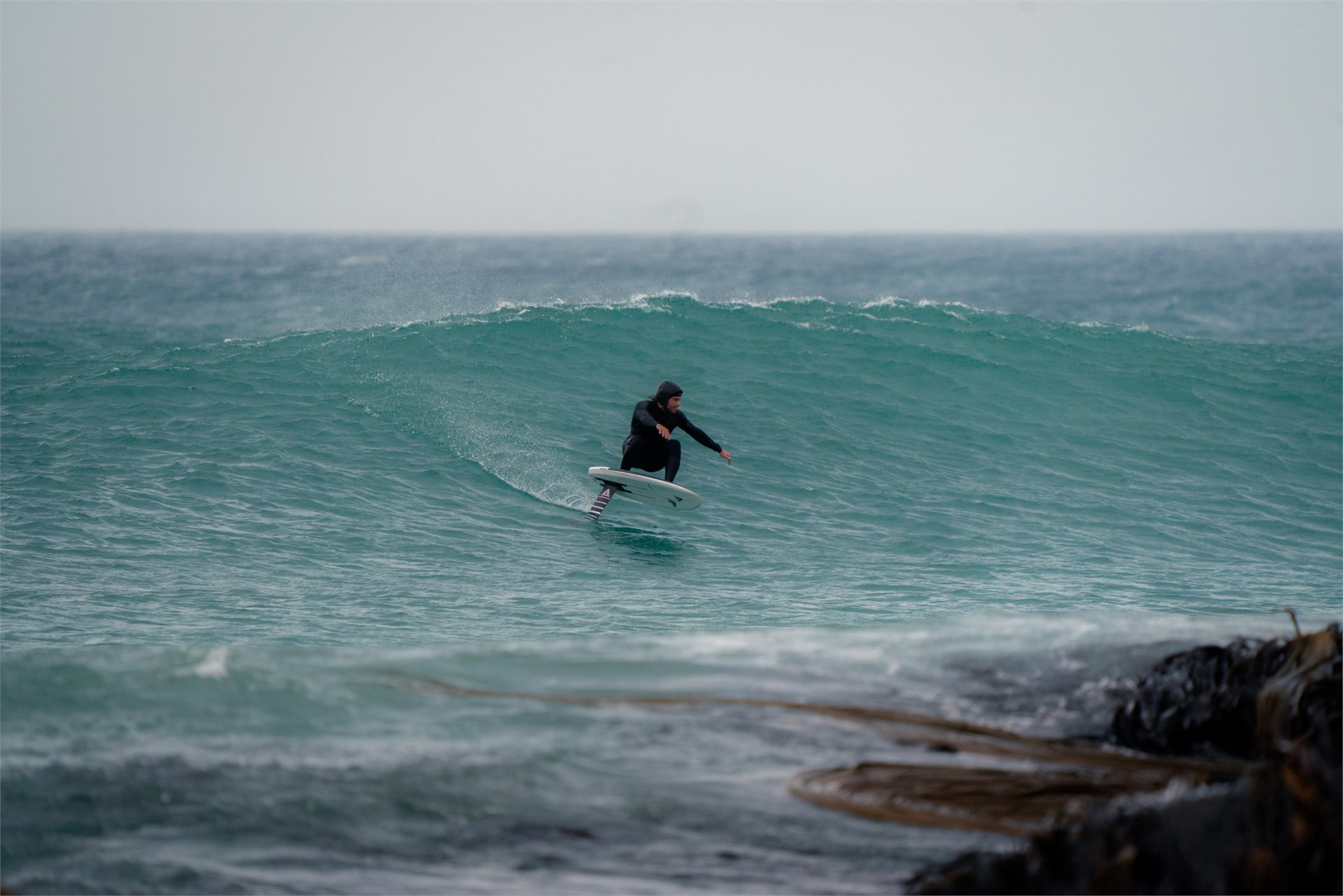
Perhaps that is the thread running through Cash’s entire story. He didn’t abandon surfing to become a wing foiler. He simply discovered that the ocean was much bigger than the narrow definition of surfing he had grown up with.
It is also the advice he gives to younger riders who might look at his career and want to follow the same path. There is no complicated formula involving sponsorship, social media numbers or competition results.
“Have fun. If you’re not having fun, do something else. Do something that’s going to make you happy.”
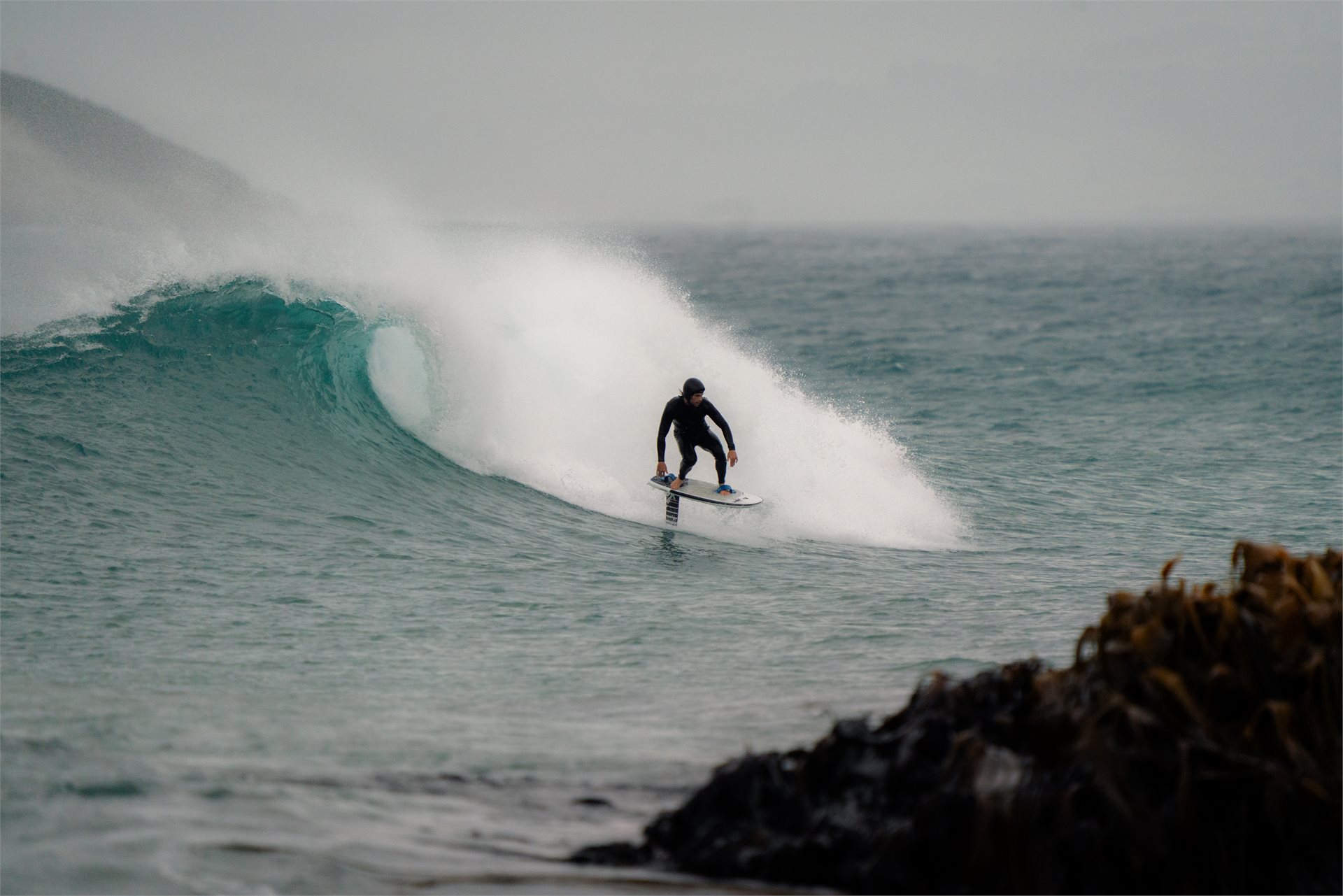
For one of the most progressive riders in modern foiling, the philosophy remains remarkably simple.
“Whatever gets you wet. It doesn’t matter what it is, if it’s foiling, if it’s surfing, if it’s swimming, if it’s canoe paddling. Just whatever makes you happy. Chase that happiness for as long as you can and get wet.”
Perhaps that also explains why foiling is gradually winning over some of the surfers who once dismissed it. Eventually the wind blows, the waves disappear, someone hands you a foil and the question stops being whether it looks cool.
It becomes a question of why you didn’t try it sooner.