
Features
From E-Foils to Foil Assist: Thomas Radiguet on the Electric Future of Foiling
Electric foiling is changing quickly. What began with large boards, heavy batteries and complete e-foil systems has evolved into something considerably lighter, more versatile and, perhaps most importantly, far more relevant to existing foilers. Foil assist is no longer a curious addition hanging off the back of a foil. It is becoming a genuine category of its own, and one that could have a significant influence on where foiling goes next.
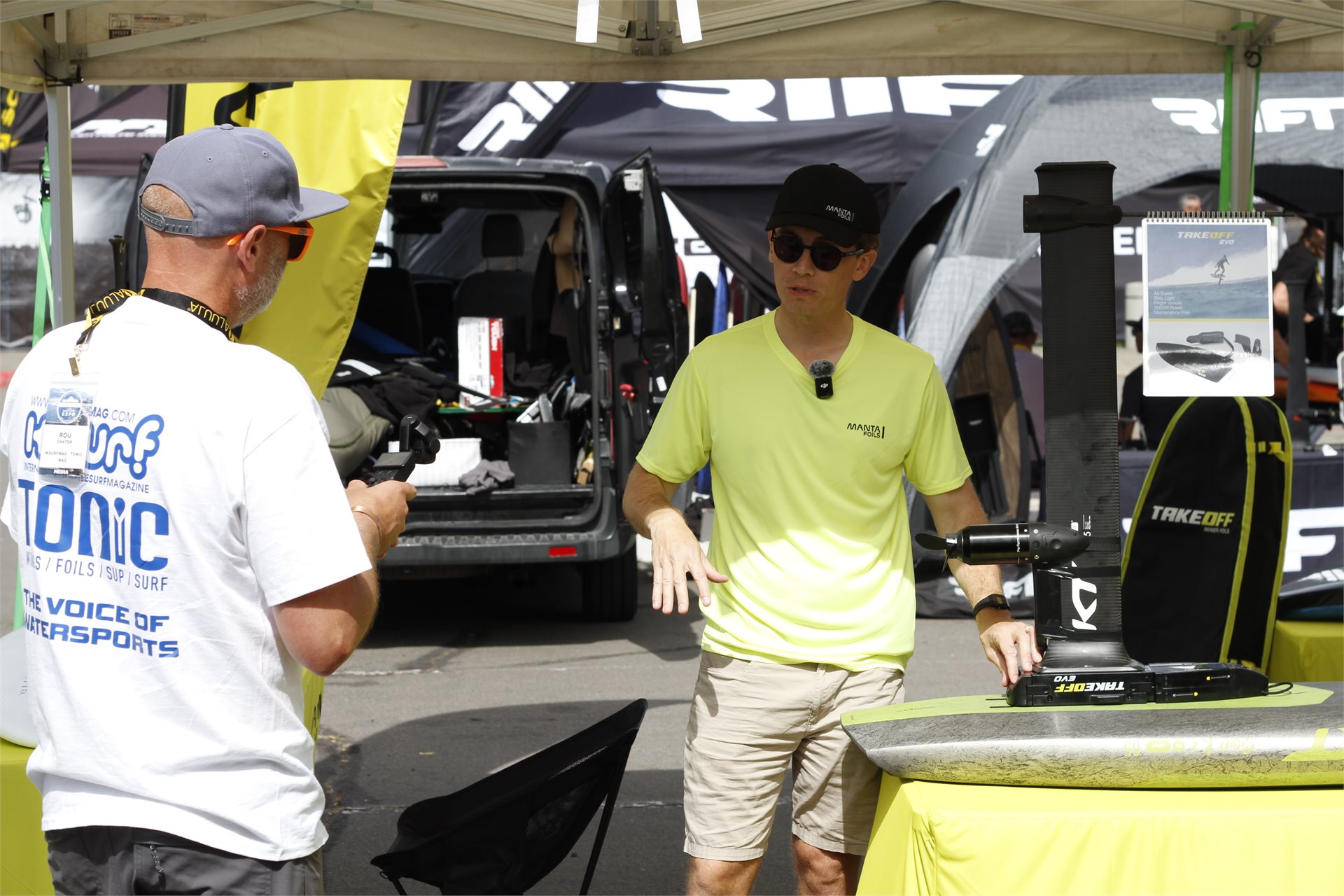
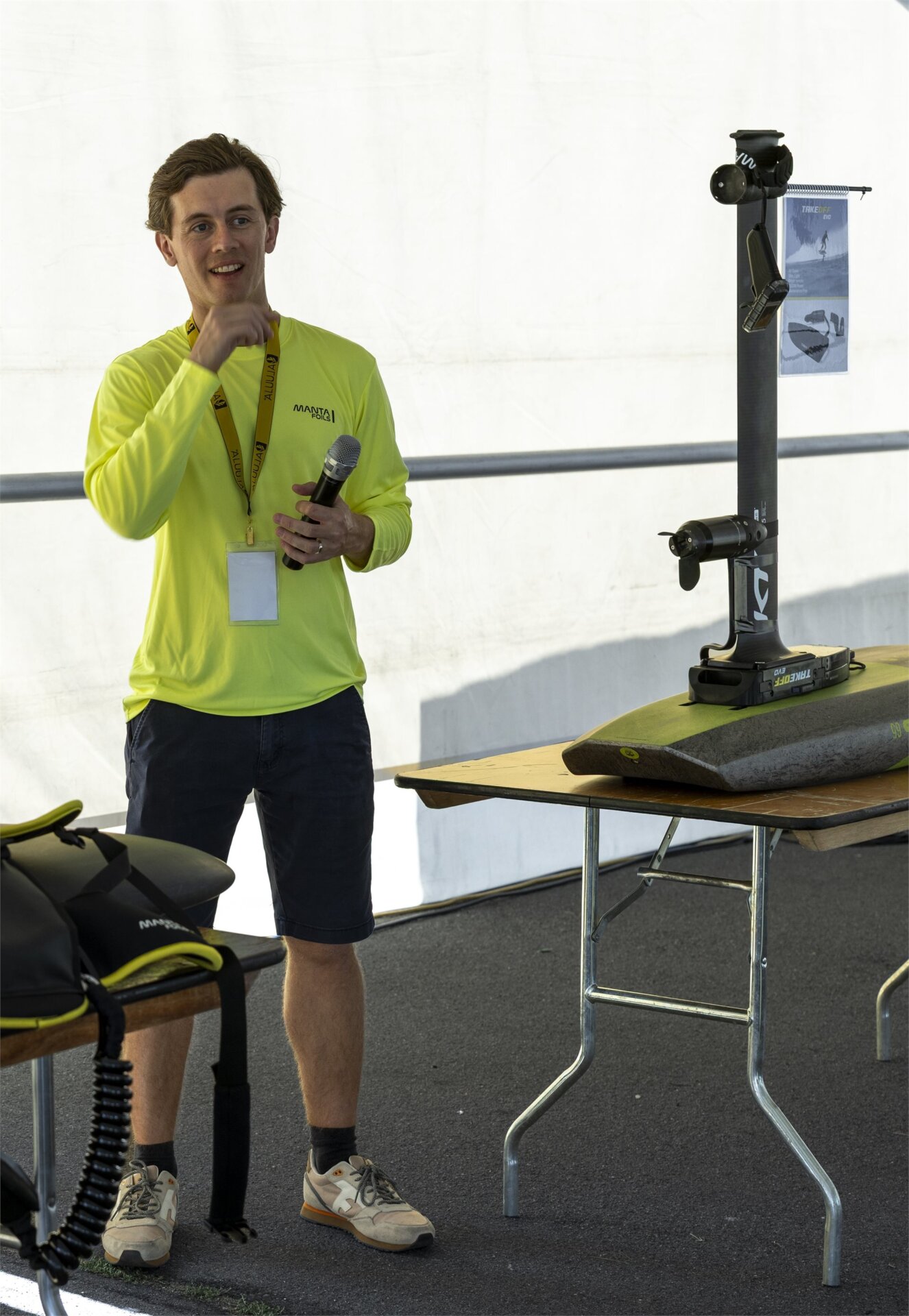
At AWSI this year, we caught up with Thomas Radiguet from Manta Foils. Based in Dubai, Thomas has been involved with electric foiling since its relatively early days and has subsequently become deeply involved in the development and growth of Manta. What makes his perspective particularly interesting, however, is that he is happy to look beyond his own brand. During our conversation, Foil Drive, Duotone, RIIFT, Axis, KT and a host of other manufacturers all enter the discussion as we explore where the market has come from, the considerable engineering challenges involved, and where it might be heading next. His prediction is fairly clear: e-foiling and foil assist, once two distinctly different markets, are beginning to converge.
From Wake Boats To Electric Foils
Thomas’ introduction to watersports came courtesy of his grandfather in Normandy, who attached a rope to his fishing boat, bought some waterskis and took a ten-year-old Thomas out behind it. Normandy’s weather limited how often he could get onto the water, but the seed had been planted. Later came freediving and diving during trips through Asia before work eventually took him to Dubai. With a hot climate and plenty of water, wakeboarding became an obvious pastime, followed by wakesurfing and eventually wake foiling. The problem was the cost of constantly hiring a boat, and Thomas started looking for another way to get his foil fix.
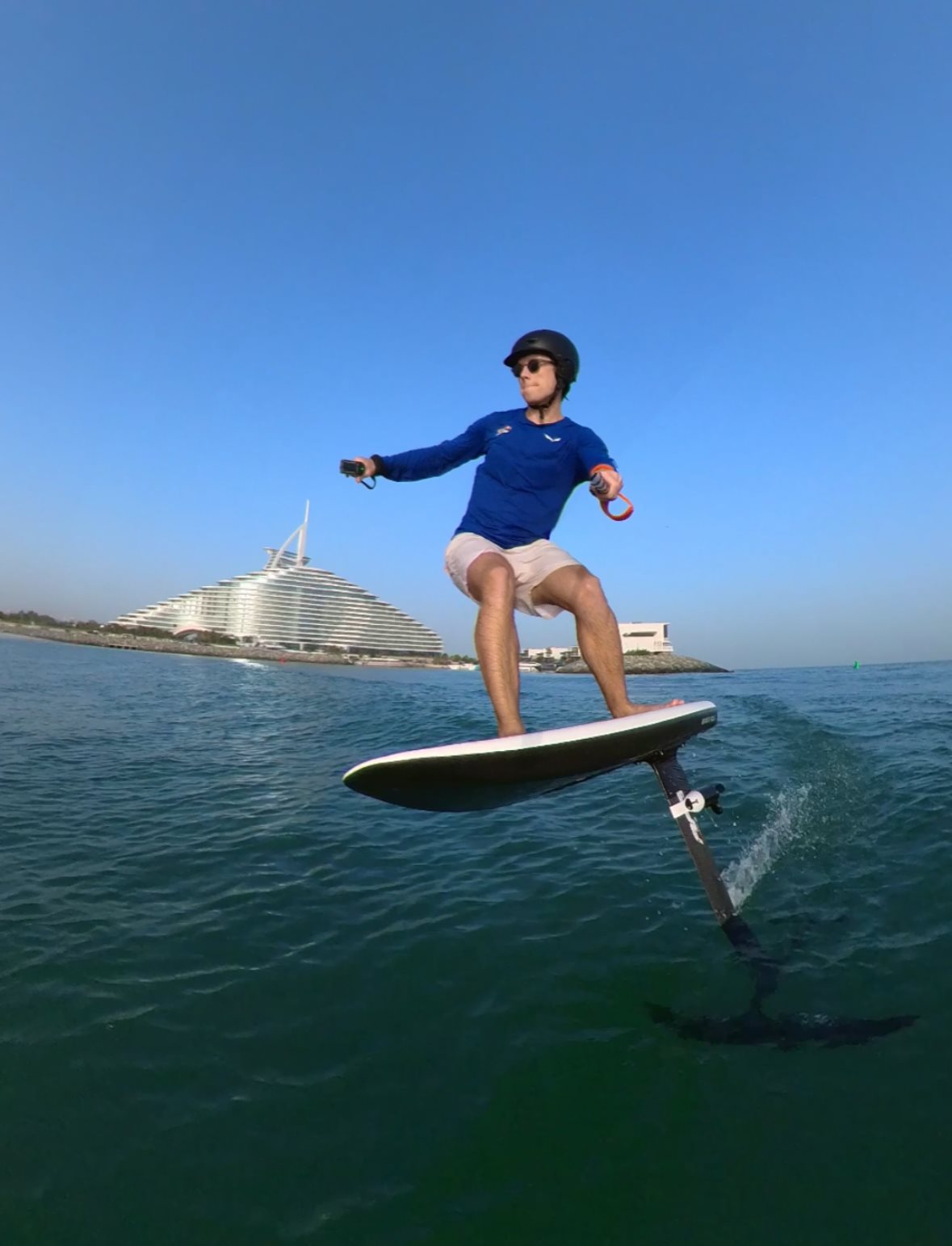
Then, on Valentine’s Day in 2021, his wife suggested they rent a pair of e-foils. They spent much of the first hour crashing, but Thomas was hooked and within months he had become a dealer, while simultaneously trying to learn to wing foil whenever Dubai’s somewhat inconvenient wind coincided with his free time. Eventually he met Manta founder Renaud Barbier, who was developing a new generation of e-foil. Thomas was interested, but he was already thinking beyond conventional e-foiling. He wanted something that could travel easily and, more importantly, allow him to surf foil in Dubai, where the waves often lacked enough energy for a conventional prone take-off.
That conversation eventually led Thomas to invest in Manta, become CEO and give Renaud the freedom to concentrate heavily on R&D. By the summer of 2023, much of that effort had shifted towards foil assist, driven by the idea that an electric system could become considerably smaller and lighter while still delivering enough power to unlock sessions that would otherwise be impossible.
The E-Foil Problem
There is nothing inherently wrong with the conventional e-foil. In fact, Thomas believes it remains one of the easiest ways of introducing someone to the sensation of flying above the water. Large foils, floaty boards and controllable power can make learning considerably more accessible, and the huge battery capacities of traditional e-foils provide impressive riding times. The problem comes later, particularly for experienced foilers who want something more dynamic. Traditional e-foils can be heavy, expensive and cumbersome, and once the initial novelty of cruising around has worn off, riders often want to carve harder, ride waves and use equipment that feels more like the foils they are accustomed to riding without a motor.

“The volumes are going to grow slowly, but not so much because it’s still the top part of the population financially who buys it. But I think the foil assist is really helping to grow the market.”
Thomas believes the traditional e-foil market has also encountered a financial ceiling. Producing reliable electric equipment for use in salt water requires high-quality cells, electronics, battery management, waterproofing, quality control, warranty support and distribution. All of that costs money, and he believes there is only so far manufacturers can realistically push prices down while maintaining the standards required for a safe and reliable product. “The volumes are going to grow slowly, but not so much because it’s still the top part of the population financially who buys it. But I think the foil assist is really helping to grow the market.”
For Thomas, foil assist changes the proposition. Rather than buying a large dedicated electric board and foil, riders can increasingly add electric propulsion to equipment much closer to their existing foil setup. That reduction in weight and bulk matters, but versatility may matter even more. A foil-assist setup can provide enough power to get onto foil while retaining much of the handling and freedom that attracted people to conventional foiling in the first place.
Following The E-Bike Curve
Throughout our conversation, one comparison kept returning: electric mountain bikes. Early e-bikes were obvious, with motors and batteries effectively bolted onto existing frames, while the systems were heavy and there was considerable resistance from traditional riders. Over time, the technology became lighter, more powerful and increasingly integrated. Batteries disappeared into frames, motors became smaller and more sophisticated, and the entire proposition changed. Today, an electric mountain bike can look remarkably similar to its analogue equivalent, and the arguments about whether they belong on the trails have largely been overtaken by their popularity.
“Light, affordable, powerful, and you do more. That’s exactly what’s happening with the foil assist right now and the e-foil.”
Thomas believes foil assist is somewhere near the beginning of the same curve. “Light, affordable, powerful, and you do more. That’s exactly what’s happening with the foil assist right now and the e-foil.” For the moment, universal systems remain extremely important because they allow existing foilers to electrify equipment they already own. Buying a completely integrated board, battery and motor system requires a much bigger commitment, particularly for someone who is curious about electric assist but isn’t yet ready to build an entire quiver around it.
That is beginning to change, however. Foil Drive helped push manufacturers towards boards and masts designed specifically around electric assist, while trench boards from brands including Axis and KT have taken integration further. RIIFT’s integrated system shown at AWSI demonstrated another possible direction entirely, taking ideas familiar from conventional e-foils and packaging them in a format much closer to surf and performance foiling. Thomas expects both approaches to coexist, with universal systems providing an accessible route into foil assist and integrated systems offering increasingly refined performance for riders who know exactly what they want. His prediction is that within the next 18 months to three years, many brands will offer both.
One Foil, More Possibilities
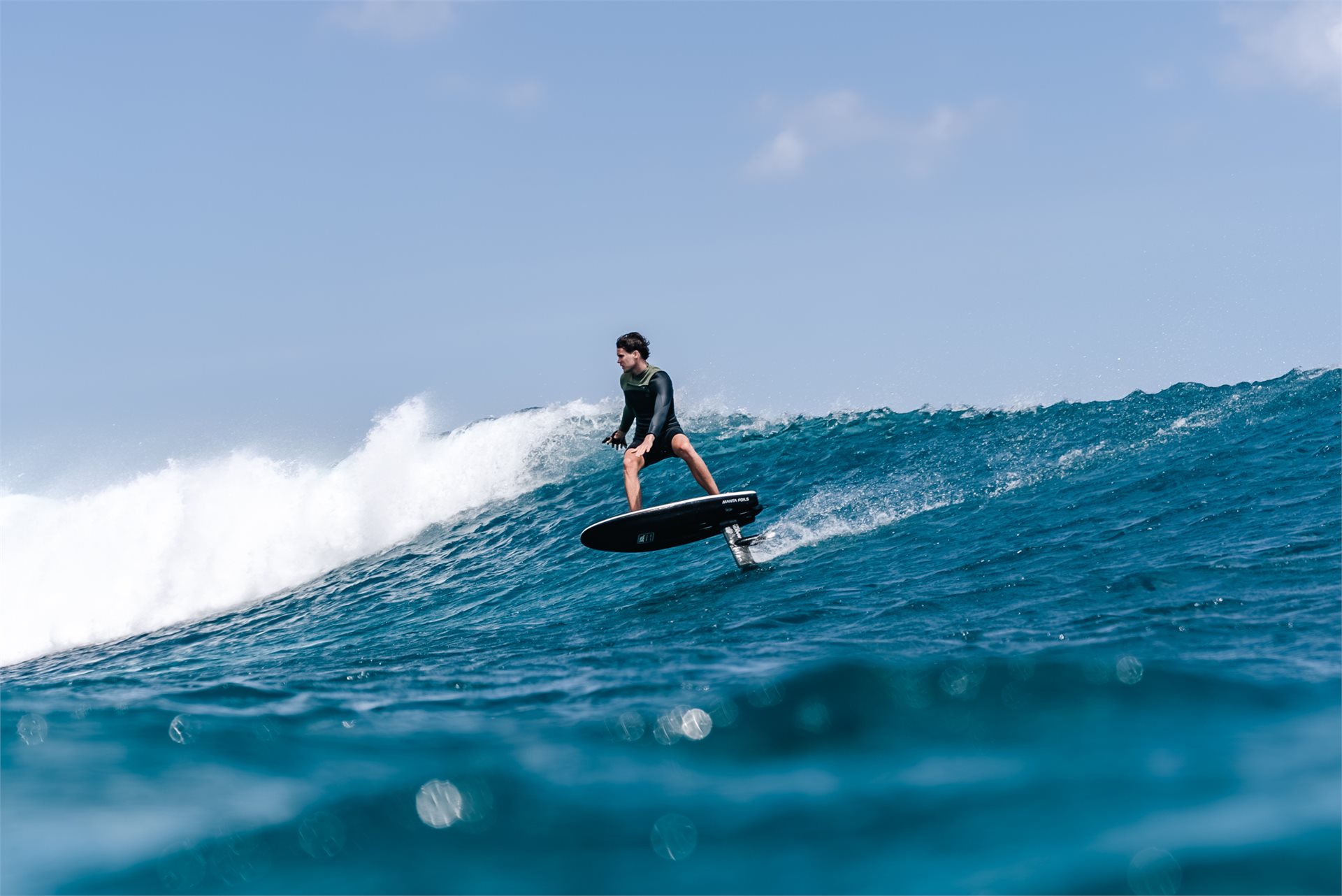
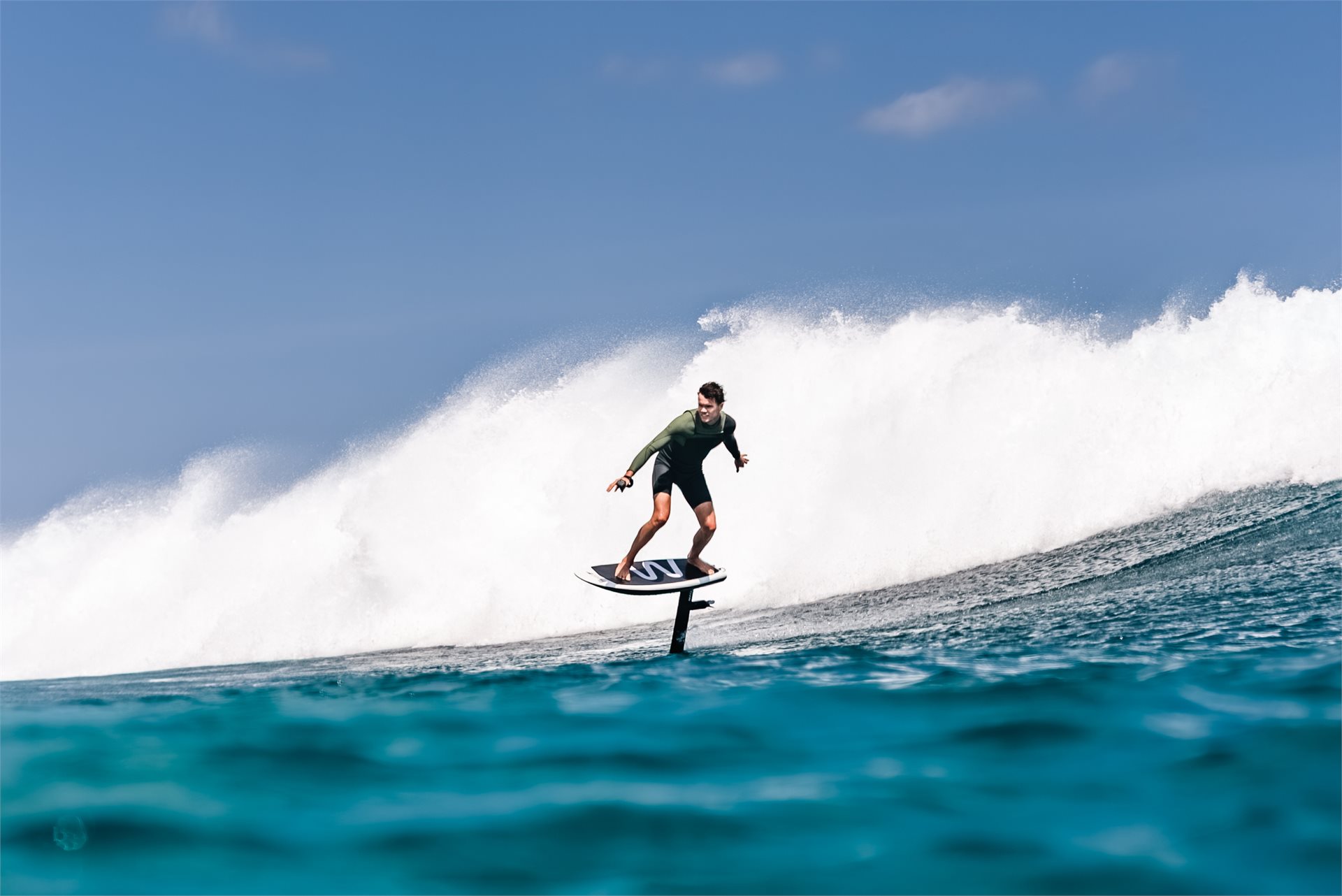
Perhaps the biggest difference between an e-foil and foil assist is what happens once you reach the wave. A conventional e-foil carries considerable mass, which is perfectly acceptable while cruising under power but becomes less attractive when you want the foil to disappear beneath your feet and let the wave take over. Foil assist changes that equation dramatically because the motor becomes a means of reaching the wave rather than the reason for being on the water.
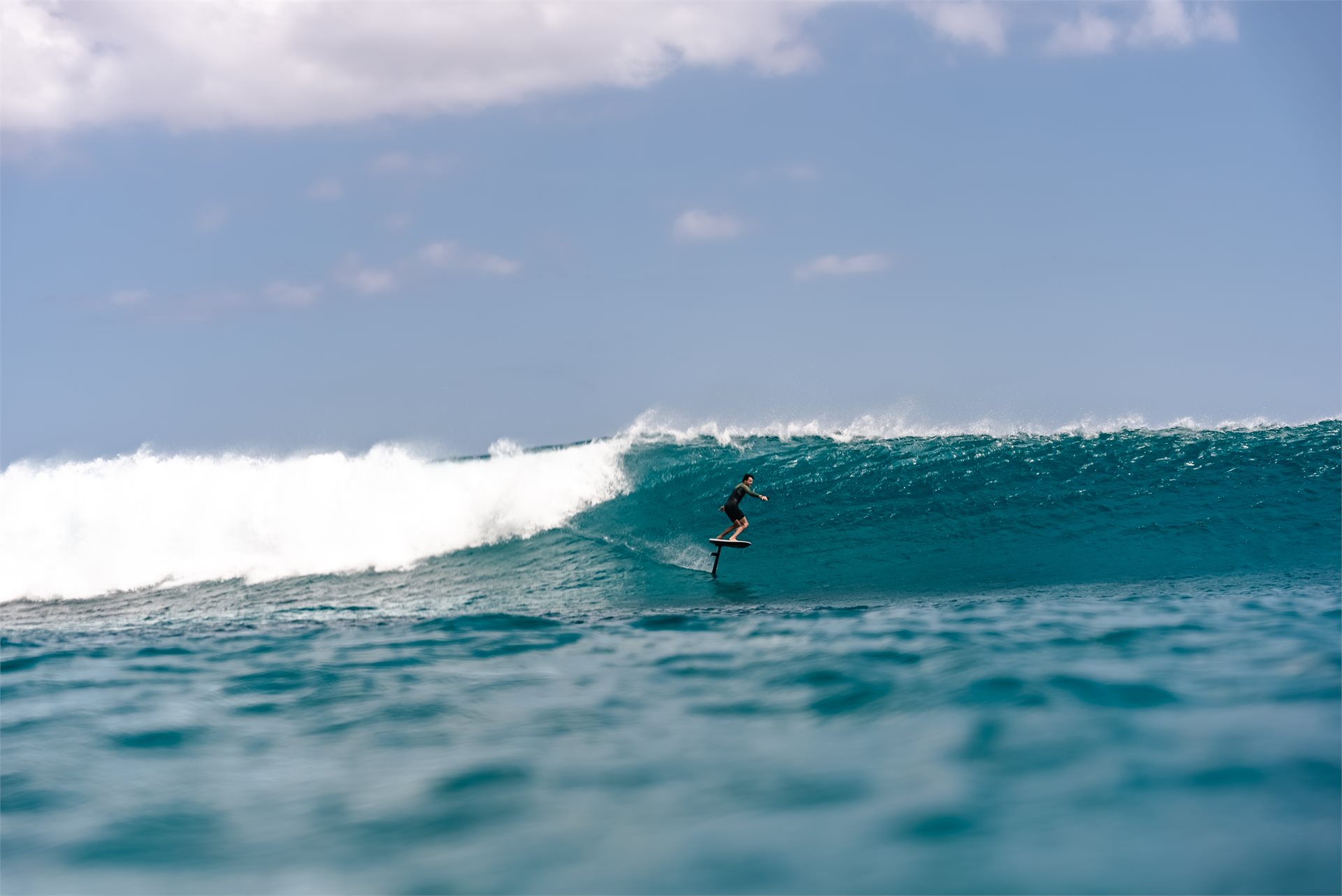
We saw an extreme example at the Kernow Foil Classic in Cornwall, where some of the world’s best riders were using electric assist to access substantial waves before effectively riding them as they would a conventional foil. Watching riders use the motor to position themselves, accelerate onto a swell and then surf the wave with the power no longer playing the starring role offered a glimpse of how far the category has moved from simply cruising around flat water.
It also changes foil choice. Lower-powered systems can force heavier riders onto larger front wings simply to generate enough lift for take-off, but once on a powerful wave that larger foil can become a disadvantage. More power allows the rider to use a smaller foil from the outset, opening the door to more speed, control and aggressive turns once the motor is no longer required. As Thomas puts it, “You can put a small 500 cm area foil today on a foil assist with a 40-litre board, and it’s going to let you take off. This is insane.” For experienced foilers, that ability to choose a foil for the wave rather than primarily for the take-off is arguably where electric assistance becomes most interesting.
The Difficult Bit: Electricity And Salt Water
It is easy to look at a motor, battery and controller and assume that foil assist is simply a matter of making everything smaller. In reality, shrinking these systems while maintaining reliability is one of the industry’s biggest engineering challenges. Electricity, salt water and sand are hardly natural companions, while the equipment is repeatedly assembled and dismantled by its owner, transported around, dropped on beaches and exposed to an environment that will exploit the smallest weakness in a seal or electrical connection.
“You can put a 500 foil today on a foil assist with a 40-litre board and it’s going to take you out. This is insane.”
Thomas says one of the biggest challenges Manta faced wasn’t making prototypes, but scaling production while maintaining quality. Building 100 units while personally overseeing every component is one thing, but adding another zero to that number fundamentally changes the process. Specialist manufacturing becomes necessary, supply chains become more complicated and quality control becomes increasingly important. “The safety is so important that if something doesn’t work, you have to design it in a way that it’s not going to boom.”
Waterproofing and the battery management system are critical. Conventional e-foil batteries have the luxury of size and can use substantial encapsulation and protection, whereas foil-assist batteries have to deliver comparable reliability while becoming dramatically smaller and lighter. The system also has to cope with the realities of ownership. Connectors may still contain water, sand can find its way into places it shouldn’t, and riders inevitably make mistakes. Thomas describes instances where Manta’s system has detected water around one battery connection, shut that battery down and allowed the rider to return using the remaining battery rather than simply killing the entire system.
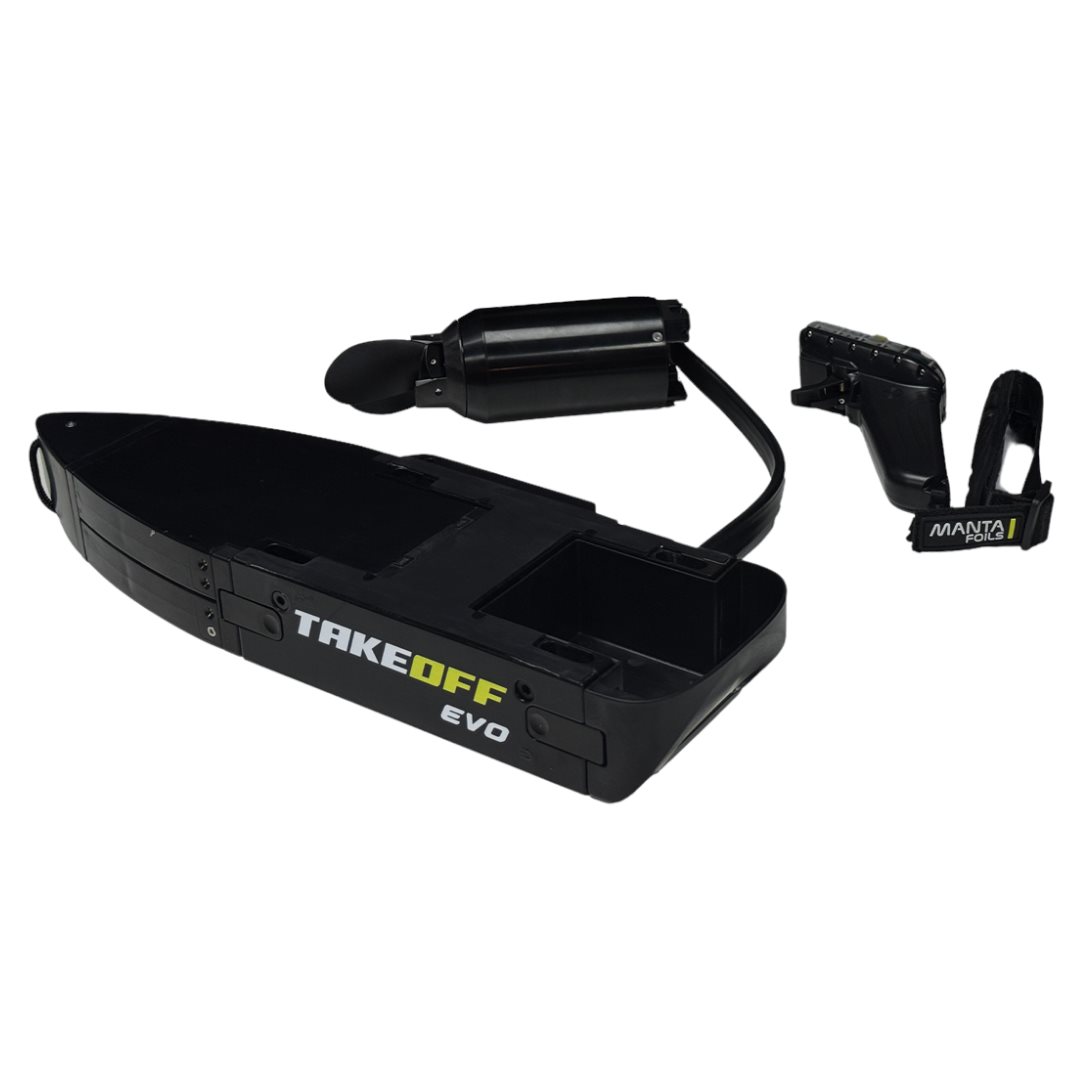
Manta has taken that process another step with modular 97Wh battery packs designed around air travel requirements. Multiple packs have to communicate and monitor one another correctly while retaining the safety systems required of a high-output battery. It has not been cheap. Thomas says Manta deliberately accepted losing money during several years of development in order to push the technology forward, rapidly replace failures and learn from products already being used by customers. “If we don’t change quickly, we will die.” It is a refreshingly straightforward assessment of the realities of developing an emerging technology where reliability and safety have to progress at the same pace as performance.
“The safety is so important that if something doesn’t work, you have to design it in a way that it’s not going to boom.”
Designing Out The Maintenance
The motor presented another problem. Early foil-assist systems typically used compact outrunner motors, which provide excellent torque for their size but can require considerably more maintenance, particularly when used repeatedly in salt and sand. Bearings and exposed components need looking after, and neglect can become expensive if it eventually damages the motor.
That did not fit Manta’s view of the customer. Thomas points out that someone spending several thousand pounds on premium watersports equipment does not necessarily want to become a mechanic after every session, cleaning components, lubricating bearings and worrying about whether they have maintained everything correctly. It is also difficult for a manufacturer to distinguish between a component failure and a maintenance problem once something goes wrong, creating additional warranty issues and potentially leaving a customer with an expensive replacement bill.
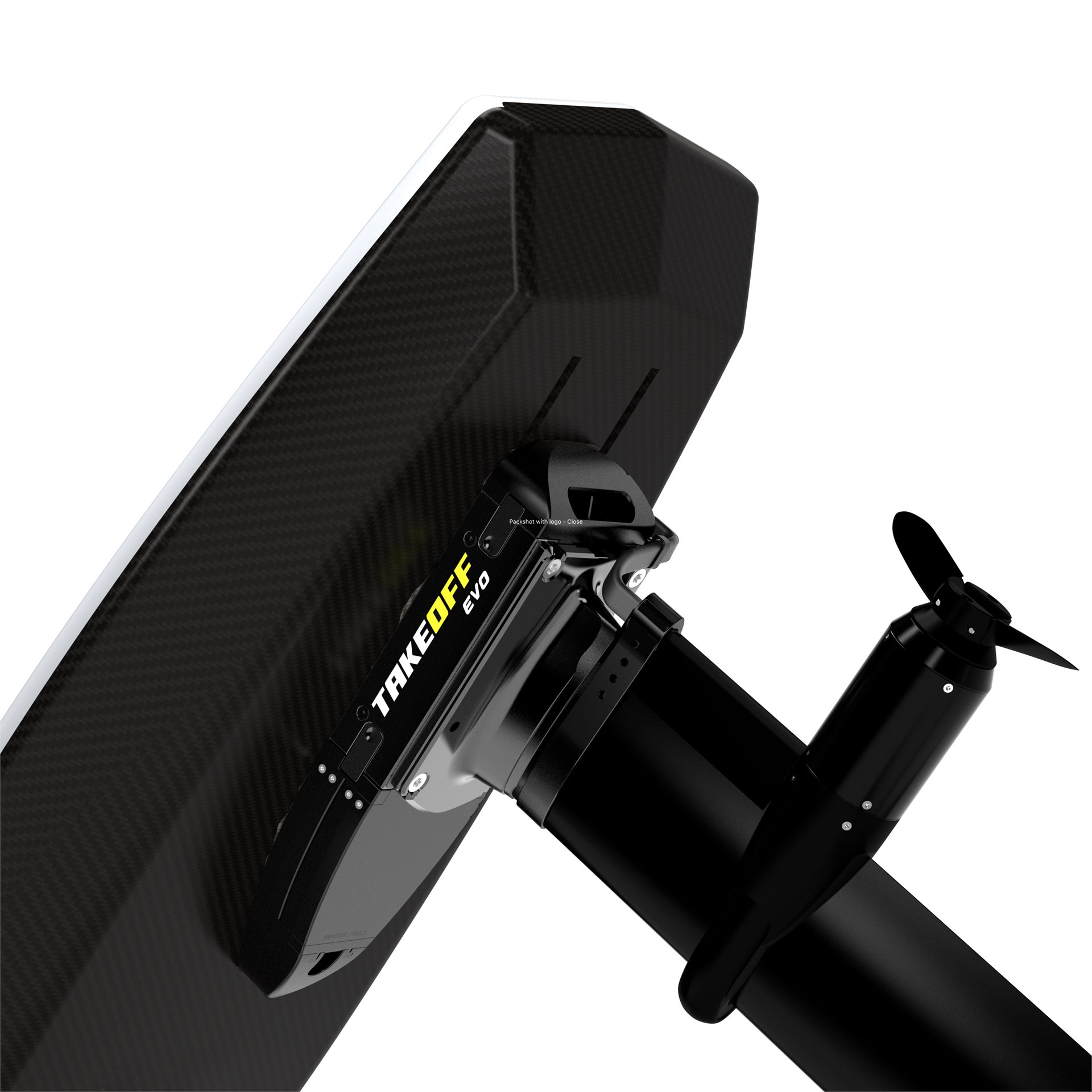
Manta therefore invested heavily in developing its Performance Motor, aiming to combine the compact dimensions and torque required by foil assist with a sealed, zero-maintenance design. Thomas says it took around nine months of R&D and discussions with numerous motor factories before they found manufacturers willing to pursue the concept. The motivation was not merely convenience. Maintenance creates another opportunity for failure, and failure creates warranty claims. Thomas says roughly half of the motors Manta bought during its first year ultimately went towards after-sales support, whereas failures with the newer sealed design have fallen dramatically to almost zero. For a young industry, those lessons are important, and reliability may ultimately do more to expand foil assist than outright performance.
“If we don’t change quickly, we will die.”
The next stage is to combine that reliability with more power. Manta’s forthcoming higher-voltage batteries are designed to allow the compact motor to spin faster and push performance towards territory previously associated with larger e-foil motors. The objective is not simply headline speed, but enough power to allow heavier riders, smaller boards and smaller foils to get onto foil without compromising the equipment they actually want to ride once they are on the wave.
Backpack Or Board?
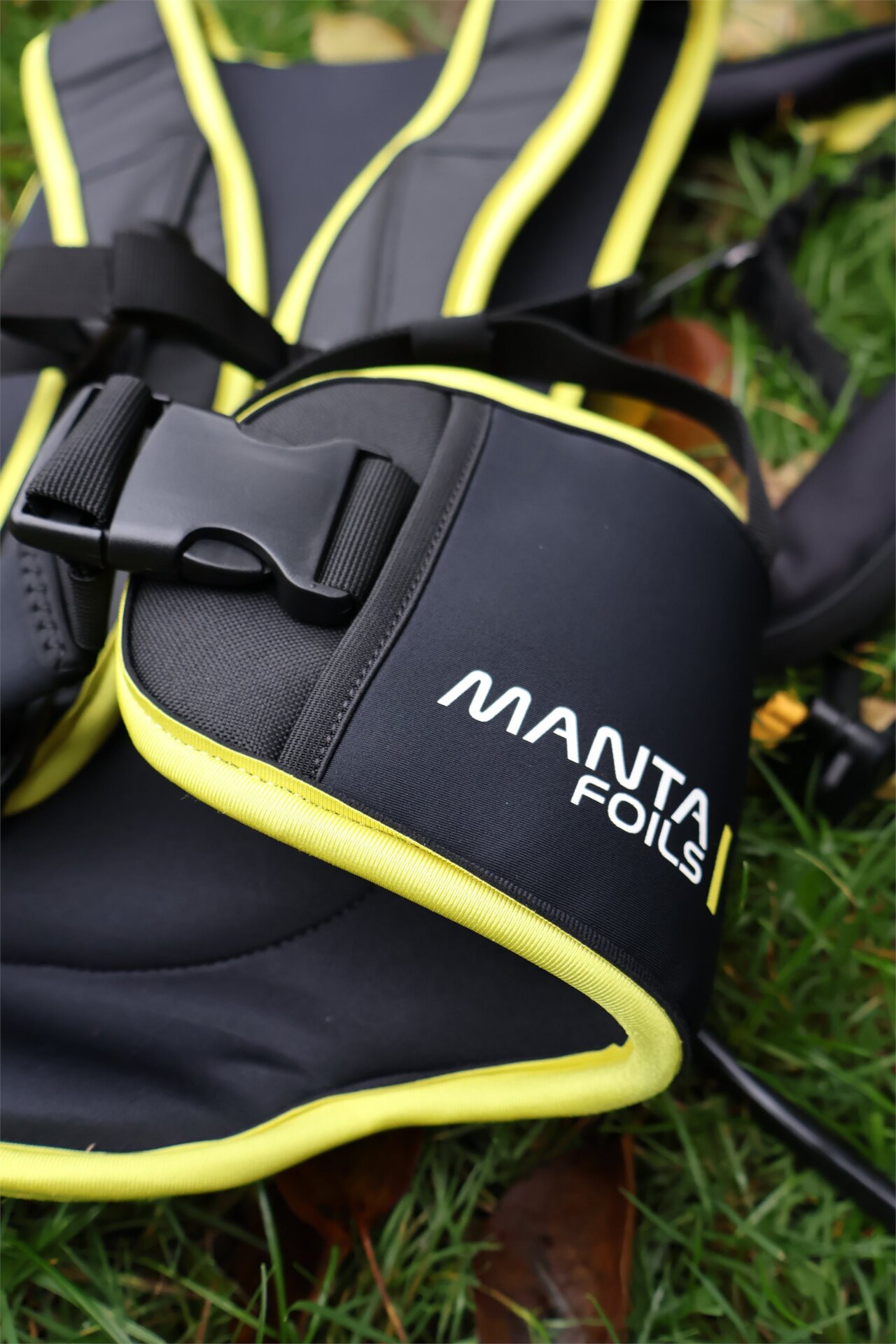
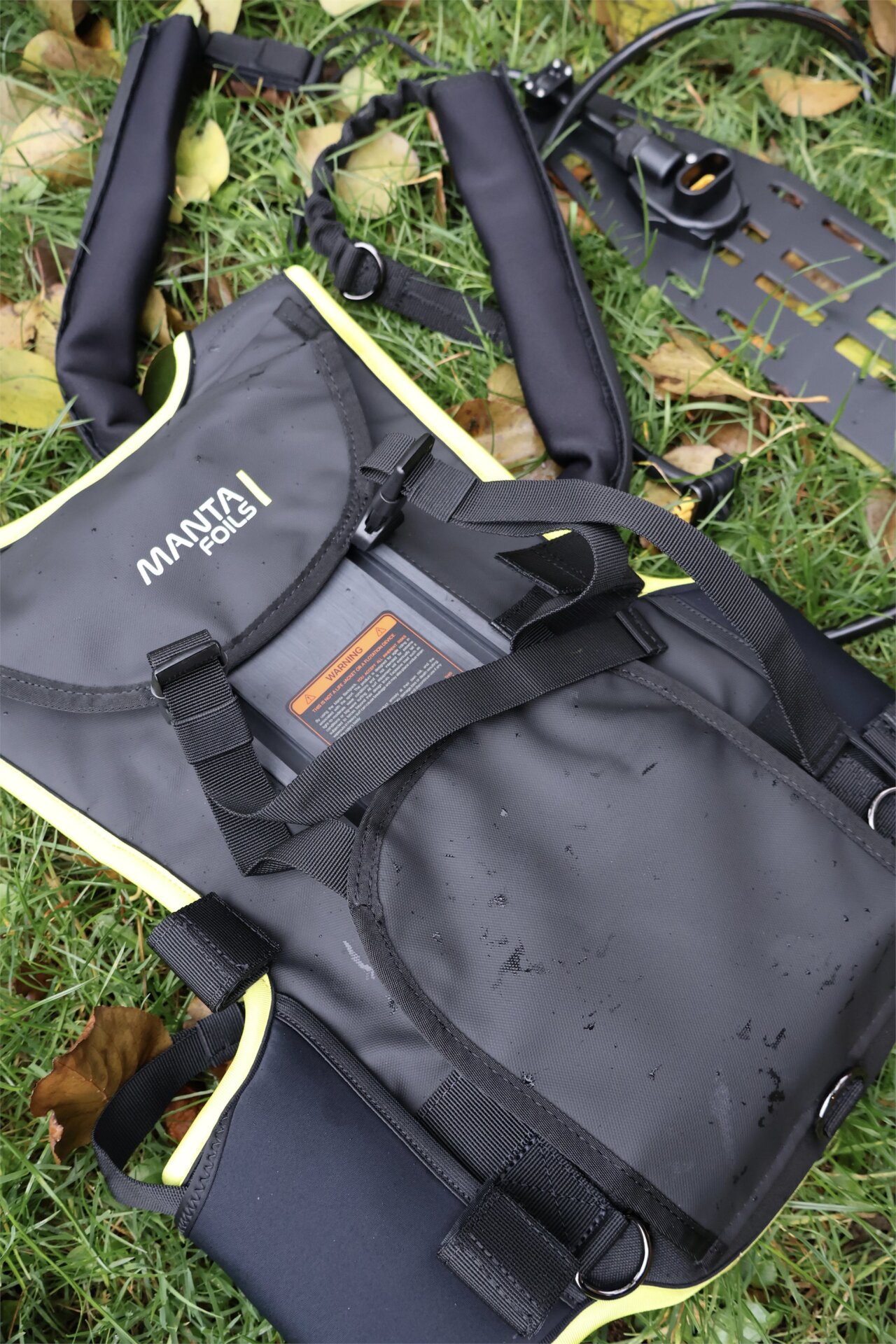
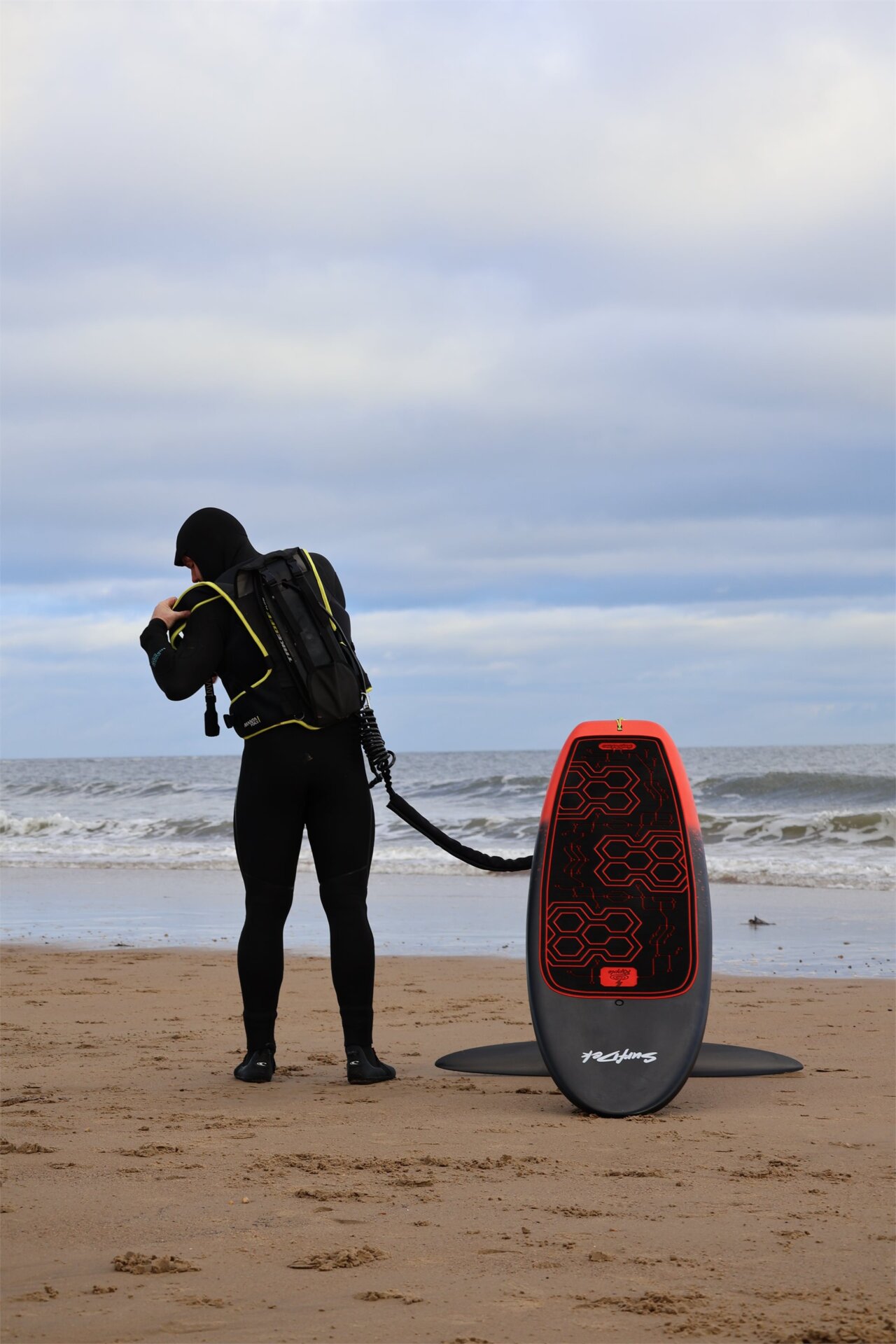
Battery placement is another area where the industry has yet to settle on a single answer. Some riders want everything integrated into the board, while others prefer carrying the battery on their body and reducing the weight beneath their feet. Manta has deliberately avoided forcing riders into either camp, allowing its system to be used with a board-mounted battery or its backpack. Even within Manta, Thomas says opinion is almost evenly split, and his own preference changes according to the conditions.
In confused bumps where constant pumping, turning and repositioning are required, he prefers the backpack. With only the motor assembly attached to the board, the foil remains noticeably lighter and more agile, making it easier to pump between bumps and change direction quickly. Give him clean, powerful swell and a long-period wave, however, and he is more likely to choose a trench board with the battery integrated into the setup. Pumping becomes less important, while the freedom of having nothing on his body becomes more attractive.
“If you are a very good prone foiler and you know how to pump, you’ll have as much fun as you can like that. But on a day that you have a bit less energy and you just want to catch much more waves, just try a foil assist with a very light setup.”
That ability to choose may prove significant as the market develops. Rather than there being a single correct architecture, different systems could evolve for different styles of riding, in much the same way that foil, board and wing choices already vary enormously depending on whether someone is chasing downwind bumps, prone foiling or riding powered-up wing conditions.
Electric Without Replacing What Came Before
The most interesting argument for foil assist may also be the simplest: it doesn’t have to replace anything. Thomas doesn’t suggest that good prone foilers should abandon paddling, or that wing foilers should throw their wings away. Instead, he sees electric assistance as another tool that creates sessions which otherwise might not happen. “If you are a very good prone foiler and you know how to pump, you’ll have as much fun as you can like that. But on a day that you have a bit less energy and you just want to catch much more waves, just try a foil assist with a very light setup.”
There are other advantages too. A rider can launch away from crowded surf zones, access waves that would otherwise be impossible to catch, explore stretches of coastline and spend considerably more time actually riding waves. For spots without powerful surf, foil assist can transform what is possible entirely, while for experienced riders in good waves it can simply provide another way of accessing them.
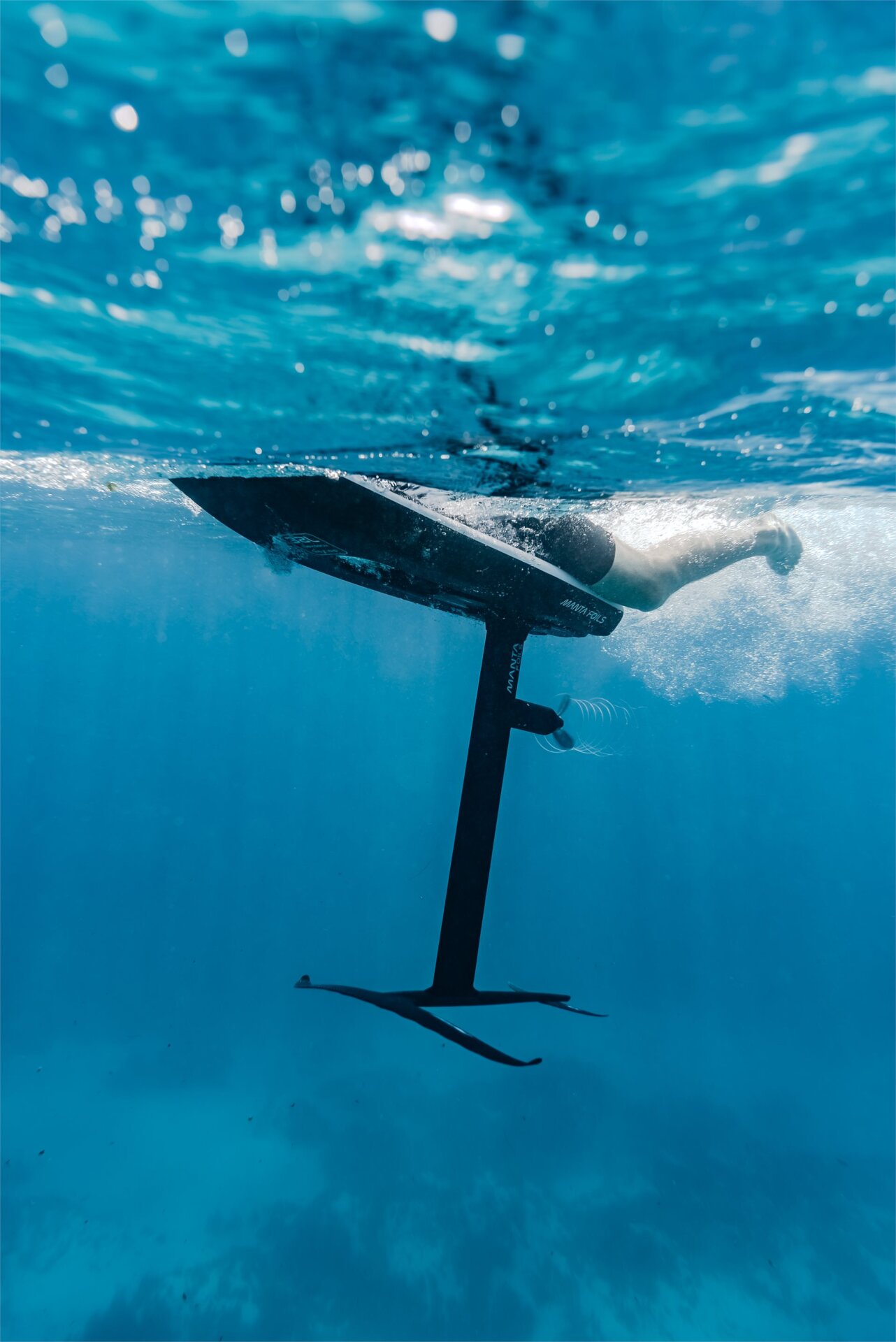
That, ultimately, is why the e-bike comparison feels so relevant. Electric mountain bikes didn’t kill mountain biking. They added another way to participate, opened different terrain and allowed riders to cover more ground. Along the way, much of the early scepticism simply disappeared as the technology became better integrated and riders found uses for it that went beyond the original concept.
Foil assist appears to be travelling down a remarkably similar road.
What Comes Next?
Battery technology remains the obvious area for improvement. More energy in a smaller and lighter package will change what designers can achieve, while increasing production volumes should eventually make today’s technology more affordable. Integration will continue too, with motors becoming smaller, batteries disappearing further into boards and systems becoming increasingly difficult to distinguish from conventional foil equipment. At the same time, universal kits will remain important for riders who already own boards and foils and simply want to add electric assistance without committing to an entirely new setup.
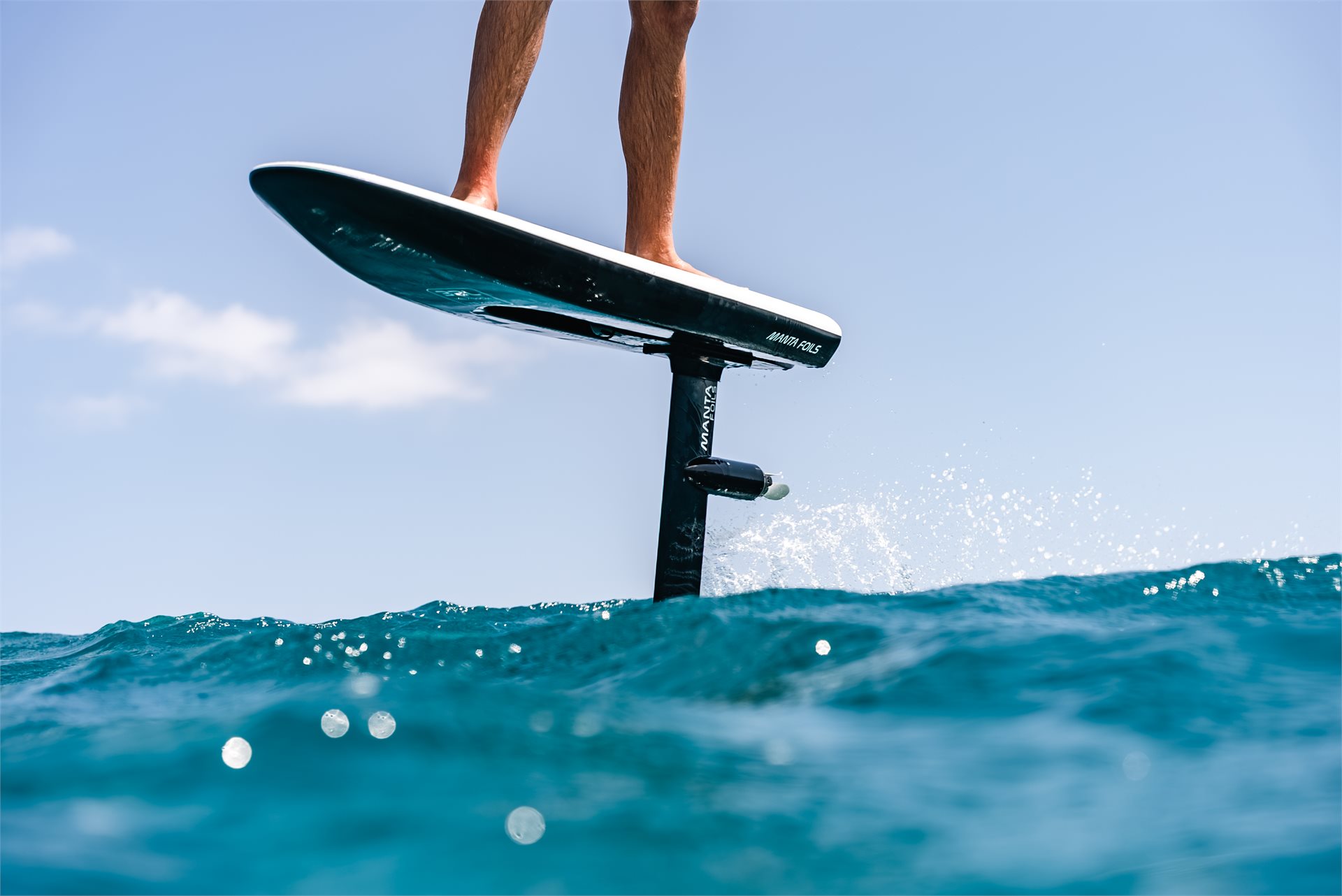
Manta’s own journey illustrates just how quickly this category is evolving. The company moved from early e-foils to foil assist, through several generations of motors, batteries and control systems, and is now exploring higher-voltage systems capable of delivering e-foil levels of performance from something approaching a foil-assist package. For Thomas, the direction of travel is obvious. The previously separate worlds of e-foiling, foil assist and conventional foiling are beginning to overlap, while brands from across the industry are starting to design their equipment with electrification in mind from the outset.
Whether every foiler embraces electricity is almost beside the point. The equipment is becoming lighter, cleaner and more capable, the number of brands involved is growing, and riders are finding increasingly creative ways to use it. If the next few years resemble the development curve we saw with electric mountain bikes, we may only just be getting started.