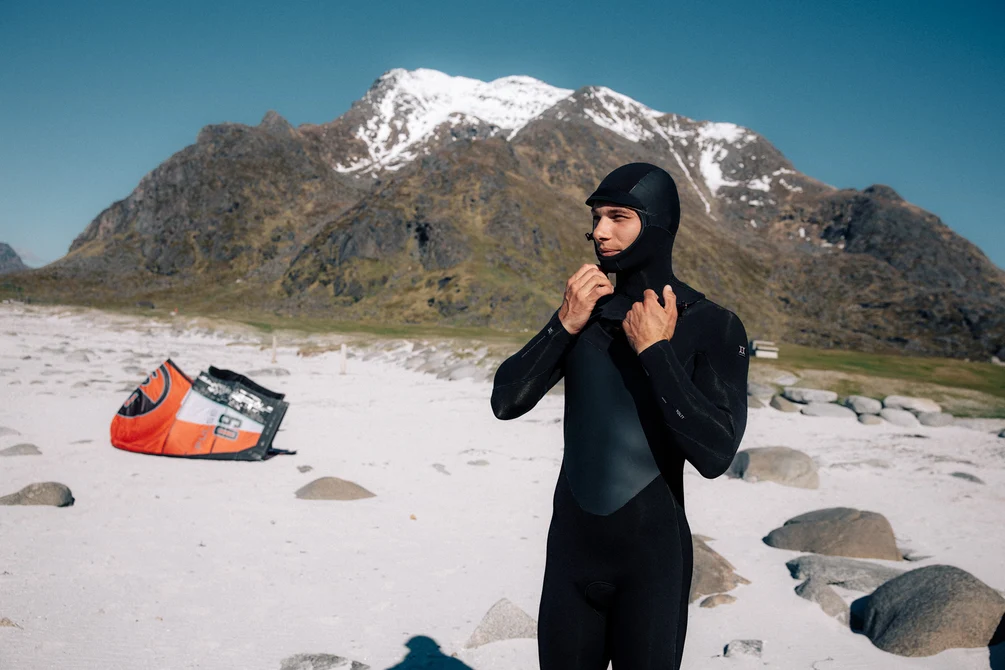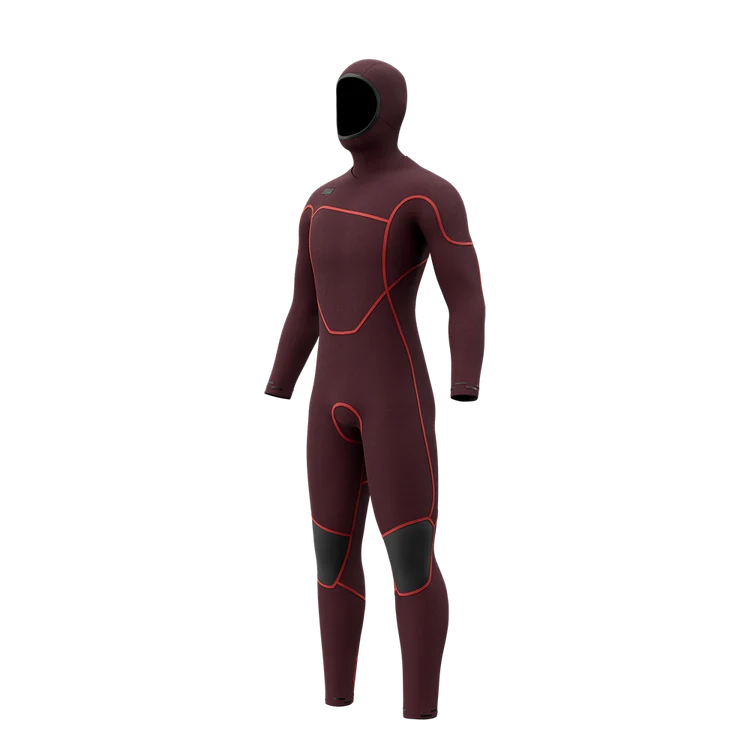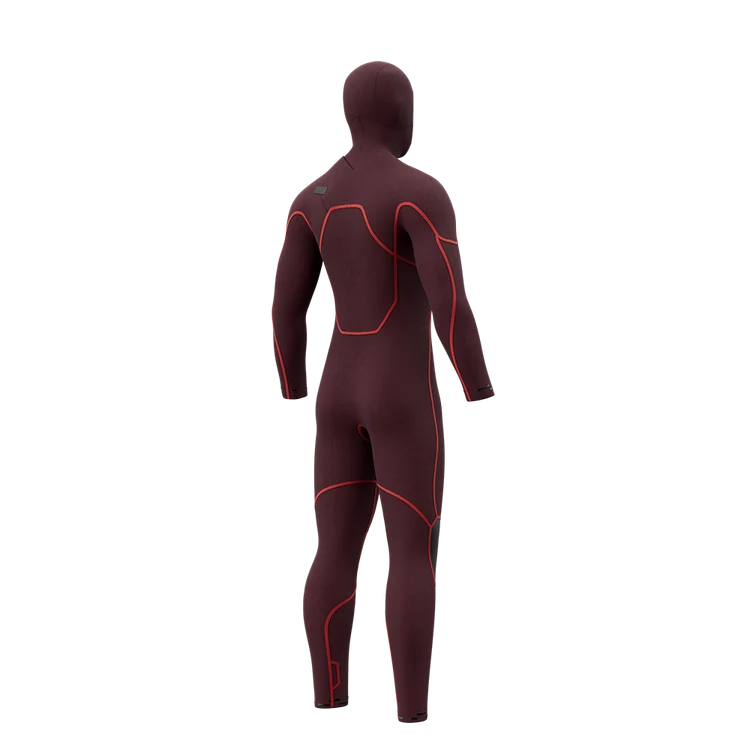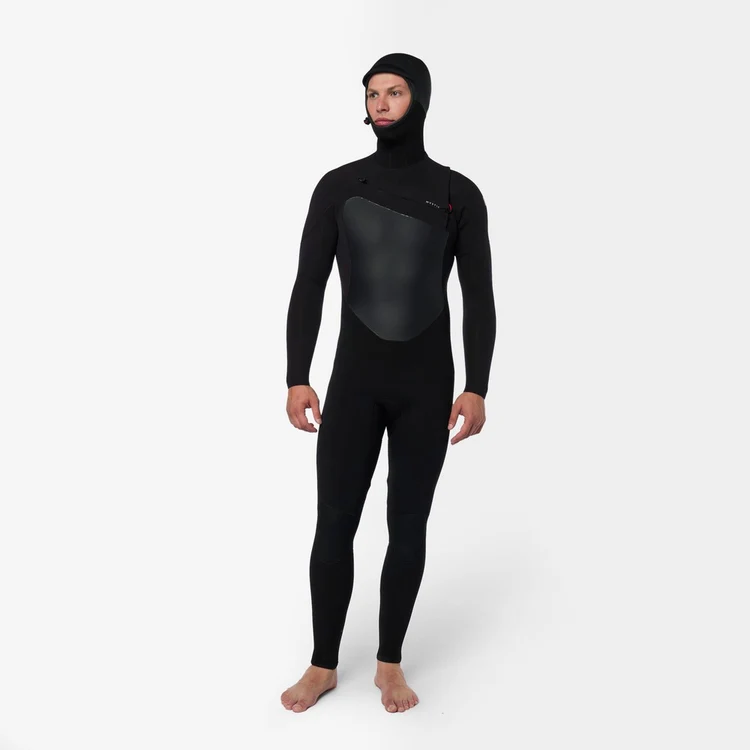

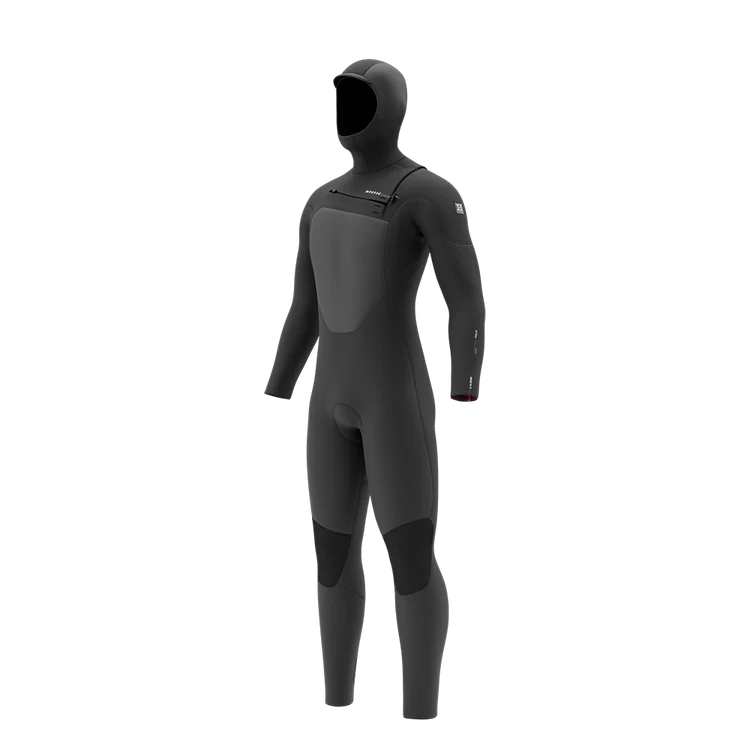
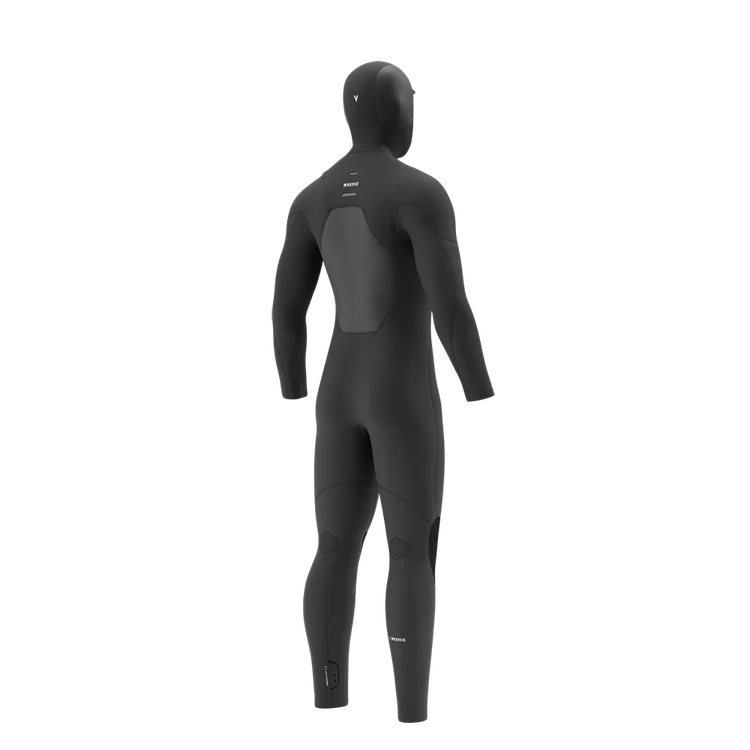
Winter is coming, and while some people are already thinking about packing away their equipment until spring, the rest of us are looking forward to empty beaches, quieter sessions, and those crisp, clear winter days that make putting up with the cold worthwhile. Of course, enjoying yourself when the temperature drops relies heavily on having the right equipment, and Mystic has been busy refining its flagship winter wetsuit. The new Voltt 6/4/3 Hooded Fullsuit brings together some impressive material technology, with a focus on warmth, flexibility, and durability.
There’s something particularly satisfying about getting out on the water in the middle of winter. The crowds have disappeared, the conditions can be fantastic, and there’s a certain sense of achievement that comes from enjoying a session when most sensible people are sitting indoors with the heating on. The downside, particularly here in Northern Europe, is that the water gets properly cold, and even the most enthusiastic rider will eventually admit defeat if their wetsuit isn’t up to the job.
Wetsuit technology has come a long way over the years, and the days of feeling like you’re wearing a suit of armour just to stay warm are thankfully behind us. Modern materials have made it possible to combine serious insulation with enough flexibility to move naturally, although getting that balance right remains one of the biggest challenges for manufacturers. Mystic’s latest Voltt is its answer to that problem, taking an established cold-water wetsuit and upgrading some of the materials that make the biggest difference to how it performs.
At the heart of the new design is Yamamoto 40 neoprene, a premium material developed in Japan that offers greater flexibility than the Yamamoto 39 used in other high-end wetsuits. The idea is to provide the insulation needed for cold-water sessions without restricting movement, something that’s particularly important when you’re constantly twisting, pumping, and changing position on a foilboard.
Anyone who’s spent a few hours wingfoiling in a thick winter wetsuit will appreciate how much difference a flexible suit can make. While a few extra millimetres of neoprene might keep you warmer, they can also make everything feel like hard work, particularly when you’re trying to pump onto the foil or recover from a crash. The Yamamoto 40 material is designed to stretch more easily while maintaining its insulating properties, helping reduce that feeling of resistance that can become surprisingly tiring over a long session.
There’s an environmental consideration here, too. Yamamoto neoprene is manufactured using limestone-derived materials rather than conventional petroleum-based neoprene, offering an alternative approach to producing the rubber used in wetsuits. That doesn’t make the finished product entirely environmentally friendly, of course, but it’s another area where manufacturers are looking to reduce their reliance on traditional materials.
“Modern materials have made it possible to combine serious insulation with enough flexibility to move naturally, although getting that balance right remains one of the biggest challenges for manufacturers.”
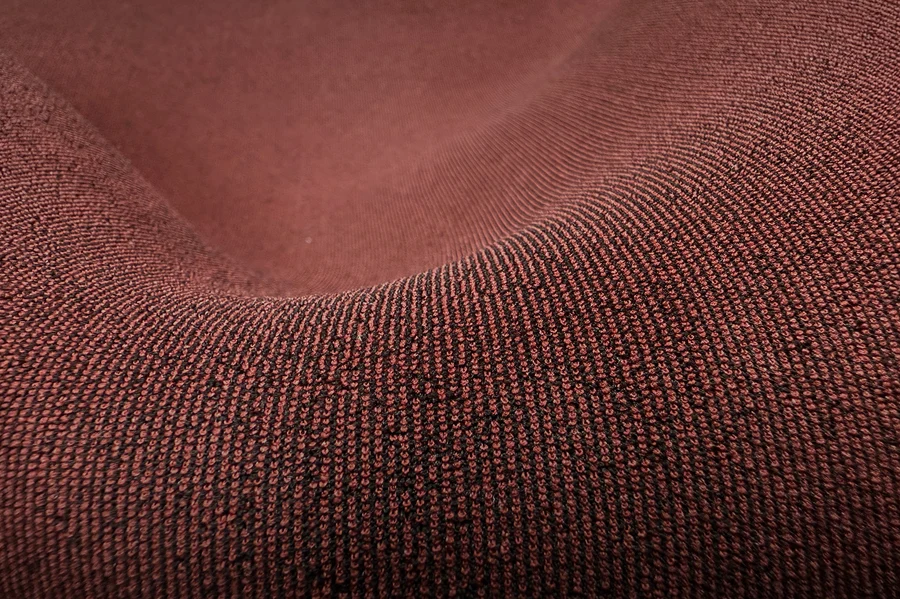
Inside the suit, Mystic has introduced its new Fox Fleece Ultra lining, which the brand describes as its warmest and softest thermal lining to date. It’s designed to trap warmth against the body while remaining flexible enough to move with the neoprene, and it also incorporates 50% recycled content.
Thermal linings have become an increasingly important part of winter wetsuit design, allowing manufacturers to improve insulation without simply making the neoprene thicker. The Fox Fleece Ultra material is also designed to dry quickly, which is particularly useful if you’re planning consecutive sessions. There’s nothing quite like pulling on a cold, damp wetsuit the following morning to make you question your enthusiasm for winter watersports, so anything that helps reduce drying times is always welcome.
Another significant development is the introduction of CoreShield panels across the chest and back. These use a protective PU-coated outer layer designed to reduce windchill, resist abrasion, and improve the durability of the suit in areas that tend to take plenty of punishment.
“The Yamamoto 40 material is designed to stretch more easily while maintaining its insulating properties, helping reduce that feeling of resistance that can become surprisingly tiring over a long session.”
Windchill is a particularly important consideration for wingfoilers and wind-powered watersports in general. Unlike surfing, where you’re spending a lot of time submerged or paddling, not to mention looking for sessions with no wind, wingfoiling often involves standing relatively still while travelling at speed, with the wind constantly stripping warmth from the surface of your wetsuit. A coating that helps water run off the outer material can reduce the cooling effect of evaporation, which should help keep your core warmer during longer sessions.
The Voltt uses a 6/4/3mm neoprene construction, with different thicknesses positioned around the suit to balance insulation and flexibility. The thicker material provides warmth where it’s needed most, while thinner sections allow greater freedom of movement. Combined with the integrated hood, it’s a setup designed for genuinely cold conditions, rather than simply extending your summer sessions a little further into autumn.
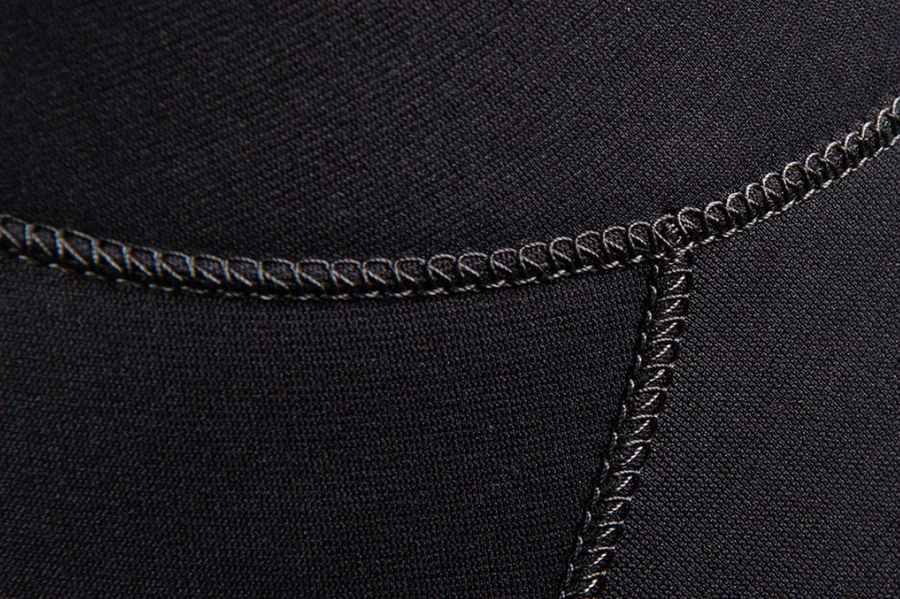
Keeping water out is just as important as keeping warmth in, and Mystic has paid attention to the details here as well. The suit uses glued and blind-stitched seams, where the neoprene panels are bonded together before being stitched without fully penetrating the material. This helps prevent water from entering through the stitching holes, while internal waterproof stretch taping provides additional reinforcement and sealing.
There’s also Mystic’s Aquabarrier system around the front-zip entry, along with Aquaflush 2.0 technology, which is designed to allow trapped water to escape without encouraging more to enter. It’s a useful feature for those inevitable moments when you take a proper tumble and find yourself with half the ocean inside your wetsuit.
The front-entry system uses a YKK zip, and Mystic has also worked on making the suit easier to get into and out of. Anyone who’s wrestled with a thick winter wetsuit in a freezing car park will know that flexibility isn’t just important once you’re on the water. Sometimes getting the thing off afterwards feels like the hardest part of the entire session, especially when your fingers have stopped working properly.
Elsewhere, there are plenty of smaller details that show how much wetsuit design has evolved. The back of the knees features embossed panels to improve freedom of movement, while Hex-tech kneepads provide additional protection in an area that regularly comes into contact with boards and rough surfaces. Non-slip cuffs help keep the sleeves in position, and heat-sealed edges are designed to prevent the neoprene from fraying or curling over time. There’s even a small external key pocket tucked behind the front-zip, which is always useful when you’re trying to avoid leaving your keys hidden behind a wheel in the car park.
“Thermal linings have become an increasingly important part of winter wetsuit design, allowing manufacturers to improve insulation without simply making the neoprene thicker.”
What makes the latest Voltt interesting is that Mystic has focused on improving the materials and refining the details that have the greatest influence on warmth, comfort, and longevity. The combination of Yamamoto 40 neoprene, Fox Fleece Ultra lining, and CoreShield protection is the main story here, with the supporting features helping create a suit designed to cope with the demands of regular winter use.
The 2027 Voltt looks like a thoughtful evolution of Mystic’s flagship winter suit, and one that should appeal to anyone who has no intention of letting a little cold weather get between them and their time on the water.