

Features
One Sport, Four Wings: The Evolution of Parawinging
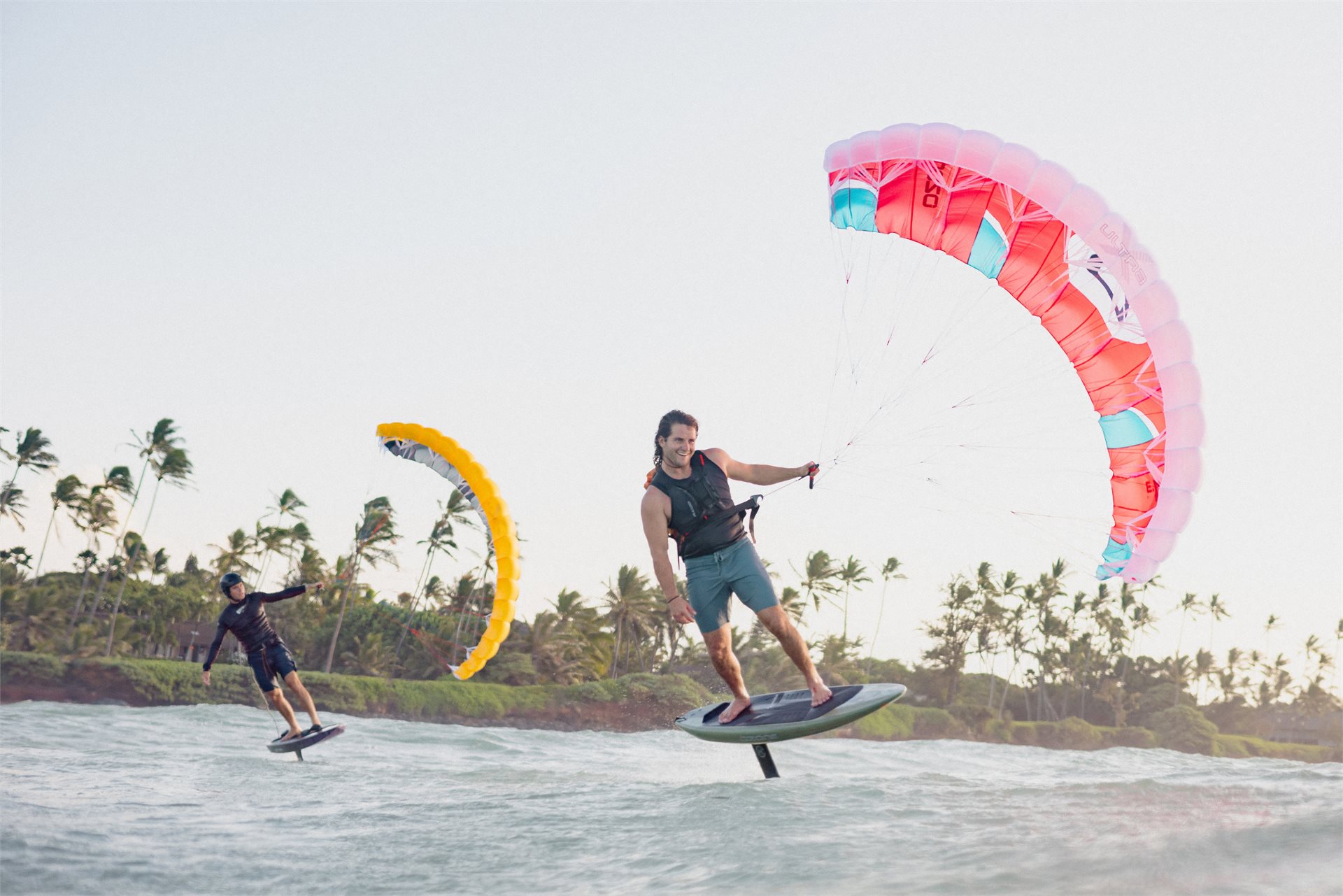
Parawinging has come a long way in a remarkably short space of time. What started as a simple way to get upwind before stashing a wing and riding swell has evolved into a discipline with its own specialist equipment, techniques and riding styles. Ozone now has four distinct parawings in its range, and each one tells us something about where the sport is heading.
It wasn’t that long ago that parawinging was something of a curiosity. The idea was wonderfully simple: take a small, lightweight wing, use it to get yourself up on foil, then pack it away and enjoy the freedom of riding the ocean without anything in your hands. For anyone who had spent years wingfoiling or kite foiling, the appeal was immediately obvious. Suddenly, the possibility of enjoying a proper downwind run without needing someone to drive you back to the start was becoming a reality.
Of course, as with any new discipline, the early equipment was a compromise. Designers were trying to balance power, stability, upwind performance and the ability to stuff the whole thing into a small bag. Getting all those elements working together wasn’t straightforward, and the first generations were very much about establishing what was possible.
Fast forward to today, and things look rather different. Parawinging has developed at an incredible pace, with riders discovering new ways to use the equipment and manufacturers responding with increasingly specialised designs. What began primarily as a tool for accessing downwind swell has become something much broader. Some riders are using parawings for short, repeated wave runs, others are covering serious distances upwind, and some are pushing the limits of light-wind foiling.
It’s a fascinating moment in the sport’s development, and Ozone’s current range provides a particularly good illustration of just how far things have progressed.
At AWSI, we caught up with Jesse Richman, designer Dom Zimmermann and Patrick Rebstock to take a closer look at the four models in the line-up. The PowerPack, Pocket Rocket V2, Pocket Rocket V2 Ultra-X and Afterburner all share the same fundamental concept, but their design priorities are surprisingly different.
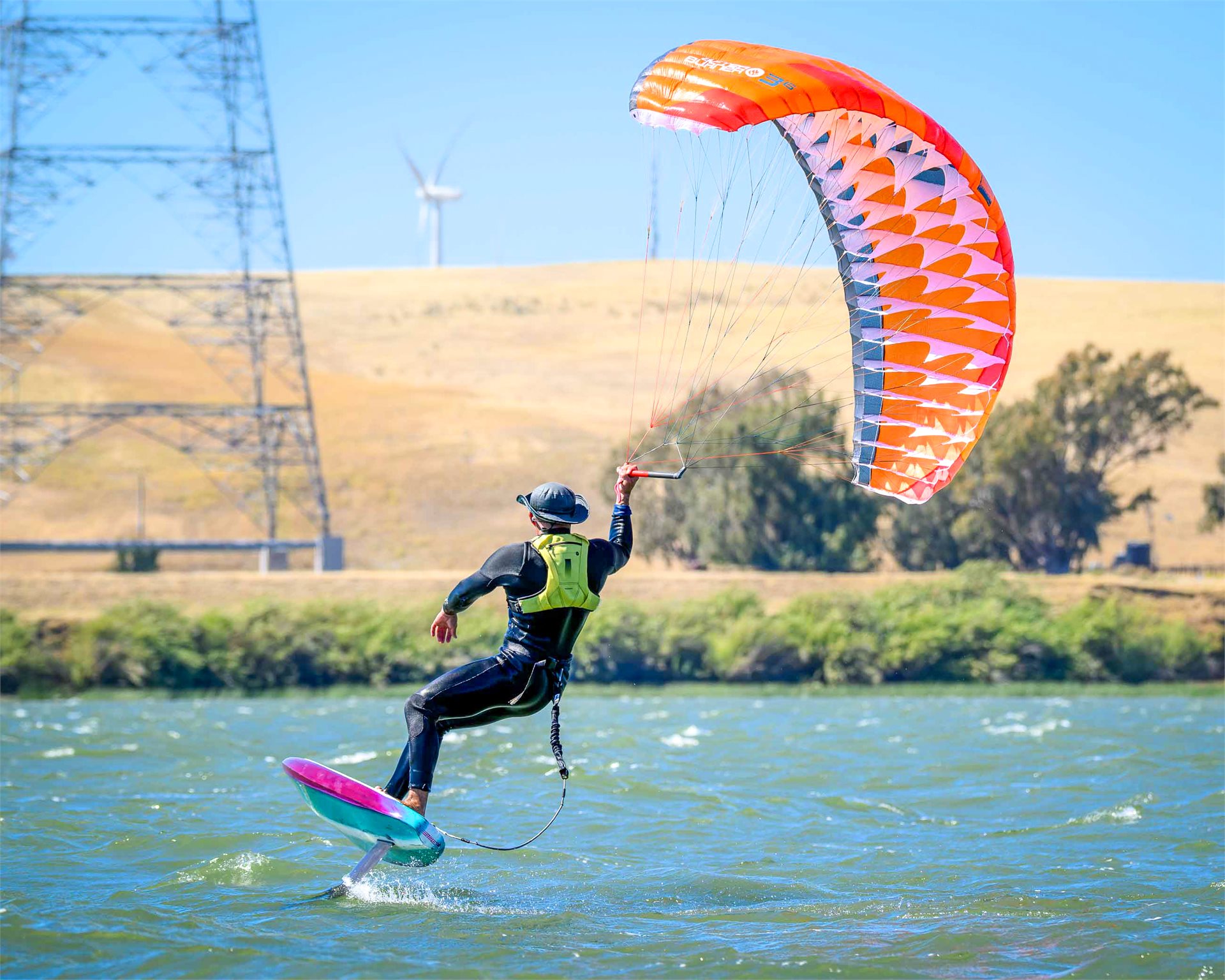
“Parawinging has developed at an incredible pace, with riders discovering new ways to use the equipment.”
The interesting thing is that none of them really replaces the others. They’re designed to do different jobs.
The Pocket Rocket V2: The Wing That Does It All
The Pocket Rocket was one of the products that helped establish Ozone’s position in parawinging, and the V2 has become the natural starting point for the range. It’s the wing designed to do a bit of everything, combining accessible handling with enough performance to keep experienced riders entertained.
Dom describes it as the go-to option, and it’s easy to understand why. It offers good upwind performance, predictable power delivery and a relatively straightforward stashing process. You can use it to learn the basics, develop your technique and eventually head off on longer downwind adventures without feeling that you’ve outgrown the equipment.
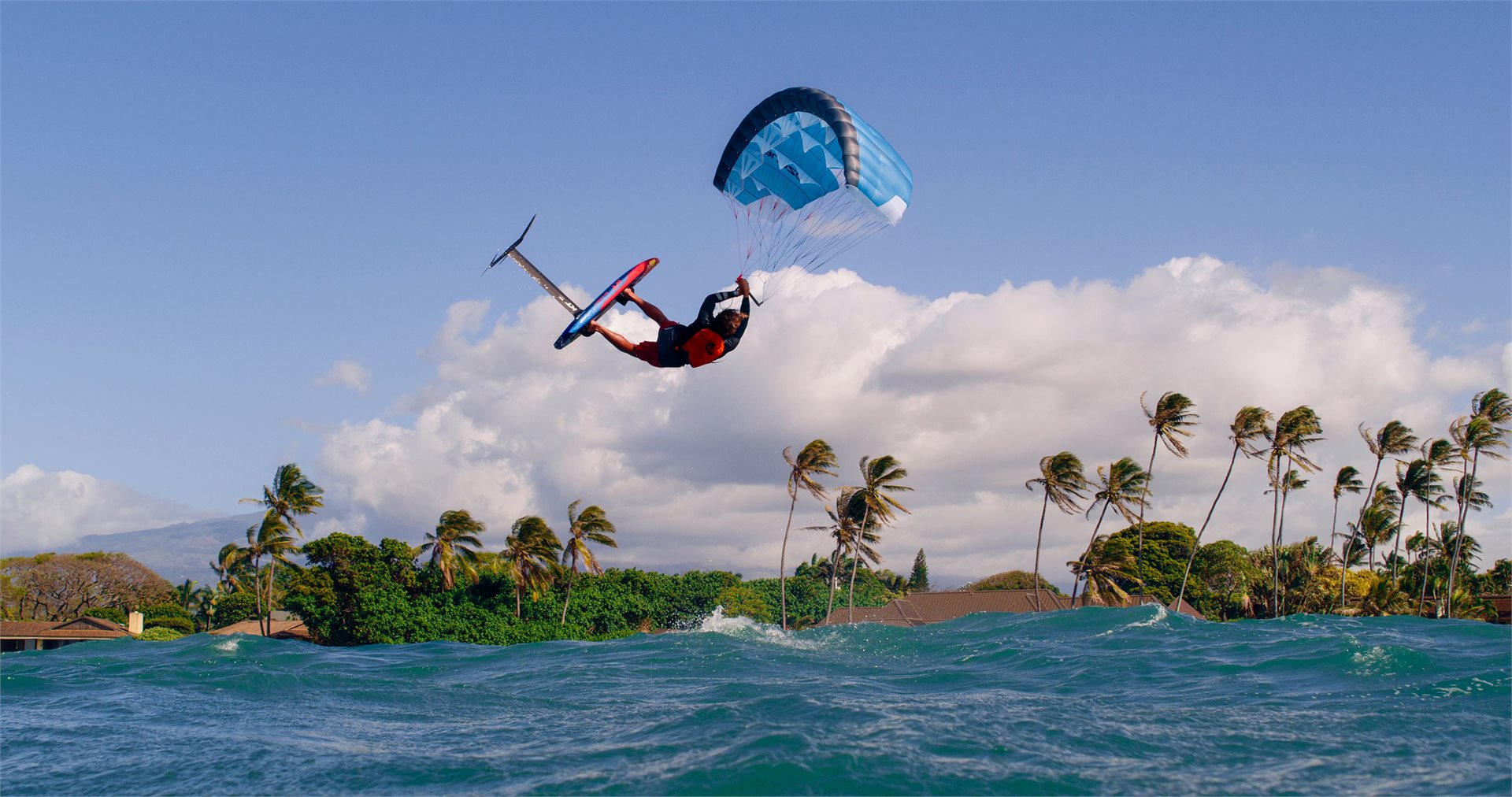
“What began as a tool for accessing downwind swell has become something much broader.”
That’s an important distinction because parawinging has a fairly steep learning curve, particularly for riders who haven’t spent much time flying soft wings. Understanding how the canopy behaves, managing the lines and learning to deploy and stash efficiently all take practice. Having a wing that behaves predictably makes that process considerably easier.
The Pocket Rocket V2 also has enough range to remain useful as those skills improve. Rather than being an entry-level product that you’ll quickly want to replace, it’s intended to be something you can continue using as your riding develops.
For someone coming into the sport, or simply wanting one dependable parawing that can handle a wide variety of sessions, it’s probably the most obvious place to start.
The PowerPack: Stash It, Ride It, Repeat
If the Pocket Rocket V2 is about versatility, the PowerPack takes a more focused approach. It’s designed around one of the most enjoyable aspects of parawinging: getting onto a wave, putting the wing away and surfing.
Anyone who has spent time parawinging will appreciate how much difference the stashing process makes to a session. When you’re doing long upwind runs followed by extended downwind glides, taking a little extra time to pack the wing away isn’t necessarily a problem. But when you’re catching shorter waves and repeating the process constantly, every second counts.
The PowerPack has been developed specifically for that style of riding. Its compact shape and simplified line arrangement make it exceptionally easy to manage. There’s less material to deal with, fewer lines to organise and a smaller bundle to stuff into your belt or harness.
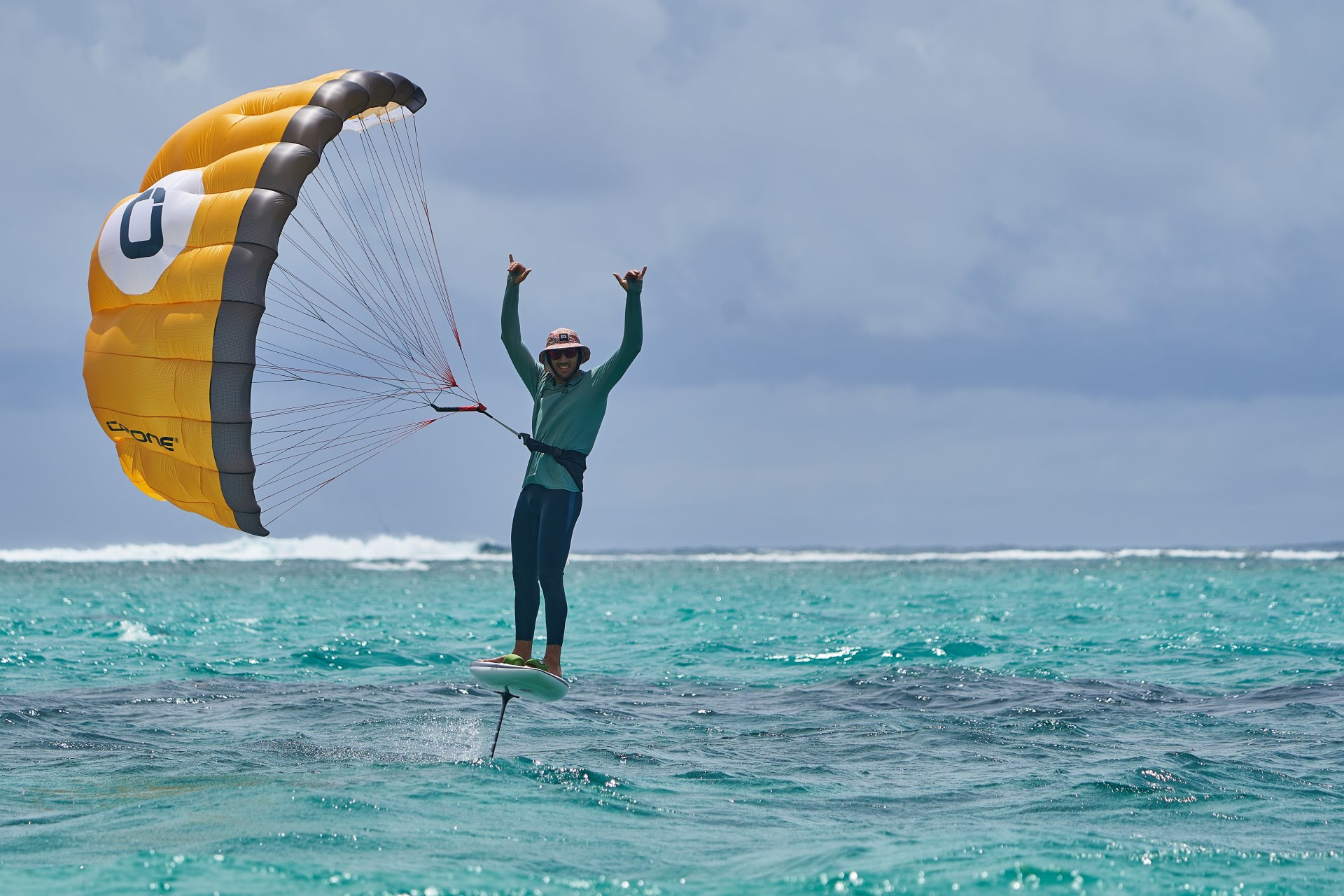
“The simplicity of the PowerPack also makes it one of the more accessible options for beginners.”
During our conversation, Patrick explained that this was the model he’d choose for short laps and continuous wave riding. It’s all about keeping the process as simple as possible, allowing you to concentrate on the actual foiling rather than managing your equipment.
Interestingly, that simplicity also makes it one of the more accessible options for beginners. While its design is aimed at riders who want to stash and redeploy frequently, the uncomplicated handling and relatively straightforward setup make it a useful introduction to the discipline.
There is a trade-off, of course. The PowerPack isn’t designed to match the outright upwind performance of the more advanced models. It can certainly get you back to where you started, but if your sessions involve covering serious distances against the wind, there are better tools for the job.
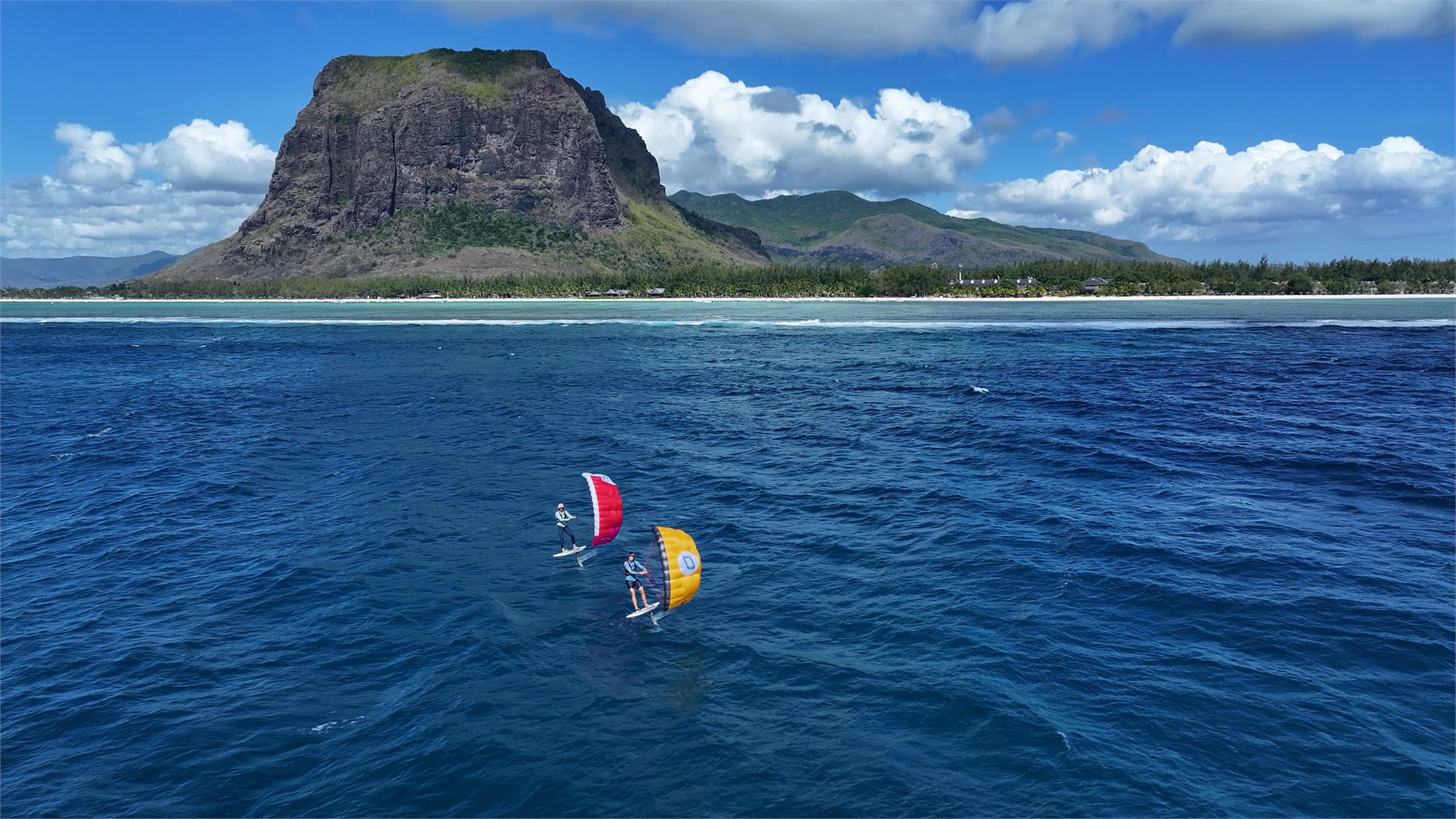
“The PowerPack is parawinging stripped back to its essentials. Get up on foil, catch a wave, stash the wing and repeat.”
For riders lucky enough to have a good wave or swell setup close to shore, however, the PowerPack makes an awful lot of sense. Get up on foil, catch a wave, stash the wing, enjoy the ride and repeat. It’s parawinging stripped back to its essentials.
The Pocket Rocket V2 Ultra-X: When Every Gram Counts
One of the most interesting developments in parawinging has been the growing emphasis on lightweight construction. Weight has always mattered in foiling, but with a parawing, reducing the mass of the canopy can have a particularly noticeable effect on how the wing behaves.
The Pocket Rocket V2 Ultra-X takes the familiar characteristics of the standard V2 and pushes the lightweight concept considerably further.
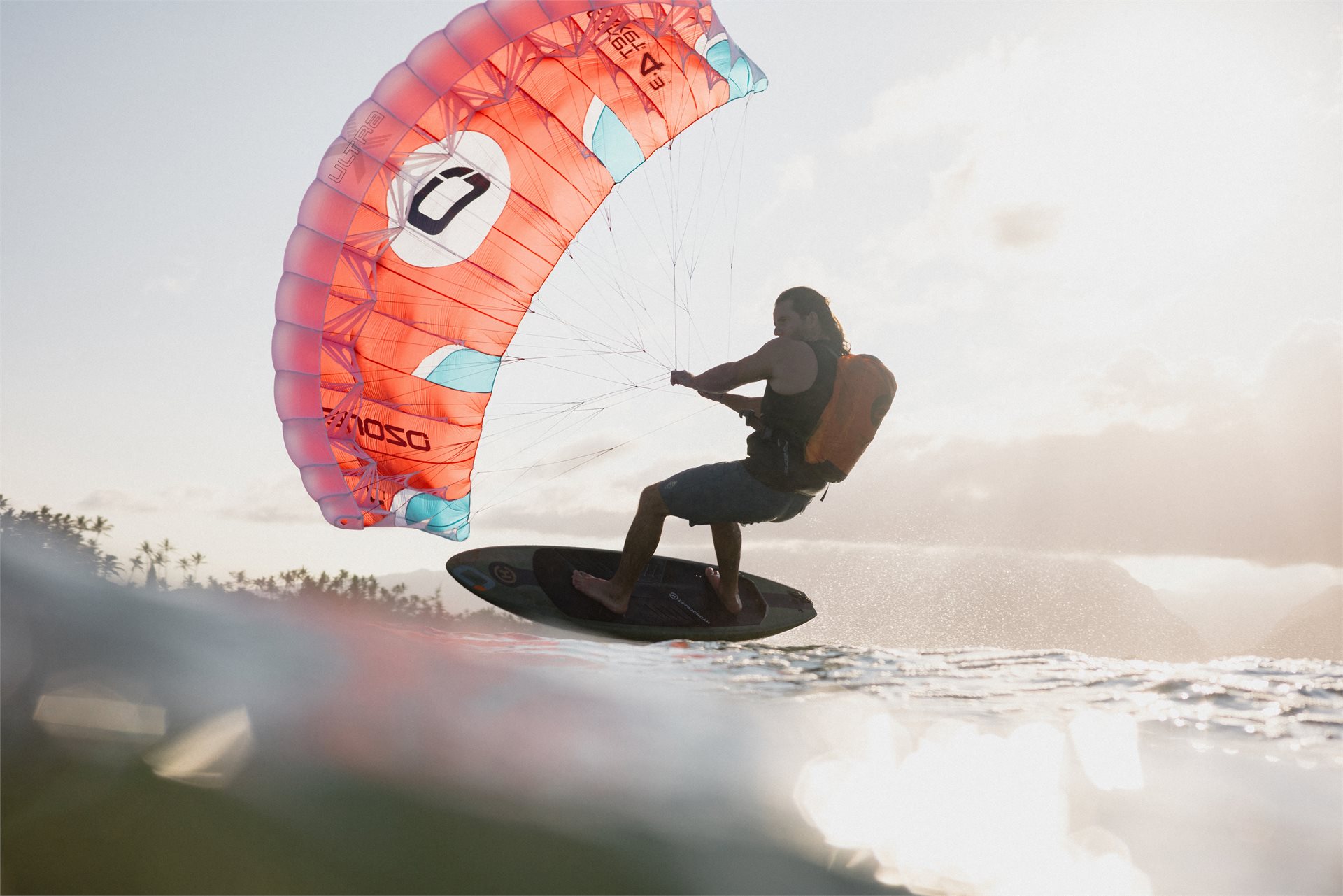
“The Ultra-X draws on Ozone's paragliding experience, removing unnecessary material without compromising the canopy's structure.”
Ozone has used a 25g canopy material, alongside a revised internal construction that removes material from areas where it isn’t required to carry significant loads. Looking inside the wing, you can see substantial cutouts in the ribs, leaving a skeletal structure that maintains the canopy’s shape without carrying unnecessary fabric.
Dom explained that this approach draws on Ozone’s experience in paragliding, where lightweight construction and carefully managed load paths have been developed over many years. It’s an interesting example of how knowledge from one flying discipline can be transferred into another.
The Ozone team explained that the weight savings can be as much as 20%, depending on the comparison, while the wing also features a lightweight 90g carbon bar.
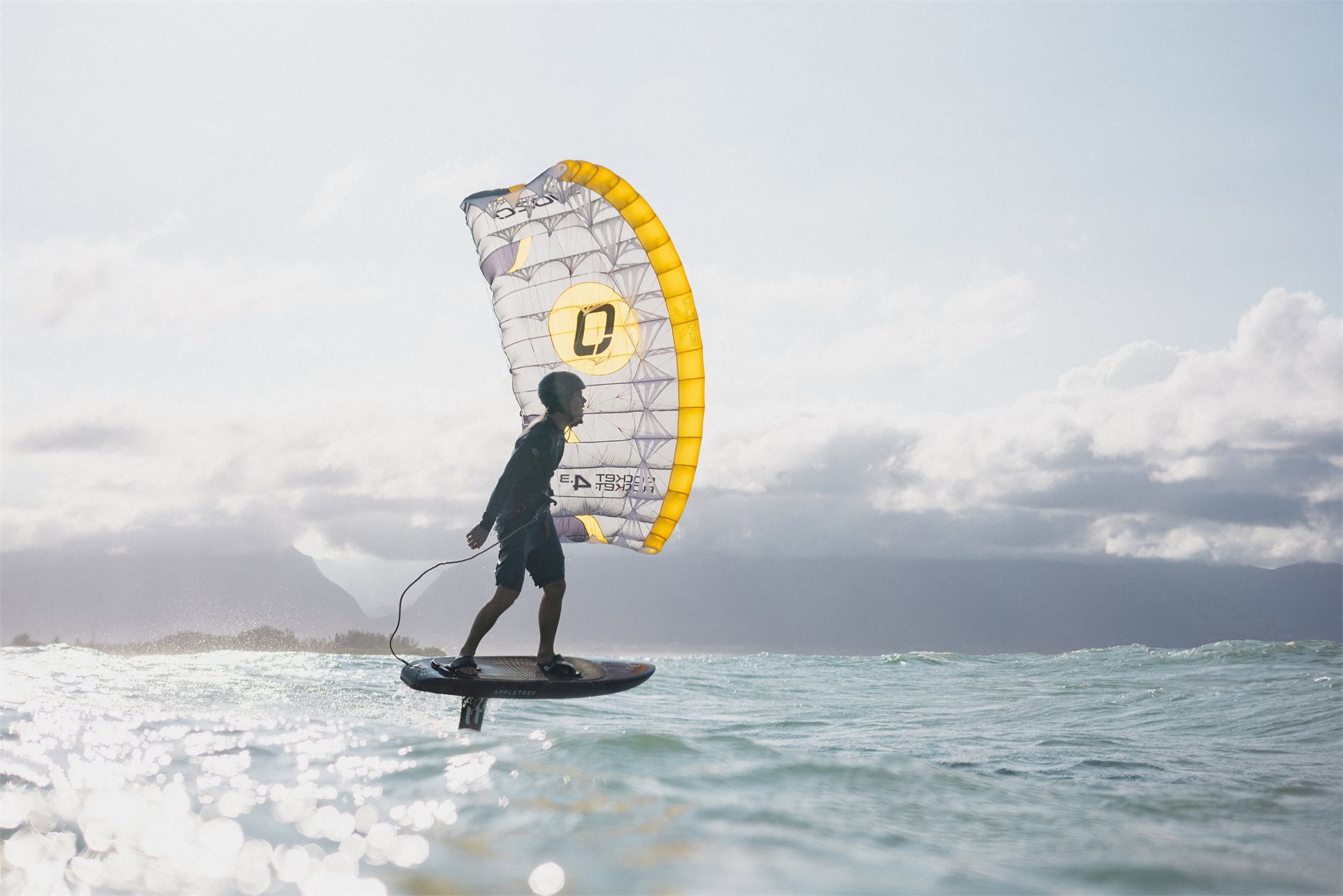
“Parawinging is no longer about one particular way of riding, and we're probably only scratching the surface of what's possible.”
Those savings might sound relatively modest on paper, but they become increasingly important in lighter conditions. A lighter canopy requires less airflow to remain flying, making it easier to keep the wing stable when the wind drops or when you’re moving towards it during a manoeuvre.
The Ultra-X is available in larger sizes, including 5.7m and 6.5m, specifically aimed at extending the possibilities for light-wind riding.
There’s also the practical benefit of having less material to deal with when you stash. During the demonstration, the team showed how the internal cutouts fold together, allowing the canopy to compress into an impressively small bundle.
“Weight has always mattered in foiling, but with a parawing, reducing the mass of the canopy can transform how it behaves.”
Naturally, lightweight materials require a little more care. Patrick was keen to point out that the fabric has a proven history in paragliding and shouldn’t suffer unusual wear during normal flying. However, it is more vulnerable to damage from rough handling, particularly around rocks or other sharp objects.
The Ultra-X is therefore an interesting option for riders who want to extract additional performance from their equipment, particularly when the wind is marginal. It’s not necessarily about going faster or riding more aggressively, but about making light-wind sessions easier and reducing the amount of equipment you’re carrying.
For anyone who has struggled to keep a parawing flying in marginal conditions, that’s an attractive proposition.
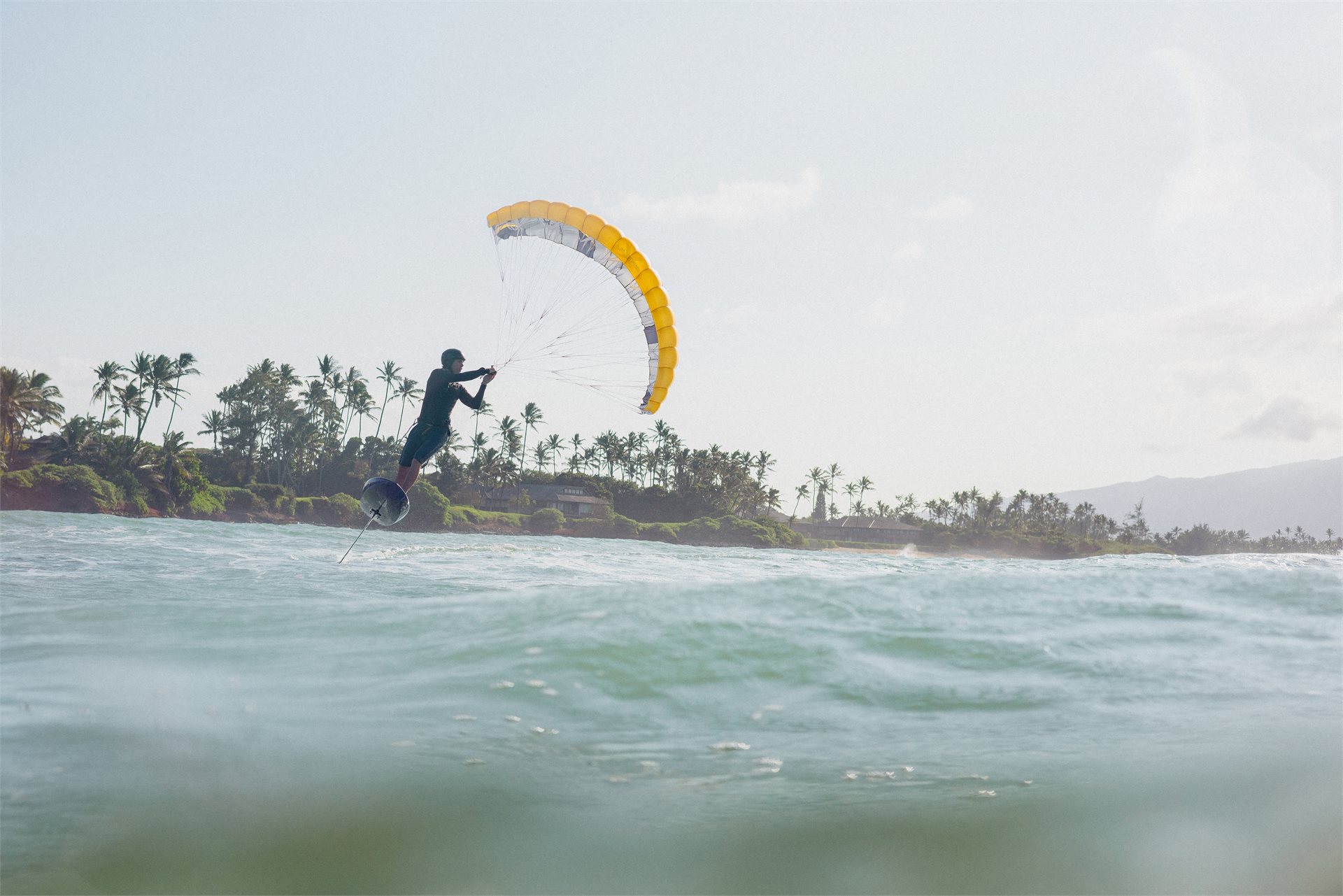
“When you're catching shorter waves and repeating the process constantly, every second counts.”
The Afterburner: A Different Level of Upwind Performance
The Afterburner is perhaps the clearest indication of how far parawinging has progressed. Where the PowerPack is all about simplicity and the Ultra-X concentrates on weight reduction, the Afterburner is focused on aerodynamic performance.
The idea behind it is particularly appealing: rather than organising a vehicle to take you back upwind after a downwinder, why not use the parawing to cover that distance yourself?
Of course, that has always been part of the appeal of parawinging, but the Afterburner takes the concept considerably further. Its higher-aspect canopy, increased cell count and more extensive bridle structure are all designed to improve speed, upwind angle and control at the top end of the wind range.
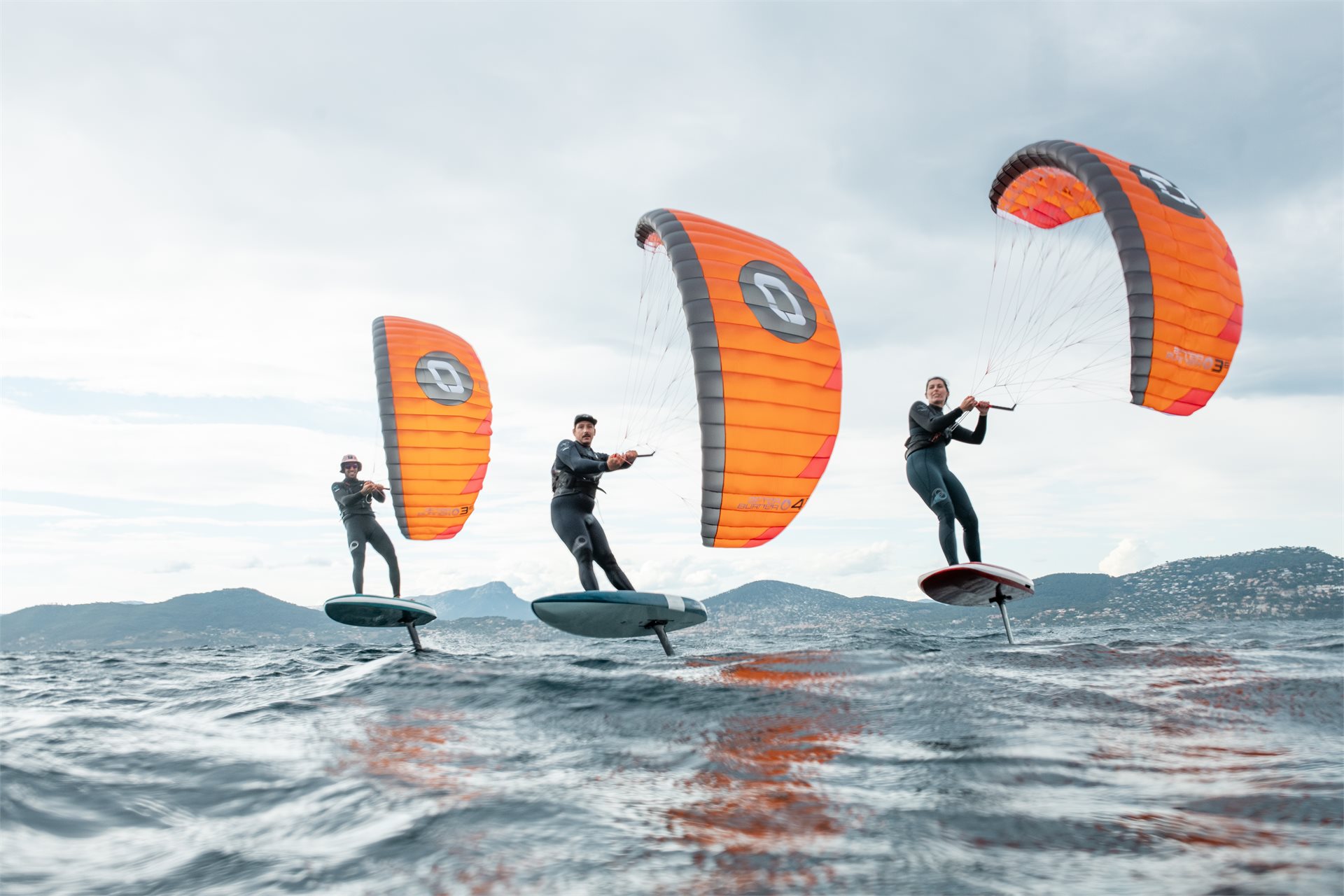
“The Afterburner is perhaps the clearest indication of how far parawinging has progressed.”
Patrick described using it for runs of around ten miles upwind before stashing the wing and enjoying the journey back downwind. That’s a very different proposition from catching a few waves close to shore, and it places very different demands on the equipment.
What makes the Afterburner particularly interesting is the way it manages power when the wind increases. With many parawings, the upper end of the wind range can become uncomfortable as the canopy loses efficiency and begins to flap. The Afterburner has been designed to remain more stable and aerodynamically efficient, allowing riders to maintain control while driving the foil hard upwind.
Patrick explained that the technique has a lot in common with kite foiling. Rather than relying entirely on sheeting out to reduce power, riders can use the foil itself to manage the load, edging harder and pointing higher into the wind.
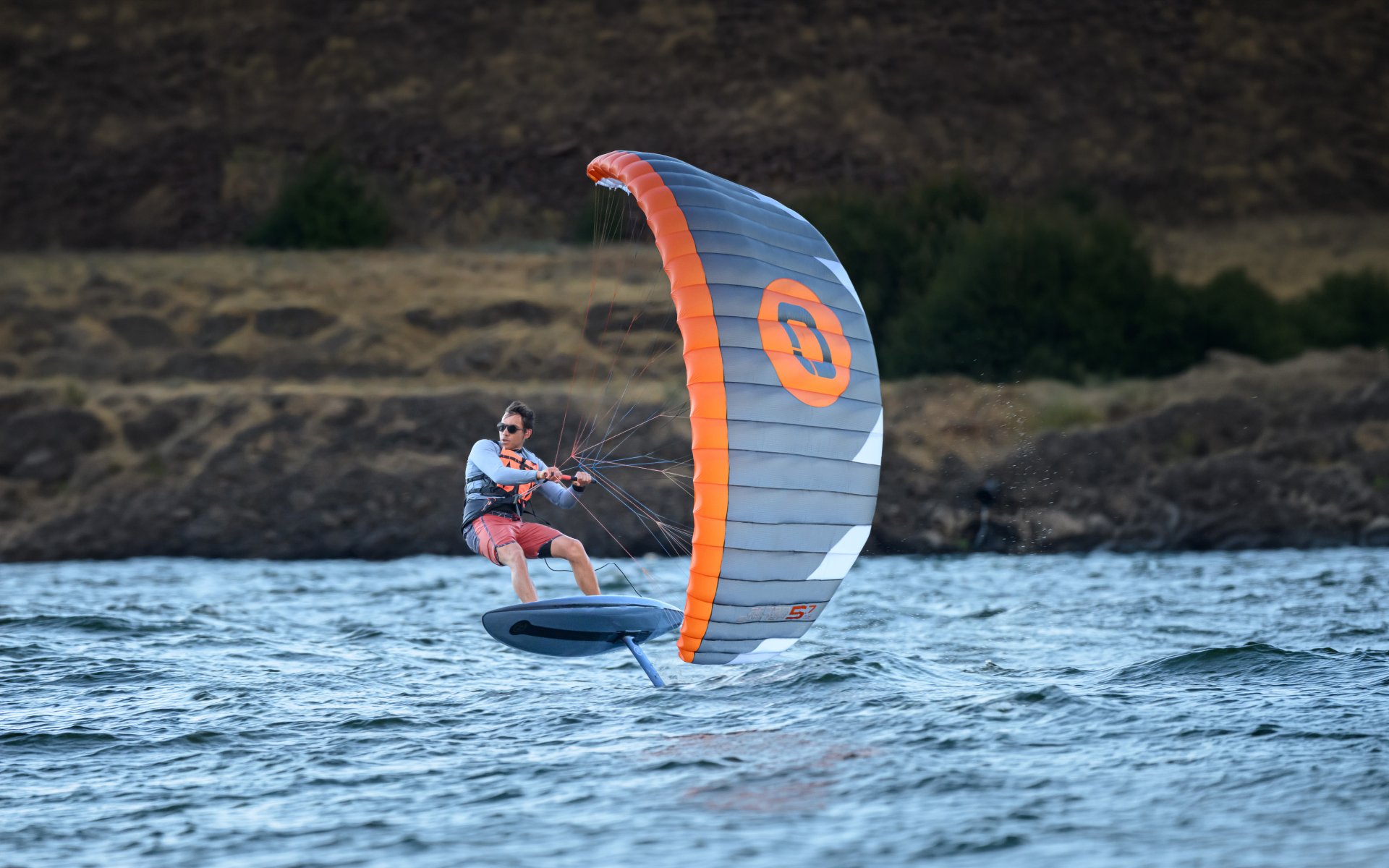
“Rather than relying entirely on sheeting out, riders can use the foil itself to manage power and drive harder upwind.”
That ability to convert power into upwind performance changes the whole experience. Instead of simply surviving stronger conditions, you’re able to use the additional wind to cover ground more efficiently.
The team also highlighted how well the Afterburner performs through tacks. Because the wing flies so far forward in the wind window, it continues pulling through the manoeuvre, making transitions smoother and more predictable.
Despite its more complex construction, the Afterburner can still be stashed relatively easily. It requires a little more care than the PowerPack, but the canopy folds down neatly, allowing riders to enjoy the same hands-free downwind experience that makes parawinging so appealing in the first place.
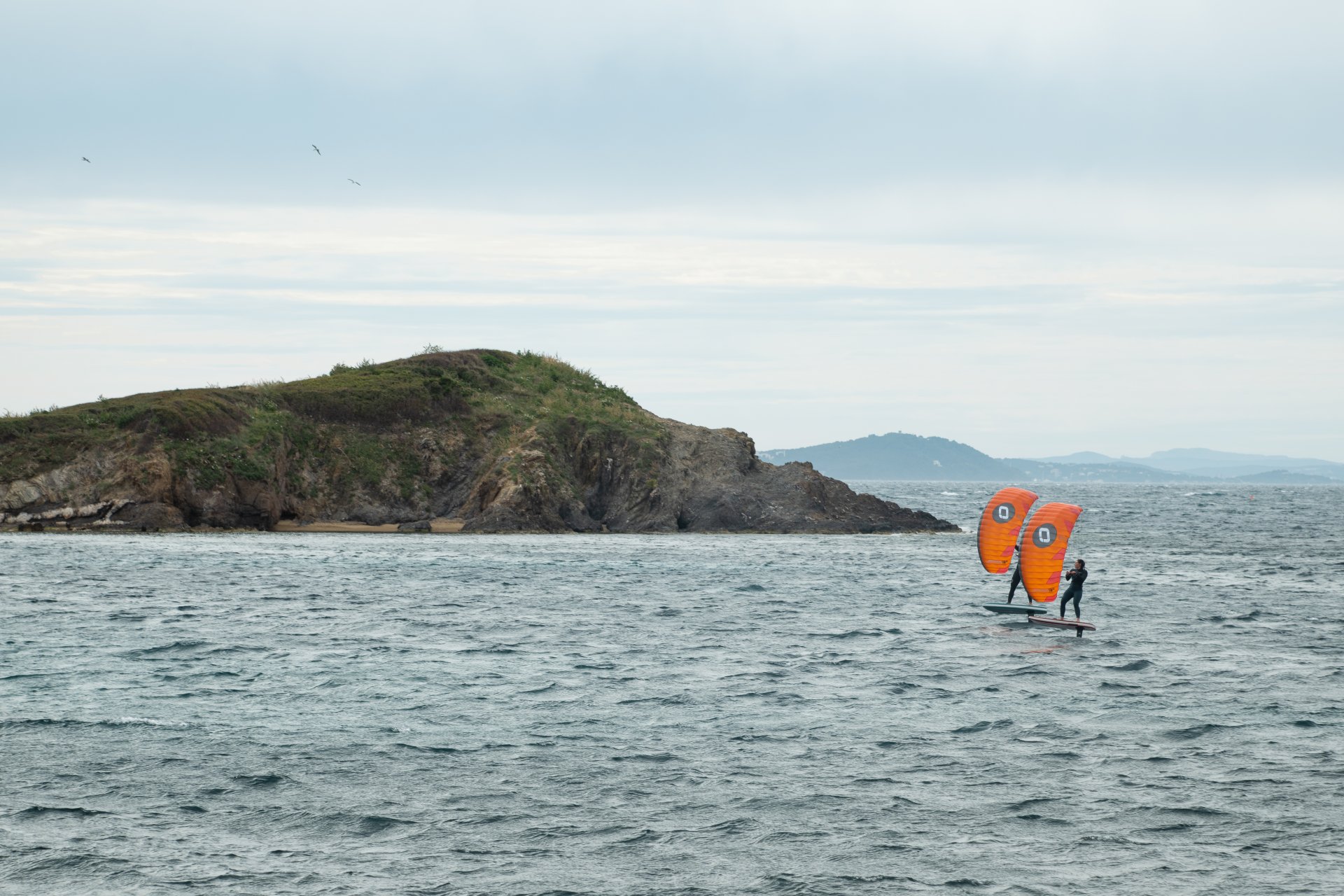
“The ability to travel ten miles upwind before stashing your wing and enjoying the ride home changes everything.”
It’s certainly a more specialised product, and probably not the first parawing you’d want to learn on. But for experienced riders looking to cover serious distances, explore new coastlines or maximise the upwind potential of their equipment, it represents an exciting direction for the sport.
Four Wings, Four Different Ways to Ride
What I found particularly interesting about spending time with the Ozone team was how clearly each product now fits into a different style of riding. There was a time when choosing a parawing was largely about selecting the correct size for the wind conditions. Now the conversation has become much more involved.
You might want the PowerPack for short wave sessions, where the ability to stash and redeploy quickly is everything. The Pocket Rocket V2 makes sense if you’re looking for a dependable all-rounder that can handle most of what you throw at it. The Ultra-X opens up possibilities in lighter winds and for riders who want the smallest possible package, while the Afterburner is aimed at those looking to push their upwind performance and cover much greater distances.
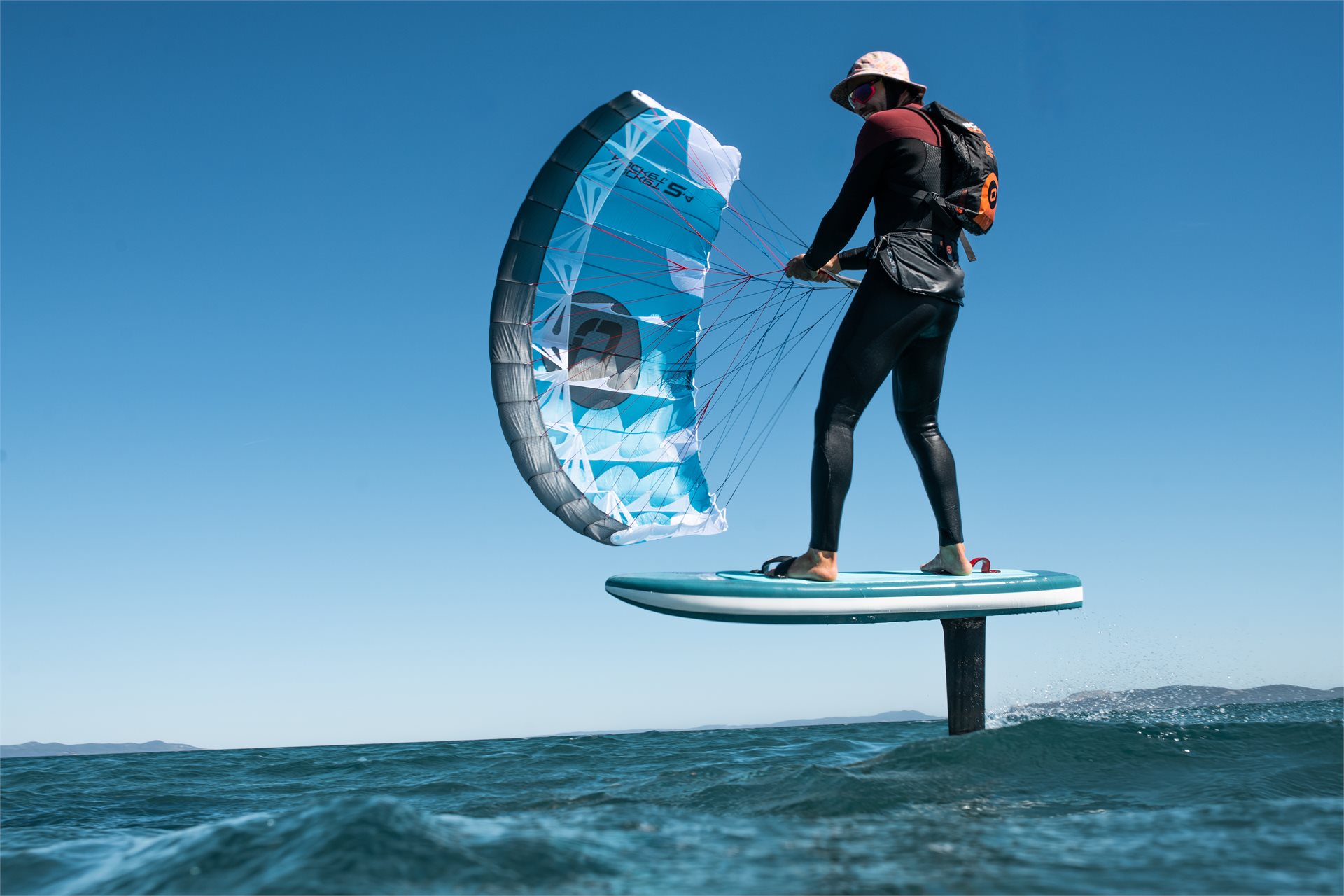
“The Pocket Rocket V2 is the wing designed to do a bit of everything, combining accessible handling with impressive performance.”
What’s also interesting is that these different approaches don’t necessarily compete with one another. An experienced rider might happily own a PowerPack for playing in the waves and an Afterburner for longer coastal adventures. The same rider could reach for an Ultra-X when the wind is barely blowing.
It’s a familiar progression if you’ve spent time around other windsports. Kitesurfing developed from a handful of relatively general-purpose designs into a world of dedicated wave kites, freestyle machines, freeride models and high-performance race equipment. Wingfoiling has followed a similar path, and we’re now seeing parawinging begin to develop its own distinct categories.
The pace of that development is particularly impressive when you consider how recently the discipline started gaining widespread attention.
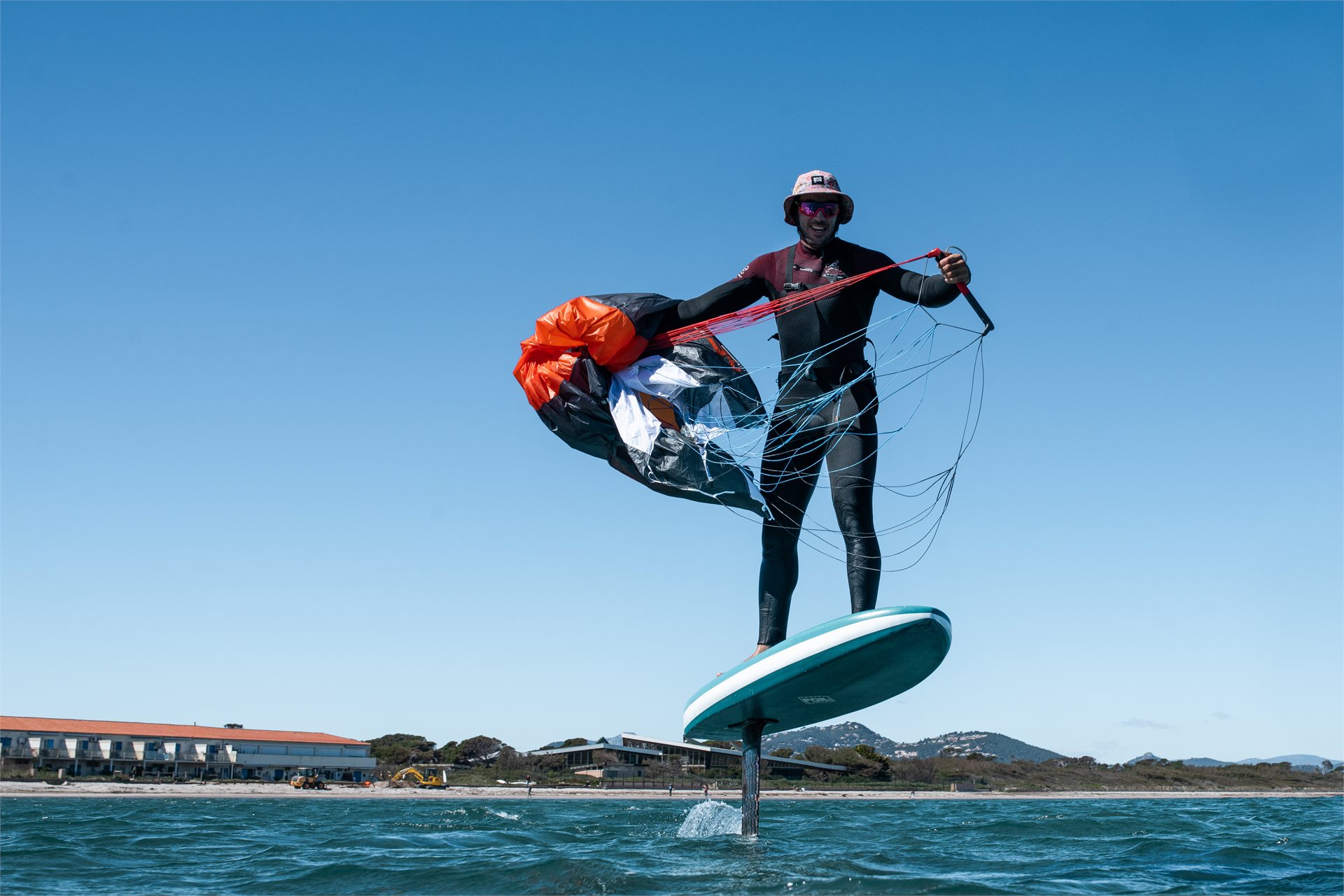
“Ozone's four parawings share the same fundamental concept, but their design priorities are surprisingly different.”
Where Does Parawinging Go From Here?
One of the things that makes parawinging so interesting is that riders are still discovering what they can do with it. Every improvement in upwind performance, canopy weight or stashing efficiency opens up new possibilities, and those developments are already influencing how people approach their sessions.
The ability to launch from a beach, travel a considerable distance upwind and then enjoy a long, uninterrupted downwind run without organising transport is a compelling prospect. So is the idea of spending an afternoon catching waves with almost nothing in your hands once you’re riding.
Light-wind performance is improving too, potentially making parawinging viable on days when many riders would previously have stayed on the beach.
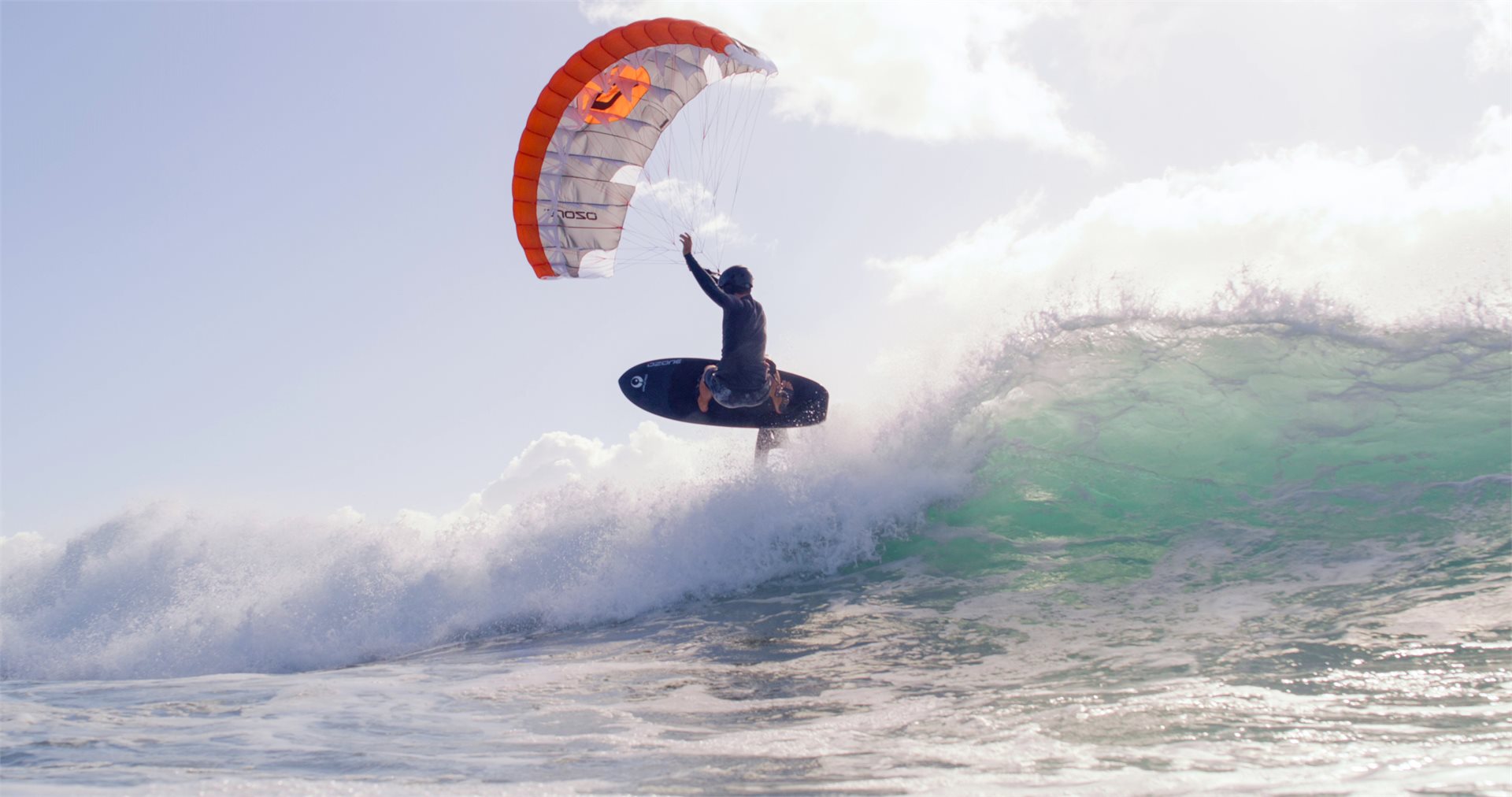
“A lighter canopy requires less airflow to remain flying, opening up possibilities in marginal conditions.”
There will undoubtedly be further developments, and it will be interesting to see how much more performance designers can extract from these relatively simple pieces of equipment. But perhaps the biggest change is that parawinging is no longer just about one particular way of riding.
Ozone’s four-wing range demonstrates that there’s already enough variety within the sport to justify genuinely different designs, each with its own strengths and compromises.
For a discipline that’s still finding its feet, that’s a remarkable amount of progress. And judging by the enthusiasm of the people developing and riding this equipment, we’re probably only scratching the surface of what’s possible.
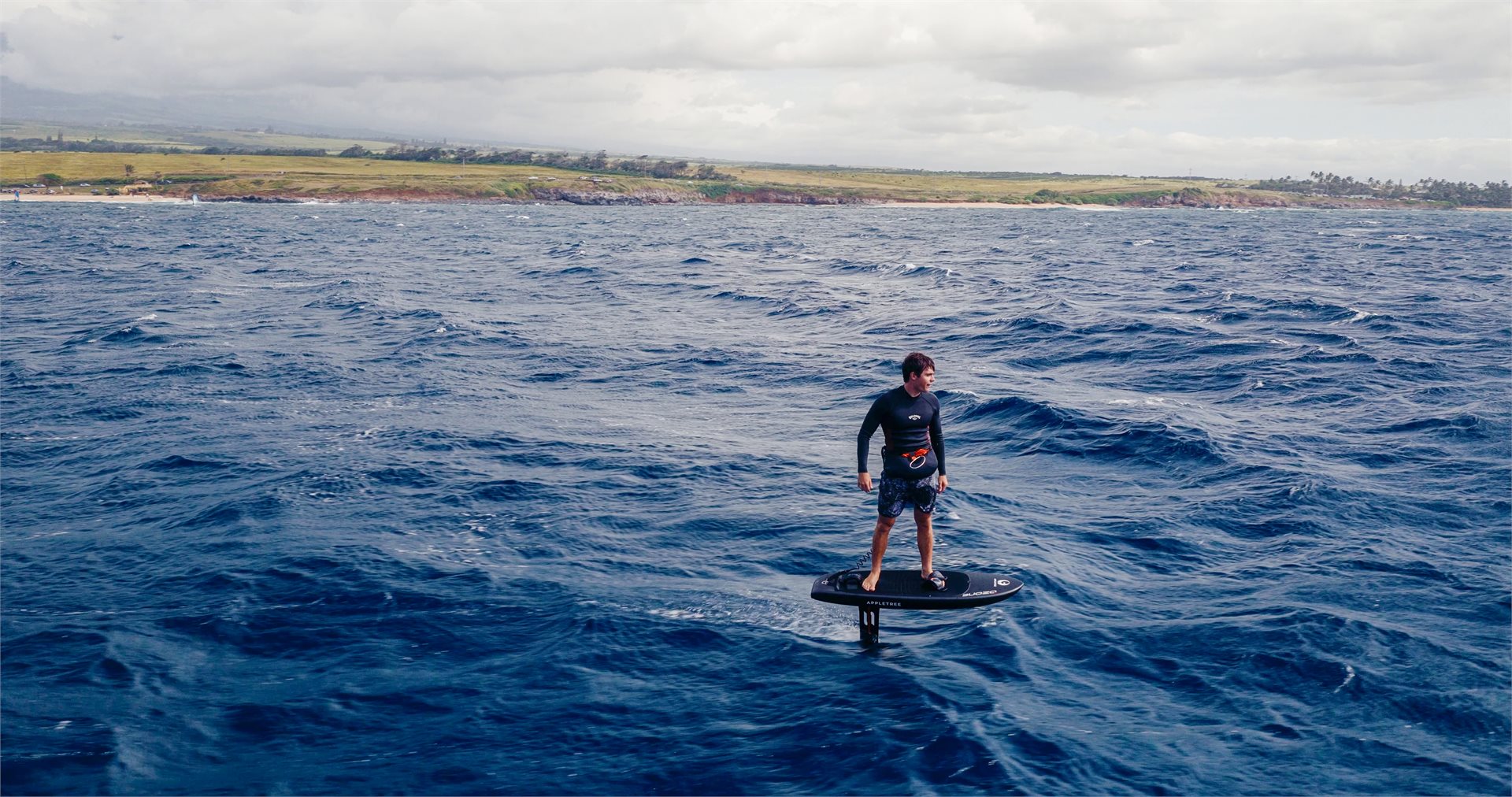
“The ability to travel ten miles upwind before stashing your wing and enjoying the ride home changes everything.”