

Features
The Code to Success – Marcus Tardrew on the Shape Of Things To Come
From growing up on a sailing boat to creating one of foiling’s most talked-about brands, Marcus Tardrew has spent his life chasing the ocean. Alongside his brother Ben, Dan Juengling and James Casey, he’s turned that passion into Code Foils, a company built on a love of the sport, endless experimentation and a willingness to take a few chances along the way.
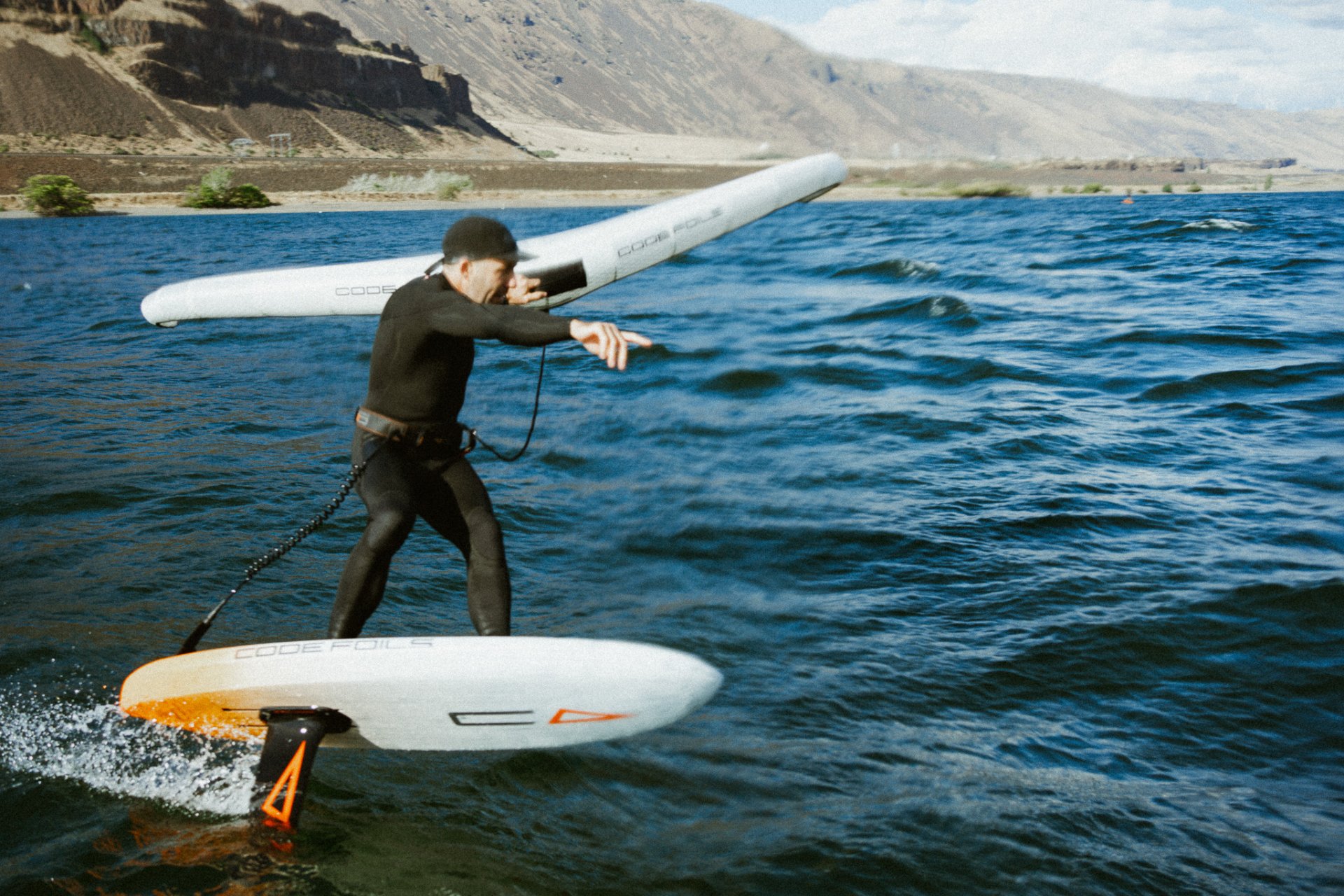
When Marcus Tardrew was eleven years old, his parents made a decision that would shape the rest of his life. They sold their house, quit their jobs, bought a boat and took the family sailing along the Australian coast. His father had been a teacher, but he’d reached the point where he wanted something different, and rather than simply talking about it, he decided to make it happen.
The family spent a year living onboard, travelling as far north as the Whitsundays before circumstances brought the adventure to an end. Marcus celebrated his twelfth birthday by getting his diving qualification, and by the time they returned to dry land, he’d developed a deeper love of the ocean that would never really leave him.
It wasn’t an easy transition back to normal life. His parents bought a struggling chandlery business, and with no house to return to, the family moved in with Marcus’s grandmother. Marcus and his brother Ben slept on the sofa while their parents worked to rebuild the business. Looking back, he has enormous respect for the commitment they made.
“That was definitely the year that shaped my life,” he explains. “I fell in love with just being on the ocean, being on a boat. I just wanted to be in the water or on the water.”
That passion eventually led the brothers into competitive sailing, racing skiffs well into their twenties and even pursuing an Olympic campaign before funding difficulties and burnout brought that chapter to an end. Windsurfing came next, and Marcus became obsessed with wave sailing. After a trip to Western Australia, where he slept in the back of a hire car while exploring the legendary spots around Lancelin and Geraldton, he returned to Melbourne and convinced Ben they needed to move.
“That was definitely the year that shaped my life.”
Six months later, they’d sold their homes and driven across the country. Marcus would spend more than twenty years in Western Australia, enjoying the endless wind, waves and relative isolation before eventually relocating to Queensland.
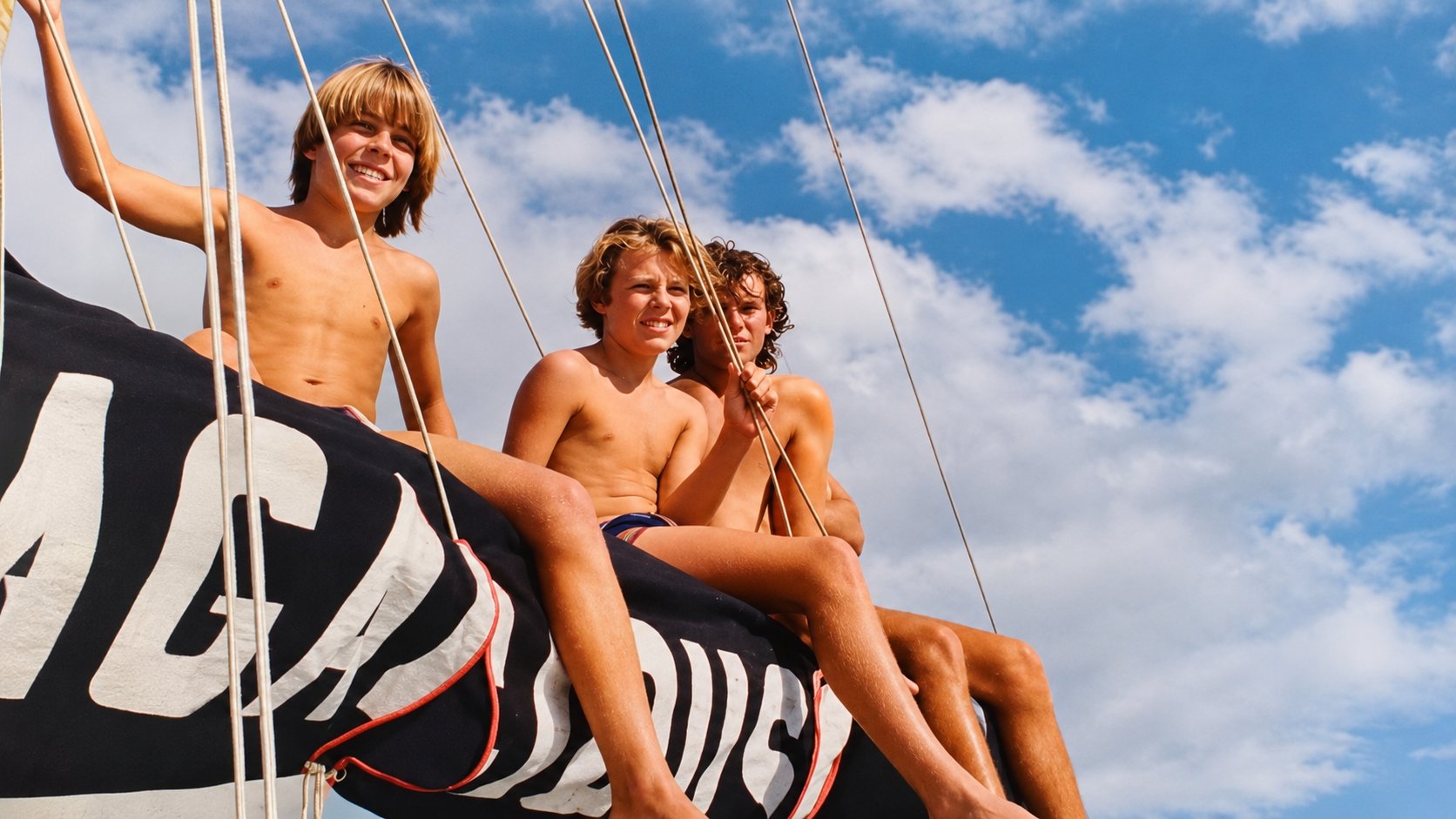
It wasn’t just the ocean that shaped his future. His father had always built his own boats, and Marcus and Ben grew up helping him make moulds and construct the boats they would eventually race. When SUP began taking off, Marcus taught himself how to use shaping software and started designing boards, eventually working with Sunova while continuing to experiment with his own creations.
“I guess we’re just from a family of tinkerers,” he laughs. “When you have these conversations, you realise you’ve just ended up exactly like your dad.”
“I fell in love with just being on the ocean, being on a boat.”
Discovering Foiling
Marcus was already an experienced SUP paddler and downwind enthusiast when the first footage of riders like Connor Baxter foiling open-ocean swells in Hawaii started circulating. The idea of linking bumps without constantly paddling was irresistible, although getting hold of equipment in Australia was anything but straightforward.
GoFoil was pretty much the only option; dedicated foil boards didn’t exist, and there was very little information about how to get started. Marcus fitted a Tuttle box into his smallest surf SUP, a 6’10”, and headed into the waves.
The experience was terrifying. With no real understanding of how the foil would behave, he was particularly concerned about other people in the water.
“If someone was within twenty metres of me, I just wouldn’t catch a wave,” he remembers. “I didn’t know where I was going or what was going to happen.”
Within a couple of weeks, he was comfortably catching waves, although the equipment made progression considerably harder than it is today. His real ambition, however, was downwinding, and despite years of downwind SUP racing experience, learning to read the ocean from a foil was a completely different challenge. Those first successful flights might only have lasted fifty metres, but they were enough to convince him of the potential.
When Marcus returned to Western Australia, foiling was still in its infancy. He remembers working in a watersports shop where there were initially just a couple of foils tucked away in a corner. By the time he left, around half the business was dedicated to foiling.
“I guess we're just from a family of tinkerers.”
Wingfoiling had arrived, bringing an entirely new audience into the sport, and Marcus particularly enjoyed watching older windsurfers rediscover their enthusiasm for getting on the water.
“It was like watching these guys become grommets again,” he says. “They were just so excited.”
For Marcus, that’s one of foiling’s greatest strengths. It’s brought together people from surfing, sailing, windsurfing, kitesurfing and paddling, creating a community that crosses the boundaries that traditionally separated those sports.
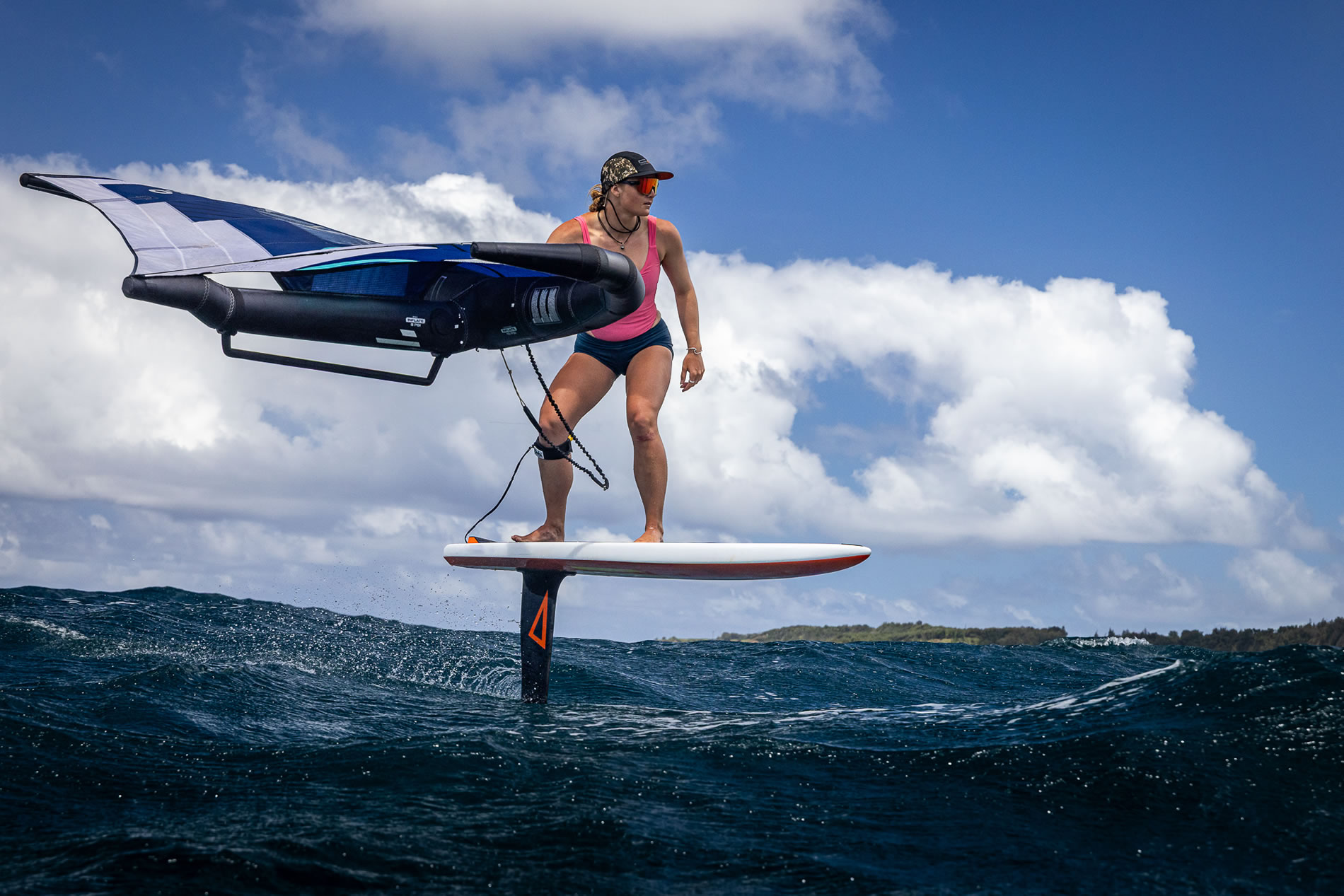
“When you have these conversations, you realise you've just ended up exactly like your dad.”
The Accidental Foil Company
Given Marcus’s background, you might imagine Code Foils was the result of years of planning and carefully calculated business decisions. The reality was rather different.
The company began with Marcus, his brother Ben, James Casey and Dan, four friends who shared an enthusiasm for foiling and thought they might be able to make something themselves. James’s father had been encouraging them to start their own business, and eventually they decided to give it a go.
There was just one small problem. Marcus knew how to design boards, but he’d never actually designed a foil. Dan had experience with CAD, and through a friend they managed to make contact with a factory that had previously ignored their enquiries.
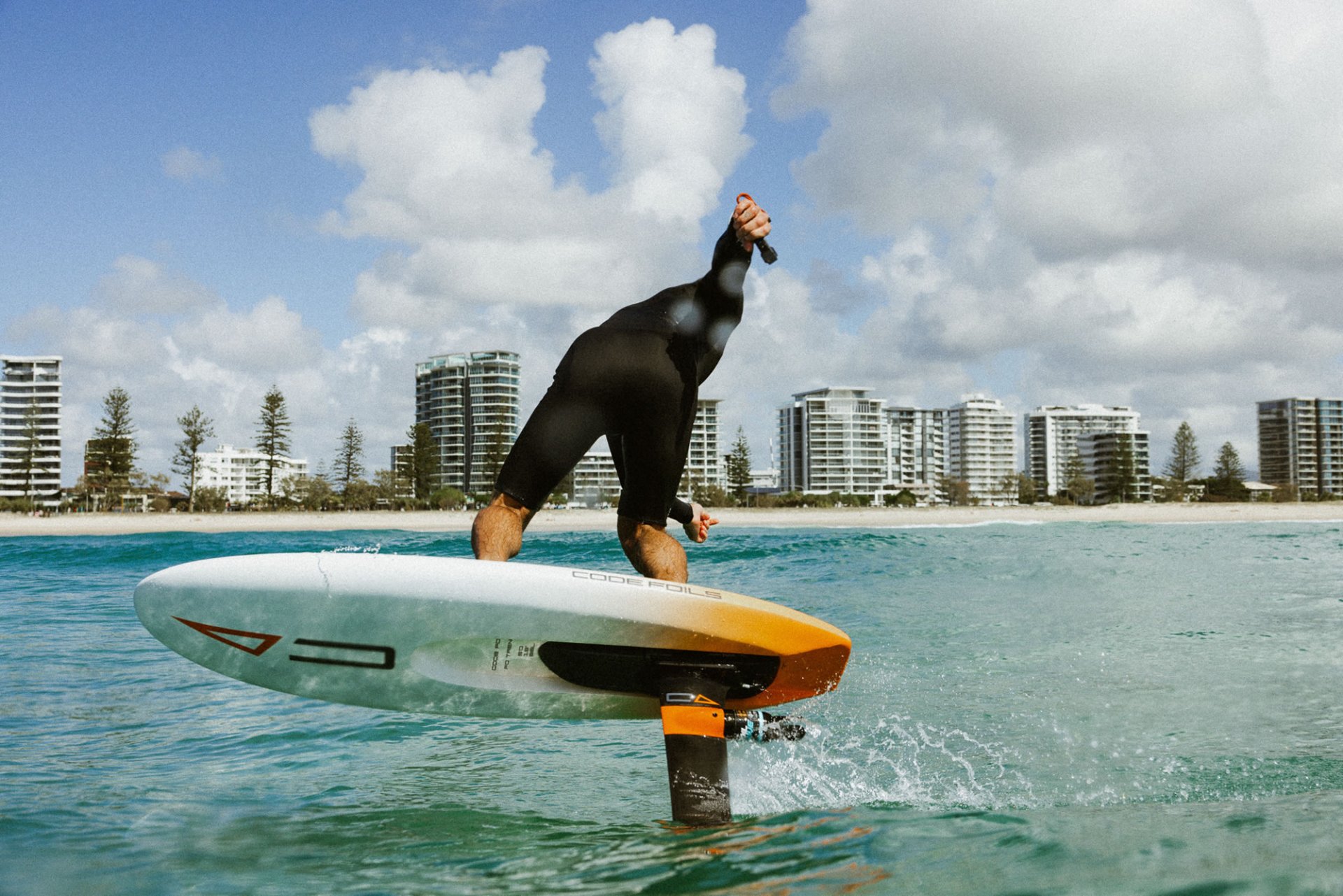
“If someone was within twenty metres of me, I just wouldn't catch a wave.”
The factory agreed to produce five prototype sets of a single design, the 850 S. They tested them, loved them and decided to order fifty more. That was essentially the business plan.
“Honestly, I just think it was a whole lot of ignorance,” Marcus admits. “If I knew what I know now, there’s probably no way I would do it.”
Code started with one foil in one size, and because all four founders had other jobs, they could reinvest whatever money the business made into developing more equipment. They sold the first batch, used the proceeds to produce another size and gradually built the range.
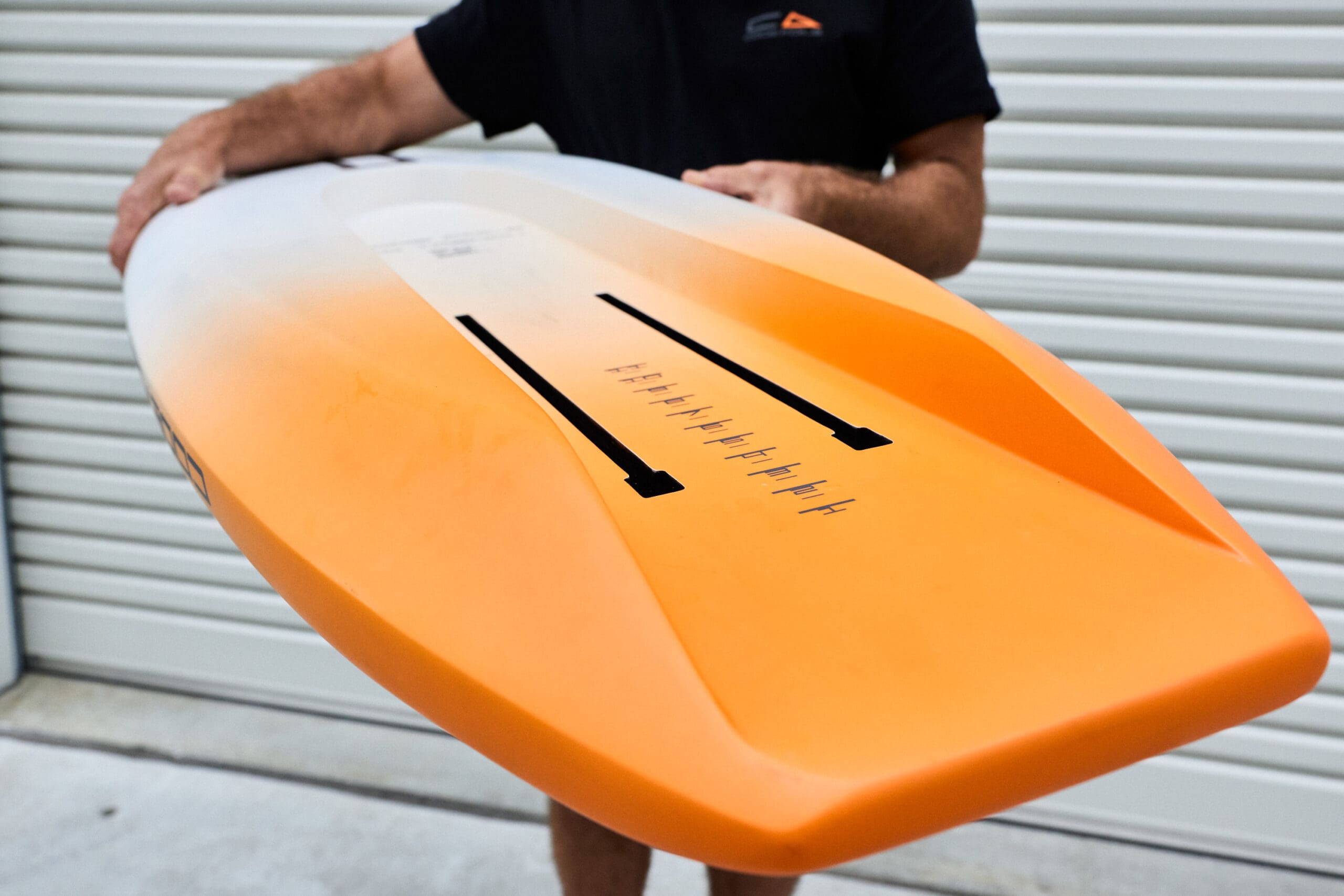
“I didn't know where I was going or what was going to happen.”
It was an unconventional approach, but it worked. Code quickly established itself in the high-performance foil market, with its equipment appearing under some of the sport’s leading riders and gaining a loyal following among recreational foilers.
Despite that success, Marcus is determined to preserve the mentality that started the company. Running an international equipment brand involves plenty of work that has very little to do with foiling, and he admits the administrative side can occasionally take over.
“If you’re not getting on the water, you’re probably not making good foils,” he says.
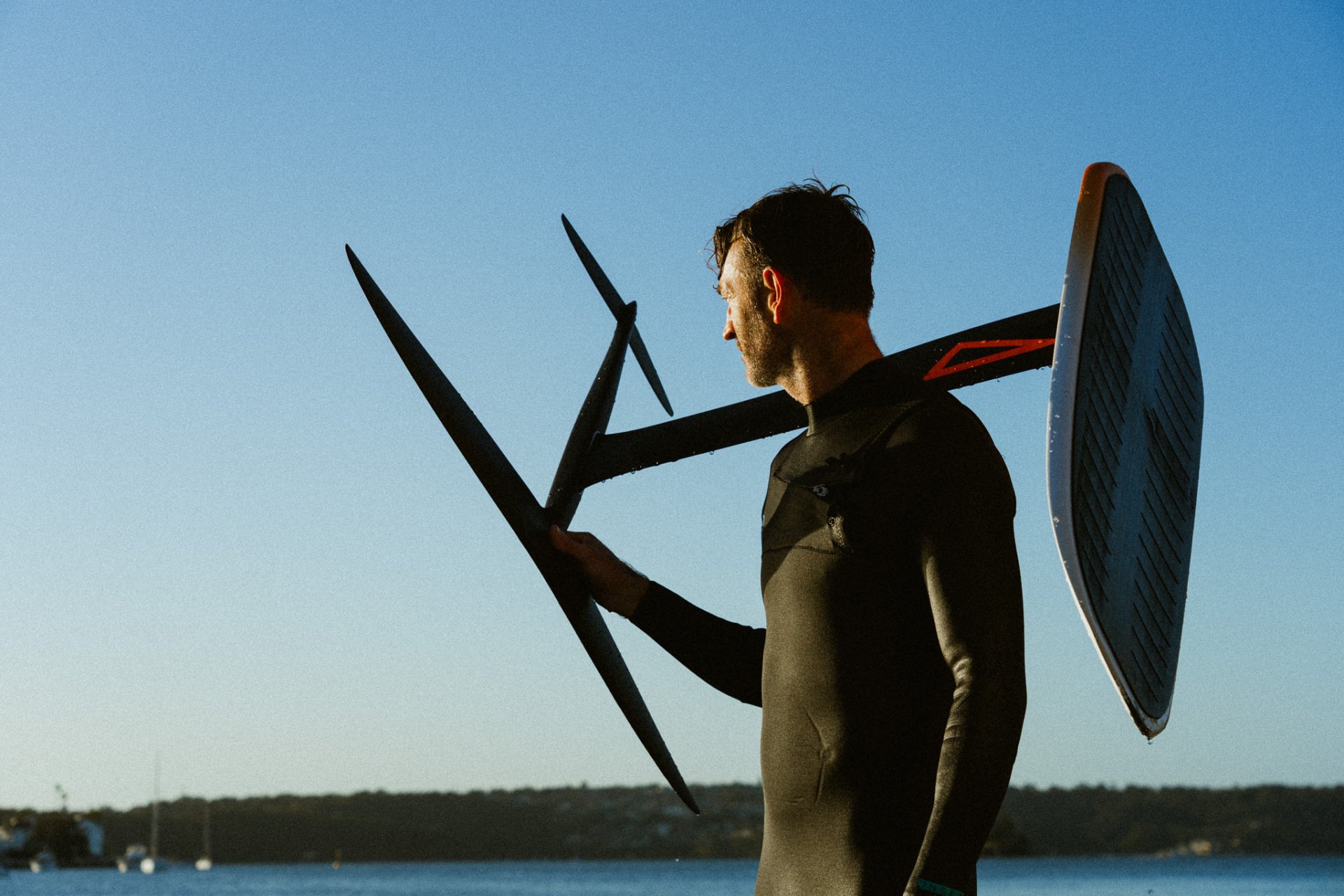
“It was like watching these guys become grommets again.”
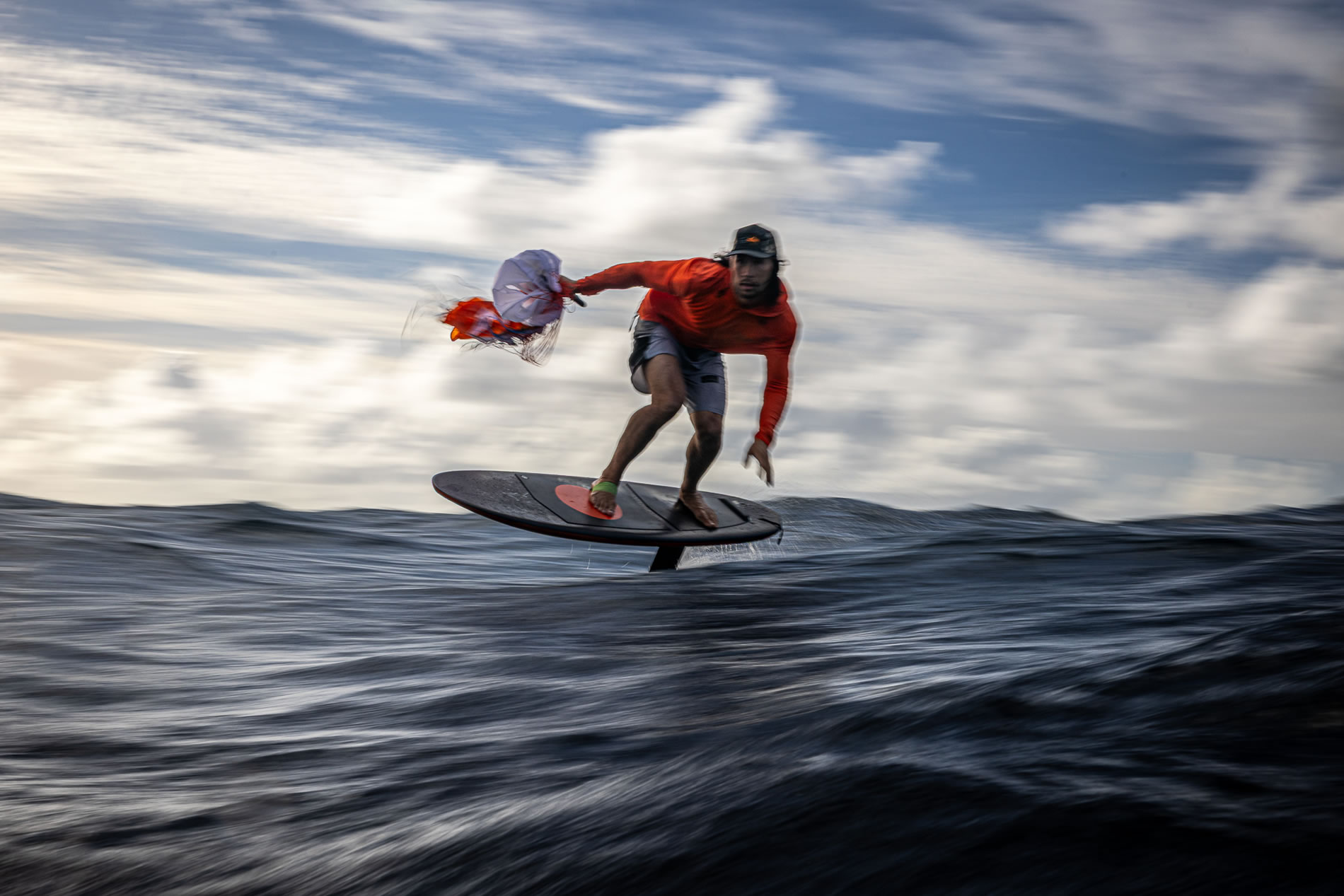
Product development remains a constant process, with multiple prototypes being tested at any given time. Marcus estimates that roughly half his sessions involve riding equipment he genuinely wants to use, while the other half are spent testing things that might not necessarily suit the conditions.
Code’s approach relies heavily on the experiences of its founders and riders. They design equipment, test it themselves and then share promising prototypes with a wider group of trusted foilers to see whether the feedback matches their own impressions.
Even when travelling to visit dealers, Marcus would rather spend time foiling with them than sitting around discussing margins and freight costs. The commercial side is unavoidable, but he doesn’t want it to become the reason the business exists.
“Honestly, I just think it was a whole lot of ignorance.”
Bringing Boards Into the Equation
For a company founded by two brothers with extensive board-shaping experience, it was probably inevitable that Code would eventually introduce its own range of boards. Even so, the project has been a substantial undertaking.
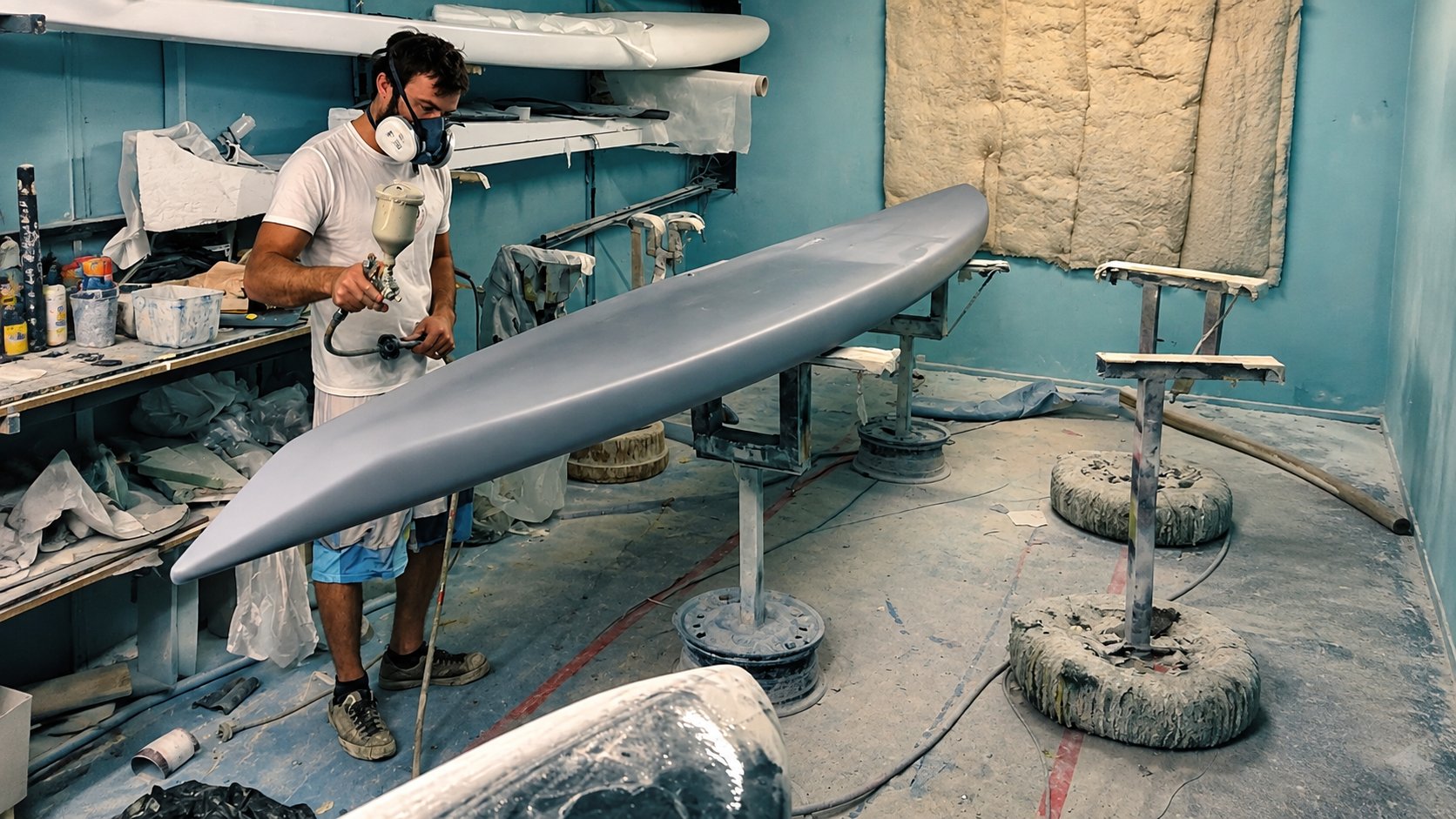
Designing the boards was arguably the easy part. Marcus continues to work with Sunova, while Ben regularly produces custom boards for local riders. The challenge was finding a manufacturing partner capable of delivering the quality they wanted.
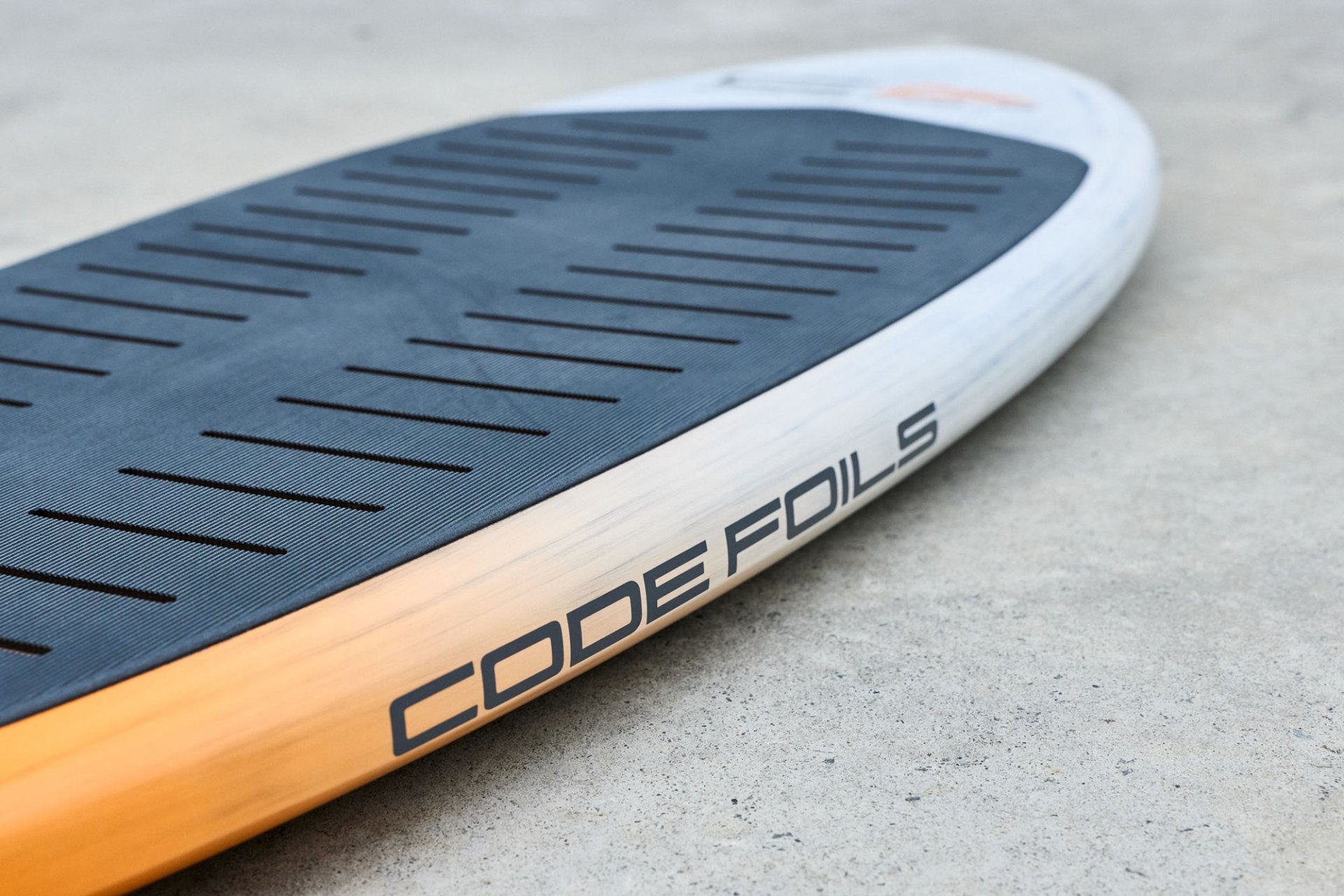
Code eventually found a factory in China that was already producing boards for several established brands. They ordered samples and spent around a year testing them, paying particular attention to durability and construction before unveiling the range at AWSI in Hood River.
“If I knew what I know now, there's probably no way I would do it.”
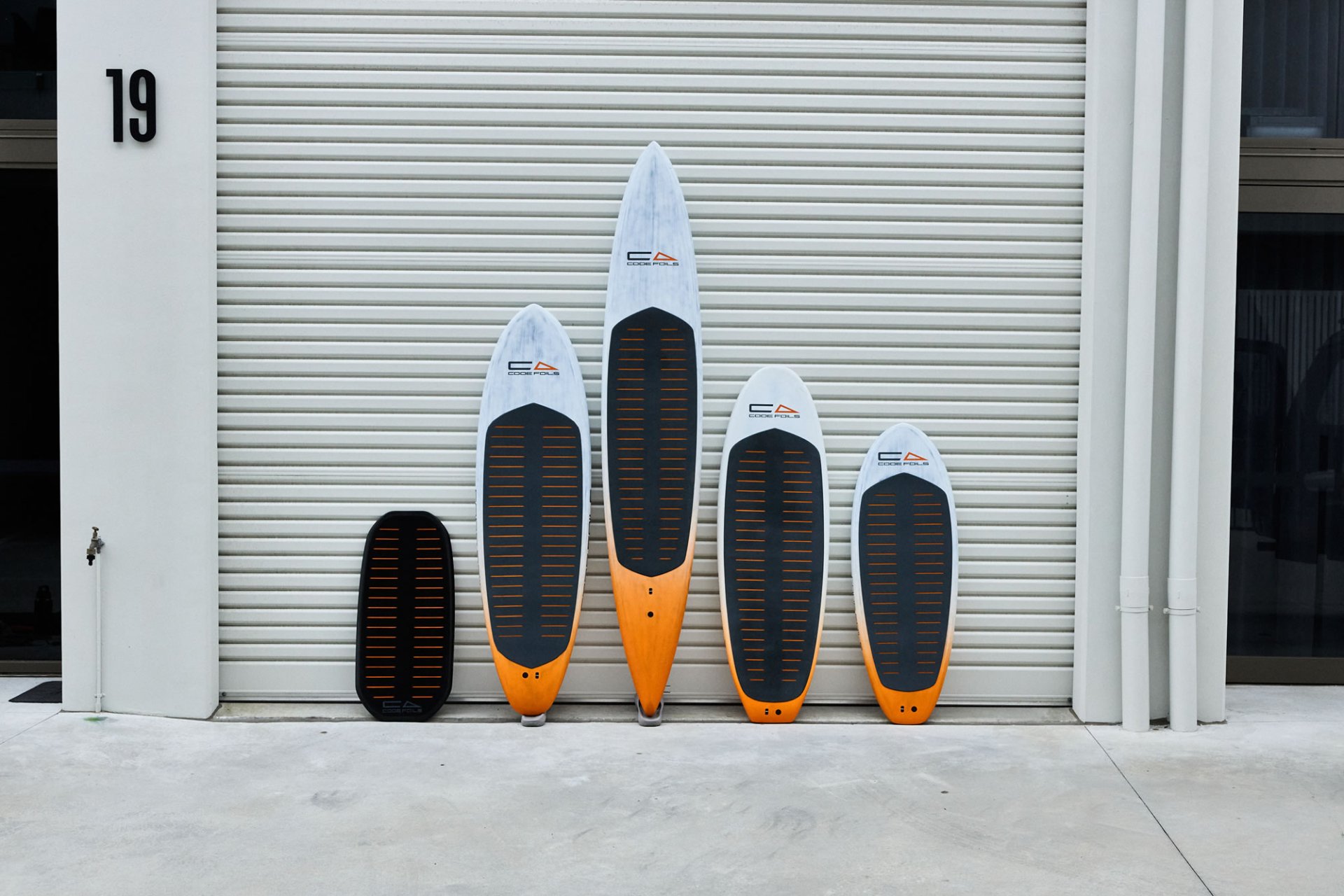
Rather than launching with a single shape, Code introduced boards covering prone foiling, downwinding, winging, parawinging and assisted foiling.
It’s a significant expansion for a relatively young brand, and Marcus admits that building a board business feels almost like starting Code all over again. Foils are comparatively easy to manufacture, stock and ship, while boards are larger, more vulnerable to damage and often need to travel by sea, creating longer lead times and additional financial pressure for both Code and its dealers.
But having boards alongside the foils makes the brand feel more complete, bringing together everything Marcus and Ben have learned about board design and foil performance.
“If you're not getting on the water, you're probably not making good foils.”
One of the most interesting aspects of the range is the emphasis on prone foiling. It’s a relatively small market compared with winging or assisted foiling, but it’s a discipline that Marcus and Ben are particularly passionate about.
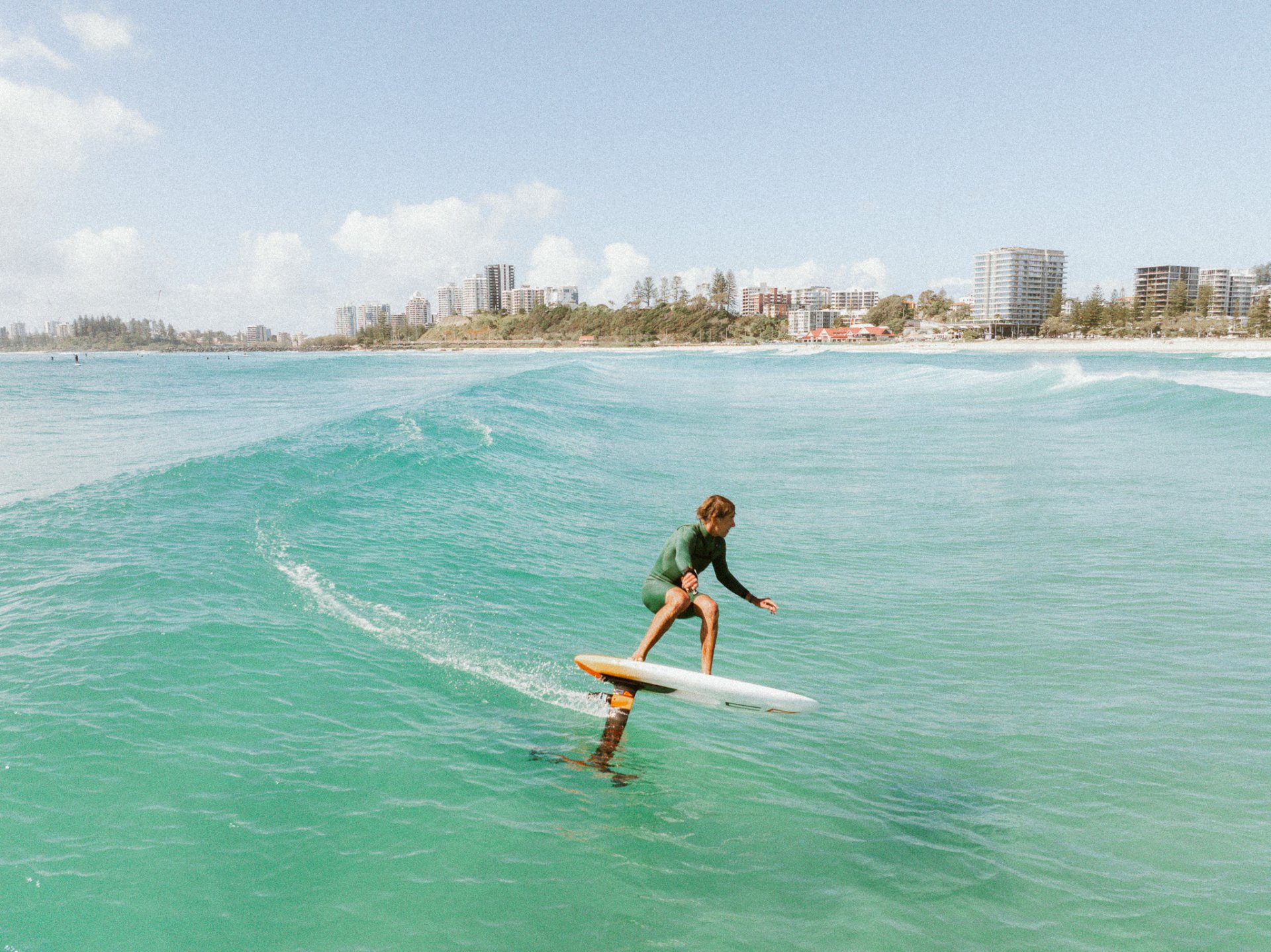
Living on the Gold Coast, Marcus spends around seventy per cent of his foiling time surfing, with the remaining thirty per cent generally dedicated to downwinding. His current favourite prone board is a 5’0″, 28-litre mid-length, and he’s largely moved away from the shorter, wider shapes that dominated prone foiling for years.
The longer, narrower outline offers advantages when paddling into waves and dealing with whitewater, and Marcus credits riders such as Josh Ku with helping popularise the approach in Australia.
“The founders love prone foiling, so they want to make boards they enjoy riding.”
For years, prone board development seemed focused on making boards smaller and smaller. Now, riders are discovering that a little extra length can make life considerably easier without necessarily compromising the experience once they’re flying.
Marcus freely admits that Code’s extensive prone range is partly a selfish decision. The founders love prone foiling, so they want to make boards they enjoy riding, even if the market for them is relatively limited.
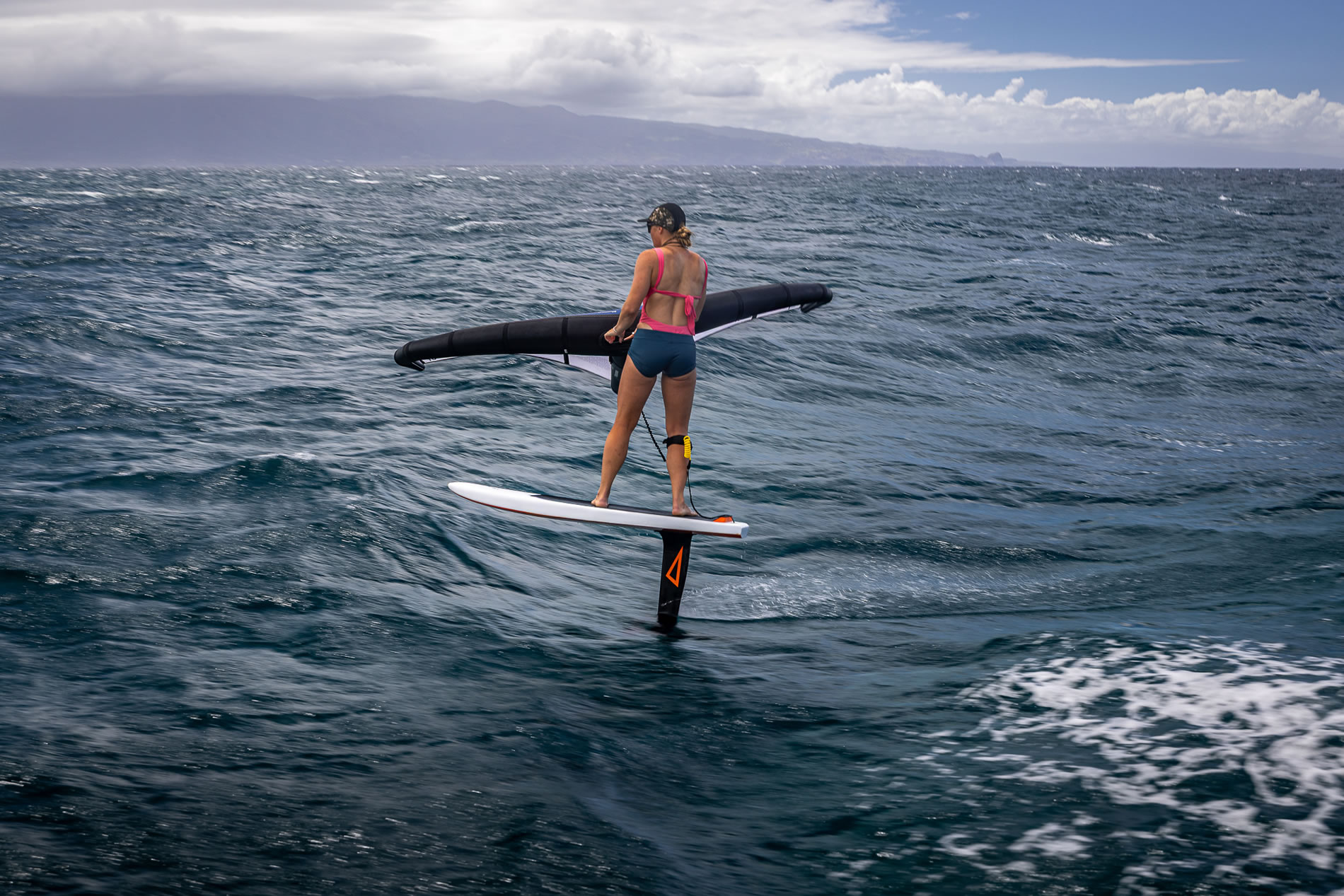
The broader range follows a similar philosophy. The WASP series, whose name stands for Wing, Assist, SUP and Power Wing, is designed to cover several disciplines without requiring a completely different board for every activity. It’s the one board that does it all, quiver killer. Marcus recently travelled to Hood River with a 60-litre WASP that he used for prone foiling, parawinging and winging.
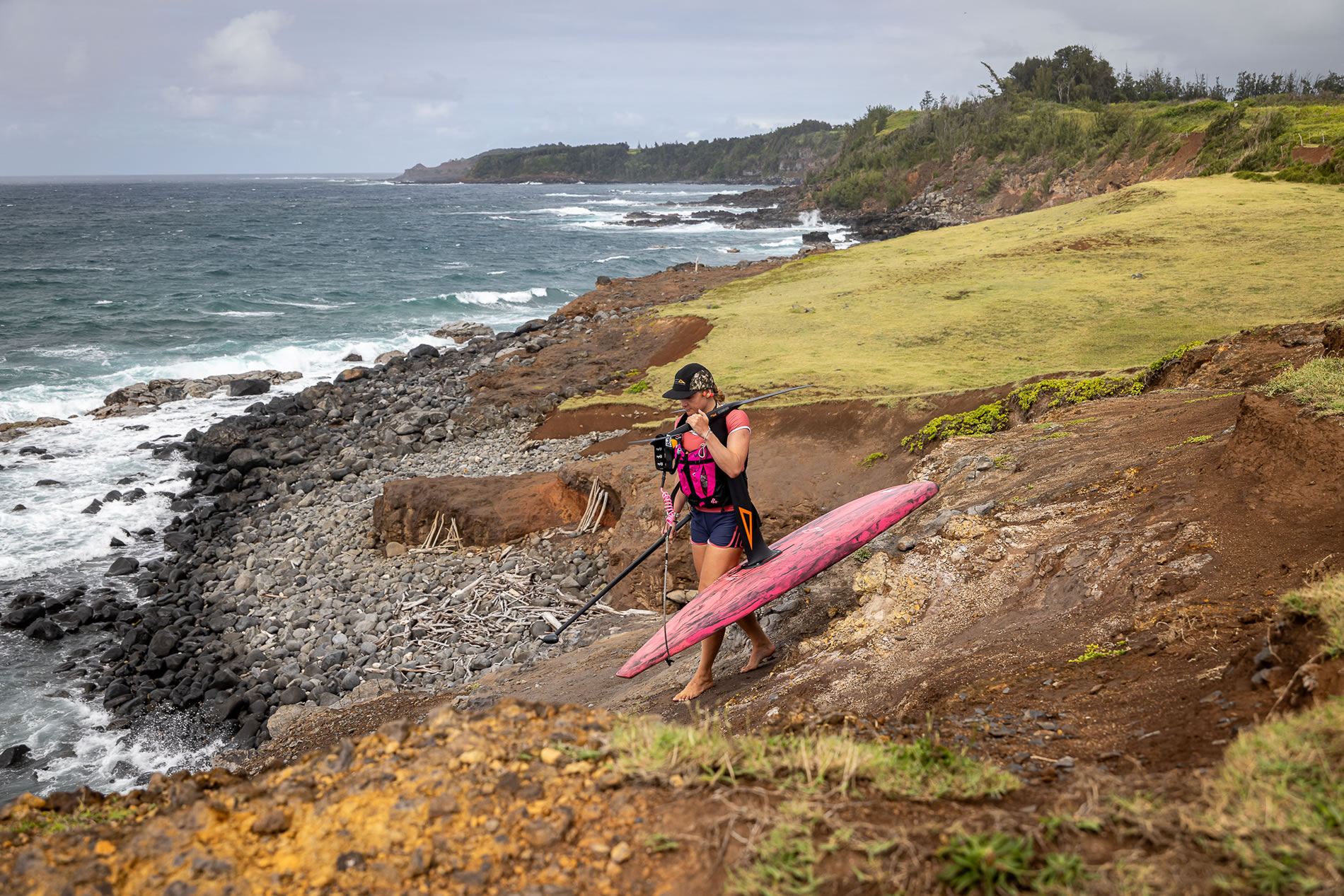
“For years, prone board development seemed focused on making boards smaller and smaller.”
Code has deliberately avoided launching a conventional short, square wing board, with Marcus believing the rise of mid-length shapes has changed what many riders now want from their equipment.
Another interesting addition to the range is the FAST (Foil Assist Super Trench), a dedicated foil assist board that reflects just how quickly this side of the sport is growing. With systems like Foil Drive opening up new possibilities for getting into waves, extending sessions and making the most of marginal conditions, assisted foiling is becoming a discipline in its own right.
Code’s FAST boards feature a larger recessed “super” trench that allows the battery to sit within the board and foil setup, creating a cleaner, more integrated arrangement. It’s big enough that you can change the battery on a larger system like the Foil Drive Fusion without having to move the mast. Available in 30, 38 and 49-litre sizes, with full-carbon construction and reinforced foil tracks, they’re designed specifically around the demands of assisted foiling rather than simply adapting an existing prone shape. It’s another example of how Marcus and Ben are responding to the changing ways people are getting out on the water.
“I wanted it to do everything better, but I didn't want it to become harder to use.”
Making the R Better
While the new boards represent a significant milestone for Code, the company’s reputation has largely been built on its foils. The original R Series established Code as a serious contender in the high-performance downwind market, offering impressive efficiency without the intimidating handling characteristics traditionally associated with very high-aspect wings.
Improving on that formula was always going to be a challenge, but Marcus is surprisingly candid about the original R’s position in the market. Foil development moves incredibly quickly, and the demands of establishing a new business meant Code effectively lost around a year of potential development time.
While the team was busy figuring out how to run the company, other manufacturers continued pushing their designs forward. By the time Code was ready to introduce the R2, Marcus felt the original had lost some of the advantage it enjoyed when first released.
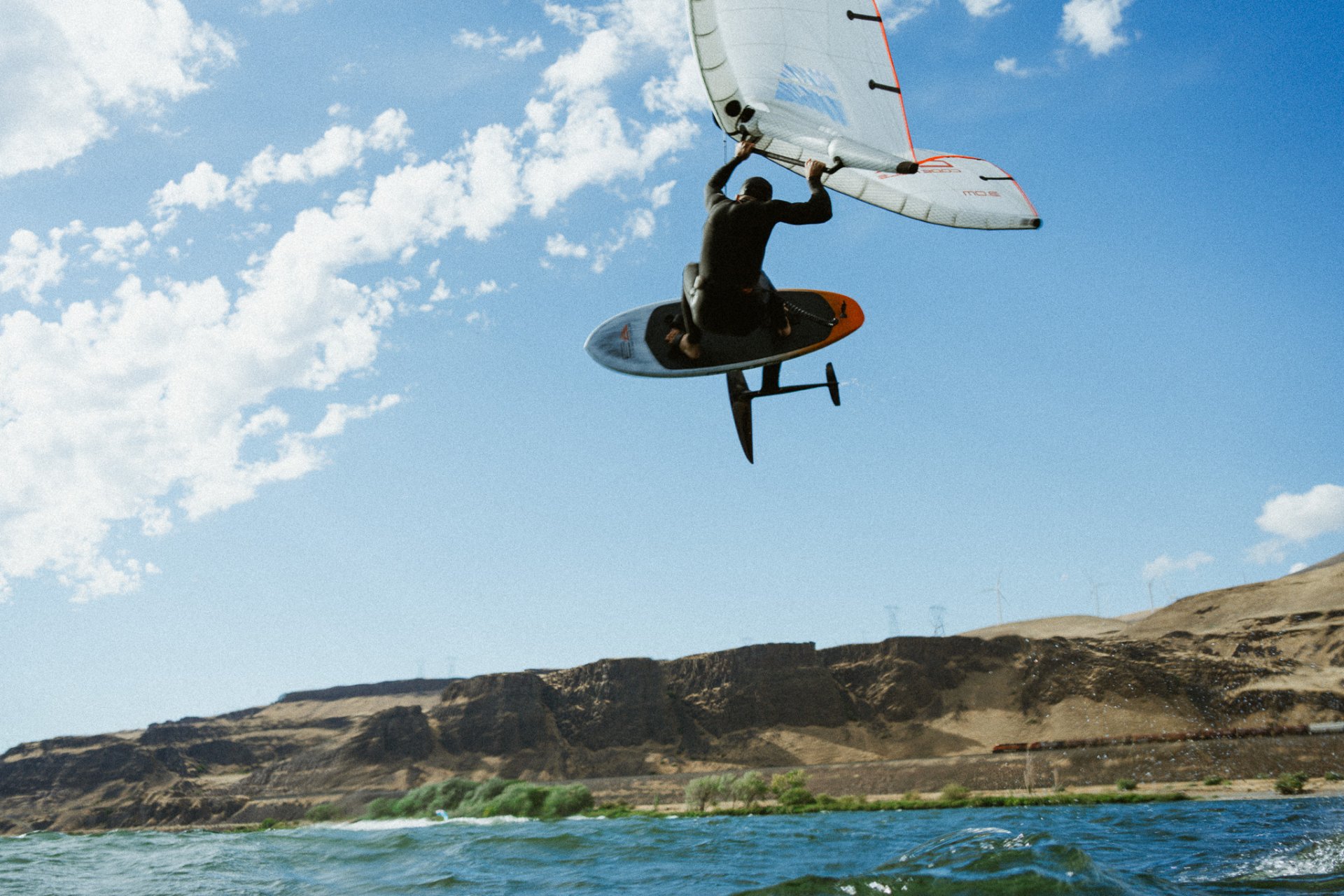
“On paper, they are crazy efficient. And then when you take away the control that you did to gain that, you don't go any faster.”
The goal for the R2 was straightforward: more glide, better turning and improved overall performance, without making the foil harder to ride.
Marcus doesn’t believe high-performance equipment should automatically be reserved for elite riders. The original R had been successful partly because it made high-aspect foiling accessible, and he wanted the R2 to take that philosophy further.
The new design increases the aspect ratio from 13 to 15.8, but Marcus says riders can also move down significantly in surface area. The result is a foil that generates more lift relative to its size, allowing riders to use a smaller wing while maintaining the performance they need.
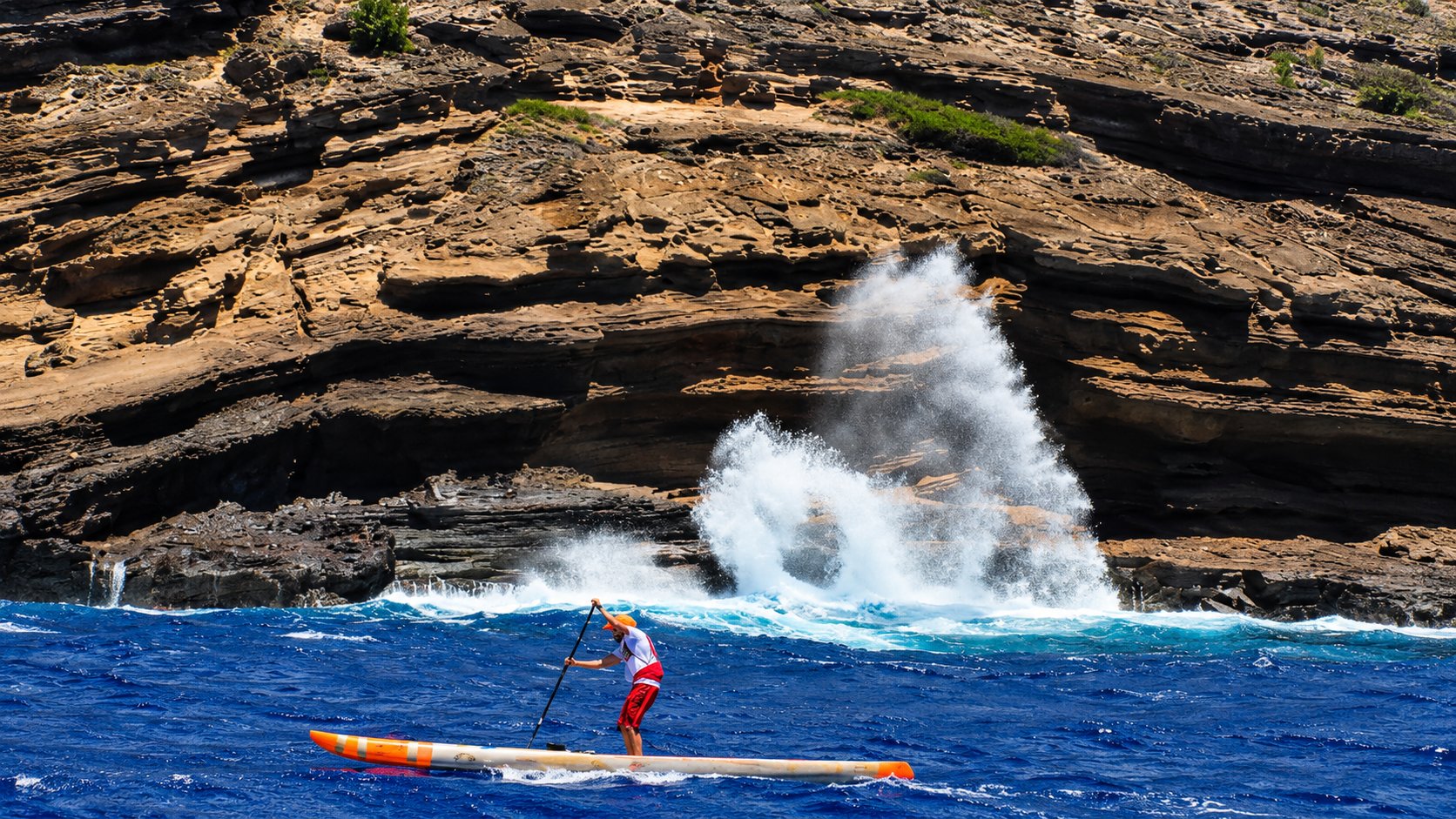
“We don't want to make a whole new system. We want to adapt it.”
That reduction in area helps offset some of the handling compromises normally associated with increasing aspect ratio, and Marcus believes the R2 turns considerably better than its predecessor while offering improved glide and efficiency.
“I wanted it to do everything better, but I didn’t want it to become harder to use,” he explains.
The seven sizes, ranging from 475 to 990, are scaled versions of the same fundamental design. Code makes adjustments to construction where necessary, including changes to fuselage dimensions on larger models, but the intention is to maintain consistent characteristics throughout the range.
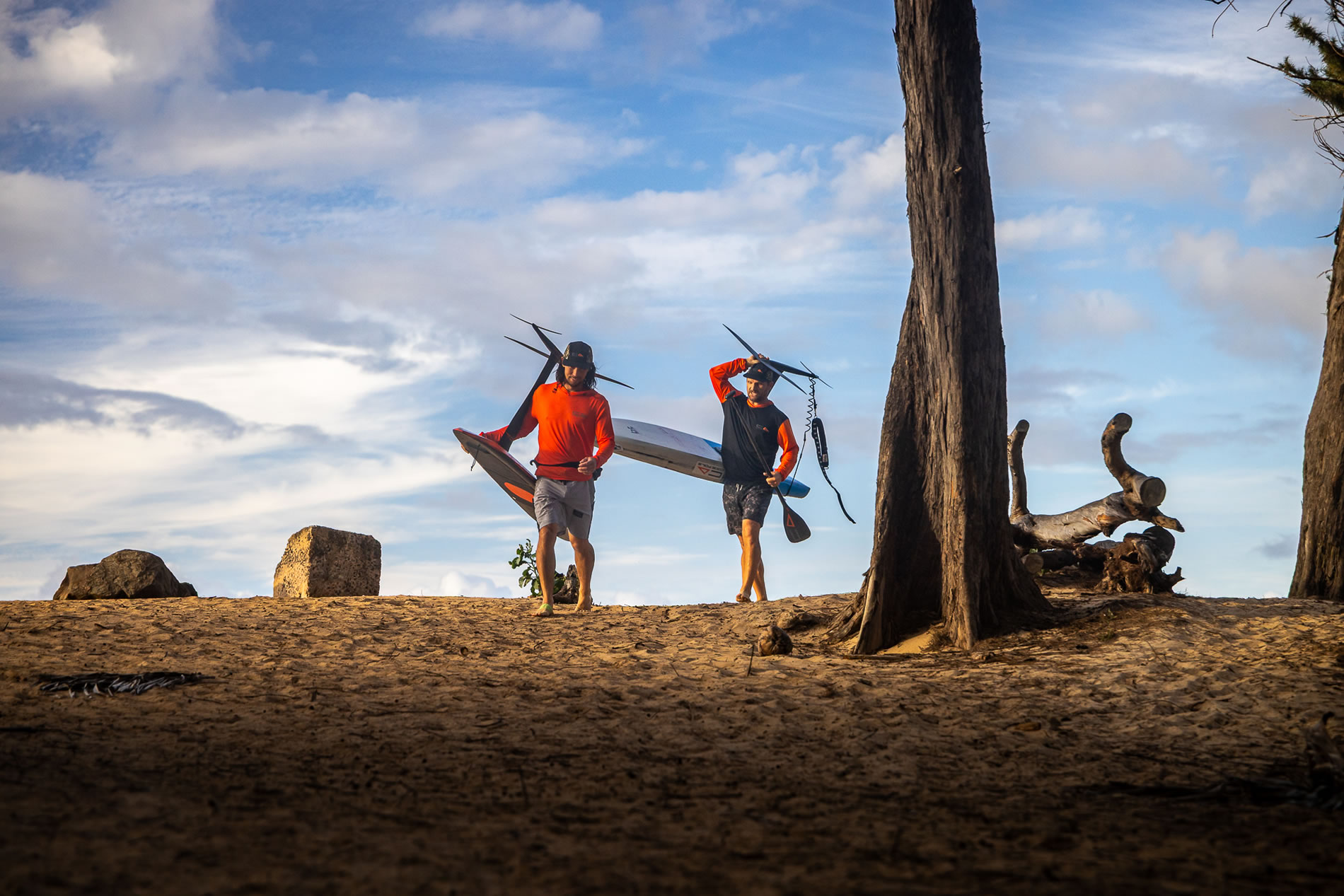
“Code started with one foil in one size, and the founders reinvested everything they made into developing more equipment.”
For Marcus, the R2 remains primarily a downwind foil, although he acknowledges that plenty of riders use the original R for surfing, and if you want to link loads of waves and pump forever, it works well for that, but it’s not as manoeuvrable as the S or X series. The glide it has makes it a great foil for parawinging and winging; though, when you want to ride the swells and just enjoy the ocean without the wing or with the parawing stashed, it’s hard to beat.
Stiffness, Control and the Future
One of Code’s defining characteristics has been the stiffness and strength of its foil systems, something Marcus considers fundamental to the brand’s identity. From the beginning, the team wanted equipment that could withstand the punishment of everyday foiling, particularly in waves and challenging conditions.
But as performance levels continue to increase, Marcus is questioning whether maximum stiffness is always the right answer.
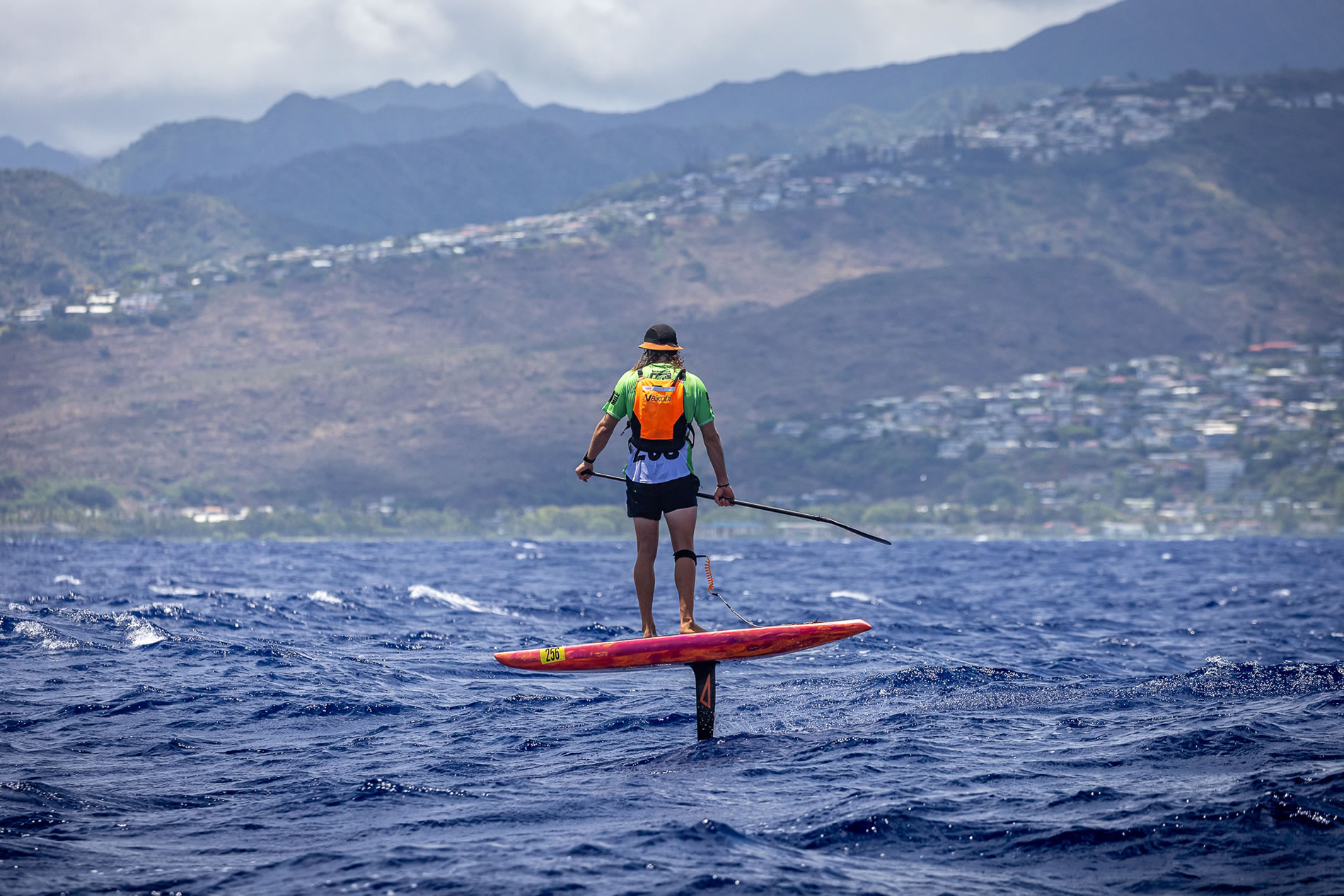
“Foiling has brought together people from surfing, sailing, windsurfing, kitesurfing and paddling.”
In racing, reducing drag can deliver significant theoretical improvements in efficiency. Smaller connections and more refined components might produce impressive results in testing, but those gains can disappear if the rider loses too much control.
Marcus has experimented with extremely efficient concepts that look promising on paper but don’t necessarily translate into greater speed on the water. A wing racer, who can use the wing itself for additional stability, might benefit from a system that would be much harder to manage when downwinding with a paddle for instance.
For surf foiling, he expects Code to continue prioritising stiffness, strength and control. When you’re dealing with breaking waves, whitewater and unpredictable water movement, having a direct connection to the foil can be far more valuable than a small improvement in theoretical efficiency.
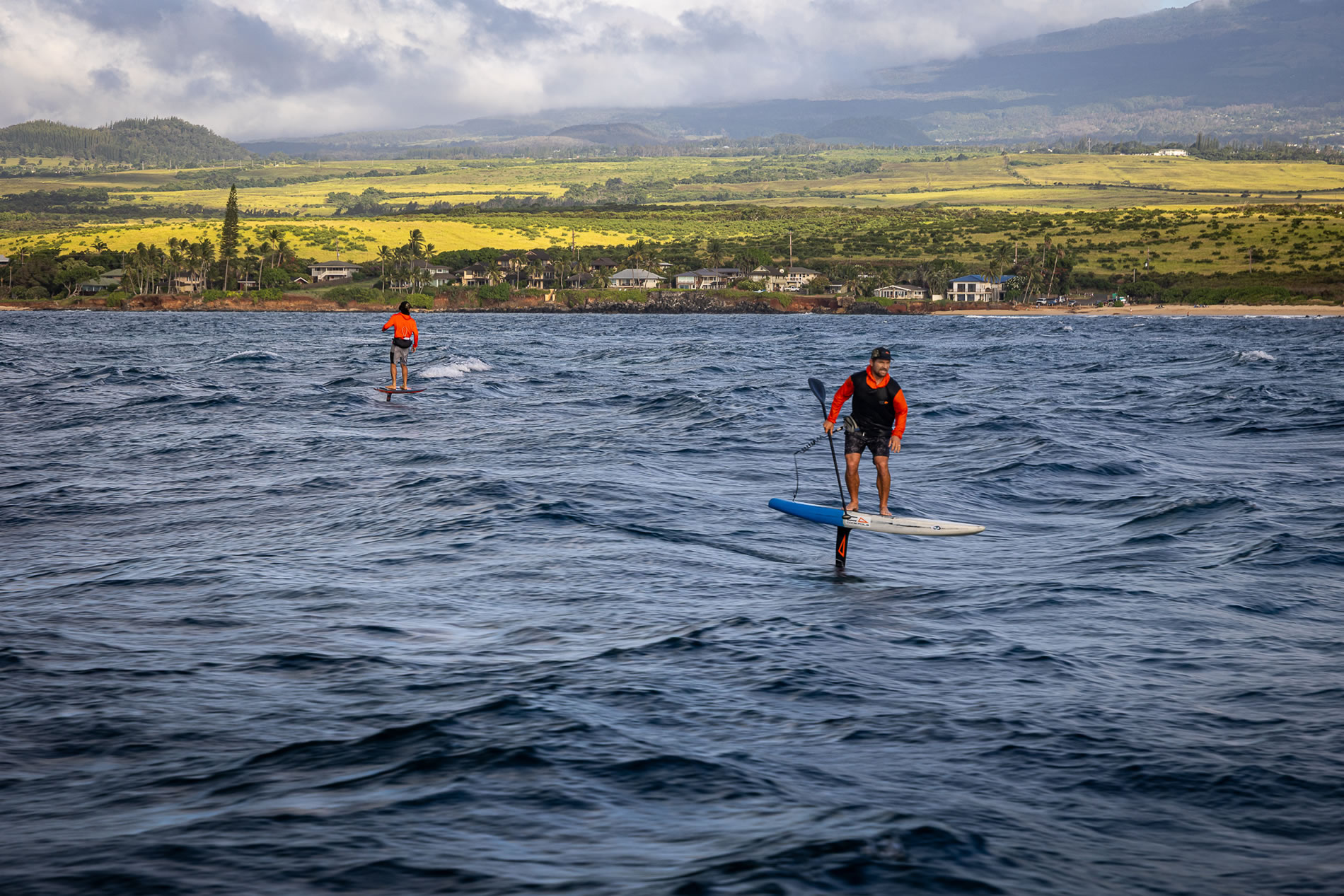
“The longer, narrower outline of the mid length prone board offers advantages when paddling into waves and dealing with whitewater.”
For racing and high-efficiency downwind applications, however, there may be opportunities to sacrifice a little stiffness in exchange for reduced drag.
“On paper, they are crazy efficient,” Marcus explains of some of the concepts Code has been testing. “But then when you take away the control that you did to gain that, you don’t go any faster.”
It’s an important reminder that designing a fast foil involves considerably more than simply making it slippery through the water. The rider still has to be able to control it, and control and ease of use are baked into the DNA of every foil they produce.
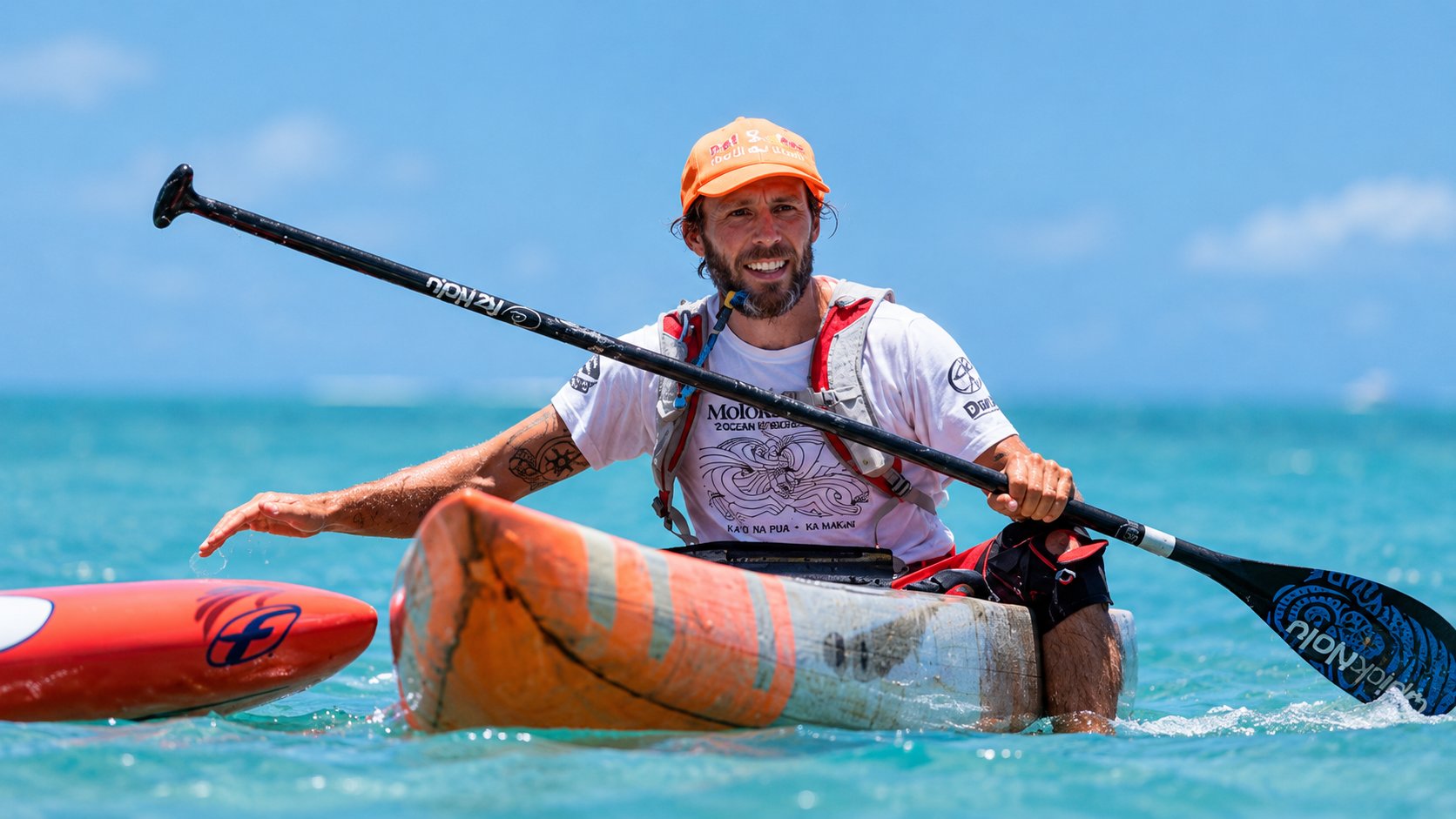
“Designing a fast foil involves considerably more than simply making it slippery through the water.”
Marcus is also conscious of the investment customers have already made in Code equipment. The newer black mast, with its removable titanium connection, is part of a longer-term strategy to allow different components and connection systems to coexist.
Rather than forcing customers to replace everything, he wants to introduce new components that can work alongside existing equipment wherever possible.
“We don’t want to make a whole new system,” he says. “We want to adapt it, and keep it compatible.”
Despite Code’s rapid growth, Marcus doesn’t seem particularly interested in becoming a conventional businessman. He still wants to spend his days on the water, experimenting with equipment and travelling to places where the conditions are good.
It’s the same philosophy that took his family sailing when he was eleven, convinced him and Ben to move across Australia in search of better waves, and eventually led four friends to start making foils without really knowing what lay ahead.
Code has grown considerably since those first five prototypes, and the demands on Marcus’s time are unlikely to get any smaller. However, as long as he can keep finding opportunities to get on the water, test new ideas and enjoy the sport that brought everyone together in the first place, he seems perfectly happy with where things are heading.