
At A Glance
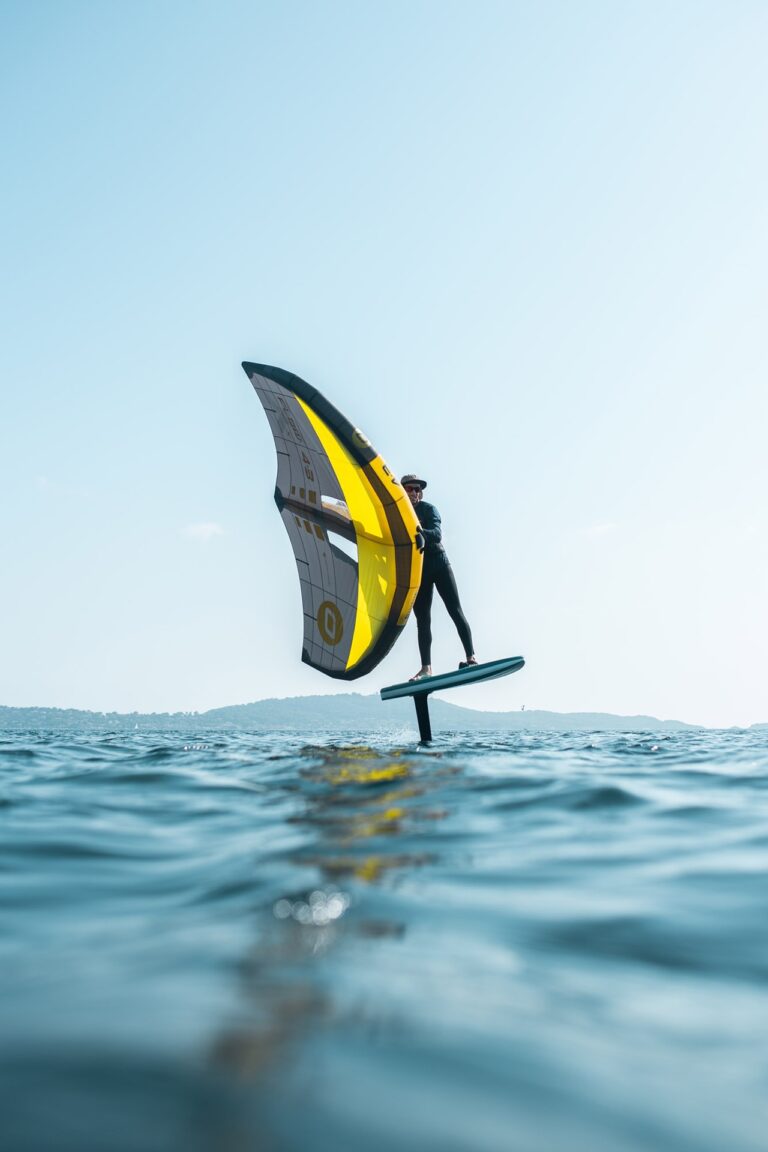
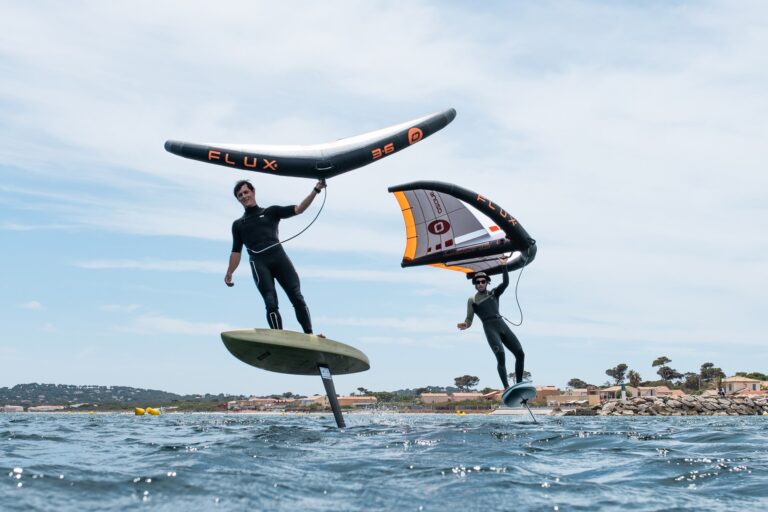
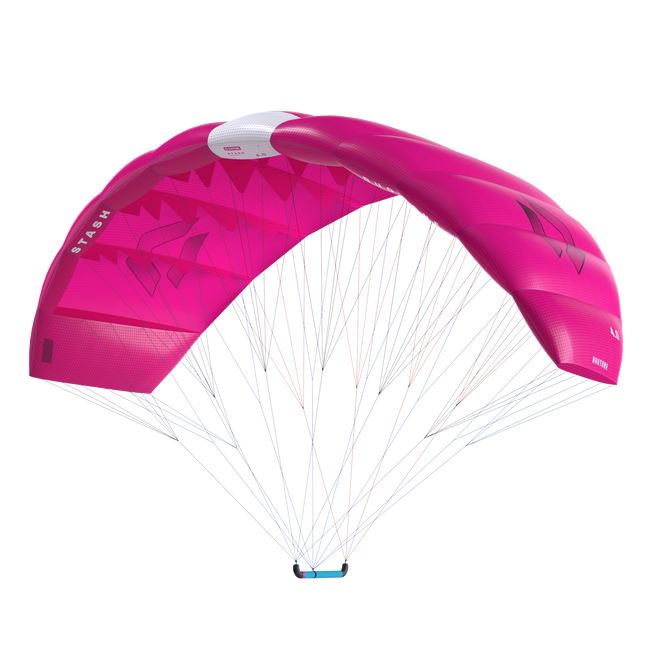
The pace of development in parawings has been extraordinary, and the Ozone Afterburner represents a significant step towards a more specialised, performance-focused future. While the Pocket Rocket V2 occupies the do-it-all position in Ozone’s range and the PowerPack focuses more on low-end get-up and stash-and-glide riding, the Afterburner has a clear brief: maximum upwind performance, speed, and range for experienced riders who want to cover serious distances.
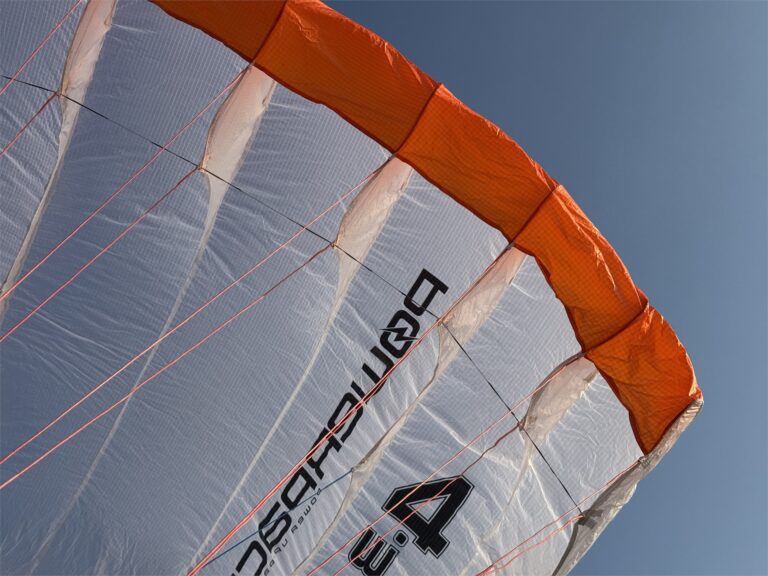
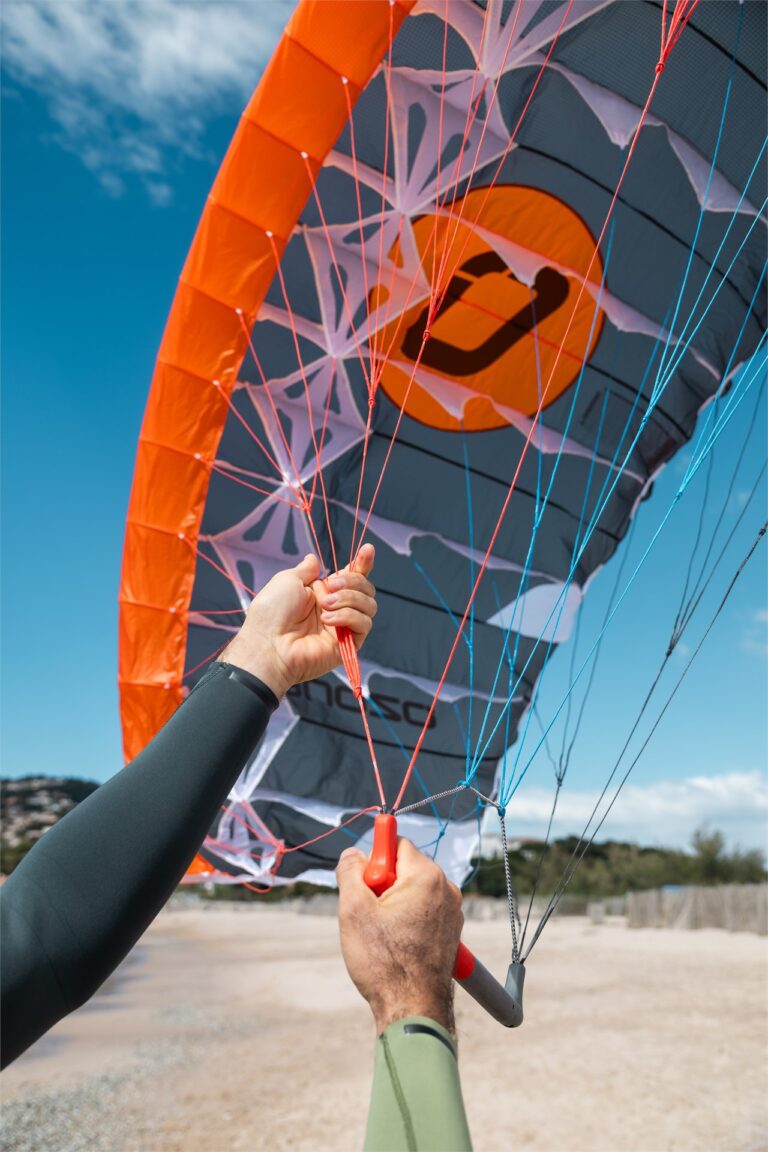
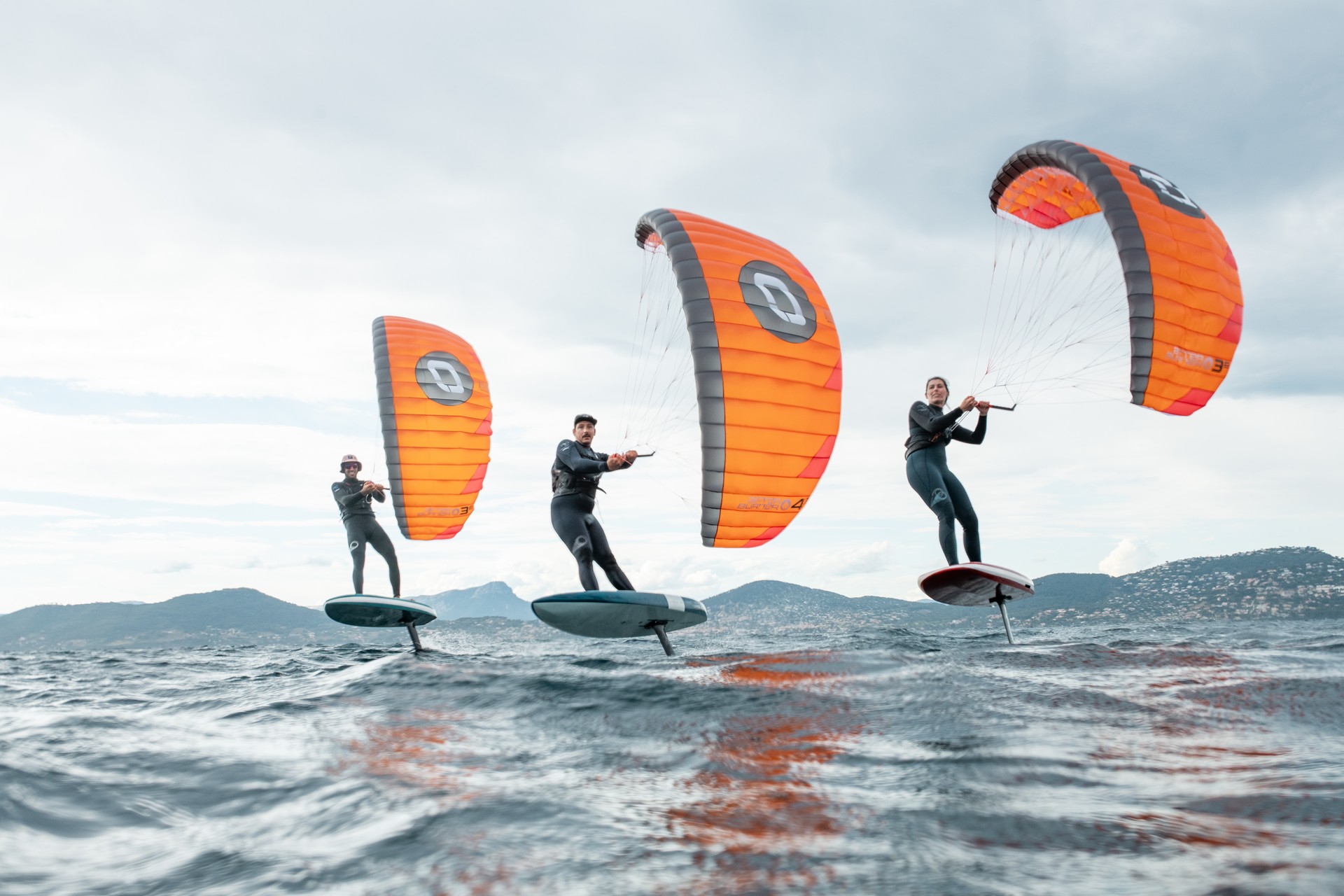
At the heart of the design is a high-aspect single-surface profile, with 23 cells on the smallest 3m and 25 cells throughout the rest of the range. The increased cell count and fully supported rib structure are there to spread the load more evenly across the canopy, maintaining a clean profile when the wing is powered and allowing it to drive further forward in the window. Ozone has also used thinner Kevlar upper bridles to reduce aerodynamic drag, while retaining thicker, stiffer lines through the mid-level bridles and risers to make handling, stashing and redeployment more manageable.
Despite its obvious emphasis on speed, Ozone hasn’t simply sacrificed the bottom end in pursuit of top-end performance. The Afterburner uses the V-shrink tabs already found on the Pocket Rocket V2 and PowerPack, and Ozone claims similar low-end performance to the Pocket Rocket V2. Where the Afterburner really separates itself is as the apparent wind builds. Its high-aspect profile is designed to keep accelerating forwards rather than sitting deep in the window, giving the rider something they can properly load against when pushing the foil upwind.
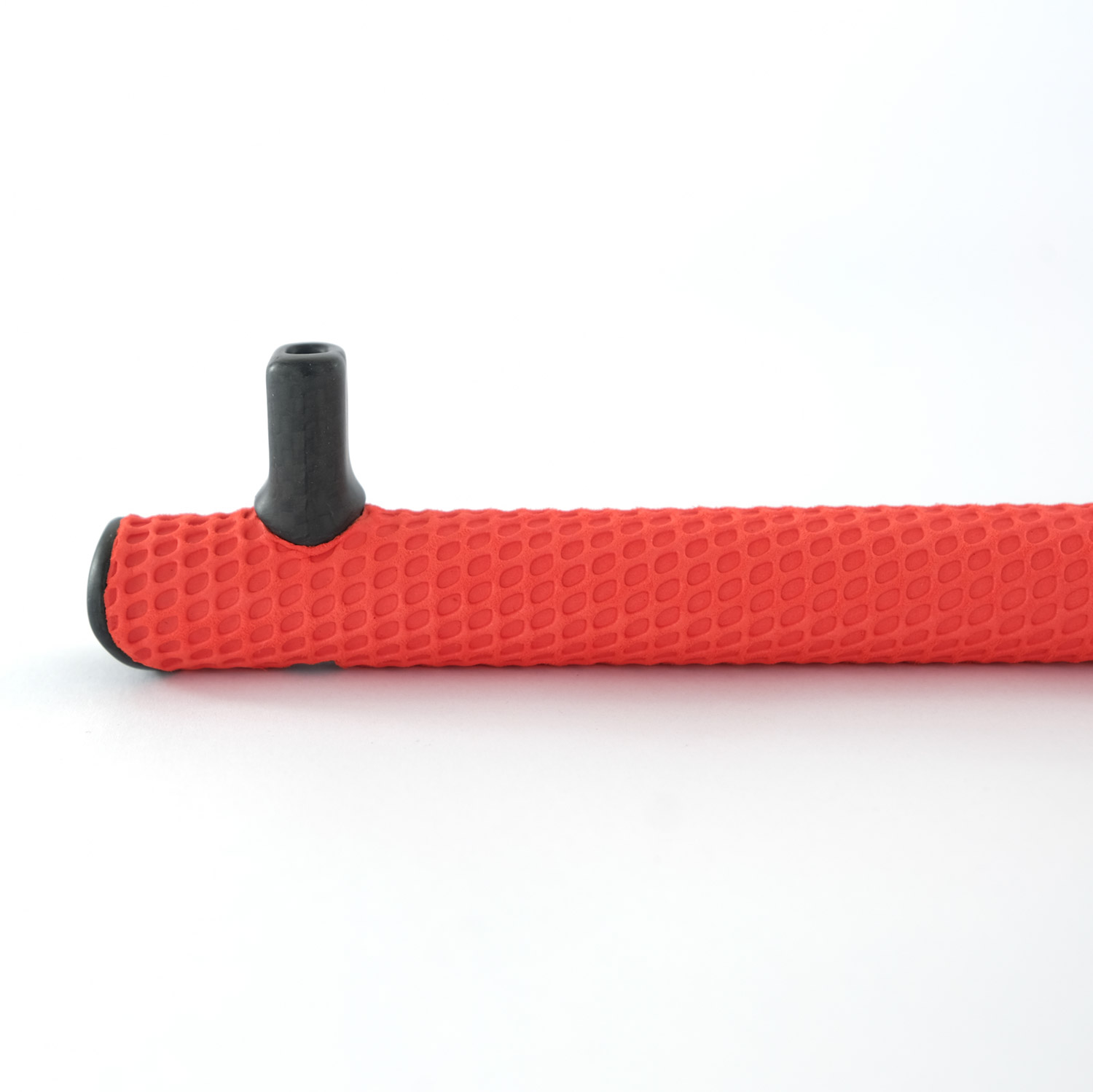
That philosophy extends to the control system. The Afterburner comes with Ozone’s new 35cm Monobloc Carbon Control Bar, weighing just 90 grams, complete with a textured EVA grip and several neatly shaped contact points for the fingers and thumb. A fixed harness line is fitted as standard, which gives another clue as to how Ozone expects this parawing to be ridden. Hooking in allows you to properly load the wing and exploit the speed and upwind performance without destroying your arms in the process.
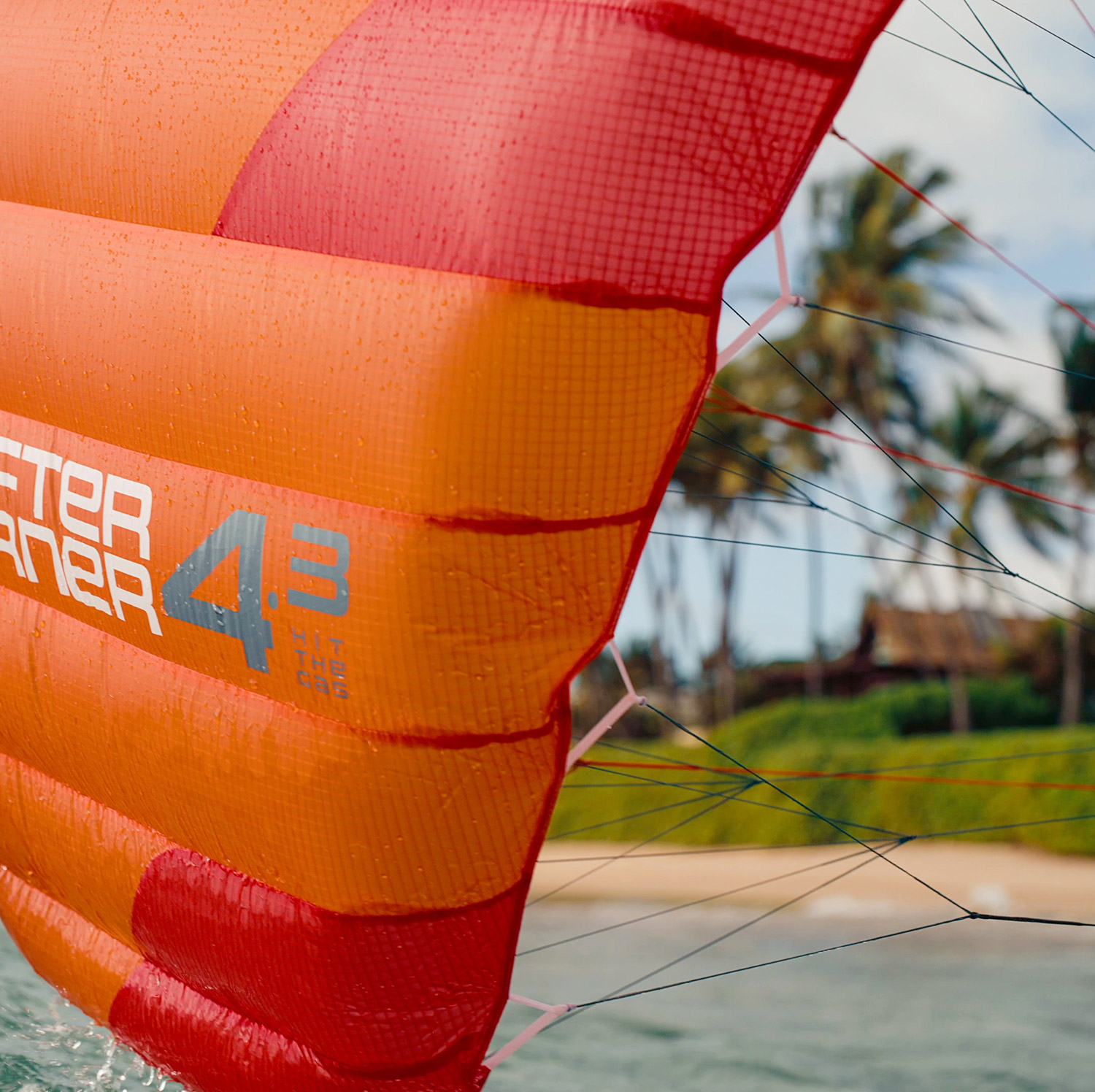
The Afterburner is available in 3, 3.6, 4.3, 5, 5.7 and 6.5m sizes, creating a comprehensive range for different rider weights and conditions. It is still designed to stash and redeploy, but Ozone is clear that this isn’t primarily a rapid stash-and-deploy machine. The more complex canopy and bridle arrangement require a little more care, and the emphasis is instead on getting upwind quickly, packing the wing away and then enjoying a long, uninterrupted downwind run.
That distinction is important. The Afterburner isn’t Ozone trying to make parawinging easier. It is Ozone exploring how much more performance can be extracted from the concept, and as we discovered on the water, accessing that performance asks rather more of the rider too.
On The Water
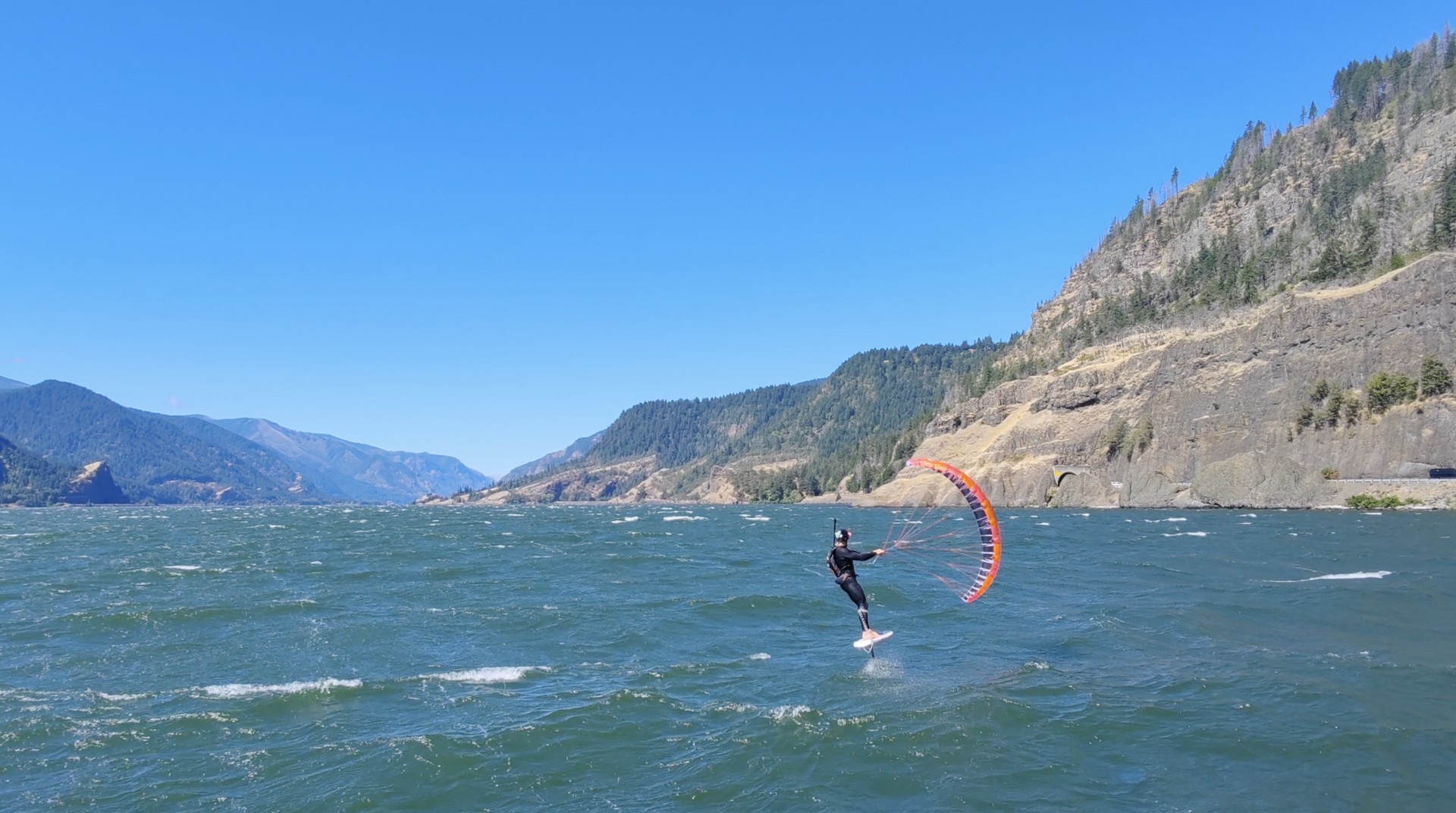
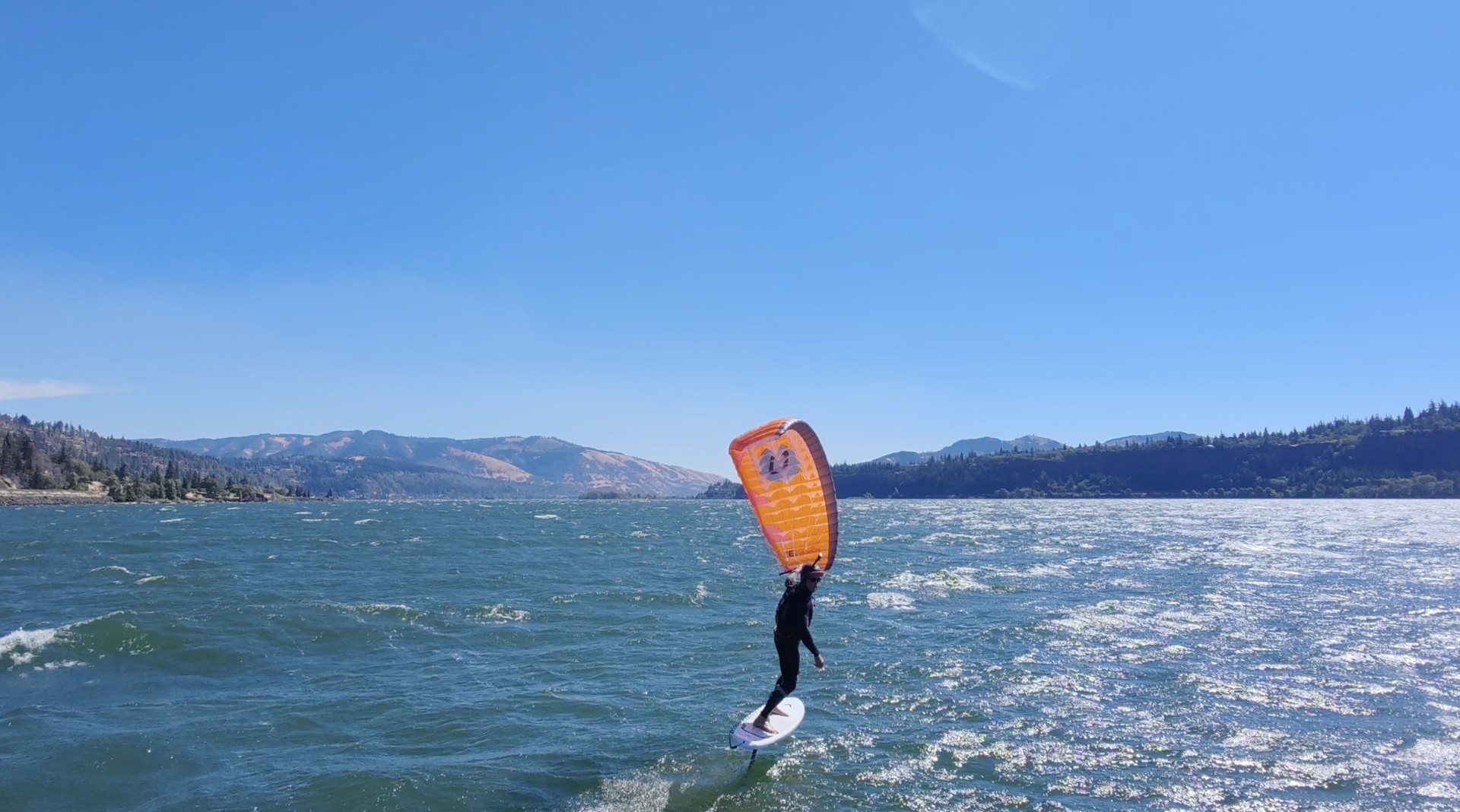
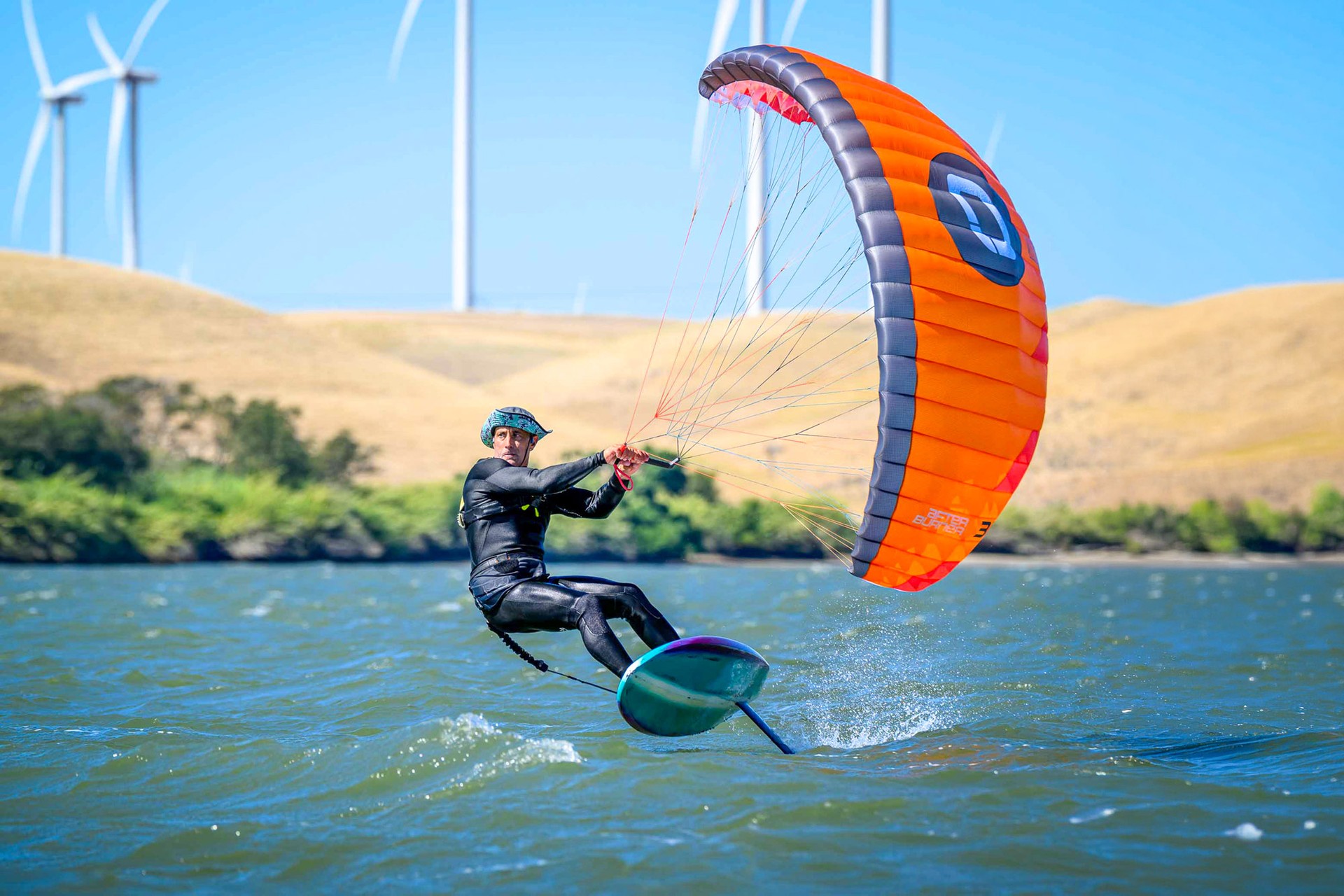
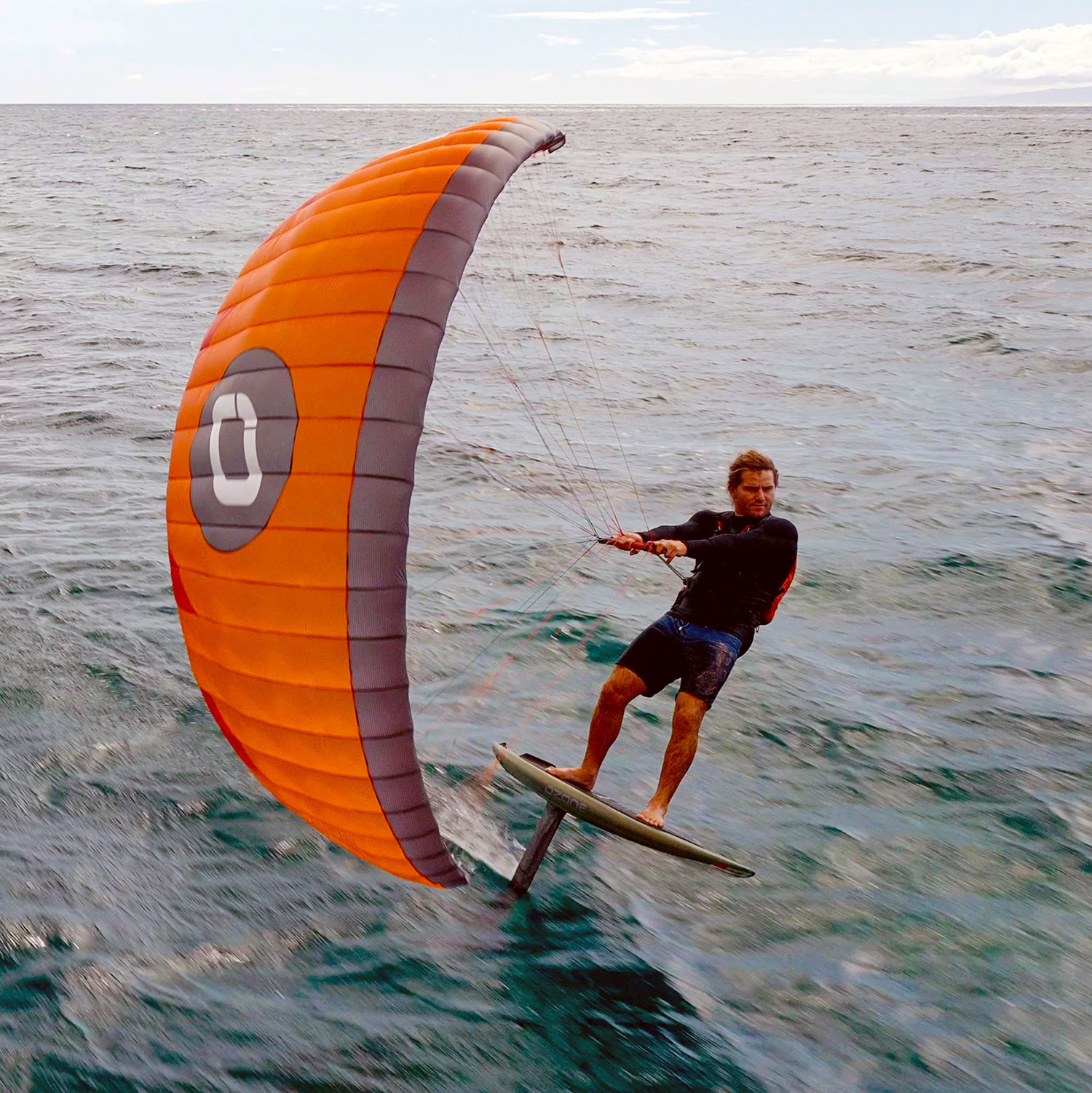
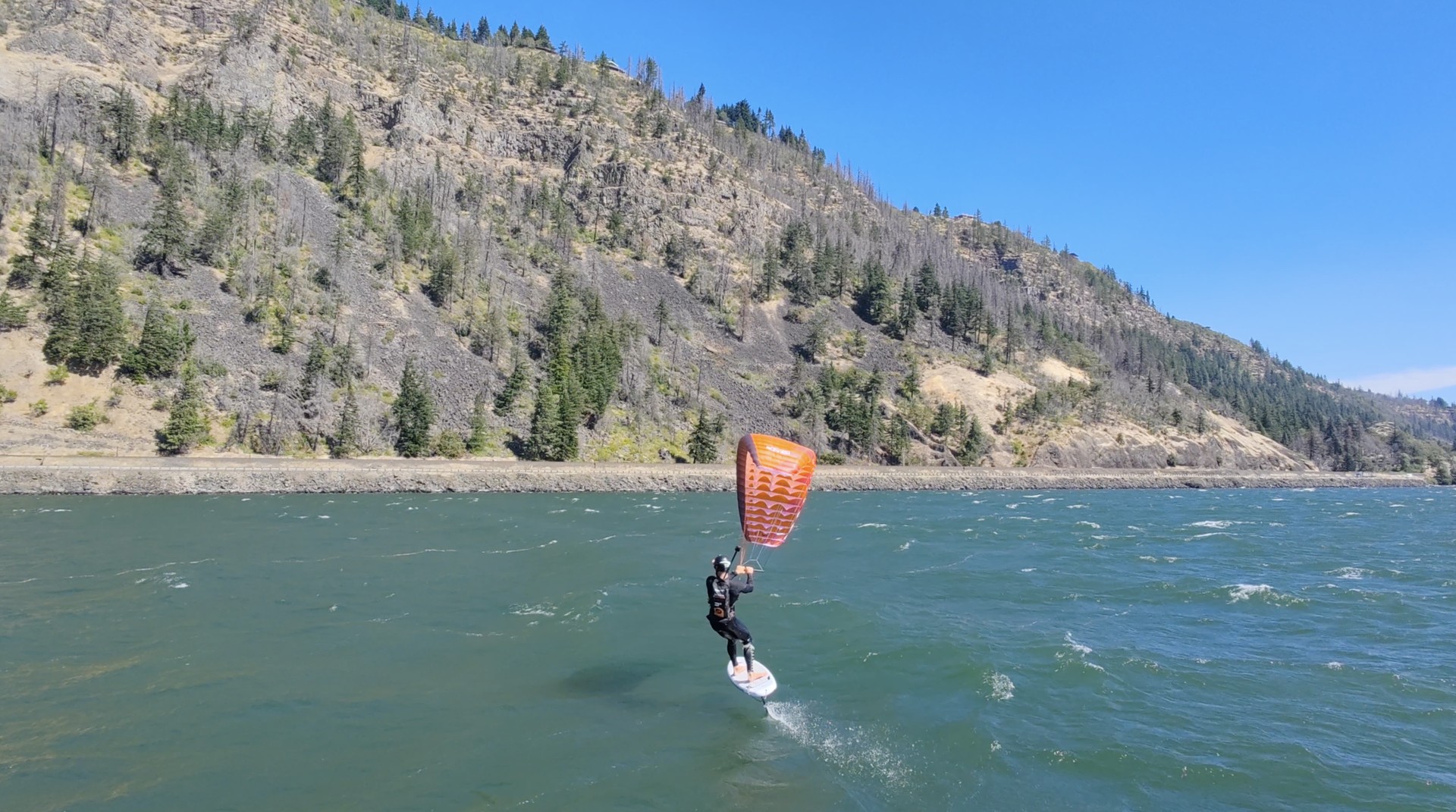
Upwind performance is the defining characteristic of the Afterburner. It generates an exceptional amount of forward drive and allows you to lean against the wing and convert that load into speed. Once moving, the wing accelerates forward in the window and lets you point remarkably high, making upwind legs significantly quicker than you might expect from a parawing.
I would describe it as potentially the best upwind-driving parawing I have ridden, and after riding both the 3.6m and 4.3m across a range of conditions, I found the angles and speed achievable upwind particularly impressive. At times, it felt closer to aggressive kite foiling than the more relaxed, surf-orientated style normally associated with parawinging.
The key to unlocking that performance is load. This isn’t a parawing that produces huge amounts of static low-end grunt simply by sitting deep in the window and pulling you downwind. Instead, the power builds as you create apparent wind. Set your edge, lean against it, allow the wing to accelerate, and suddenly there is an impressive amount of drive. It is a more dynamic way of generating power, and experienced riders will quickly understand how to exploit it.
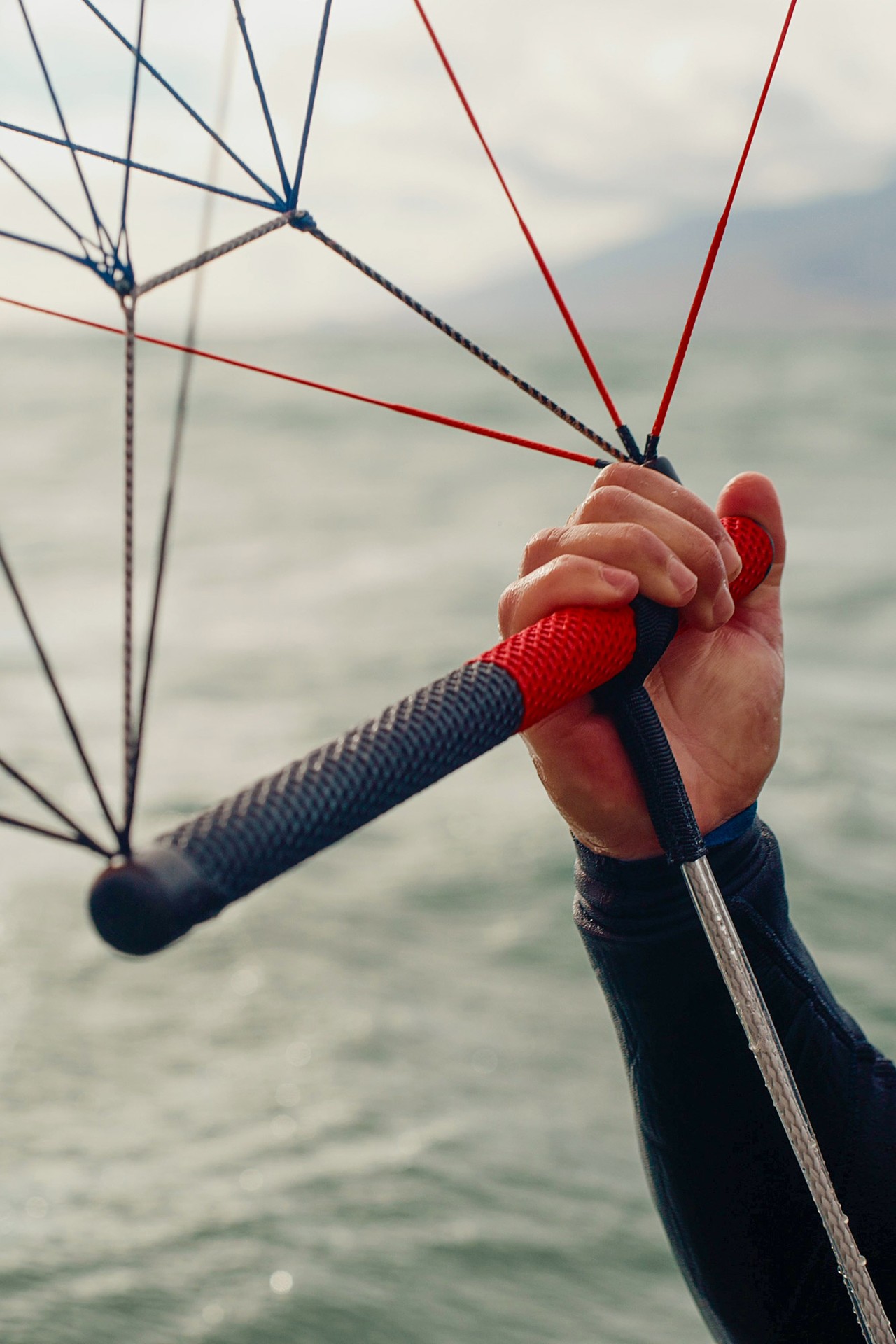
The included harness line makes a lot of sense as a result. You can ride the Afterburner using arm strength alone, but hooking in allows you to properly load the wing and take advantage of the profile. There is also an impressive amount of top-end range. I spent much of my testing deliberately powered and found the Afterburner comfortable carrying plenty of wind. That suits its character perfectly. Rather than trying to squeeze every last drop of static power from a bigger size, there is a strong argument for riding the Afterburner powered, using its ability to depower and its forward speed to manage the conditions.
That performance does come with a price, though, and this is where understanding the Afterburner becomes important.
A high-performance profile has a greater tendency to move around the wind window. You can get wingtip tucks, surges forward, moments where the canopy falls back, and situations where the rider needs to react to what the wing is doing rather than simply holding the bar and letting it look after itself. In transitions, keeping line tension becomes more important, and in lighter winds particularly, your inputs need to be deliberate.
There is an interesting comparison to be made with paragliding, where increasingly high-performance gliders demand increasingly skilled pilots. The Afterburner has a similarly dynamic character. Its ability to accelerate, shoot forward in the window and generate so much drive is precisely what produces the performance, but the rider needs to really fly the parawing to get the most out of it.
That means active piloting. You need to understand when to add back-hand pressure, when to release it, how to maintain line tension and how to keep the wing moving through transitions. Get those inputs right, and the Afterburner rewards you enormously. Get them wrong, and it can tuck a tip, surge or stall back in a way that a more forgiving parawing may not.
For an experienced rider, that interaction is arguably part of the attraction. The Afterburner doesn’t isolate you from what the wing is doing. It gives you the controls and expects you to use them.
Stowing And Handling
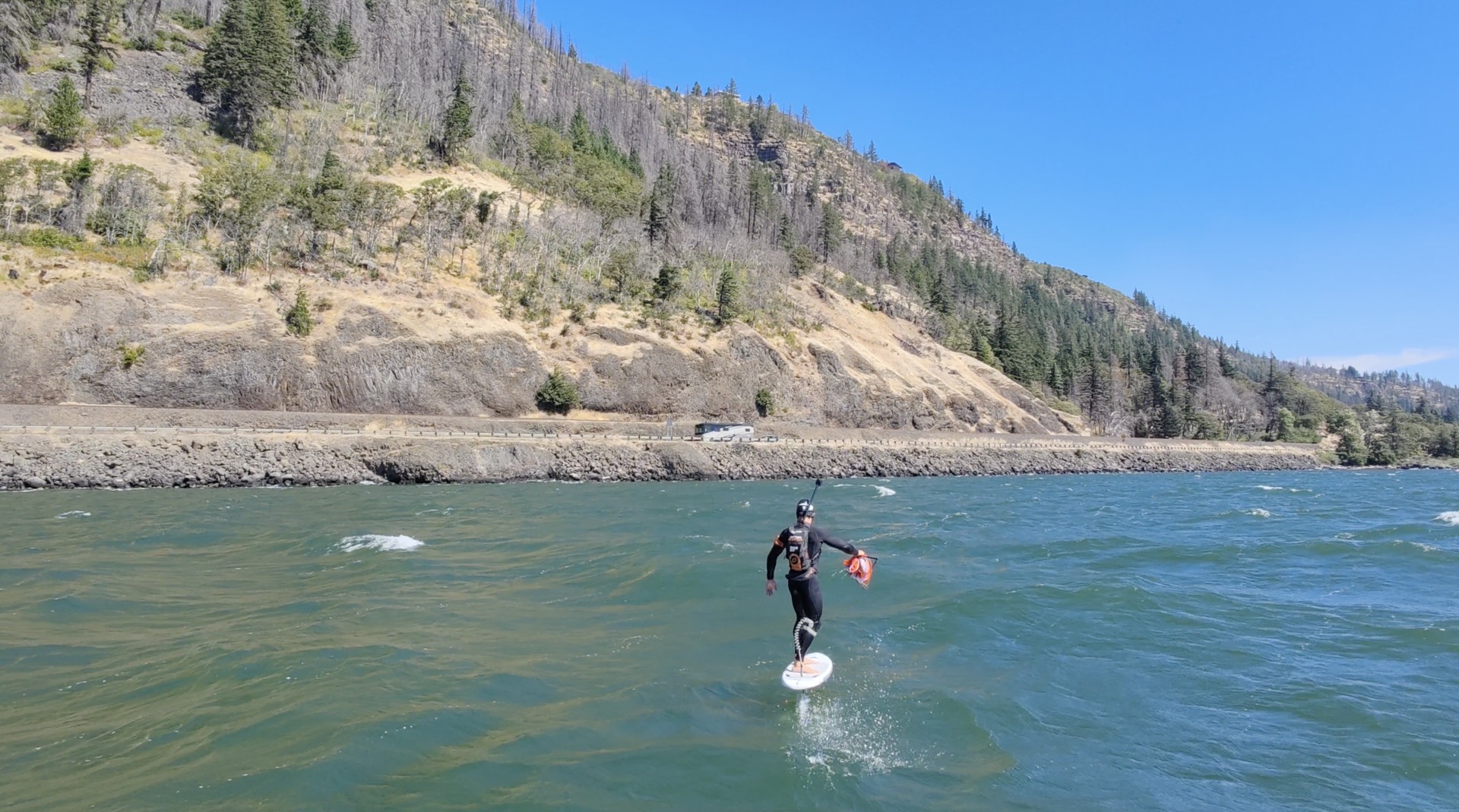
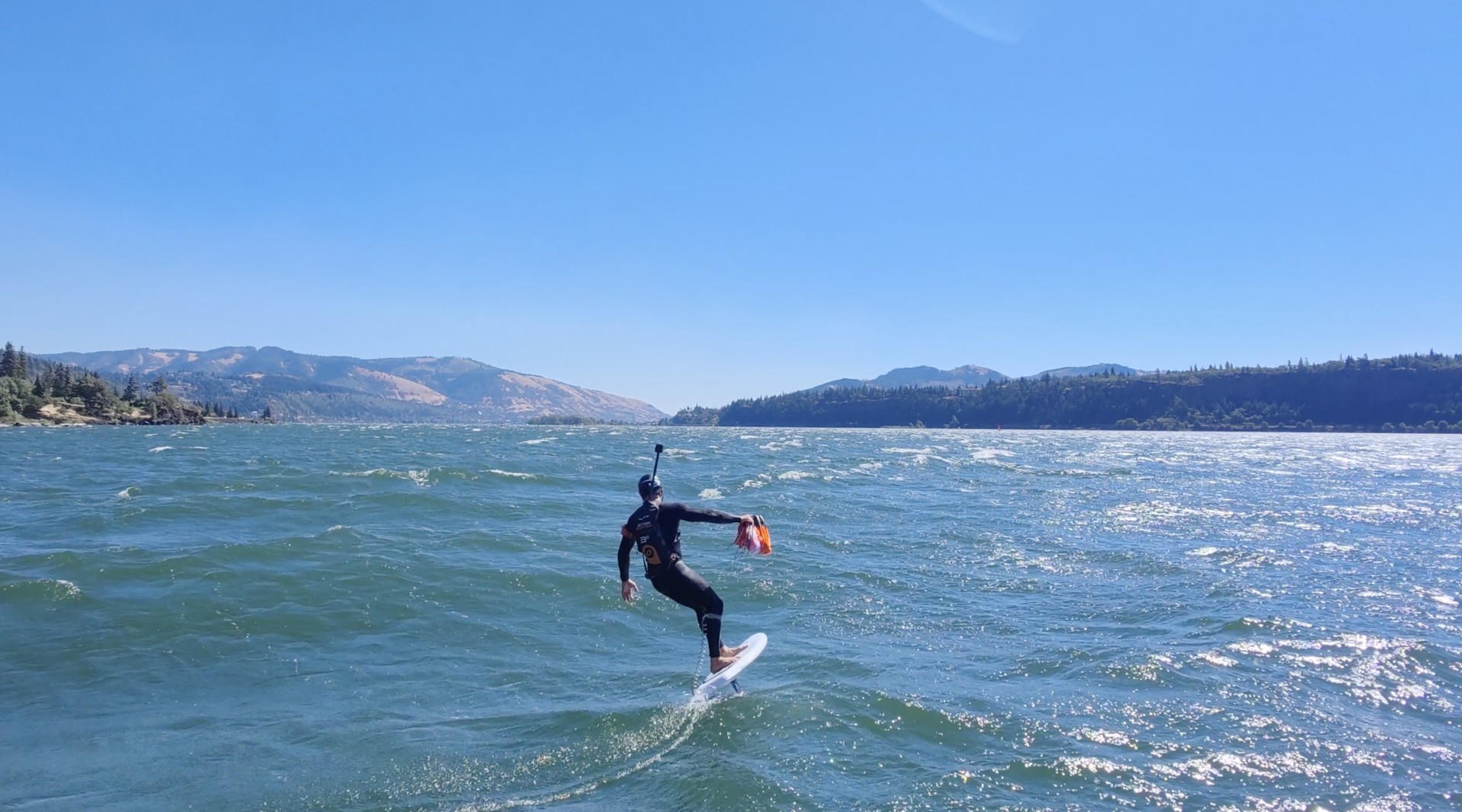
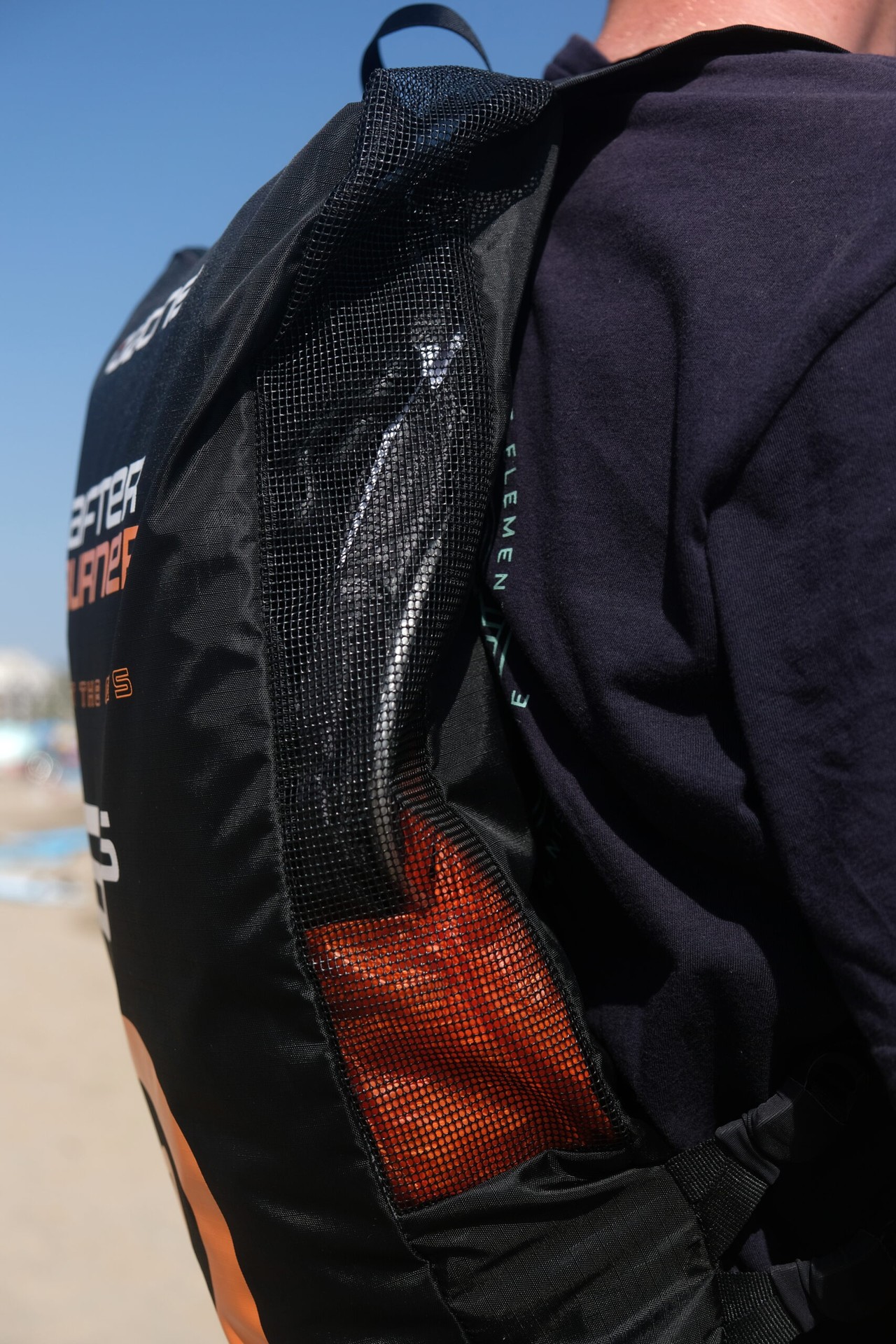
Considering the number of ribs and bridles required to support the performance profile, stowing remains surprisingly straightforward. Ozone’s A-line cluster makes it easy to gather the wing, and I was able to stow both the 3.6m and 4.3m without finding the additional line and cell count problematic.
The thinner bridle lines inevitably require slightly more care as they are easier to snag, but the trade-off is reduced aerodynamic drag while the wing is flying. Once packed away, the lightweight canopy also keeps the overall package compact.
The carbon bar deserves particular praise. It is tiny, light and comfortable in the hand, with sensible shaping around the fingers and thumb.
Who Is It For?
This is probably the most important question surrounding the Afterburner because it isn’t a parawing we would recommend universally.
If you are buying your first parawing, there are easier and more forgiving options. Likewise, if your priority is simply getting onto foil easily, packing the wing away and surfing swell with minimal interaction from the parawing itself, the Afterburner’s additional performance may be unnecessary.
For an experienced parawinger, however, it opens up some very interesting possibilities. If your downwind runs involve substantial upwind legs before you turn around, the ability to cover that ground quickly is enormously useful. It also makes sessions where you repeatedly ride upwind and then downwind far more viable without needing a shuttle.
More importantly, it will appeal to riders who actually enjoy flying a parawing. If you like working the wing, loading it up, feeling it accelerate and actively controlling the canopy, there is a level of connection here that more passive designs simply don’t offer.
It is a specialist tool, but increasingly there is room for specialist tools within parawinging.
Overall
The Ozone Afterburner pushes parawinging firmly towards the high-performance end of the spectrum. Its ability to generate forward drive and rip upwind is exceptional, and once loaded up with wind it has a fast, connected feeling that makes riding with the wing genuinely exciting.
Ozone hasn’t achieved that without compromise. There is less low-end grunt than you might find elsewhere, and the Afterburner demands considerably more active input from the rider. You need to maintain line tension, understand what the canopy is doing and be ready to control its movement through the window. It is fun, but it can also be demanding.
For the right rider, that is exactly the point.
The Afterburner isn’t designed to make parawinging easier. It is designed to make it faster and more efficient, particularly when heading upwind. Experienced riders who have already mastered the fundamentals and want a wing they can properly lean against will find an impressive amount of performance available.
Beginners should probably look elsewhere, and riders seeking the most relaxed possible route into downwind foiling may be better served by something more forgiving. But for accomplished parawingers looking for a high-performance tool that rewards active piloting, the Afterburner brings something genuinely different to the table.