

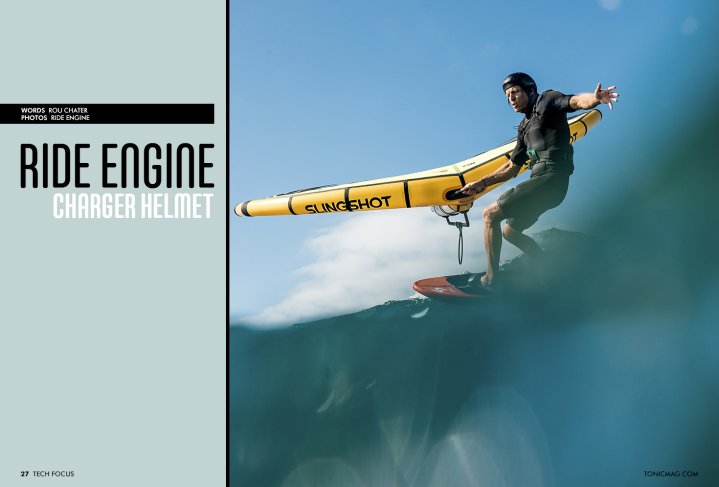
As foiling continues to evolve, the conversation around safety is changing too. Helmets designed specifically for dynamic water sports are starting to appear, and Ride Engine’s new Charger helmet is one of the latest. We caught up with Gary Siskar to take a closer look at the thinking behind the design.
Safety has never been the most glamorous topic in watersports. For decades, helmets were seen as something for kayakers smashing through whitewater or cable park riders sliding rails, not something that had ever really taken hold in the windsports or surf lineup. But as foiling evolves and speeds increase, the conversation around protection is changing quickly.
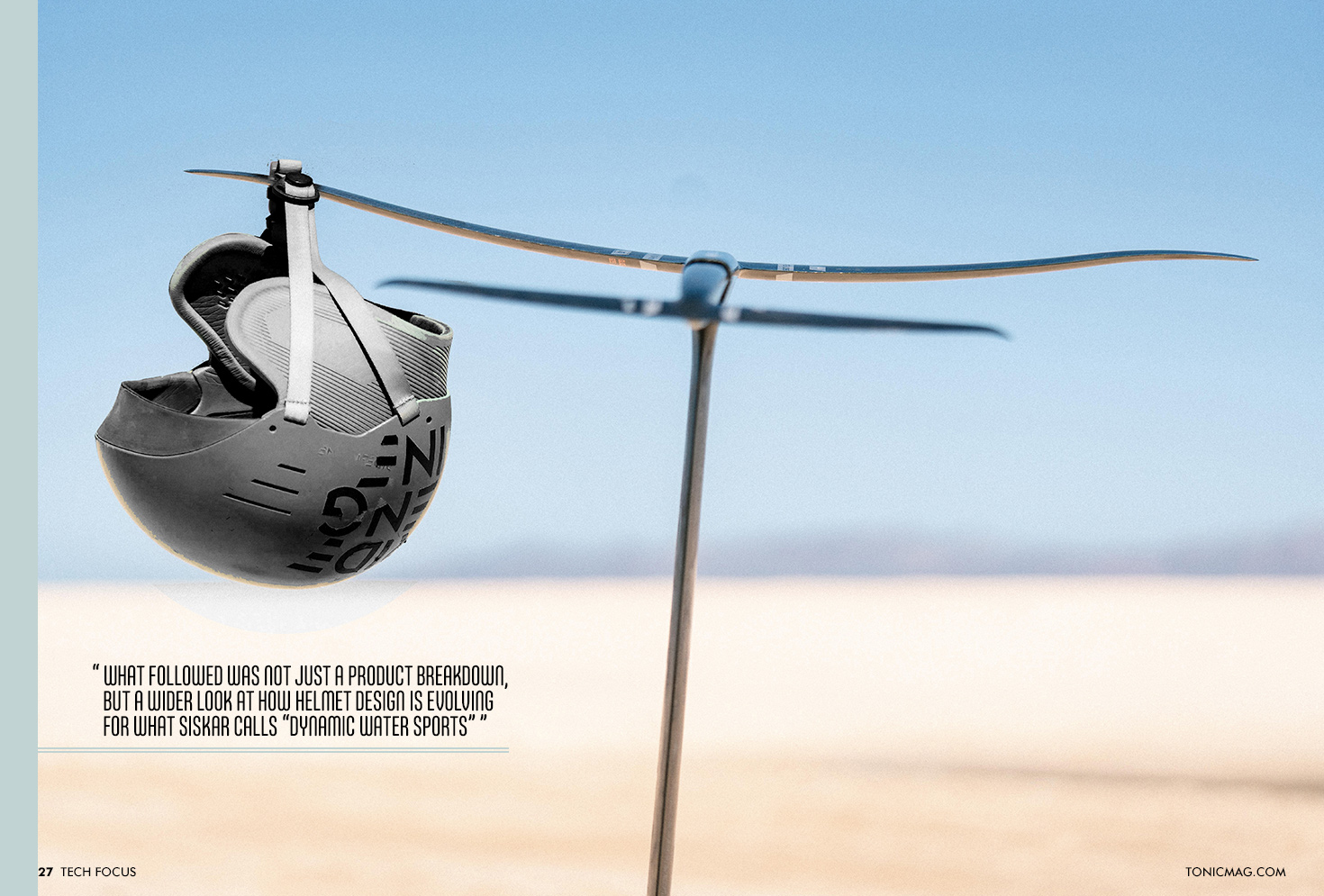
In a recent episode of the Foil Pod, Rou Chater sat down with Ride Engine’s Gary Siskar to dive deep into the thinking behind the new Charger helmet. What followed was not just a product breakdown, but a wider look at how helmet design is evolving for what Siskar calls “dynamic water sports”, activities like wing foiling, prone foiling, tow foiling and surfing, where speed, height and sharp equipment combine in ways that were never part of traditional board sports.
The Charger is Ride Engine’s answer to that challenge, a helmet designed specifically for modern water use rather than borrowed from another sport. The result is a piece of equipment that tries to solve several long-standing problems at once, hydrodynamics, impact protection, fit and comfort.
Why Foiling Changes the Safety Equation
Foiling has introduced a completely new set of risks into board sports. Traditional surfing wipeouts typically involve water, the occasional board impact, or the ocean floor in shallow breaks. Foiling adds something else to the mix, a large, rigid structure moving through the water at speed.
Modern foil setups are getting sharper; in the quest for speed and glide, they are designed for efficiency rather than forgiveness. When things go wrong, any interaction with the foil is costly. If you foil, and you are reading this, the chances are you’ve fallen on the sharp end more than once. The classic fold-in-half-and-stare-at-the-blades moment is one we’ve all been through. Our wetsuits all have the scars to prove it.
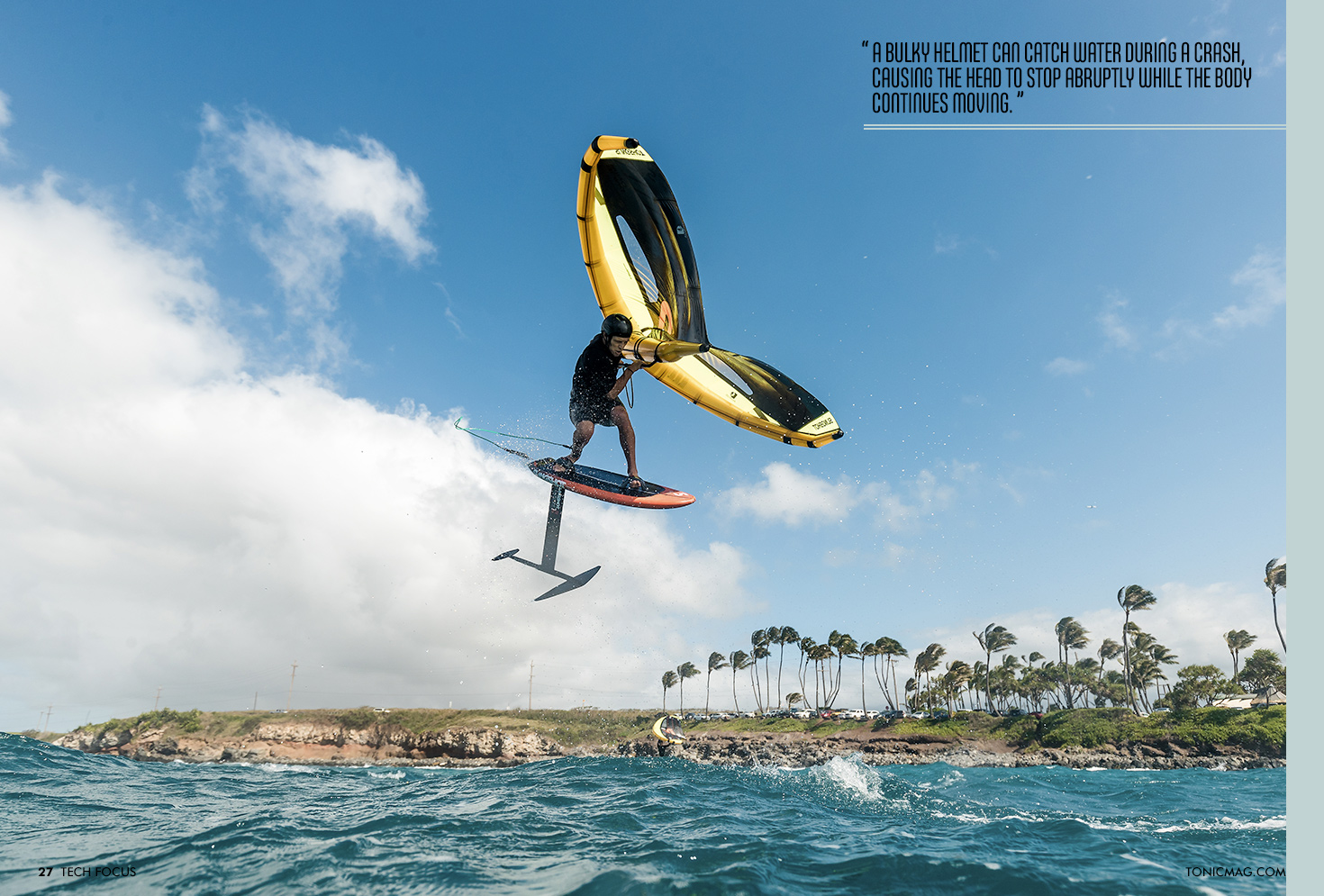
Anyone who has spent time foiling has probably experienced the classic breach crash too. The foil exits the water, loses lift and speed, and the rider is thrown forward. Because the rider is often elevated above the water by a mast that can be close to a metre tall, the fall can be surprisingly violent.
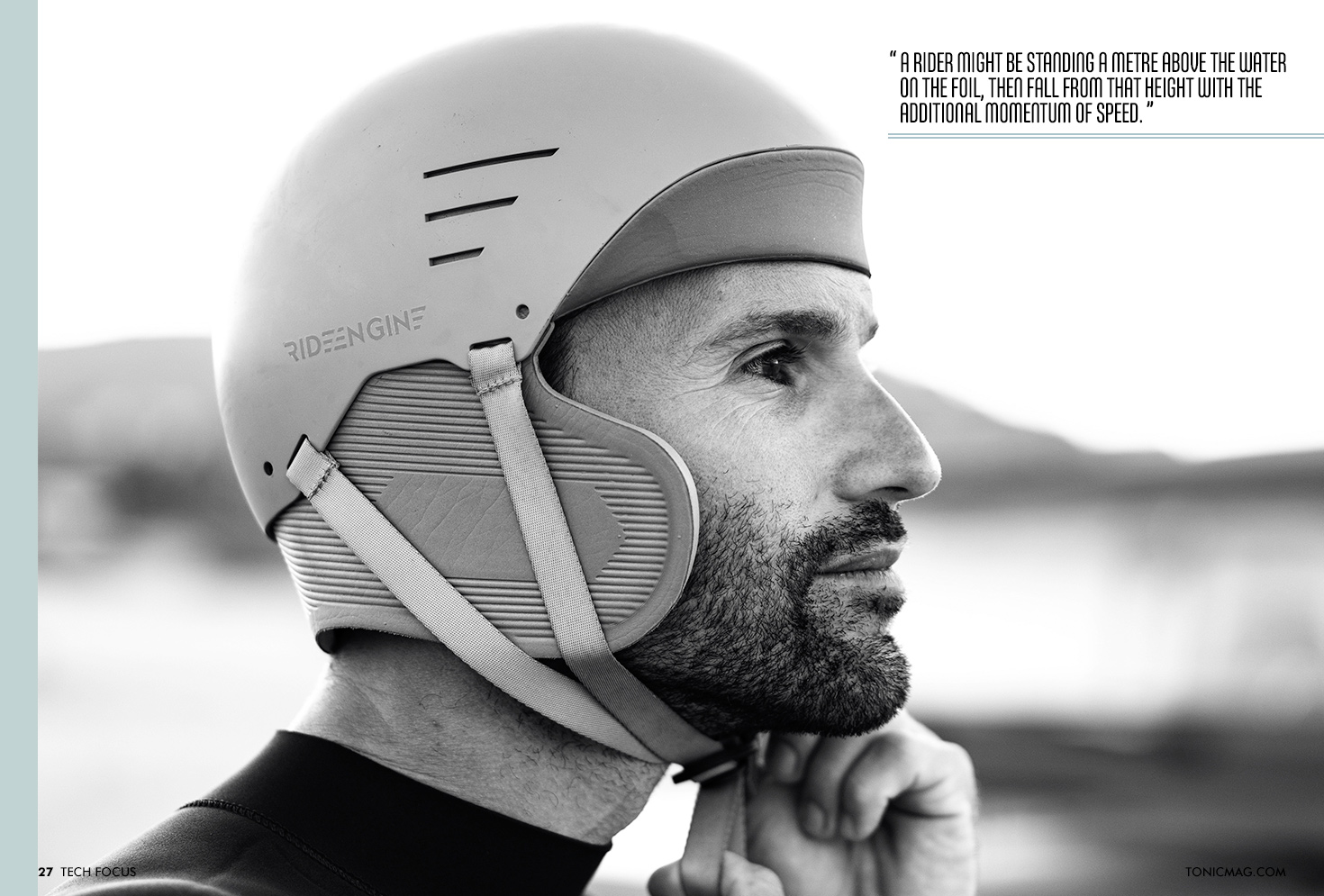
Rou Chater summed it up perfectly during the podcast conversation. A rider might be standing a metre above the water on the foil, then fall from that height with the additional momentum of speed. Add body height, and the distance travelled in the crash can reach three metres before impact with the water.
At that point, the water itself becomes a hard surface. Riders frequently describe “ringing their bell” during these crashes, the kind of head impact that might leave you seeing stars for a moment before continuing the session.
The concern is not only the initial impact. In offshore conditions, downwind runs or remote surf breaks, a knockout or disorientation could quickly become a serious situation.
This is the environment the Charger helmet was designed for.
The Problem With Traditional Water Helmets
Most helmets used in watersports today were not originally designed for the way foilers move through the water.
Many come from kayaking or wakeboarding, where impacts are typically against hard objects like rocks, rails or obstacles rather than the water surface itself. These “bucket” style helmets are often bulkier to offer protection from the more likely hard object impacts they are designed to protect you from.
While they provide protection, they also create several issues when used for surfing or foiling.
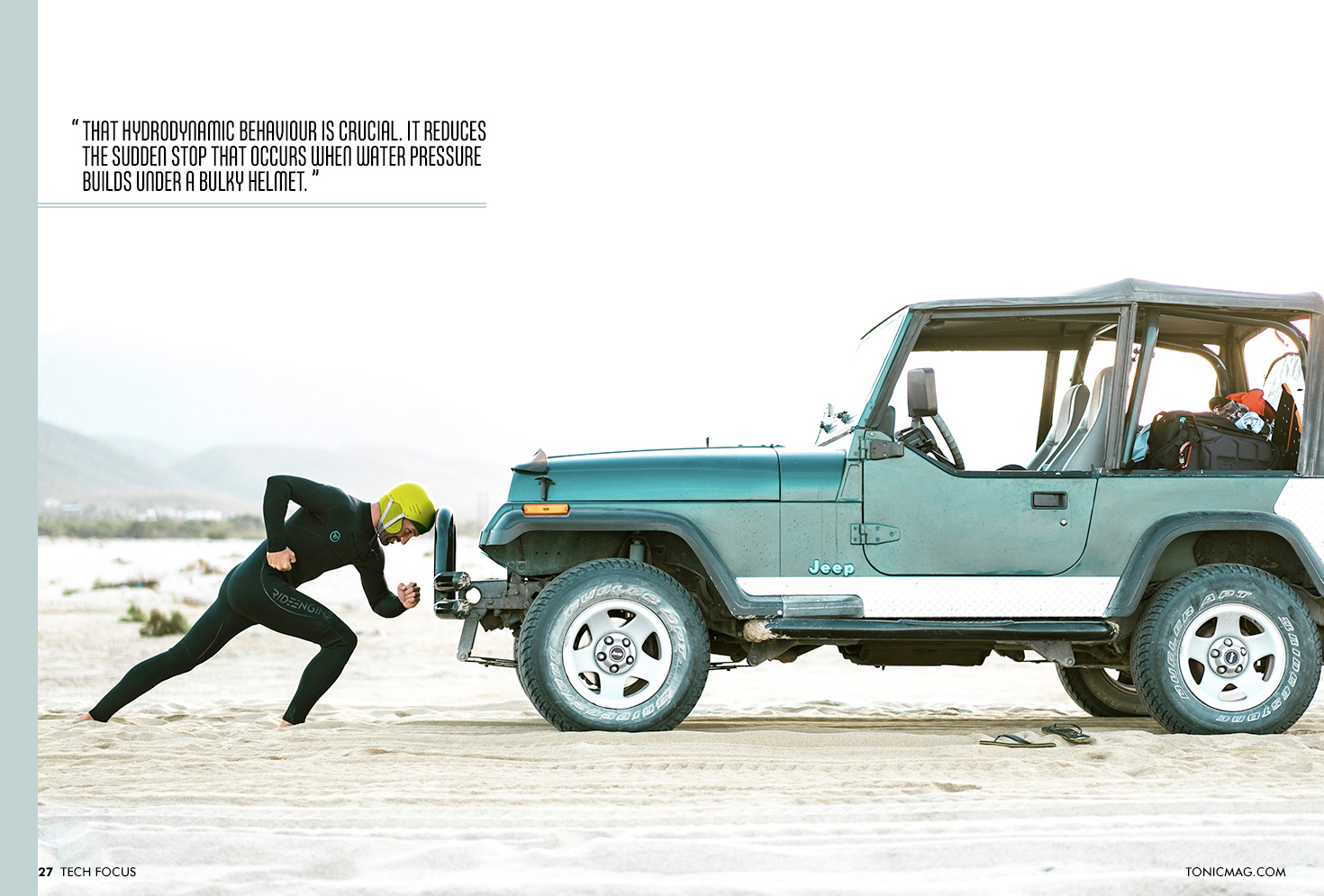
The biggest is water drag. A bulky helmet can catch water during a crash, causing the head to stop abruptly while the body continues moving. That sudden deceleration can actually increase neck strain or rotational force on the brain.
Then there is the practical side of surfing. Traditional helmets do not work well when duck diving under waves or being rolled in the impact zone. The extra volume and shape create resistance, making them uncomfortable in situations where the rider needs to move smoothly through the water.
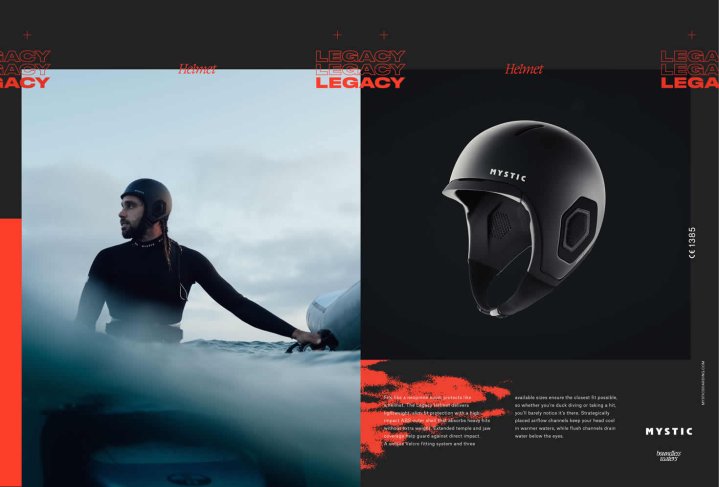
Siskar describes these older styles as “bobble head” helmets, designs that sit slightly off the skull and rely on adjustment systems rather than a close anatomical fit.
The Charger takes a different approach.
Hydrodynamics First
The defining design feature of the Charger helmet is its low-profile shape.
Instead of sitting away from the head, the helmet is designed to fit extremely close to the skull. This has two key benefits. First, it reduces the overall drag of the helmet moving through water. Second, it allows the helmet to break the surface tension of the water during a crash rather than catching it.
In simple terms, the helmet penetrates the water rather than slapping onto it.
For activities like wing foiling, tow foiling or big air kiteboarding, where riders can hit the water at speed, that hydrodynamic behaviour is crucial. It reduces the sudden stop that occurs when water pressure builds under a bulky helmet.
The shape also helps the helmet stay in place. When a helmet fits tightly to the head and follows its contours closely, it is less likely to shift during an impact or wipeout.
Materials and Impact Protection
While the Charger helmet prioritises hydrodynamics, protection is still the core purpose of the design.
The outer shell is made from injected glass-filled nylon, a material chosen for its combination of strength and durability. Inside the shell sits a layer of impact EVA foam that absorbs shock from collisions with boards, foils or other hard objects.
Unlike some cycling helmets that are designed to crush during a single major impact, the Charger is intended to handle repeated smaller hits, which are more typical in water sports. Riders might clip a foil, take a board strike or experience multiple wipeouts in a session.
The helmet carries CE certification for protection against hard-object impacts, an important benchmark in safety equipment. Achieving that certification requires the helmet to pass a series of impact tests where the shell and internal foam must absorb and disperse force within defined limits.
According to Siskar, the development team focused on proven materials rather than experimenting with entirely new composites. Using established impact foams and shell materials helped ensure the helmet could pass certification while maintaining a lightweight construction.
Custom Fit Instead of Mechanical Adjustment
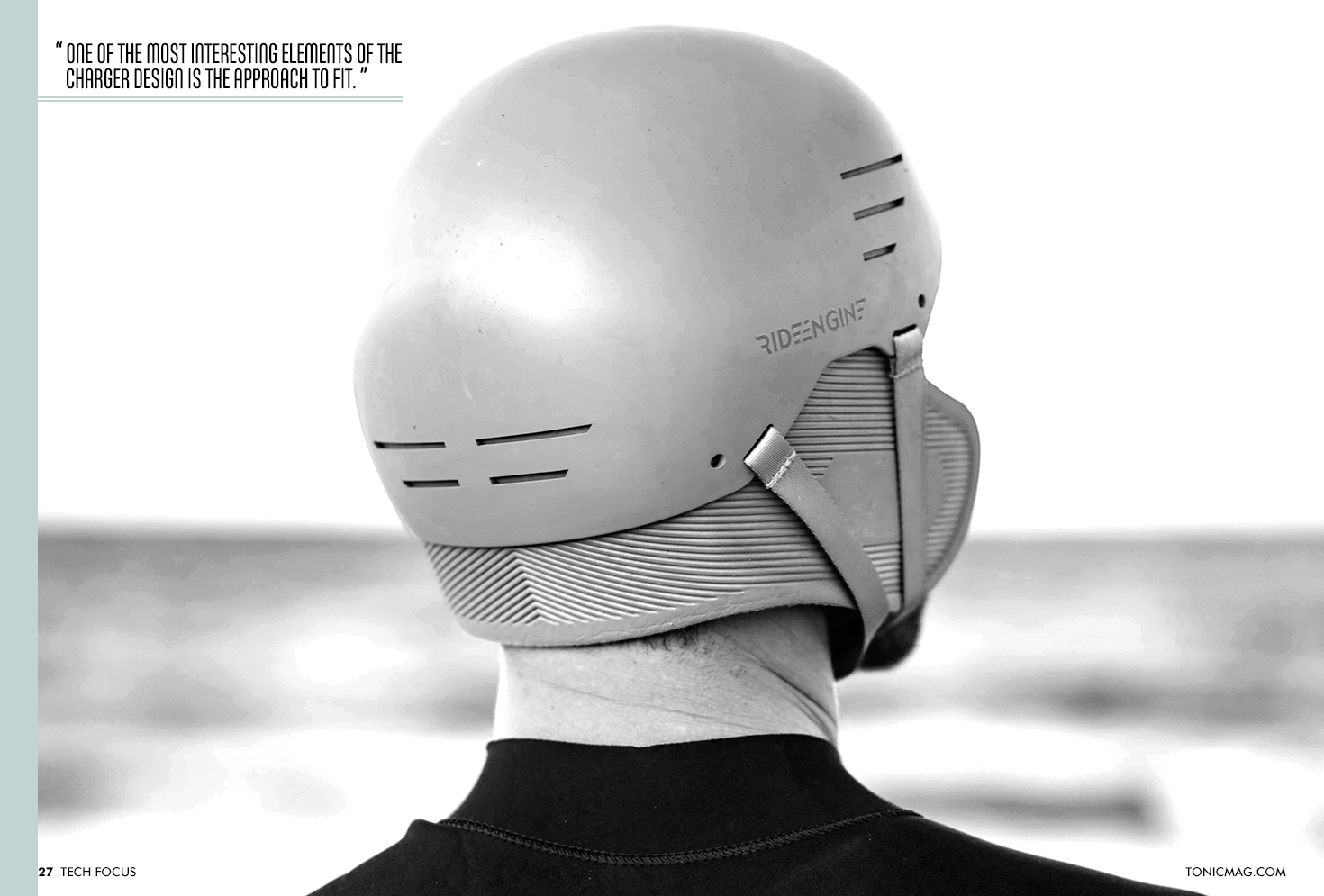
One of the most interesting elements of the Charger design is the approach to fit.
Many helmets rely on mechanical adjustment systems, usually a dial at the back of the head that tightens an internal cradle. While effective, these systems add weight and moving parts that can break or corrode in saltwater environments.
Ride Engine chose a simpler method.
The helmet comes in two shell sizes, extra small to medium, and large to double XL. Instead of adjustment dials, the fit is refined using removable EVA inserts placed inside recessed areas of the helmet.
These inserts come in different thicknesses, allowing riders to fine tune the internal shape of the helmet to match their head. The concept is similar to custom boot fitting in skiing or snowboarding, where small adjustments can dramatically improve comfort and stability.
Riders place the helmet on their head, identify any gaps or pressure points, and add foam inserts where needed. Thicker inserts can be stacked to take up additional space if required.
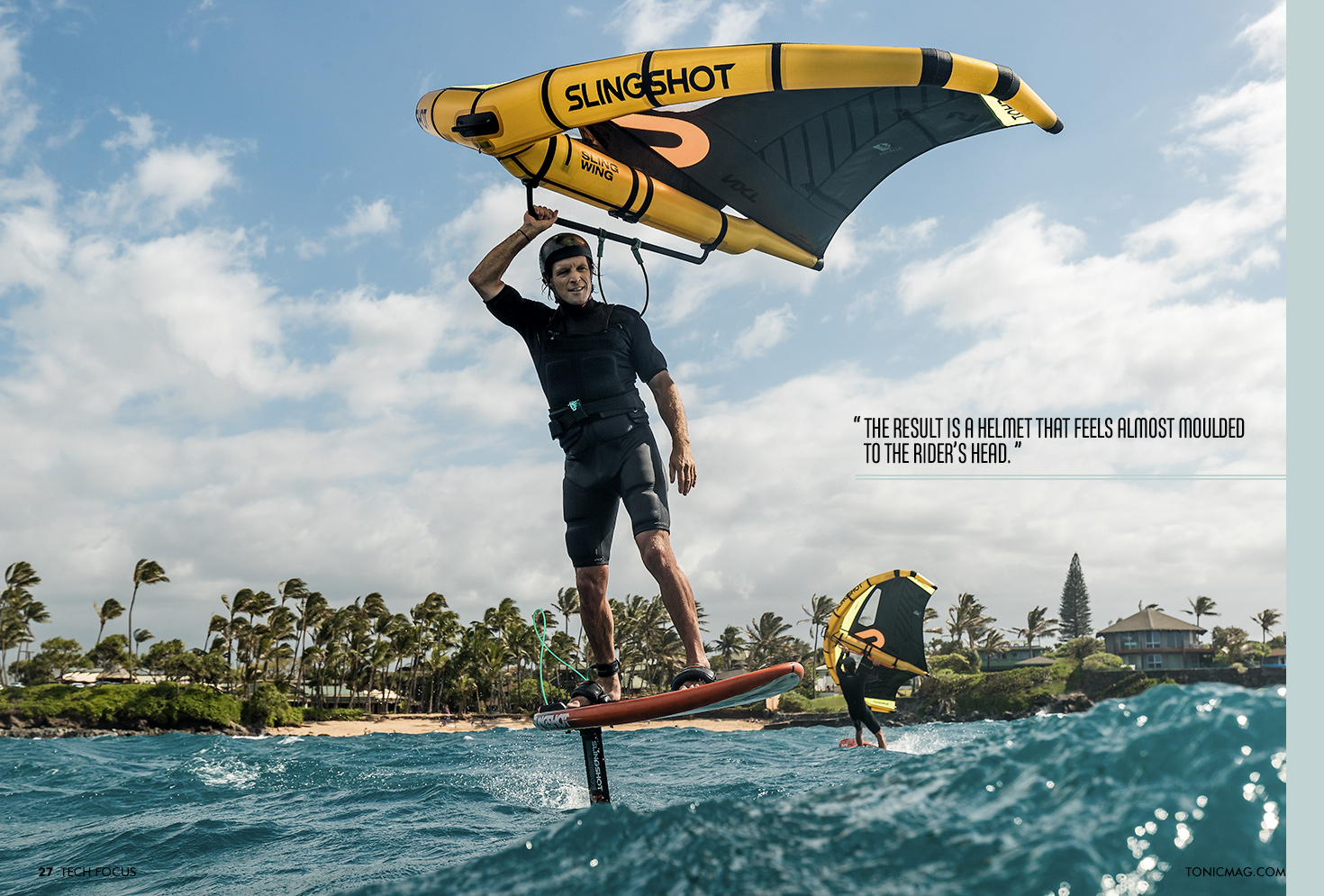
The process takes a little time, but the result is a helmet that feels almost moulded to the rider’s head. Once dialled in, the helmet should stay firmly in place without shifting during movement or crashes.
Protection Around the Ears and Jaw
Another distinctive feature of the Charger helmet is the extended EVA protection around the ears and upper jaw area.
Foiling introduces a unique hazard in this region. While riders instinctively protect the front of their faces during a fall, the sides of their heads remain vulnerable. A foil wing or mast can easily strike this area during a crash.
The Charger uses EVA padding that runs from the ear down toward the upper jaw line to shield this area from impacts.
However, Ride Engine also recognised that not every rider wants this level of coverage. Kiteboarders, for example, often ride at higher speeds where wind noise becomes a factor.
To accommodate different preferences, the ear protection can be modified by the user. A marked cut line allows riders to trim the padding or remove it completely if they prefer a more open design.
This flexibility means the helmet can be adapted to different disciplines within the foiling world.
Lightweight by Design
Weight is another critical factor in helmet comfort.
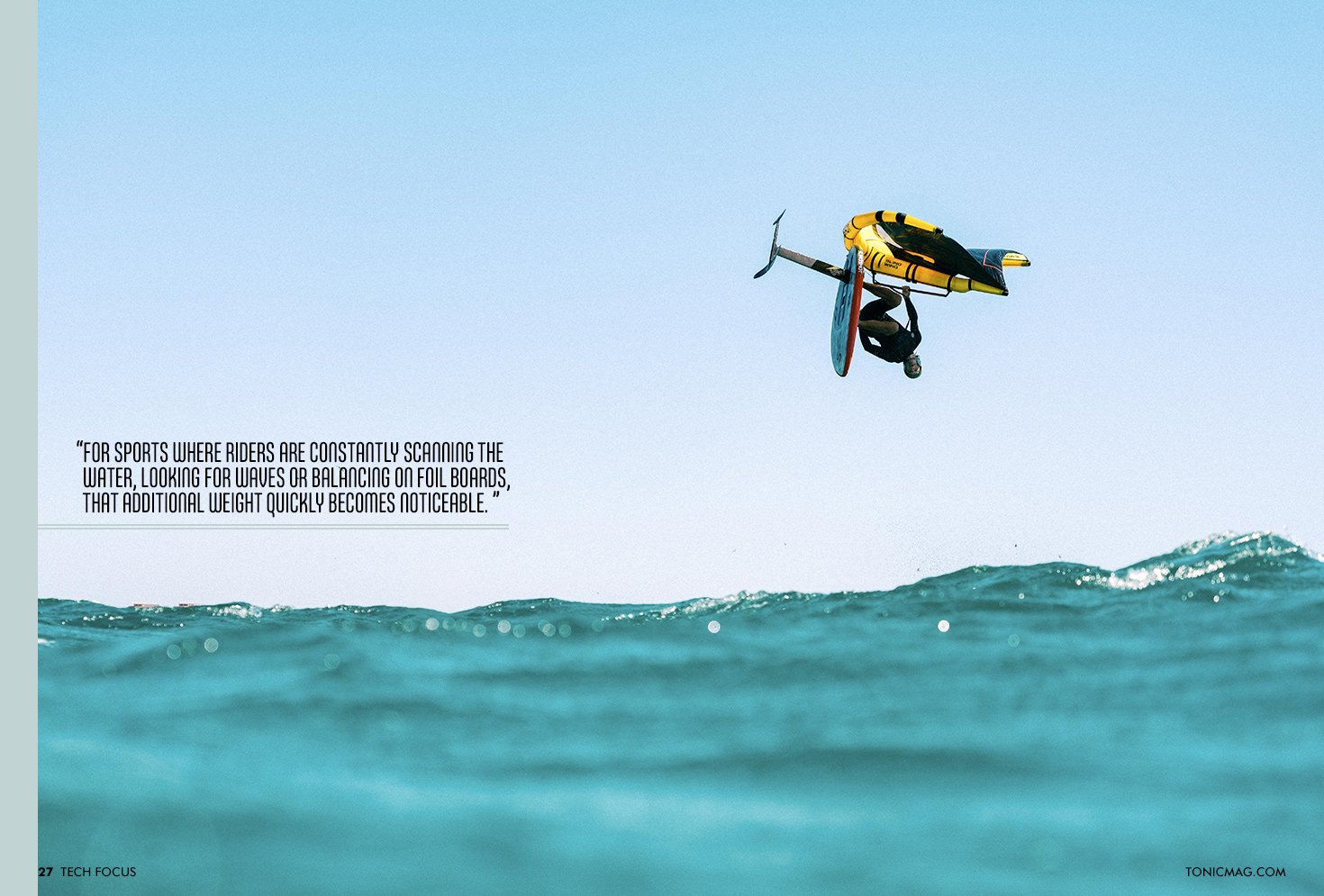
The human head already weighs several kilograms, and adding extra mass can increase fatigue or neck strain over long sessions. For sports where riders are constantly scanning the water, looking for waves or balancing on foil boards, that additional weight quickly becomes noticeable.
By eliminating mechanical adjustment systems and focusing on a minimal shell structure, Ride Engine aimed to make the Charger one of the lightest helmets in its category.
The result is a helmet that many riders reportedly forget they are wearing after a few minutes on the water, an important factor if helmet adoption is to increase across the sport.
Development and Prototyping
The Charger helmet was not developed overnight.
Siskar traces the earliest discussions about the project back to around 2019, when Ride Engine began noticing changes in the surfing world. At the time, helmet use in heavy-wave locations like Pipeline and Puerto Escondido was beginning to increase.
A trip to Indonesia reinforced the idea. In certain lineups, a surprising number of surfers were already wearing helmets, particularly the Gath models that have been a staple of big wave surfing for years.
Foiling was also growing rapidly during that period, bringing its own safety concerns.
Ride Engine began exploring concepts and testing existing helmets to understand what worked and what did not. The real design process began around 2022, with engineers creating digital models and producing 3D printed prototypes to refine the shape.
Finding the correct head shape turned out to be one of the biggest challenges. Human heads vary widely, from round to oval profiles, and a helmet that fits poorly is unlikely to be worn regularly.
Through repeated testing and adjustments, the team eventually arrived at a shell shape that could accommodate a wide range of riders when combined with the internal EVA inserts.
Overall, the development process took around two to two and a half years.
The Bigger Shift Toward Protection
Beyond the helmet itself, the Charger reflects a wider shift happening in foiling and water sports.
For years, protective equipment in surfing culture was often viewed as unnecessary or uncool. Snowboarding experienced a similar resistance before helmet use eventually became the norm.
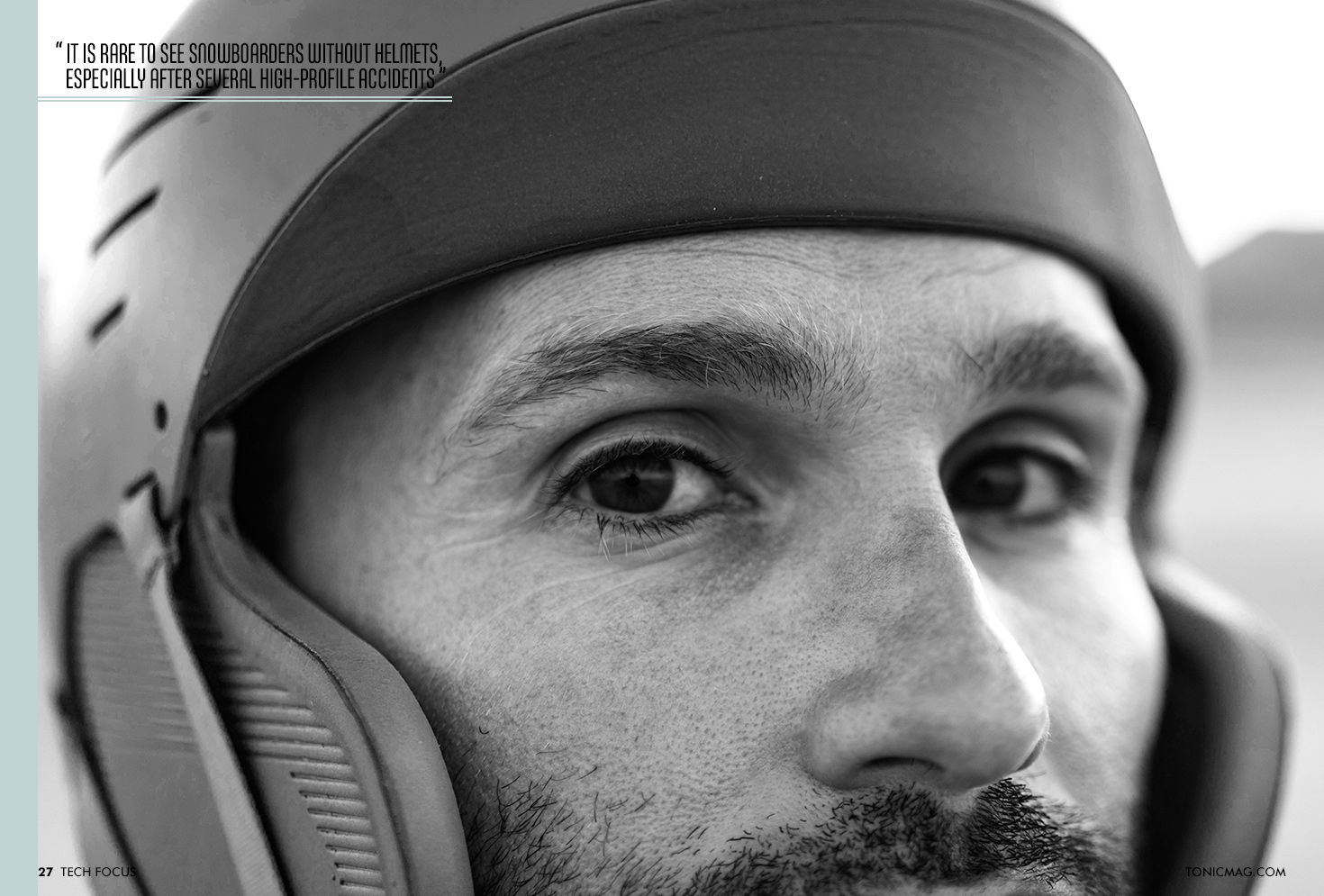
Today, it is rare to see snowboarders without helmets, especially after several high-profile accidents highlighted the risks involved.
Siskar believes water sports are heading in the same direction. As foiling pushes into more extreme environments and athletes continue to innovate with equipment, the importance of protection becomes harder to ignore.
Helmets are only one part of that conversation. Downwind foilers are increasingly discussing flotation aids, high visibility colours, emergency communication devices and first aid tools like tourniquets.
The sport is maturing, and with that maturity comes a growing awareness of safety.
Will Helmets Become the Norm?
The adoption curve for helmets in foiling is still developing, but the signs are clear.
Professional surfers now regularly wear helmets in heavy wave competitions. Many downwind foilers carry safety gear as standard. And more brands are designing equipment specifically for the unique demands of water-based sports.
If that trend continues, the idea of foiling without a helmet may eventually feel as strange as snowboarding without one does today.
The Ride Engine Charger is one step in that direction, a helmet built from the ground up for the realities of modern foiling.
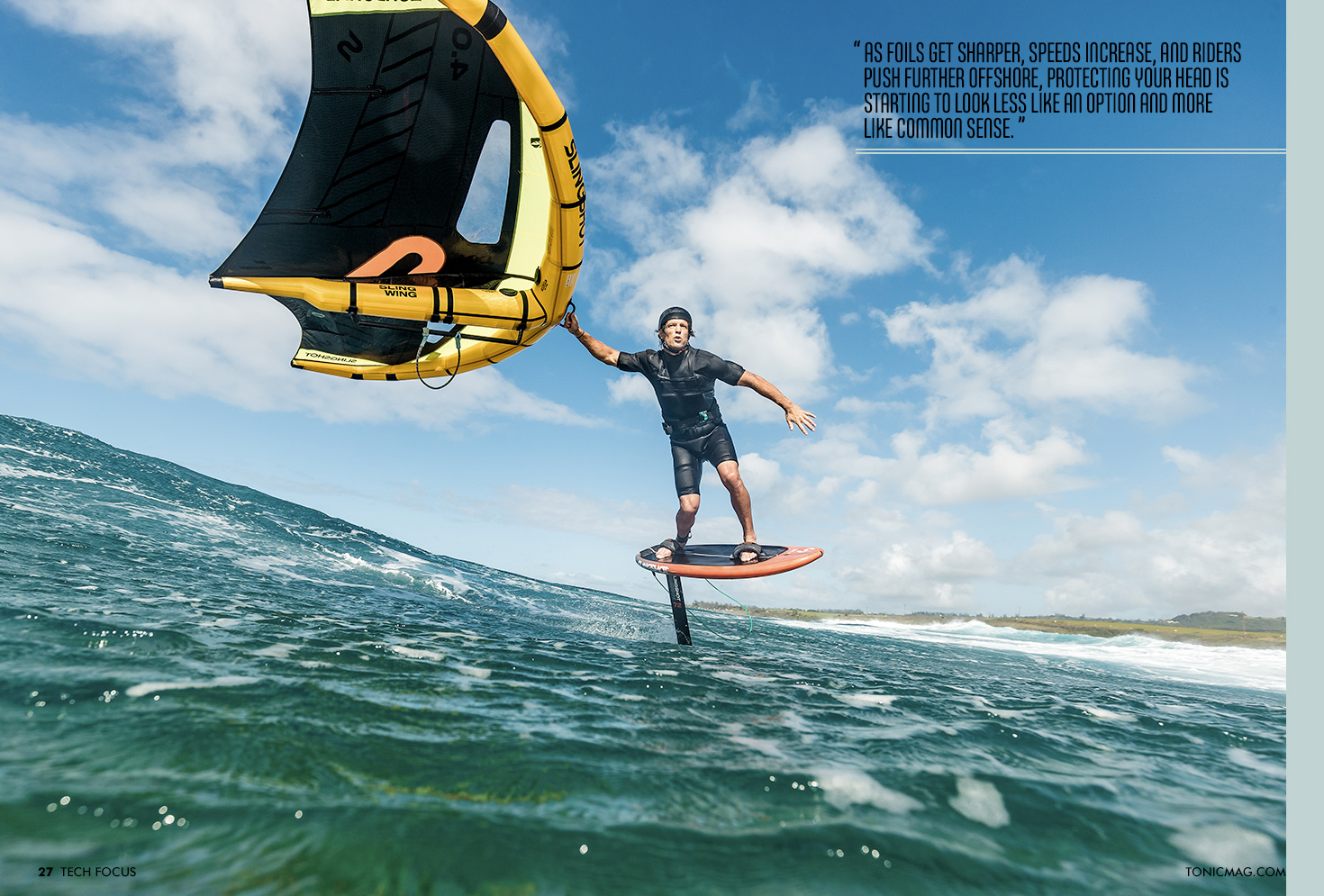
Whether riders embrace it widely will depend on comfort, performance and culture. But one thing is certain, as foils get sharper, speeds increase, and riders push further offshore, protecting your head is starting to look less like an option and more like common sense.
By Tonic Mag
