
At A Glance
The mast is arguably one of the most important components of any foil setup. It’s the connection between you, your board, and the foil beneath your feet. Get it wrong, and all that energy you’re putting into your riding can disappear through unwanted flex and drag. Get it right, and you can transform the performance of your entire setup without changing a single wing.
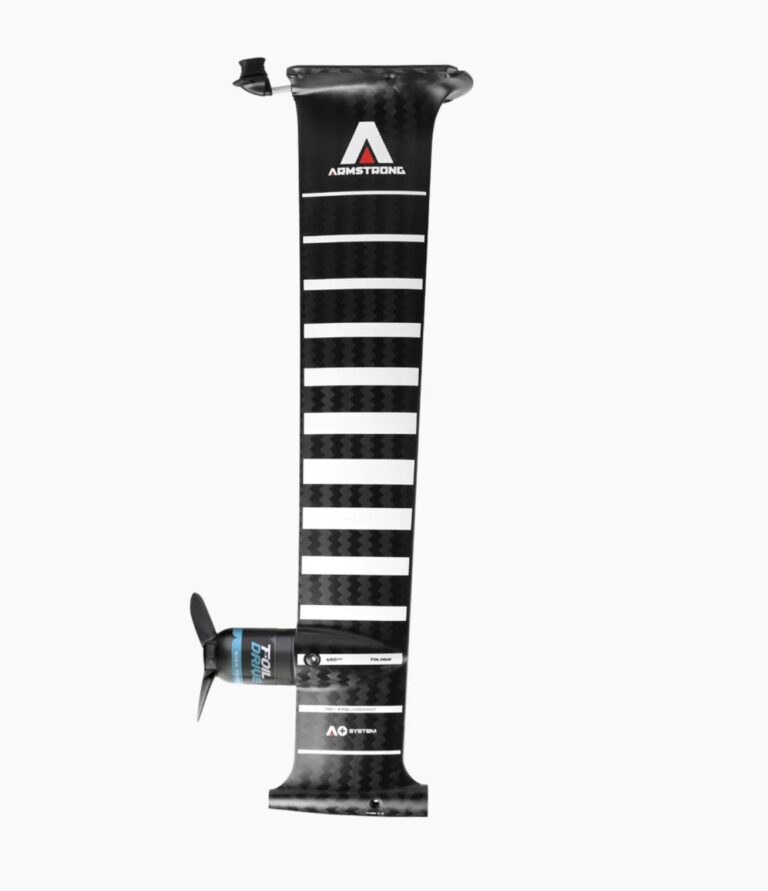
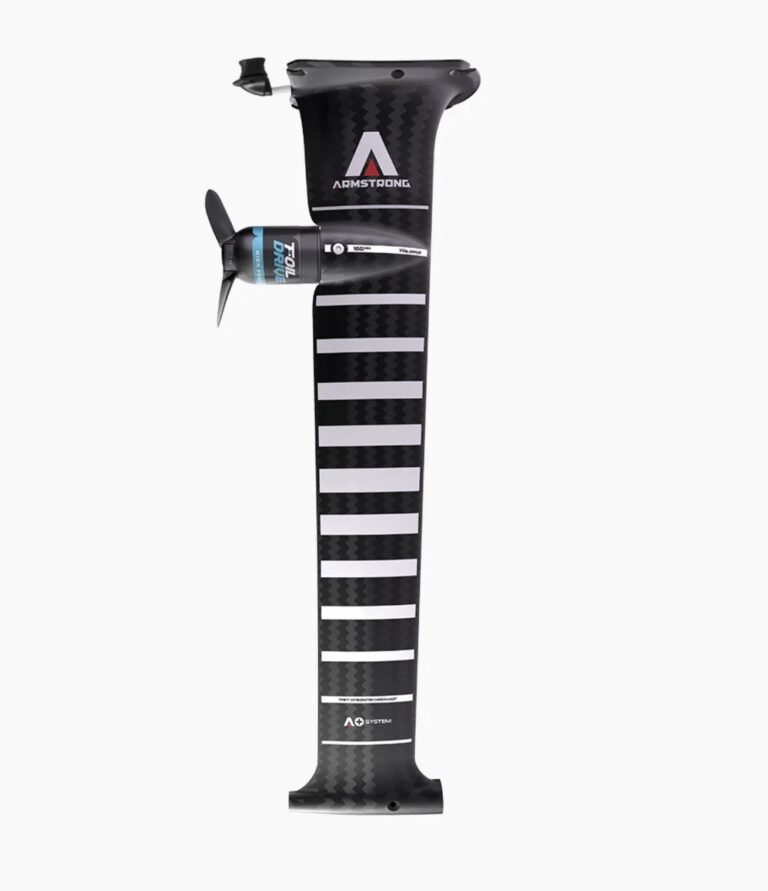
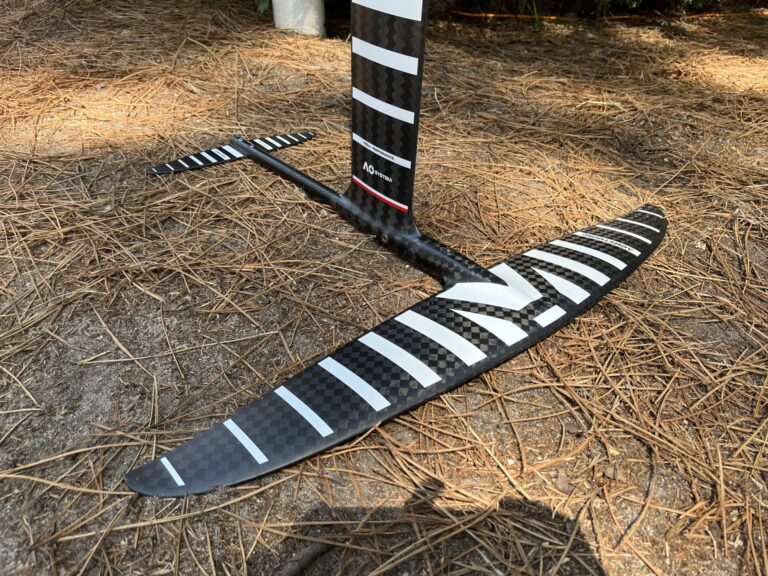
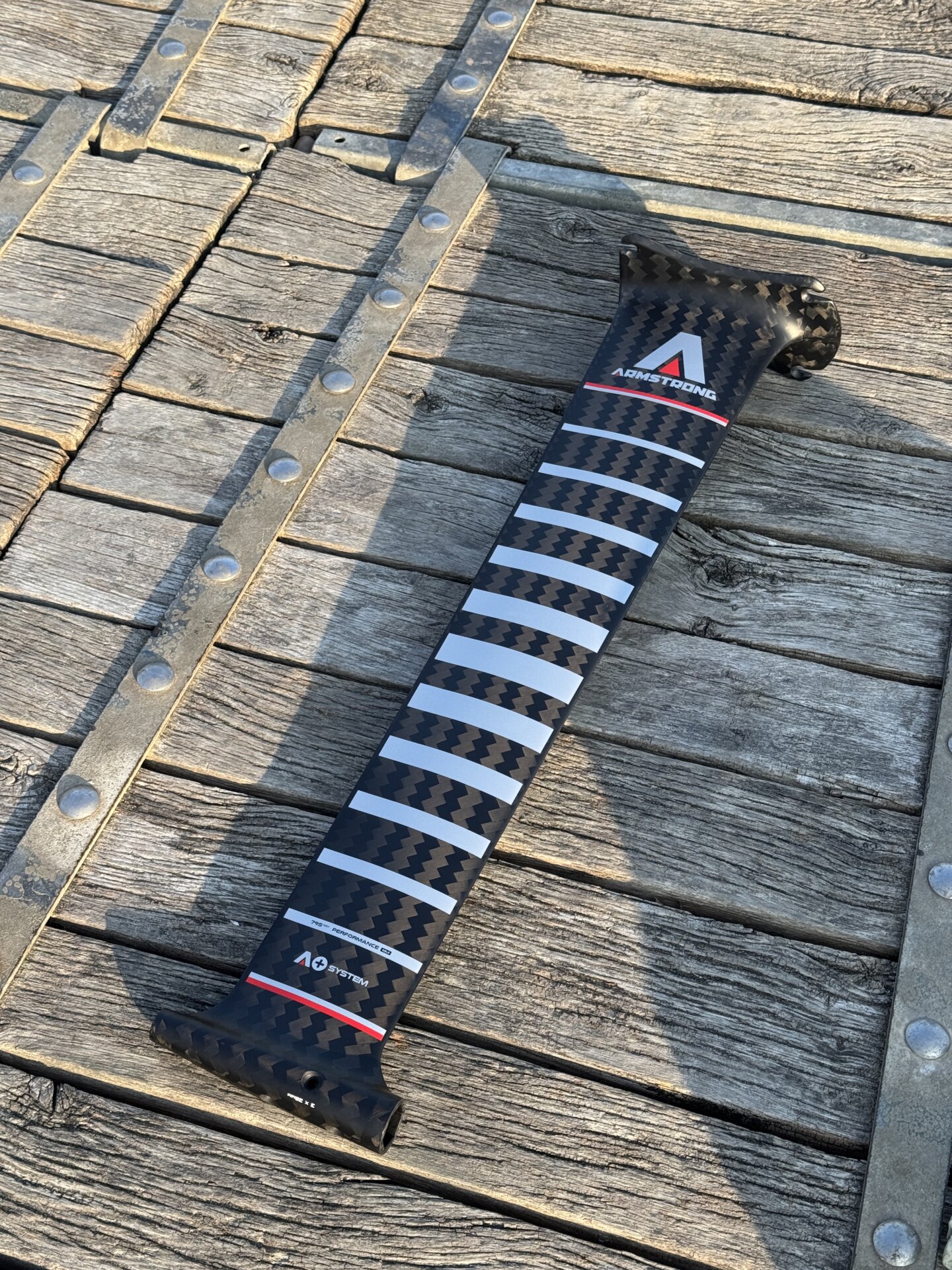
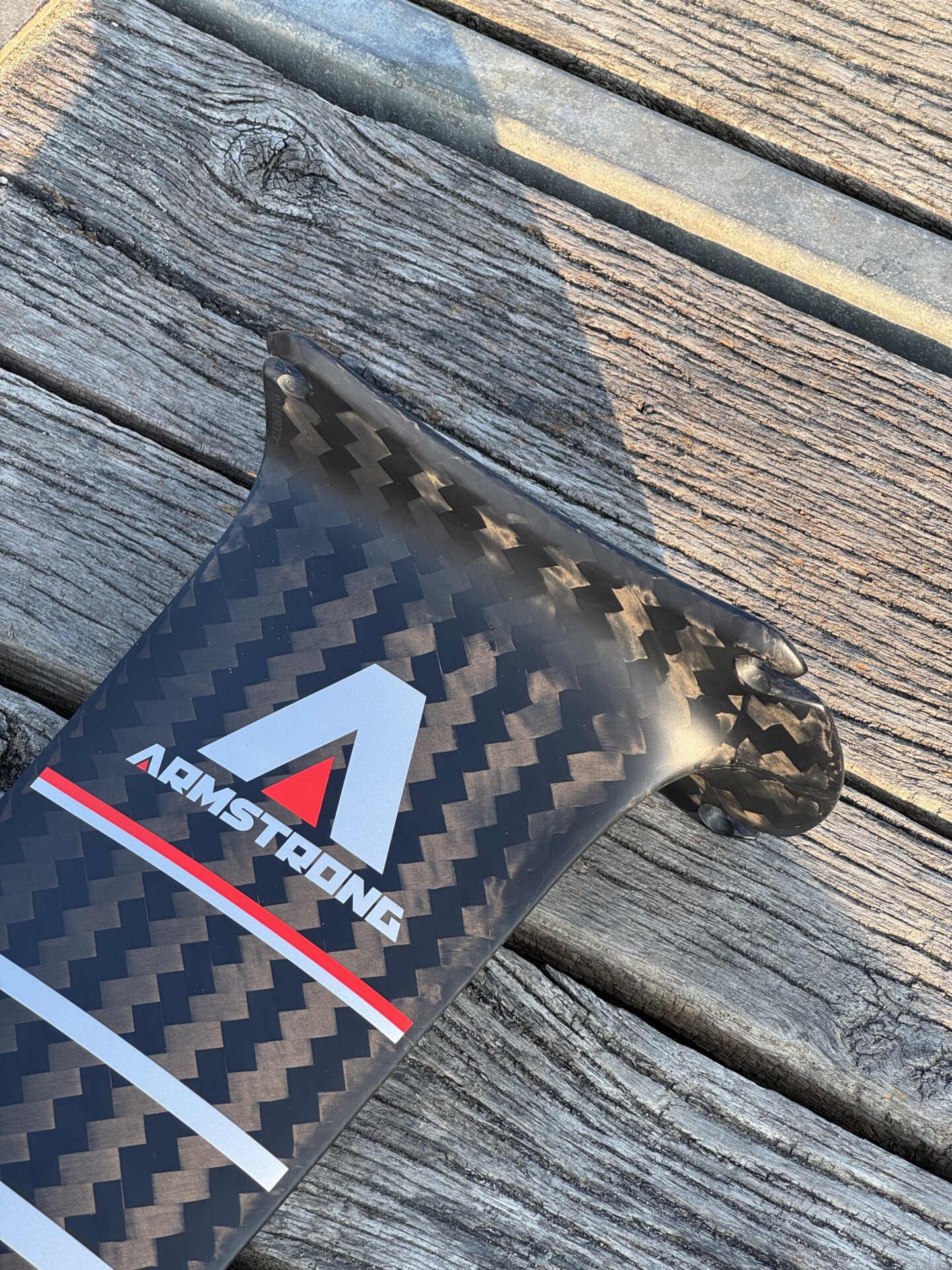
Armstrong has been putting some serious effort into mast development, and we’ve had two of its latest offerings on test, the Performance X and the Performance MKII. Both represent significant developments over the previous generation, but they take slightly different approaches to improving your experience on the water.
The Performance X sits at the top of the range, using M55 high-modulus carbon and a carefully developed laminate construction to achieve an incredibly thin 12.2mm profile. It’s the thinnest mast Armstrong makes, and the chord depth has also been reduced to help minimise drag, particularly when you’re riding high on the mast.
Despite that slender profile, Armstrong has managed to increase bending and torsional stiffness by 10% compared to its previous Performance mast. Considering that the previous generation was already a pretty stiff mast, that’s an impressive achievement.
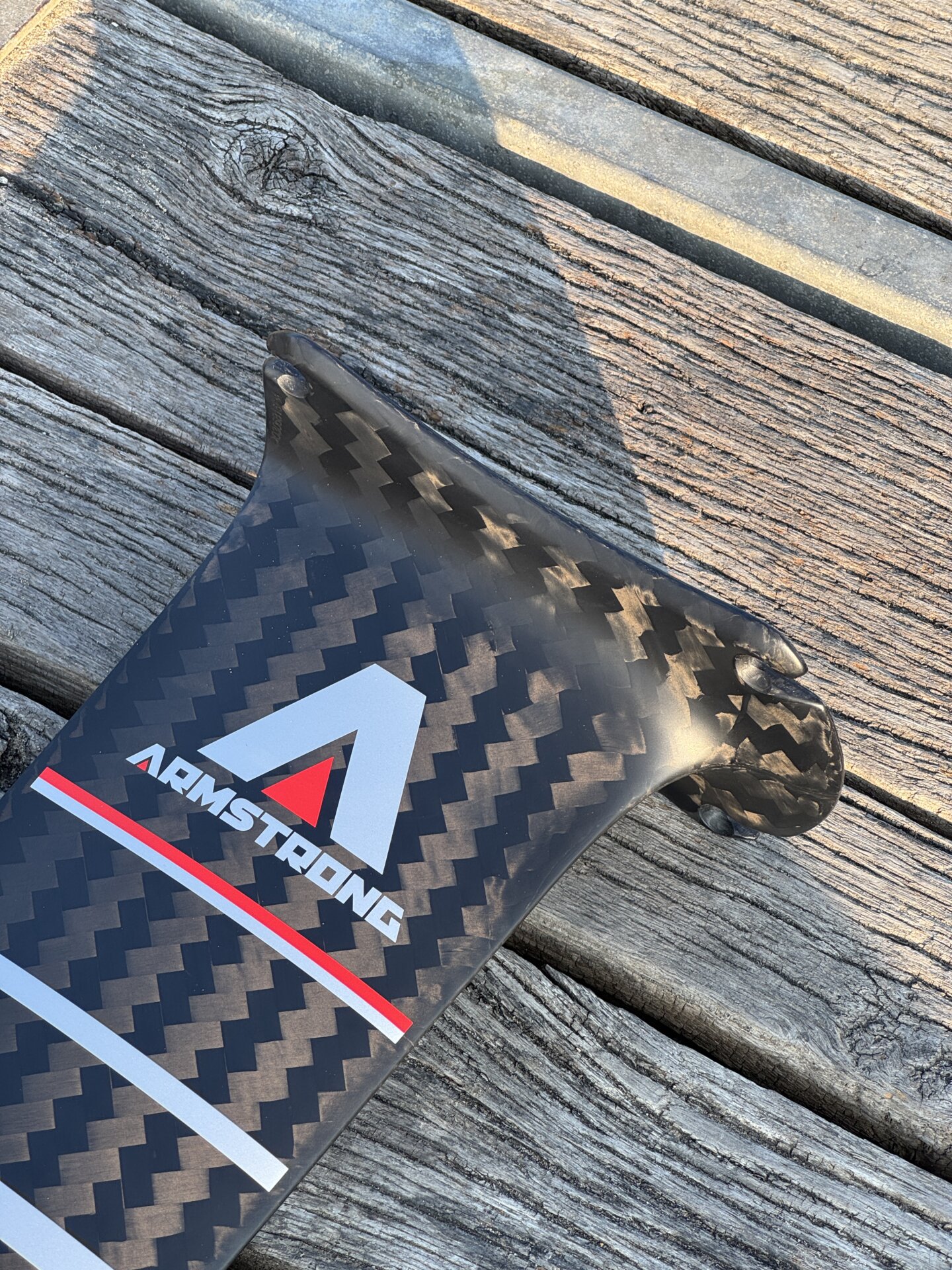
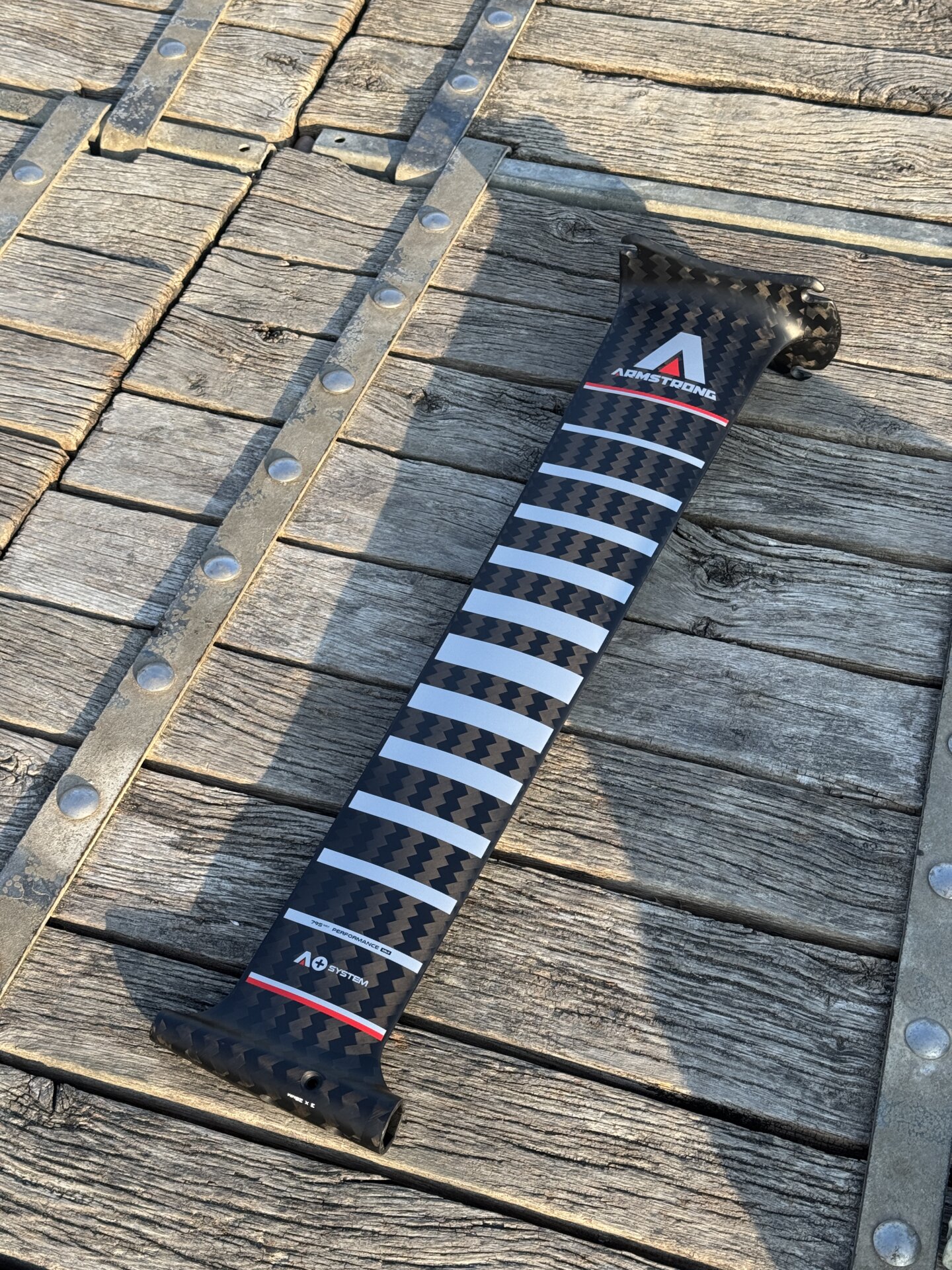
The Performance MKII takes a slightly different approach. It shares the new outline and shape, with a 13.8mm profile, but places greater emphasis on stiffness and responsiveness. Bending stiffness has increased by 30%, while torsional stiffness is up by 20%. Those are significant improvements, particularly for riders who demand an immediate response from their equipment.
Armstrong has also worked on the shape of the upper section of the masts to improve their efficiency through the water, helping to reduce drag and make getting onto foil easier.
Both masts have been designed to improve performance, but as we discovered during testing, they deliver those improvements in different ways.
On The Water
I’ve spent a considerable amount of time testing these masts, particularly dock starting, which I reckon is one of the best ways to understand how a mast performs.
When you’re dock starting, you’re generally using a relatively large front wing, which can expose any unwanted flex in the mast. More importantly, every bit of energy you need to keep moving has to come from your own pumping effort. There’s no wing, kite, or wave helping you along, so any unnecessary drag or loss of energy becomes immediately apparent.
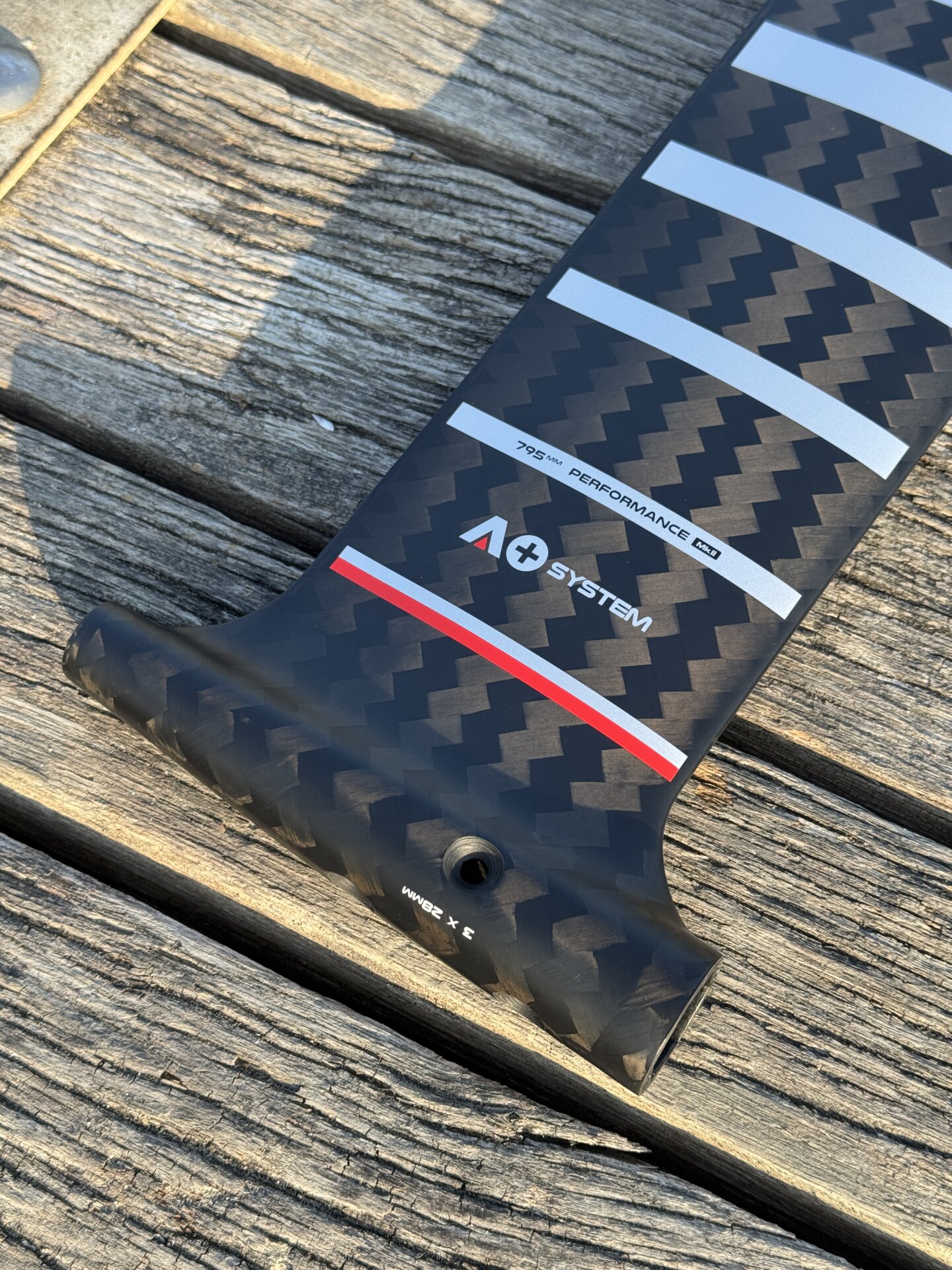
The Performance X was a revelation.
I normally ride the Armstrong APF 1675 pump foil, which isn’t particularly large for my 85kg weight. With the Performance X underneath me, though, that front wing suddenly felt bigger. It was easier to ride, generated what felt like more lift, and allowed me to glide further between pumps.
The really noticeable difference came when riding high on the mast. As more of that slender profile came out of the water, the reduction in drag was remarkable. Everything just seemed to become easier.
What I particularly liked was that the foil felt as though it had gained the benefits of a larger front wing without any of the compromises. I still had the same dynamic handling and ability to carve, but with improved glide and a more forgiving feel.
That’s a pretty special combination.
The reduced thickness towards the bottom of the mast also made a noticeable difference when turning. There’s simply less material pushing through the water, and the foil feels easier to manoeuvre as a result.
Compared to Armstrong’s previous Performance mast, which was already an excellent piece of equipment, the Performance X genuinely felt as though it was unlocking additional performance from the foils I already owned.
It’s not often you can make an upgrade to one component and immediately notice such a difference across your existing equipment.
The Performance MKII delivers a different experience.
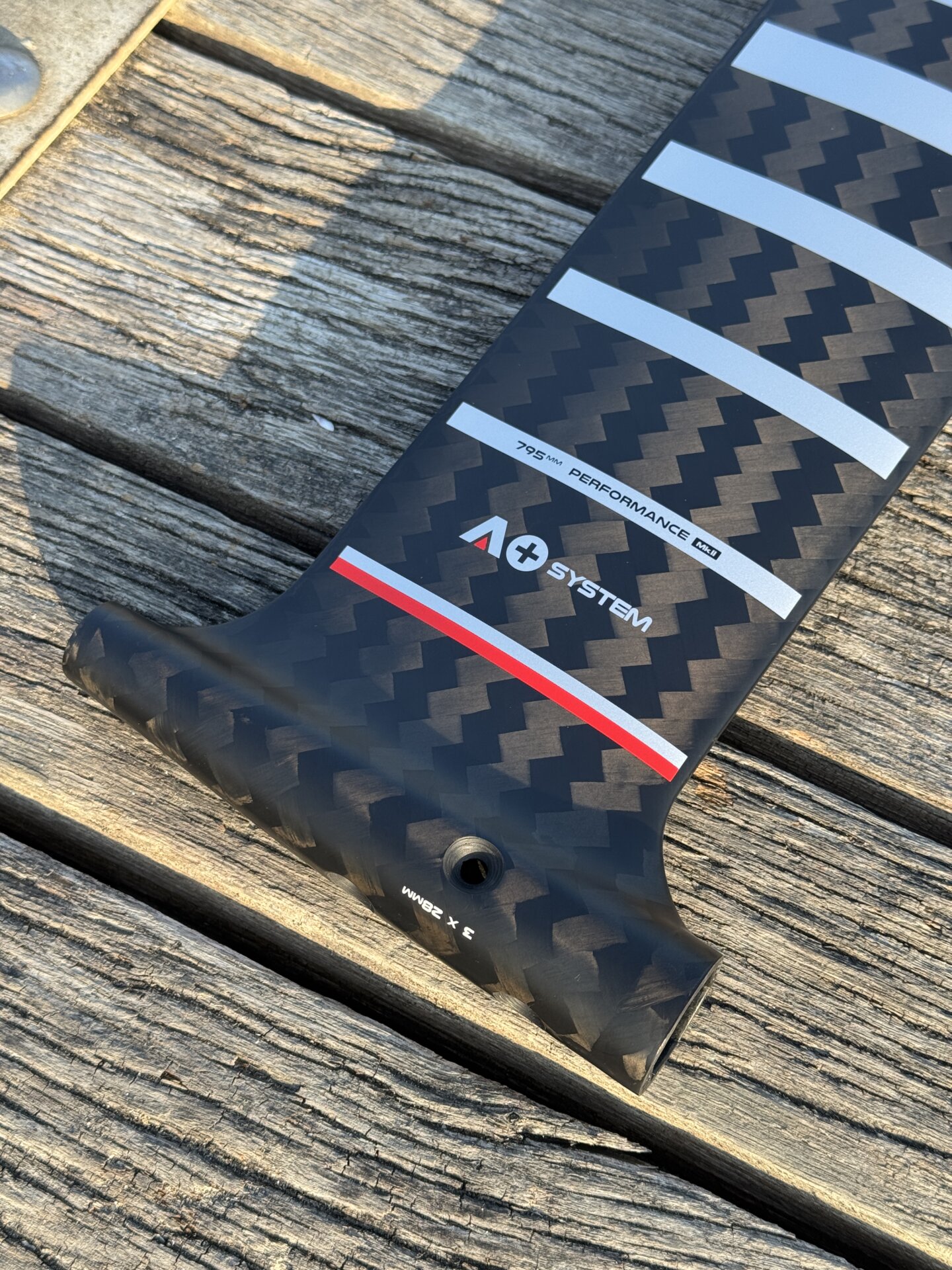
Where the Performance X is all about reducing drag and maximising the efficiency of your foil, the MKII really stands out for its stiffness and direct response.
With those substantial increases in bending and torsional stiffness, the connection between your feet and the foil feels incredibly immediate. Put an input through the board, and the foil responds almost instantaneously.
For riders who enjoy freestyle, popping, and more aggressive manoeuvres, that’s a particularly appealing characteristic.
You don’t get quite the same dramatic improvement in glide and efficiency that you experience with the Performance X, but the MKII makes your riding feel more direct and dynamic.
There’s also the question of budget. The Performance X is the premium option, and not everyone will want to spend that much money on a mast. The Performance MKII offers a compelling alternative, particularly if stiffness, responsiveness, and durability are high on your list of priorities.
Overall
I’ve been seriously impressed with both of these masts, and I think Armstrong deserves plenty of credit for the development work that’s gone into them.
Masts are often overlooked when riders start thinking about upgrading their equipment. It’s easy to get excited about the latest front wing or a new board, but the mast plays an enormous role in determining how well everything works together.
The Performance X is one of those upgrades that genuinely changes the way your existing equipment feels.
For me, the improvement in glide, reduced drag, and the way it made my front wings feel more capable was extraordinary. Whether you’re dock starting, wing foiling, or prone foiling, those improvements in efficiency can make a real difference.
I’ve also had other riders try the Performance X, and their feedback has been very similar. It’s one of those products where you really need to experience the difference to appreciate just how much of an impact a mast can have.
If you’re already riding Armstrong equipment and have the budget available, the Performance X would be my first choice. I genuinely think it’s one of the best upgrades you could make to your existing setup.
The Performance MKII is equally impressive in its own right. If you’re looking for a particularly stiff mast that delivers immediate feedback, excellent responsiveness, and the characteristics needed for freestyle and popping, it’s a fantastic option.
Ultimately, it comes down to your riding priorities and how much you want to spend.
For outright efficiency and glide, the Performance X is exceptional. For stiffness, direct handling, and dynamic riding, the Performance MKII is a brilliant choice.
Both get a big thumbs up from us.