
At A Glance
The mid-length revolution is well underway, and Armstrong’s new Midlength Mk II X-Form is a perfect example of why so many riders are moving away from ultra-compact sinker boards. Designed to bridge the gap between traditional wing boards and dedicated downwind shapes, it promises earlier take-offs, greater efficiency and impressive versatility across multiple foiling disciplines.
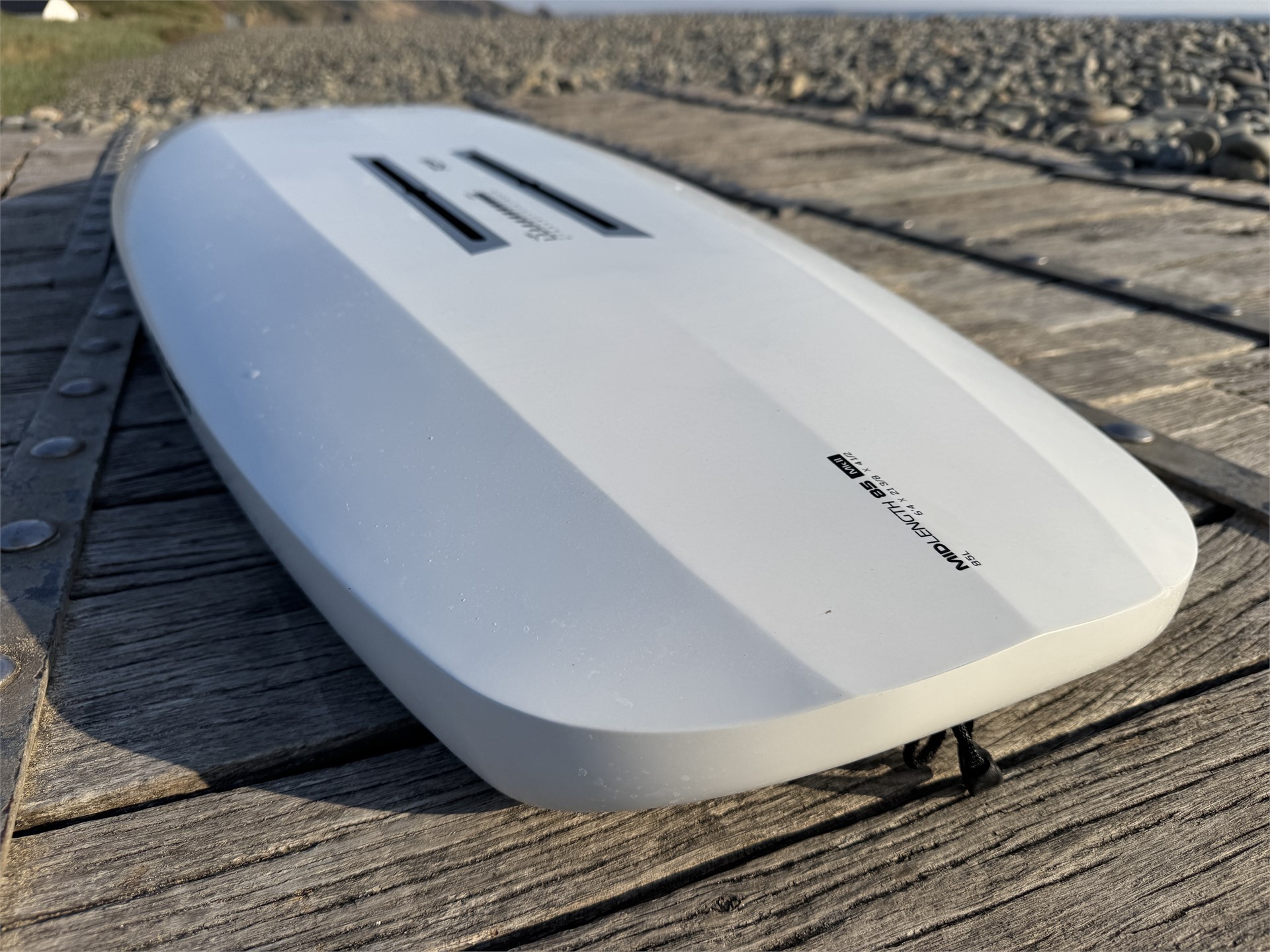
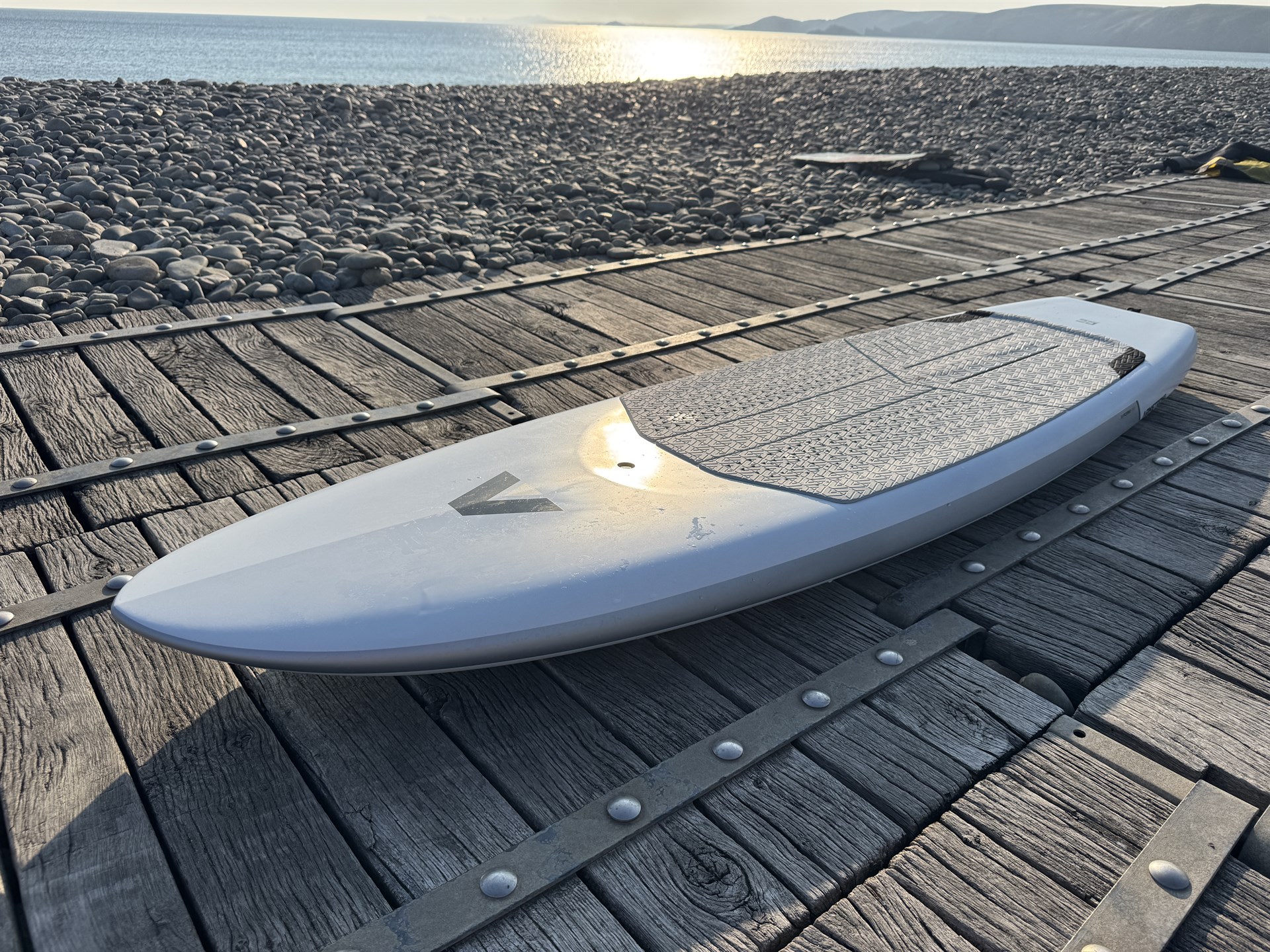
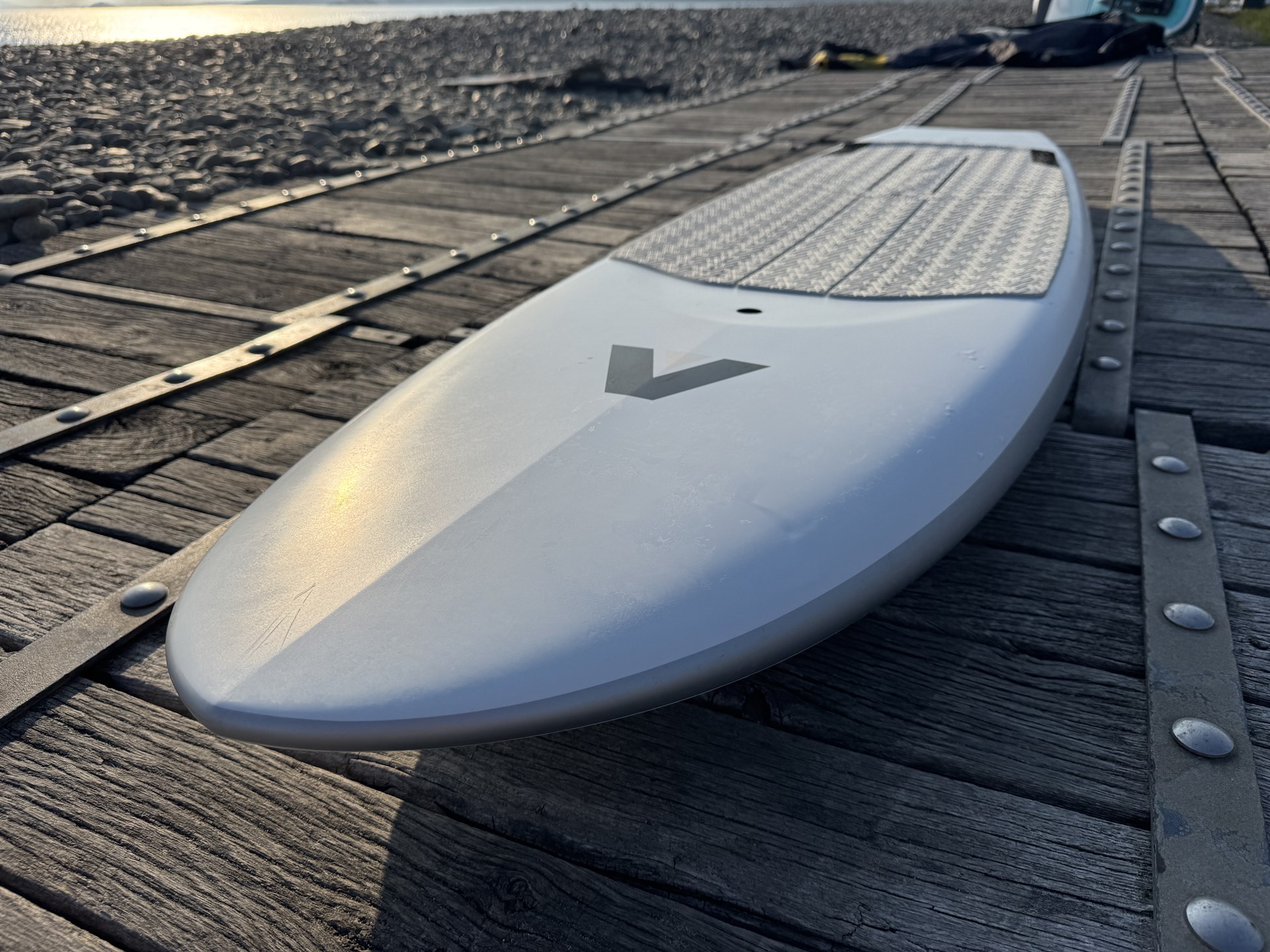
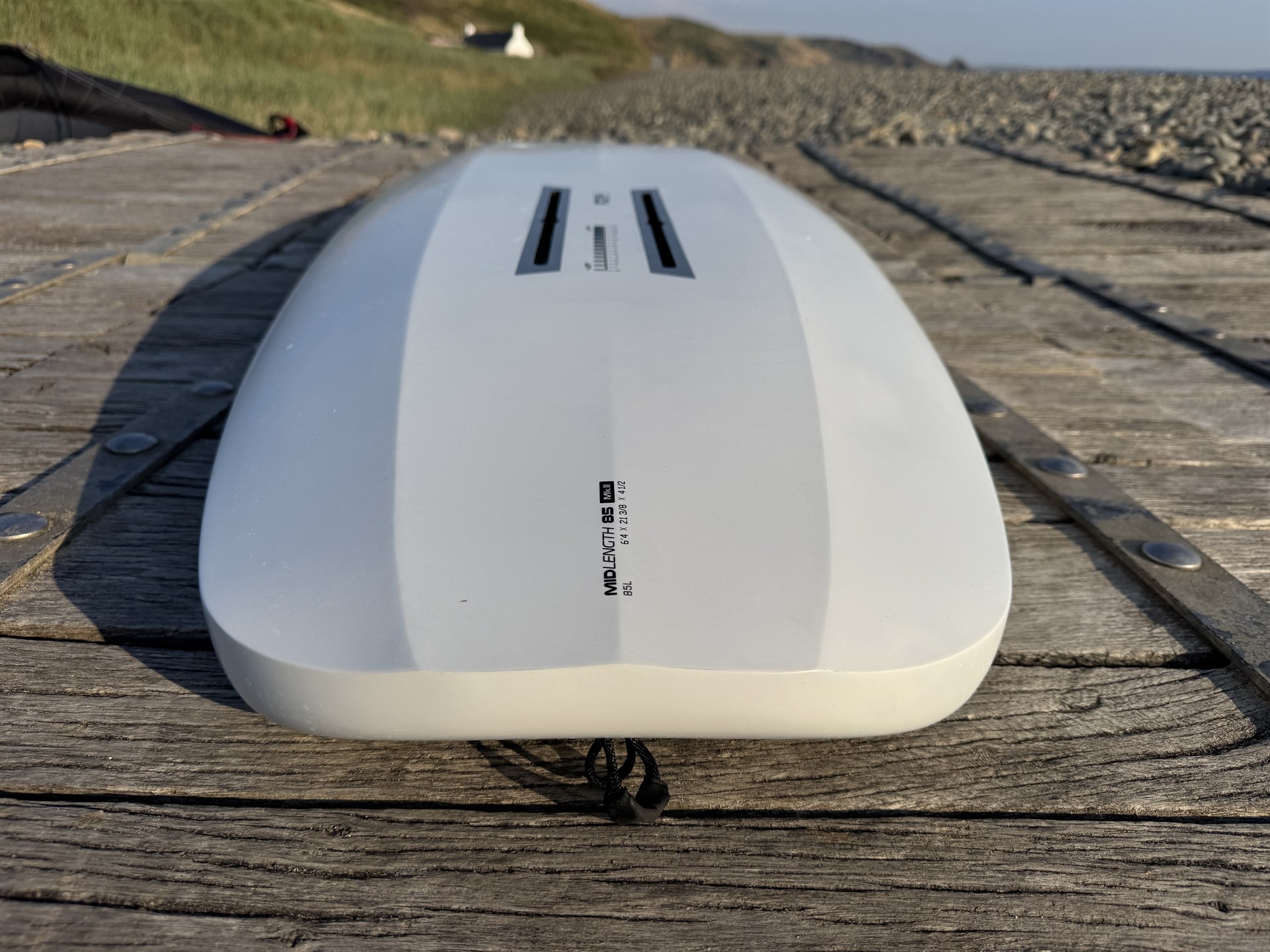
Available in a huge range of sizes from 38 to 130 litres, the Midlength Mk II caters for everyone from lightweight foilers through to larger riders looking for maximum stability. I tested the 6’4”, 85-litre model, which sits right around neutral buoyancy for my 85kg riding weight. Compared with the previous generation, the Midlength Mk II is around an inch shorter and roughly an inch wider, while the overall thickness has been reduced. The bottom shape has also been refined, with a flatter hull and less aggressive chines than before. The result is a board that feels noticeably more stable without sacrificing the effortless take-off and pumping efficiency that made the original such a success. In fact, it’s one of the most stable mid-length boards I’ve ridden. Whether waiting for a gust, climbing back on after a fall or simply getting organised before take-off, that added stability makes life noticeably easier without taking anything away from the board’s performance to get you up on foil.
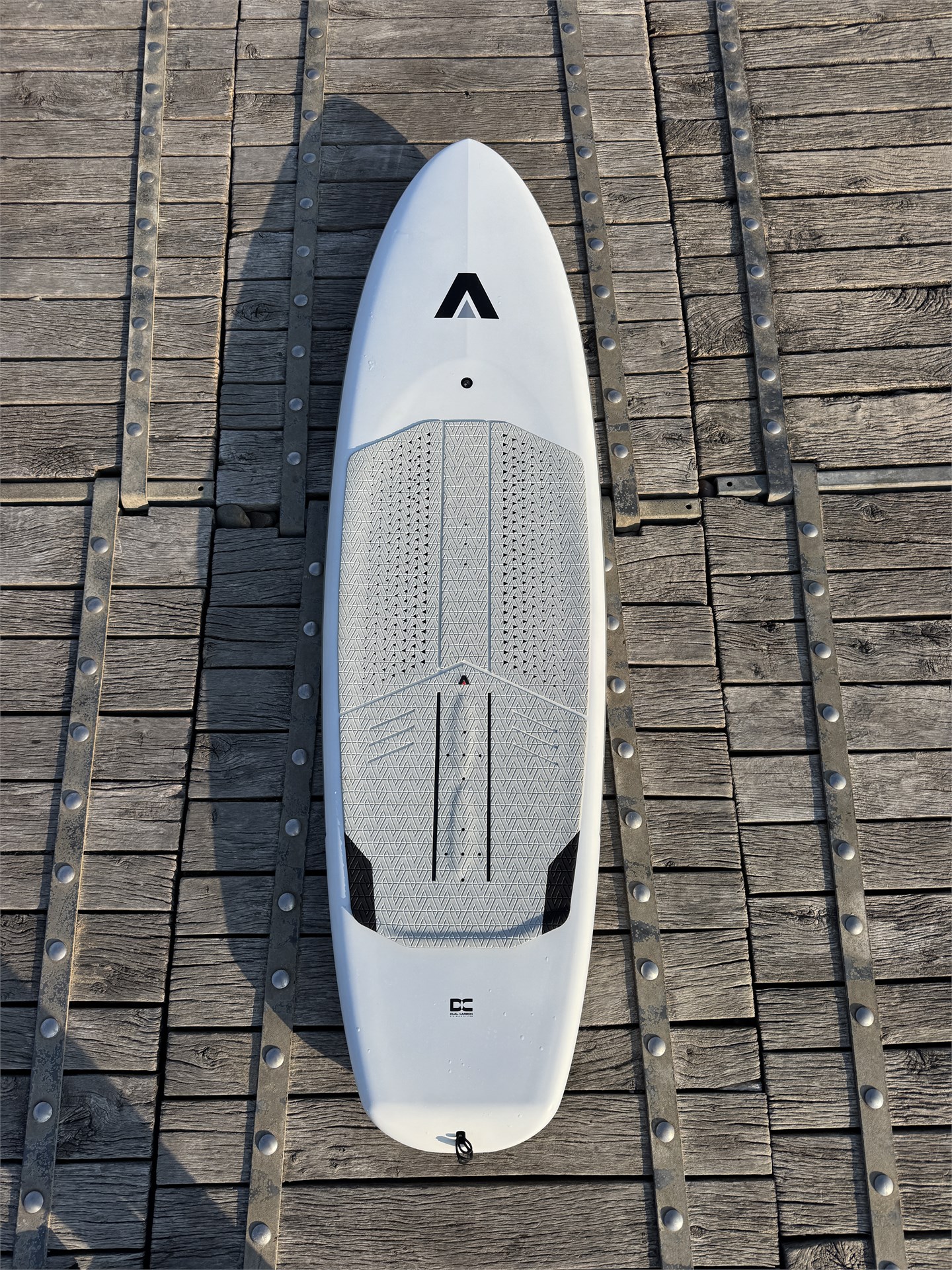
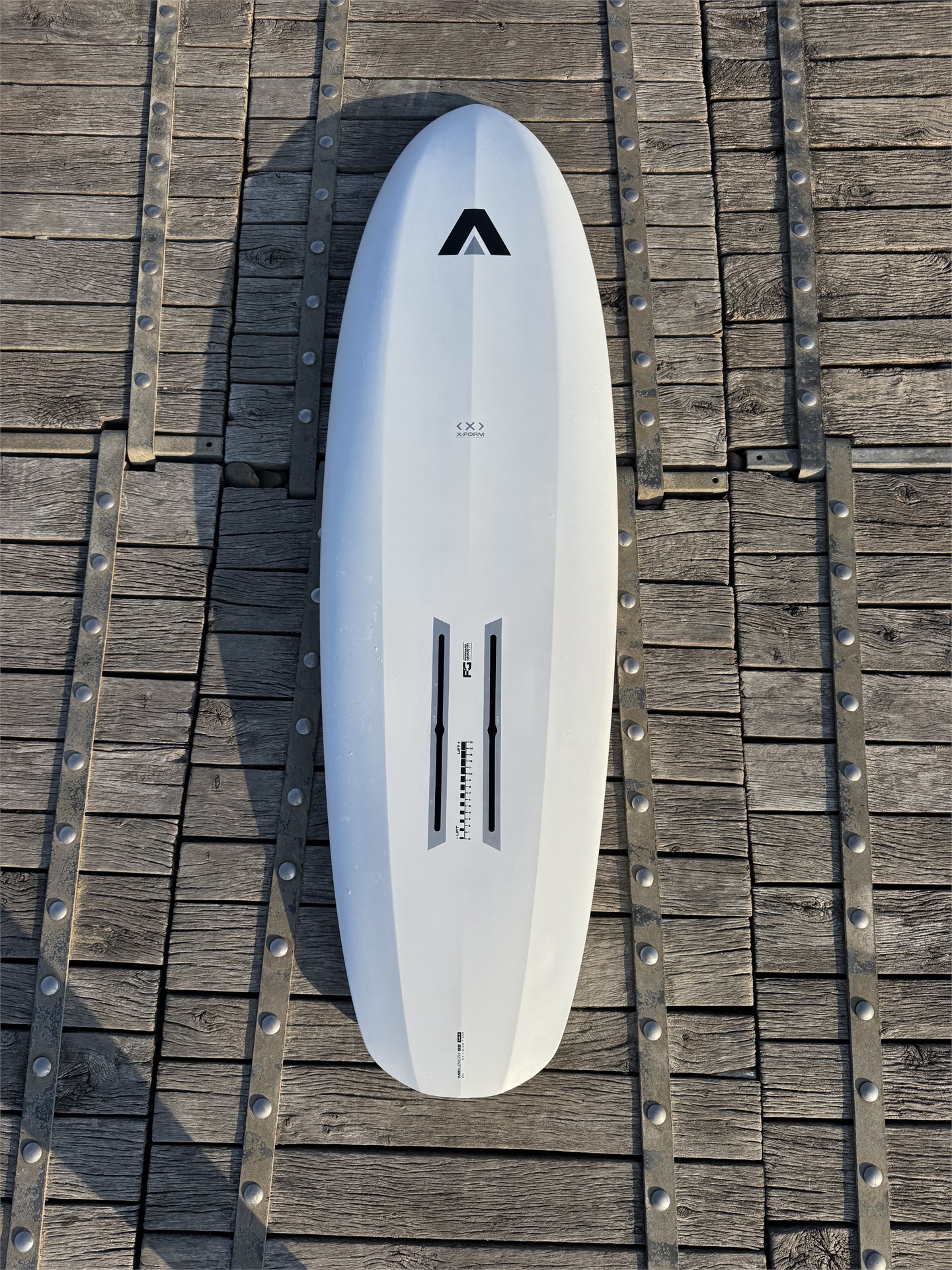
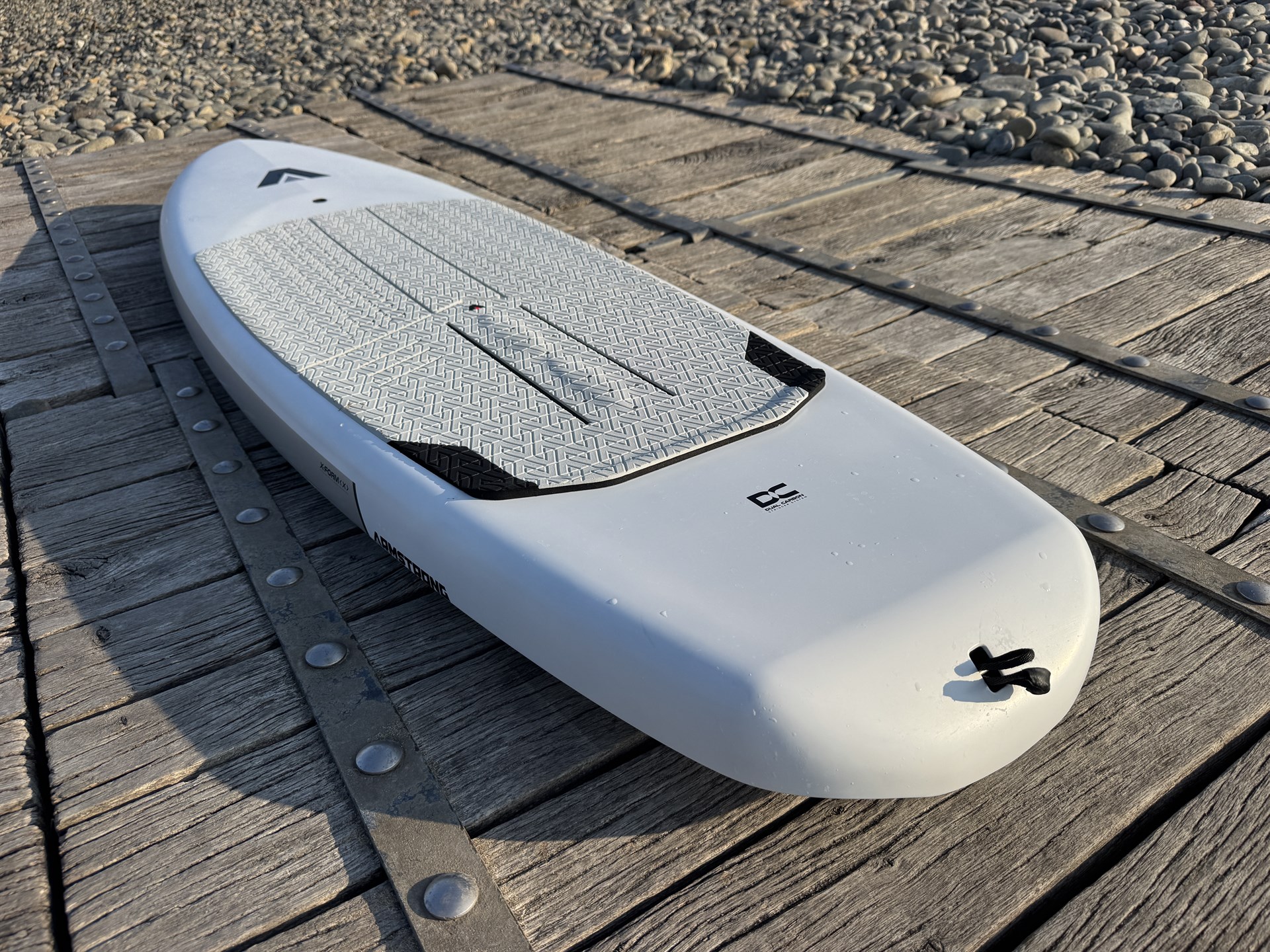
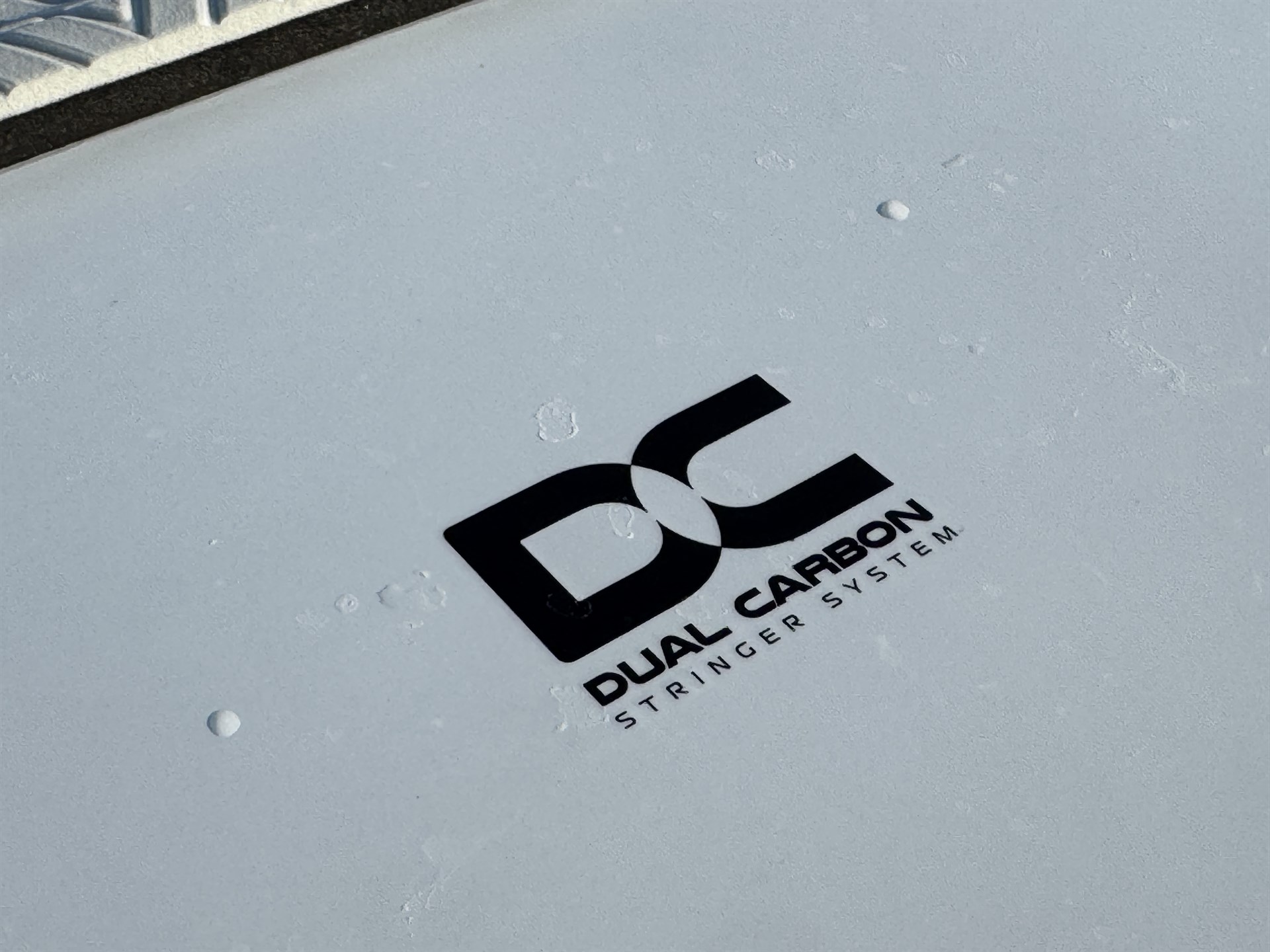
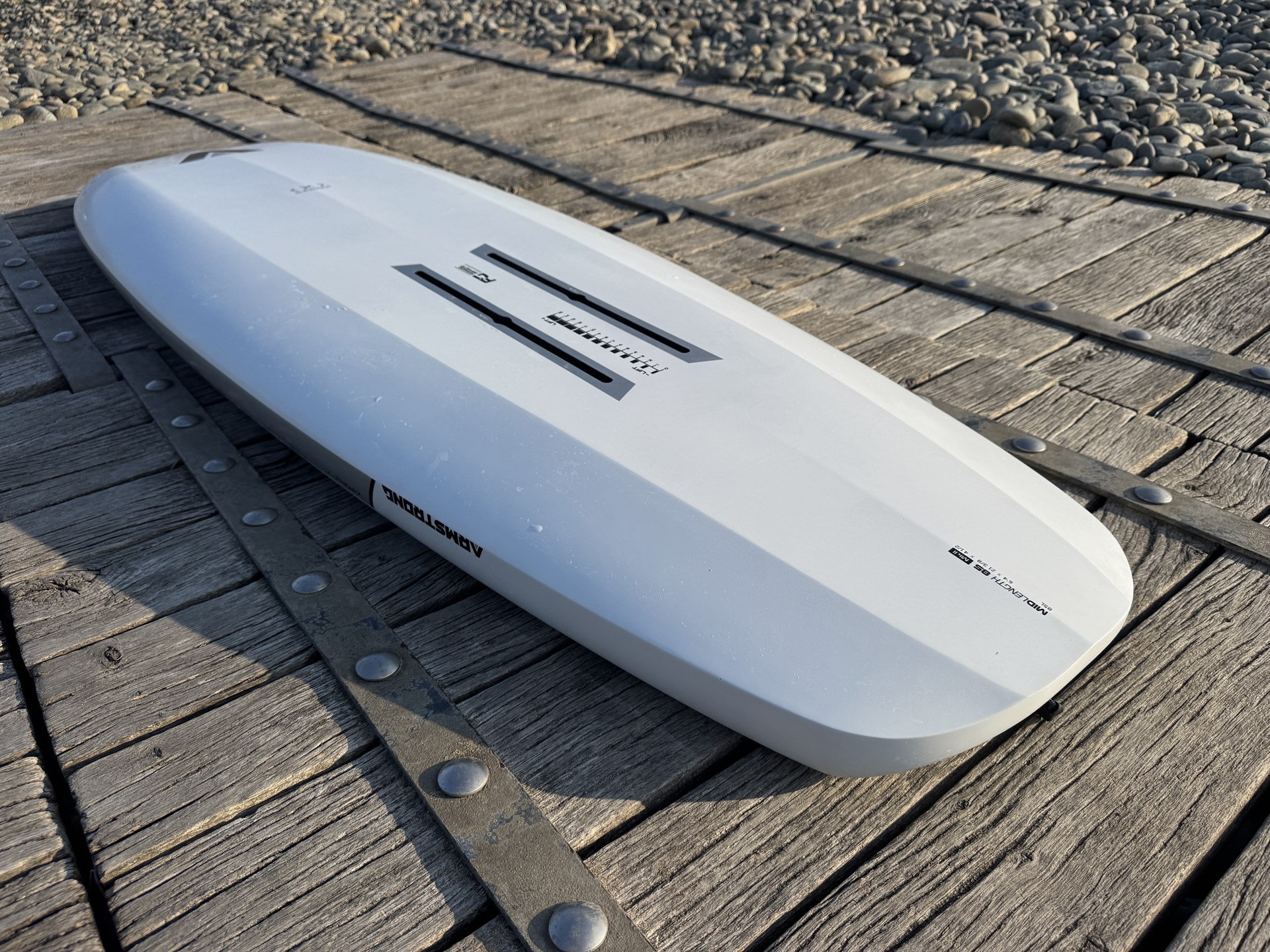
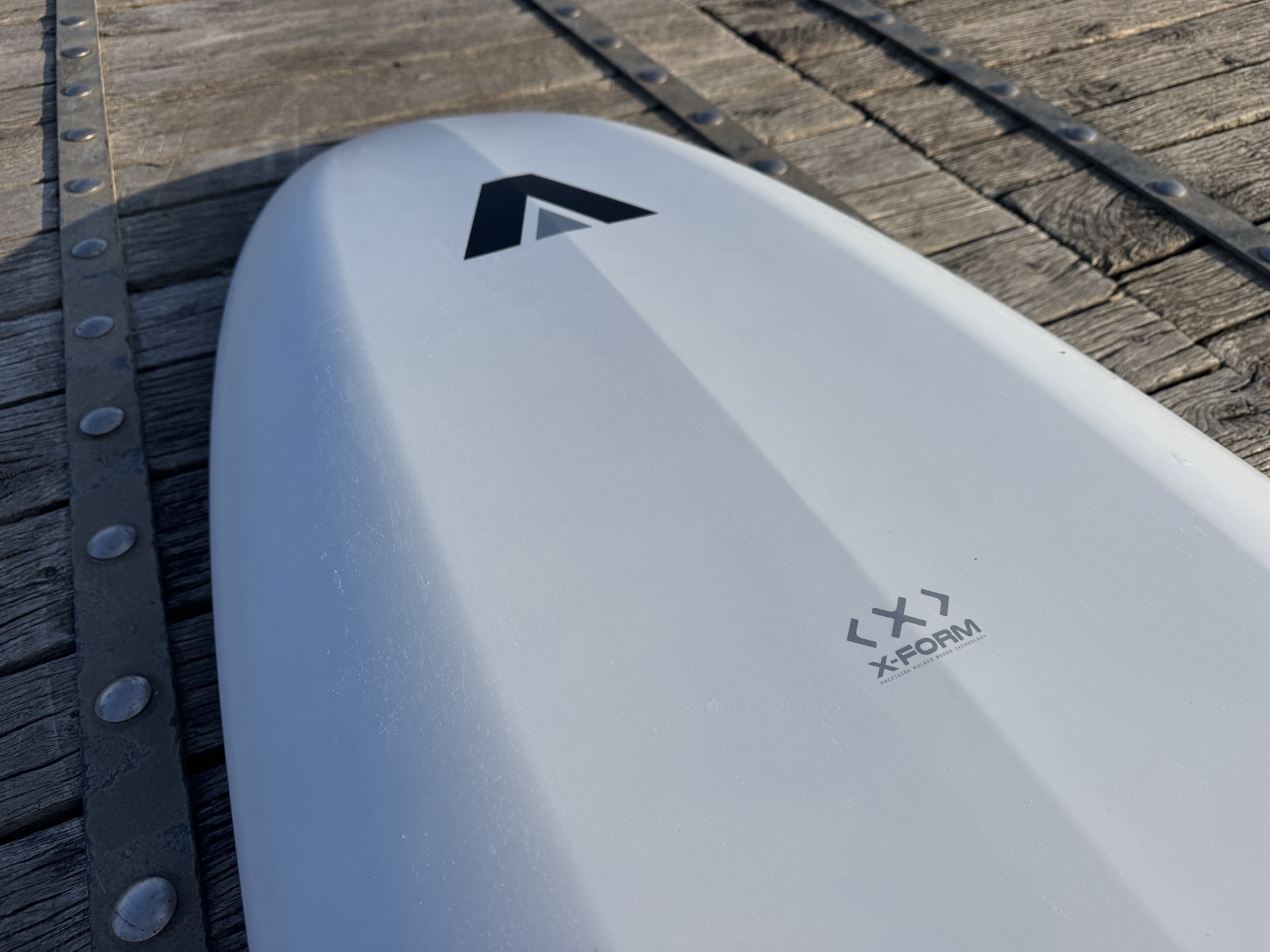
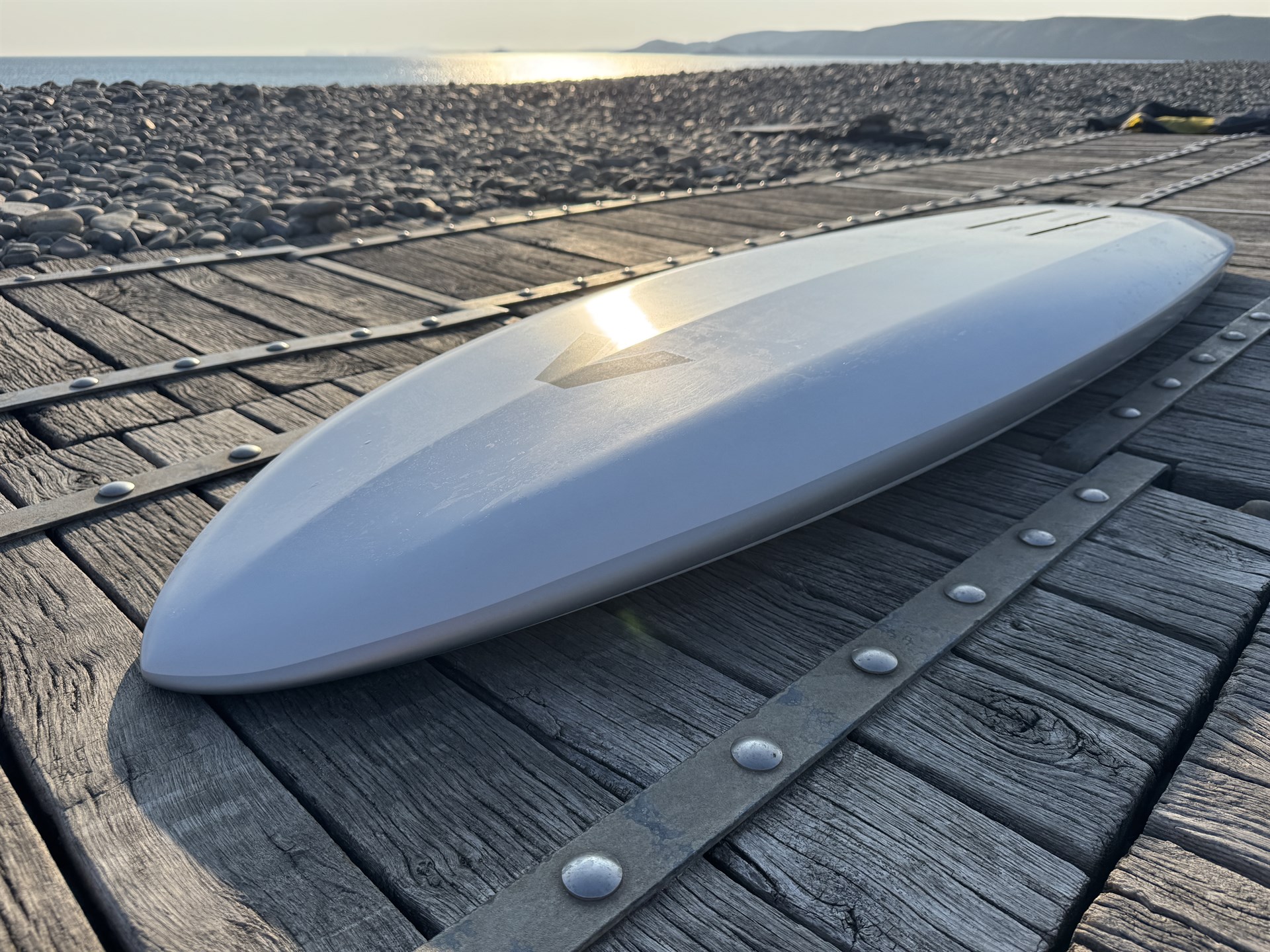
One of the first things that stands out is the construction: Armstrong’s X-Form Precision Moulded technology. Using steel moulds and high pressure to ensure a perfect shape and finish, it features an ultra-light EPS core wrapped in a full PVC shell, then a carbon outer layer, combined with integrated carbon foil tracks and Armstrong’s Dual Carbon Stringer System. Those carbon stringers create an I-beam structure running through the board, delivering exceptional stiffness while keeping overall weight impressively low.
The result is immediately apparent. Pick the board up, and it feels incredibly light in your hands, yet once on the water, it feels reassuringly solid underfoot. After extensive testing with a harness, repeated water starts, climbing on and off the board and some hefty wipeouts, it still looked virtually unmarked. There wasn’t a dent in the deck, and the finish remained as good as new, which says a great deal about the durability of the construction.
Perhaps the biggest advantage of the X-Form build is that it allows Armstrong to produce a noticeably thinner board without sacrificing strength. That reduced thickness brings your feet closer to the foil, creating a more direct connection between rider and foil. You feel every movement instantly, giving the board a precise, responsive character that becomes particularly noticeable once you’re up and flying.
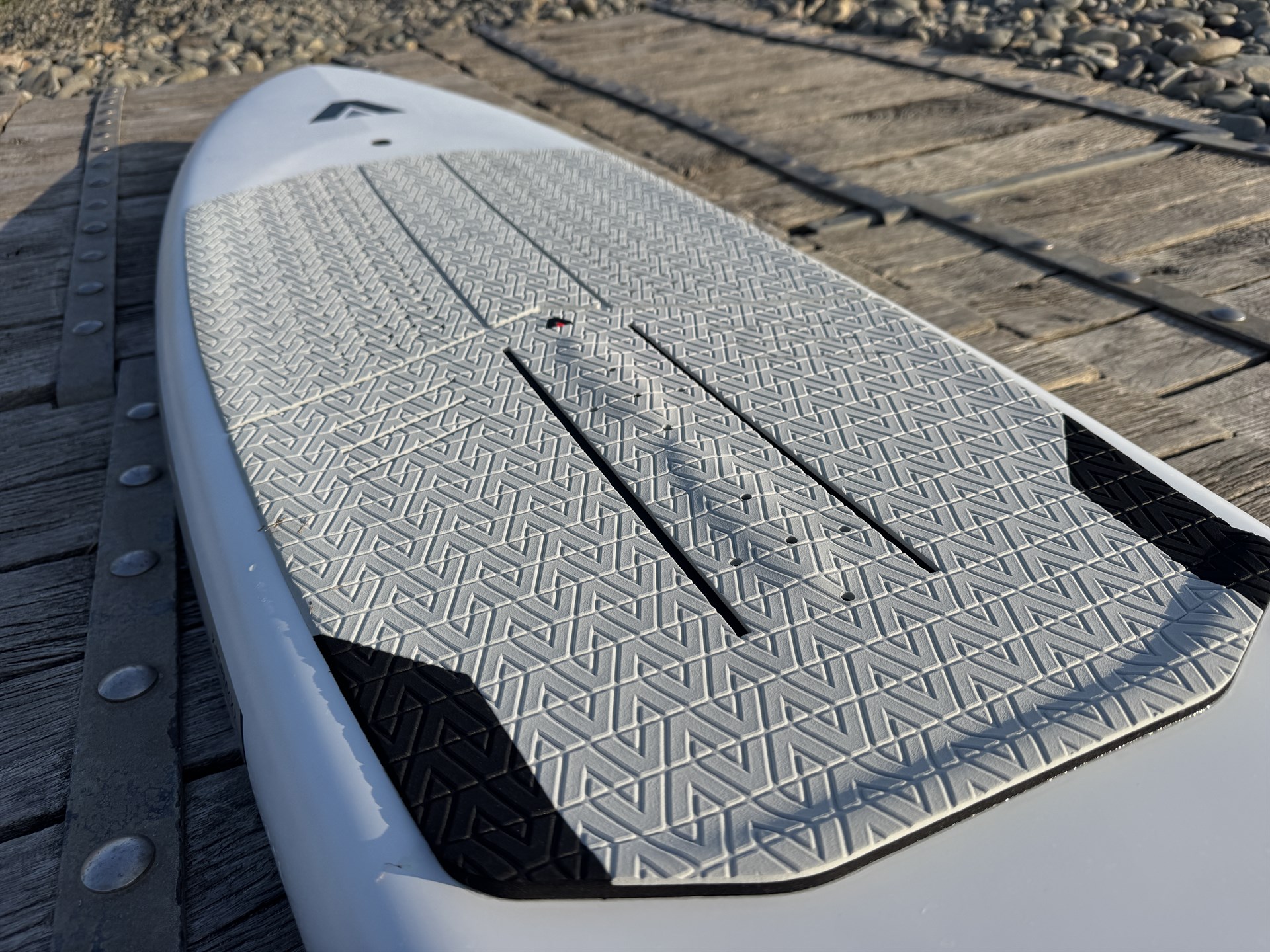
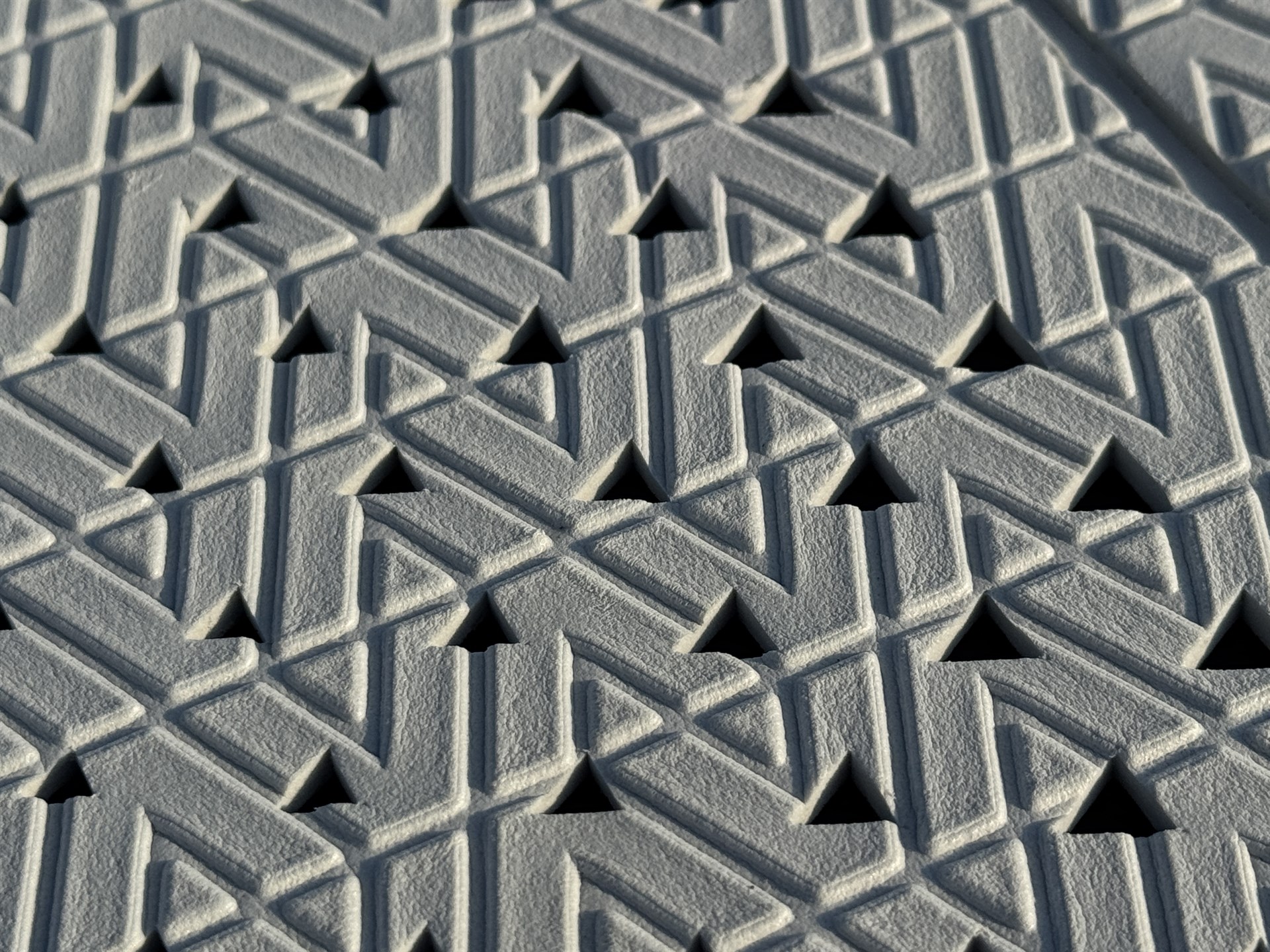
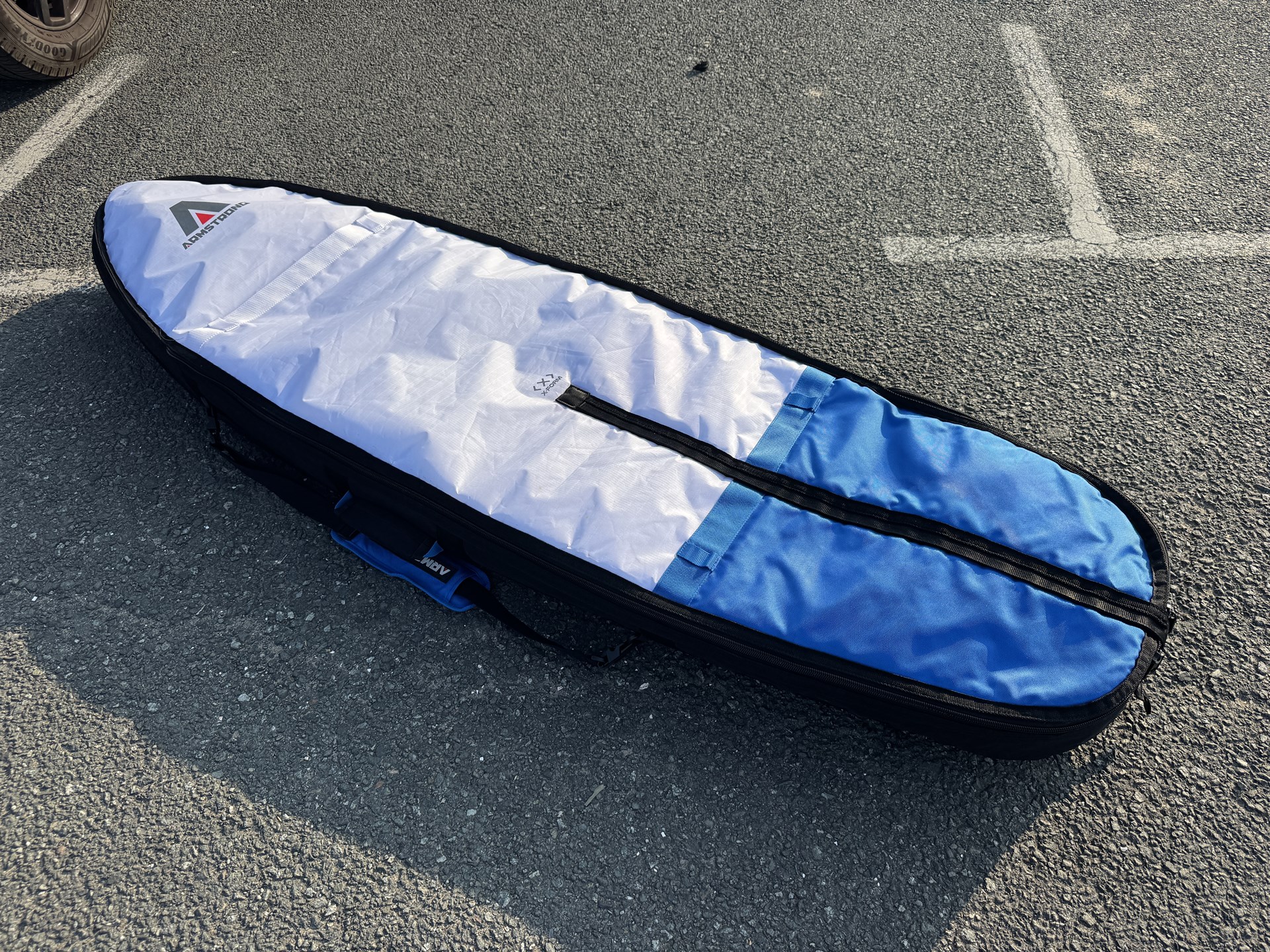
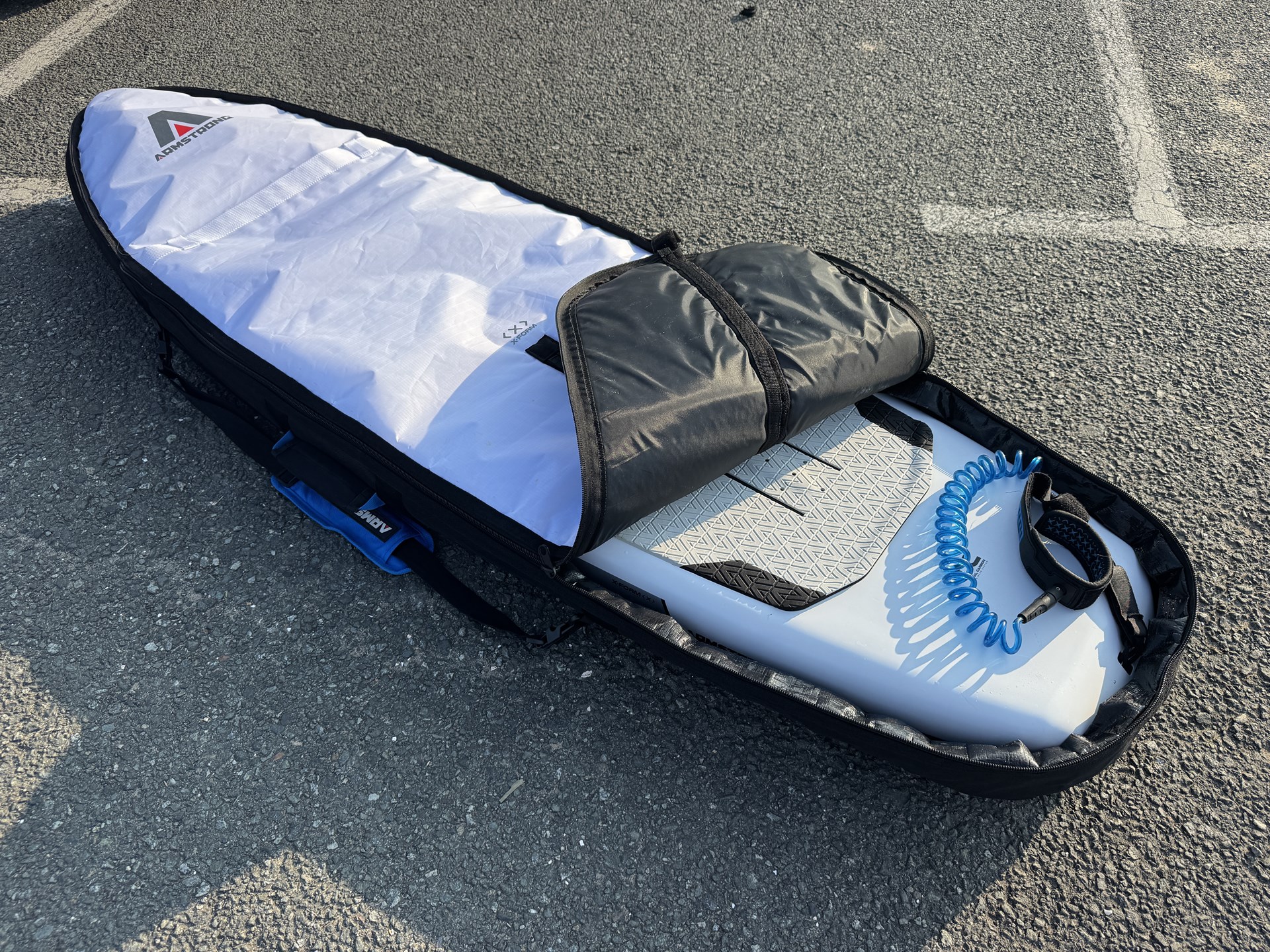
The redesigned deck pad is another standout feature. It has been designed to reduce weight while increasing grip, without sacrificing comfort underfoot. What I particularly liked were the integrated foot position references beneath the rear foot. Two raised ridges make finding the correct stance completely intuitive without ever needing to look down. One sits exactly where I naturally wanted my rear foot when carving, while the second provides an instant reference when sliding the foot forwards into a more central pumping position over the mast. It’s a small detail, but one that genuinely improves confidence on the water and quickly becomes something you miss when riding other boards. The overall finish is exactly what you’d expect from Armstrong. Clean lines, beautiful detailing and one of the best board bags supplied as standard that I’ve seen. It’s a genuinely premium package from the moment you unzip it. Sizes: 38L (4’8”), 45L (5’0”), 55L (5’4”), 65L (5’8”), 75L (6’0”), 85L (6’4”), 100L (6’8”), 115L (6’11”) and 130L (7’2”).
On The Water
I’ve ridden the Midlength Mk II extensively with a wing, a parawing and even paddled it into small waves prone foiling (at 85 L it's way too big for me to prone foil, but it still works), its given me a good opportunity to understand where this board really excels.
The biggest takeaway is just how efficient it is during take-off. The longer, narrower outline accelerates effortlessly and builds speed with very little input. Whether using a wing, parawing or Foil Drive, a couple of positive pumps is often all it takes before the foil engages and the board lifts cleanly onto the foil.
Once flying, the board almost disappears beneath your feet. Despite riding the relatively large 6’4”, 85-litre version, it never felt cumbersome or oversized. The thinner X-Form profile really comes into its own here. By bringing your feet closer to the foil, the connection feels incredibly direct and immediate, giving outstanding feedback through every carve, pump and subtle weight shift.
Just as impressive is the stiffness. The connection between the board and foil feels solid, giving plenty of confidence when pushing hard or pumping between sections. There is no flex at all in the deck when pumping, and that's impressive for such a large board, which is also incredibly light.
What really stood out, though, was just how light the board feels once you’re on foil. That low overall weight makes a noticeable difference when pumping. Compared to other mid-length boards I’ve ridden on exactly the same foil setup, I found I could maintain speed more easily and extend my pumping range with less effort. It feels like there’s almost nothing beneath your feet, allowing every movement to transfer efficiently into the foil rather than wasting energy moving unnecessary board weight around.
Combined with the remarkably low swing weight, the board responds instantly to rider input and rides noticeably smaller than its dimensions suggest. It delivers a lively, agile feel that’s easy to forget is coming from an 85-litre board.
It feels nimble underfoot for such a large board, too; carving is easy, and I never felt like the nose got in the way. That balance between efficiency and manoeuvrability is one of the board’s biggest strengths. It still feels playful, despite the extra length.
When touching down, I found the hull shape would bounce back onto the foil really easily, allowing you to recover without losing momentum. The only slight characteristic I noticed was during the occasional toe-side touchdown with the board heavily railed over. If it didn’t immediately release back onto the foil, which it did the vast majority of the time, it could momentarily stick to the surface, scrubbing off a little speed and occasionally catching me out. It wasn’t something that happened often, and as I became more familiar with the board, it happened less and less, suggesting it was simply a characteristic I adapted to rather than a significant flaw.
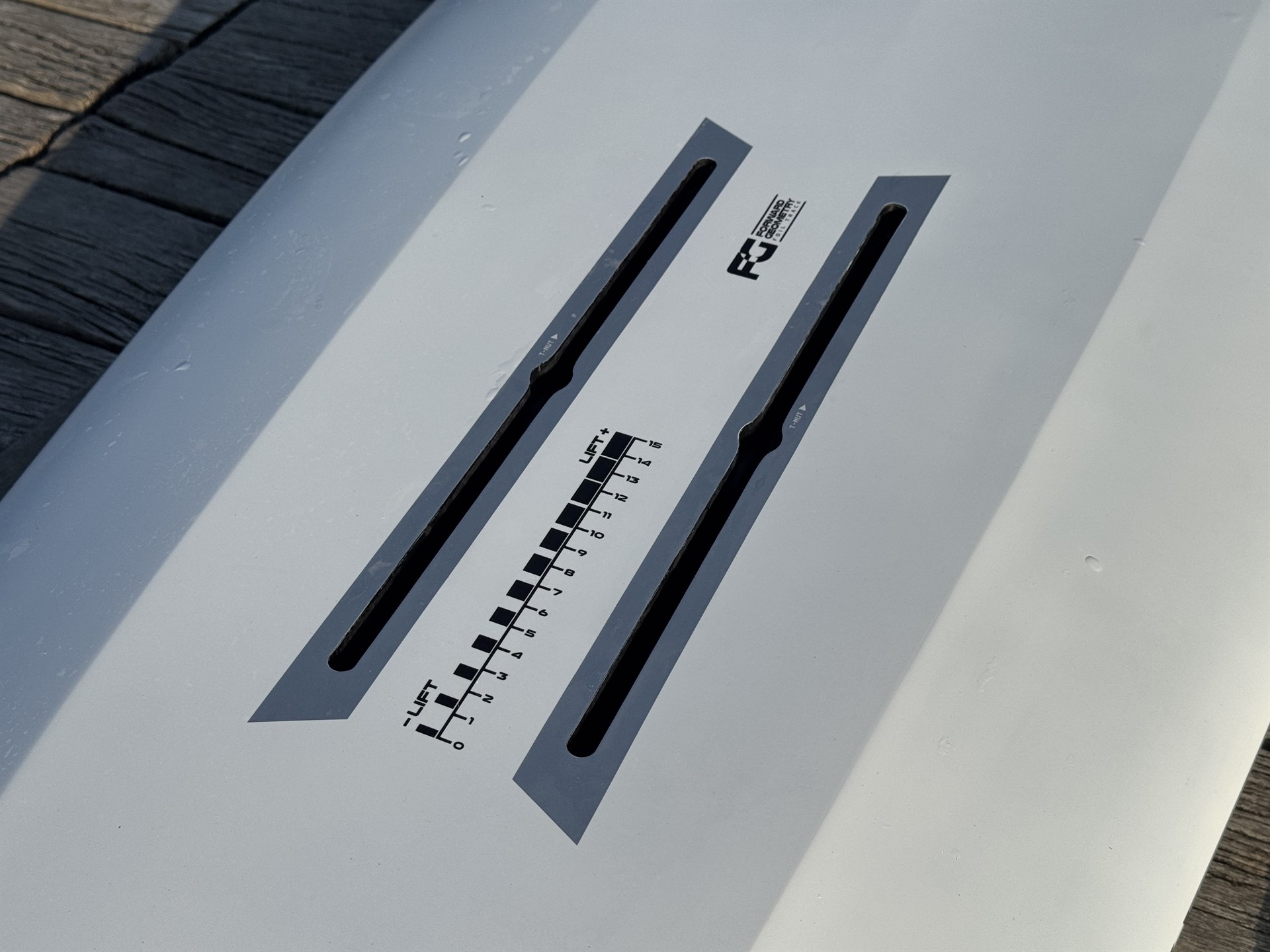
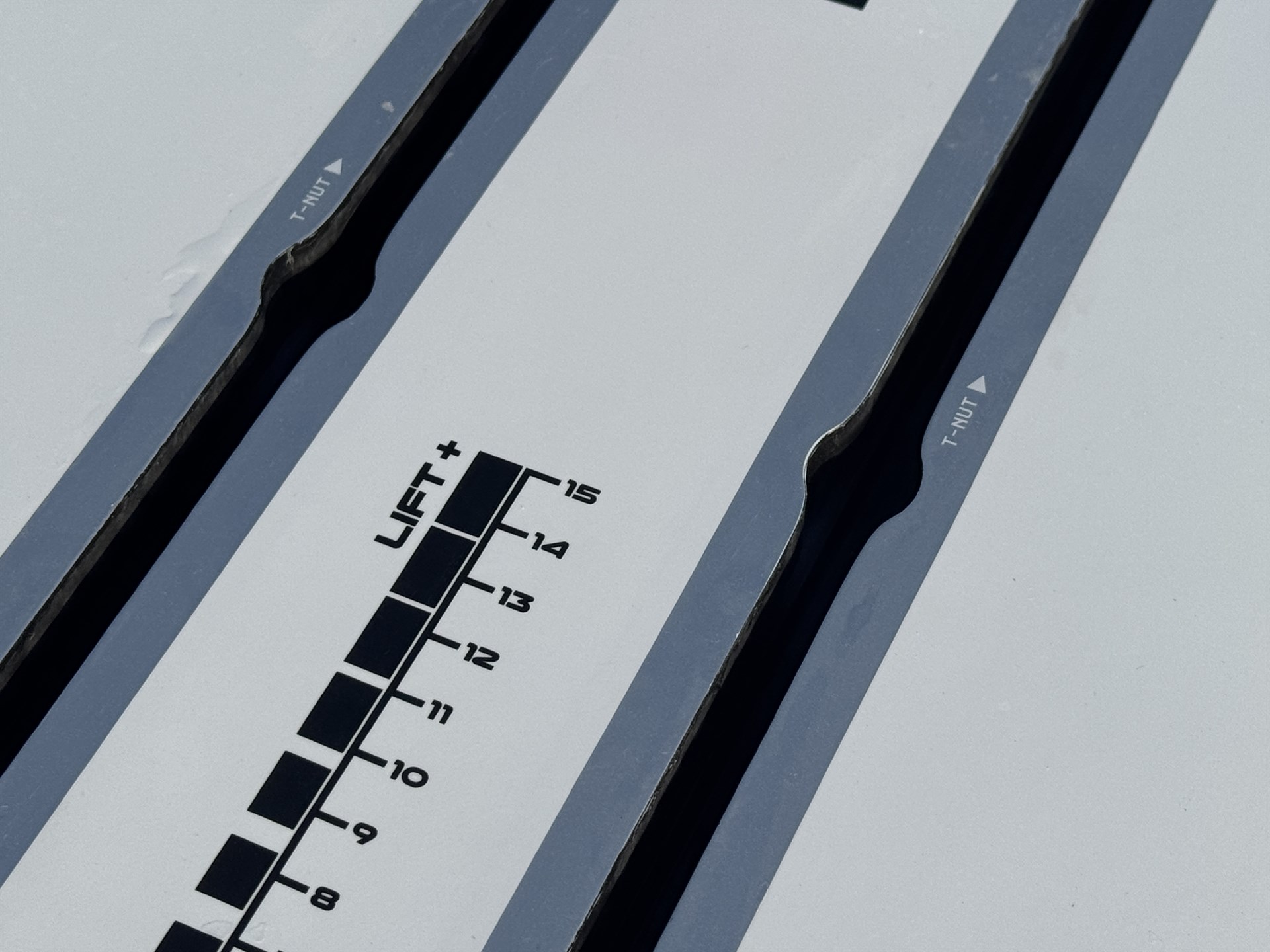
The only other small observation concerns the foil tracks. Armstrong uses a centre entry point for the track nuts rather than an open-ended or double open track. If, like me, you tend to leave your bolts attached to the mast and simply slide the foil into place, you’ll need to change your routine slightly. It’s hardly a deal-breaker, and obviously a non-issue if you’re using Armstrong’s A+ System or leaving the hardware in the board, but it’s something worth being aware of if, like me, you’re regularly swapping between different foil brands during testing. The benefit of this system is you won’t lose your foil if the bolts come loose, so like everything else in life, it's a compromise.
For my 85kg riding weight, the 85-litre model sits right on the edge of neutral buoyancy. In completely flat water with no wind, it’ll slowly sink beneath me, but the slightest puff is enough to bring it straight back to the surface, making take-offs surprisingly easy. I was equally impressed by how stable it felt while waiting for the wind; it was very easy to balance on, a testament to its shape. Considering it’s thinner and longer than the previous model, it balances exceptionally well, making those frustrating sessions where the wind drops far less demanding than expected.
Not only is it stable fore and aft, but it also offers excellent side-to-side stability, making water starts noticeably easier than on many smaller, more compact boards. That’s especially noticeable when the wind is light or the water is choppy.
Overall
The Armstrong Midlength Mk II has quickly become my go-to board because it simply covers so many bases so well.
If you’re looking for one board that can handle wing foiling, parawinging, Foil Drive sessions and even the occasional prone foil session in smaller surf, it’s difficult to think of many boards that offer this level of versatility. The huge size range means there’s genuinely an option for almost every rider, no matter your style of riding or preferred foiling pastime.
More broadly, I think this board reflects where foiling is heading. After a period where everyone seemed determined to ride the smallest sinker possible, there’s a growing appreciation for boards that make getting onto the foil easier while sacrificing very little once you’re flying. The Midlength Mk II embodies that philosophy perfectly.
The longer outline gets you up to flying speed with minimal effort, while the X-Form construction delivers the direct, connected feel experienced riders are looking for. Add outstanding construction quality, exceptional durability and thoughtful details like the supplied premium board bag, and it becomes a very complete package.
For me, it’s one of those rare products that make almost every foiling discipline easier and more enjoyable. Whether you’re wing foiling, parawinging, using Foil Drive or simply looking for a versatile board that can adapt as your riding evolves, the Armstrong Midlength Mk II deserves to be on your shopping list.
Product videos