

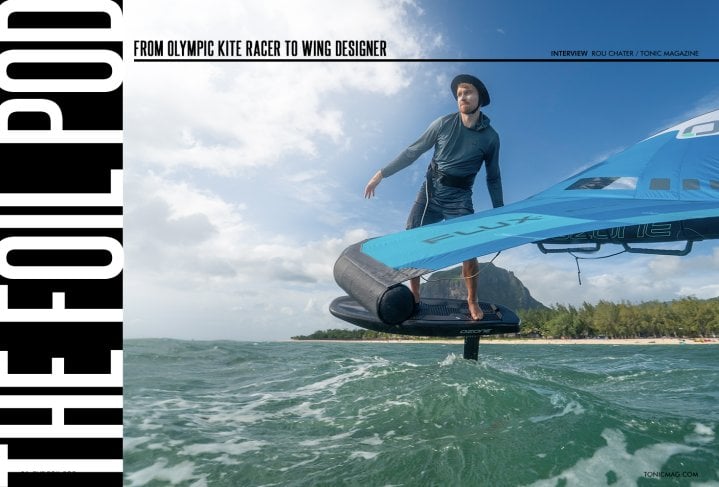
Rou Chater sits down with Connor Bainbridge, racer, Olympian, designer and now hopelessly addicted to wing foiling. The full interview is available on Spotify and all the usual podcast platforms, and there is a full video on our YouTube channel. Rou and Connor talk about his tricky Olympic campaign, his transition since retiring from kite racing, and his new role designing wings for Ozone.
Rou: Connor, since your Olympic campaign, you’ve been based in the UK and also in Mauritius, working with Ozone. How’s life now, and what does a typical day look like?
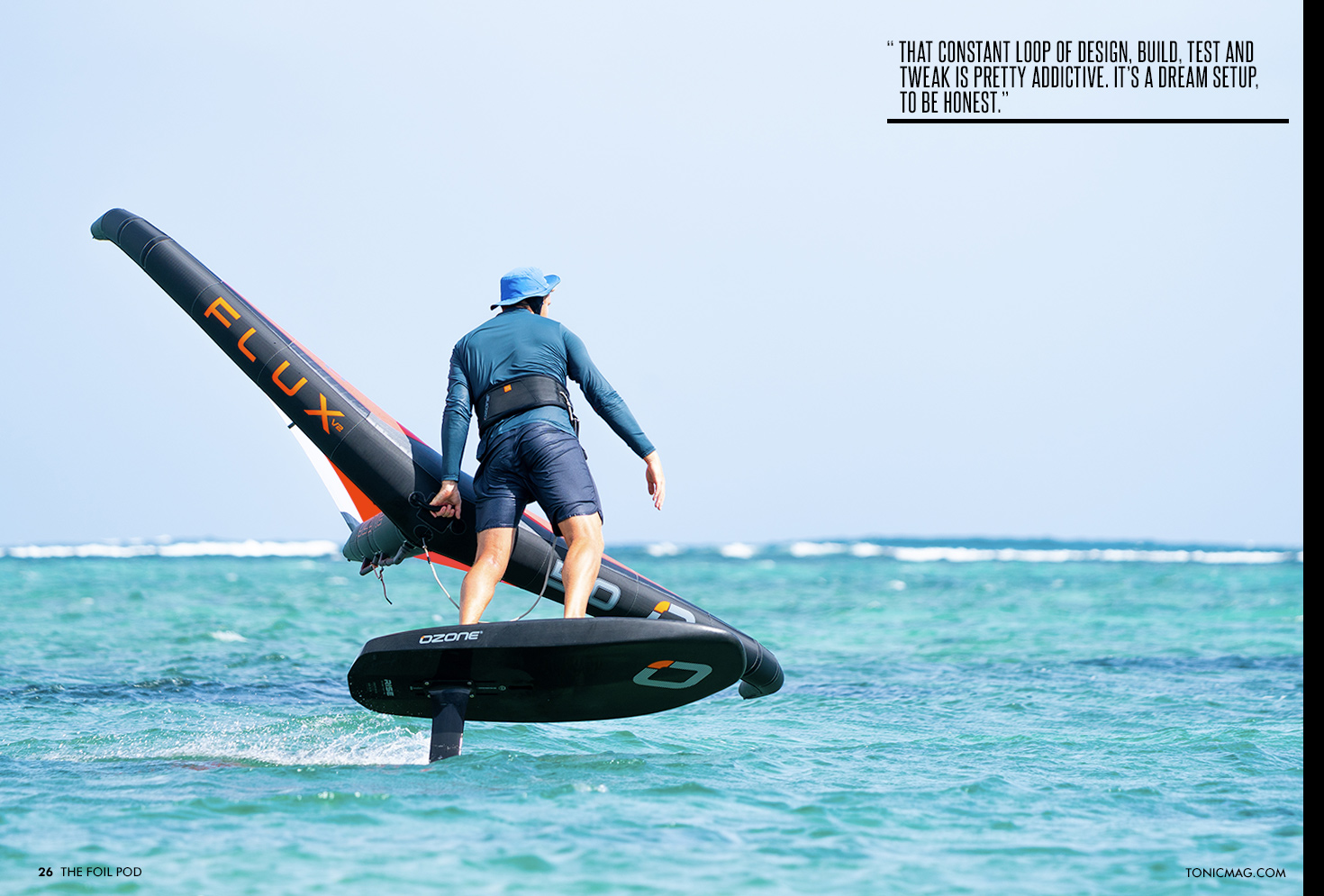
Connor Bainbridge: Life’s really good. I’ve officially retired from kitefoil racing, and I’m now working full-time with Ozone as an assistant designer, mainly on the wing program. Most days start with OzCAD (Ozones' proprietary design software) on my laptop, adjusting files, refining prototypes, then heading straight onto the water to test them. We’ve got a tight R&D group here, everyone rides everything, and that constant loop of design, build, test and tweak is pretty addictive. It’s a dream setup, to be honest.
Rou: Let’s rewind to Paris 2024. From the outside, the path looked solid: years of top-three finishes, event wins, then the Olympics. But your campaign was far from smooth, wasn’t it?
Connor: Definitely not smooth. I started the cycle with F-ONE, and was very involved in developing their race kite and committed to that project. Then Flysurfer suddenly became the dominant kite. Because I’d invested so much in the F-ONE platform, I transitioned late, and overnight, I went from being consistently on the podium to struggling to get into the top ten. It was a horrible feeling. We genuinely questioned whether I’d lost my edge or whether it was time to walk away. Turns out we just weren’t on the right gear, but at the time it was brutal.
Then, near the end of 2022 I had a huge crash at The Hague. Someone rode into the back of me and ripped my MCL clean off the bone. I ended up on crutches and in a brace for three months—right at the moment I was supposed to be building into Olympic qualifying.
Racing Through Injury
Rou: And you had to go through the selection trials, still recovering?
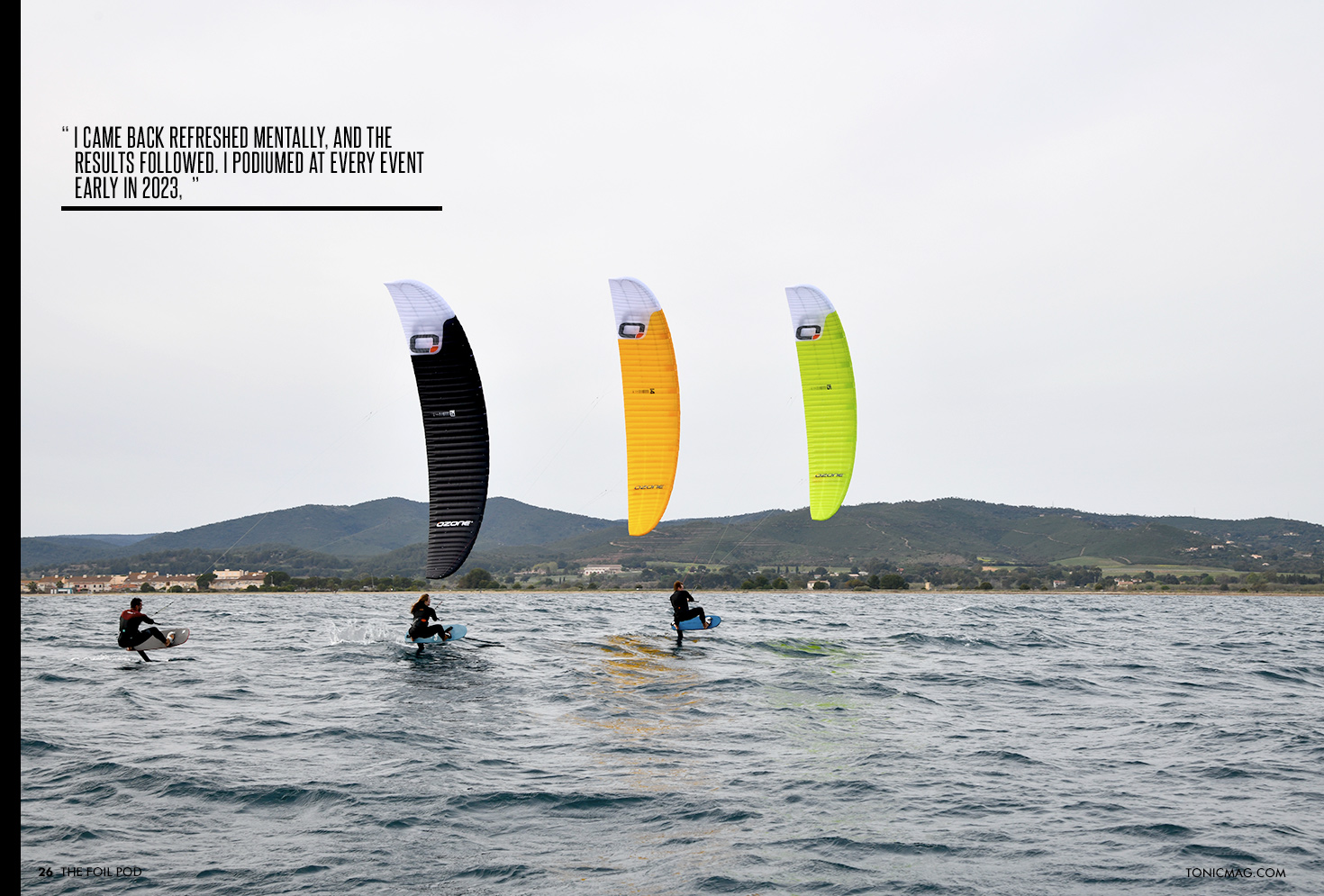
Connor: Pretty much the entire 2023 season was done in a brace. At the start of the year, I was in a selection fight with Guy Bridge. He’d had a great winter and was pushing really hard, and I didn’t know if I’d even be competitive again after the injury.
Weirdly, the enforced break helped. I came back refreshed mentally, and the results followed. I podiumed at every event early in 2023, earned selection for the Olympic Test Event, and Guy stepped away from the pathway just before that. For a moment, it looked like everything was back on track.
Rou: That’s when the qualification drama really began, right?
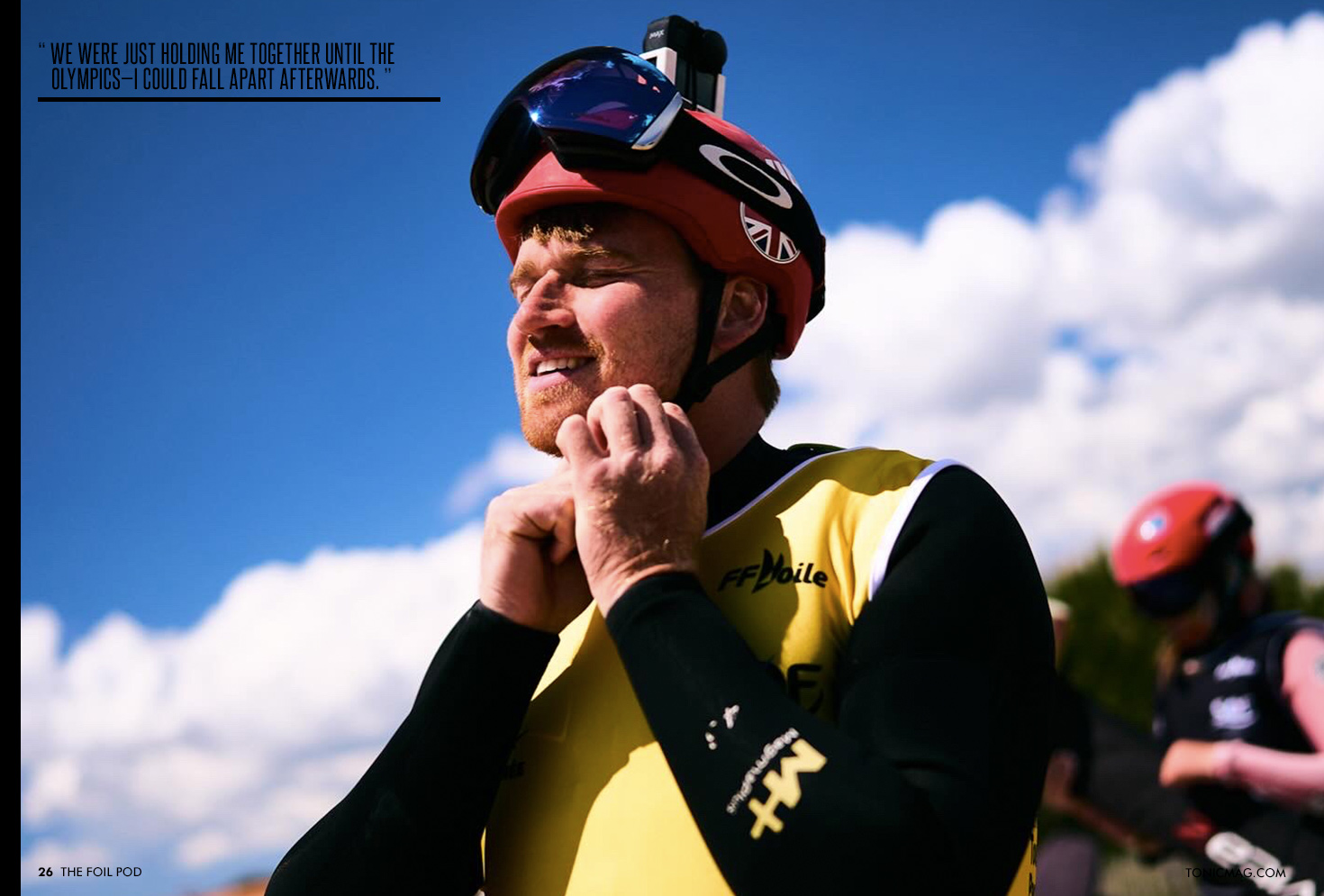
Connor: Yes. The big one was the 2023 Worlds, the crucial event for qualifying the nation. Three days before it started, I caught COVID. I could barely get out of bed for the equipment measurement. We had GoPros on board for debriefs, and my coach watched the footage and said, “How are you even breathing? You’re coughing the whole way round.” Unsurprisingly, we didn’t qualify there. It was devastating.
Three weeks later, we had the Europeans in Portsmouth. Home waters, home crowd. It should have been the moment. And then on medal race day, I took the wrong kite. I went out on an 11 when it was very obviously 15-metre conditions. That one call cost us the qualification. It turned what looked like an easy pathway into a crisis.
Holding It Together
Rou: Everything then came down to the last-chance regatta. How did you deal with that mentally?
Connor: Honestly, not brilliantly at times. The two years leading up to the Games were mentally rough. However, I had a great support team, physio, coach, sports psych, family, and without them, I don’t think I’d have made it to Marseille.
My physio used to joke, “We’re just holding you together until the Olympics; afterwards, you can fall apart.” And that’s pretty much what happened. As the Games got closer, it all became about process. Get through the next week, the next month, the next stage. Once you’ve put a finish line in your mind, you can bury a lot of the difficulty.
Luckily, everything clicked at the last-chance regatta. Apart from one race, I won everything. We qualified the nation and locked in my place. It was a huge relief.
Then, just to keep the drama going, I had another big crash two months before the Games and put a foil into my shin bone. The trailing edge snapped off inside the bone. I had emergency surgery in France the night before the World Championships and missed the event completely. Again it was: “am I even going to make it to the Games?” But we got there just in time.
The Emotional Weight of the Olympics
Rou: You finished eighth in Paris, an incredible result, but you wanted a medal. What was that like emotionally?
Connor: It was really tough. From 2018 onwards, I’d lived on the podium. So my expectation going into the Games was that I should be in the medals. Finishing eighth felt like a massive failure at the time. I actually booked a flight home for the day after the regatta because I wanted to get out of there and forget the whole thing.
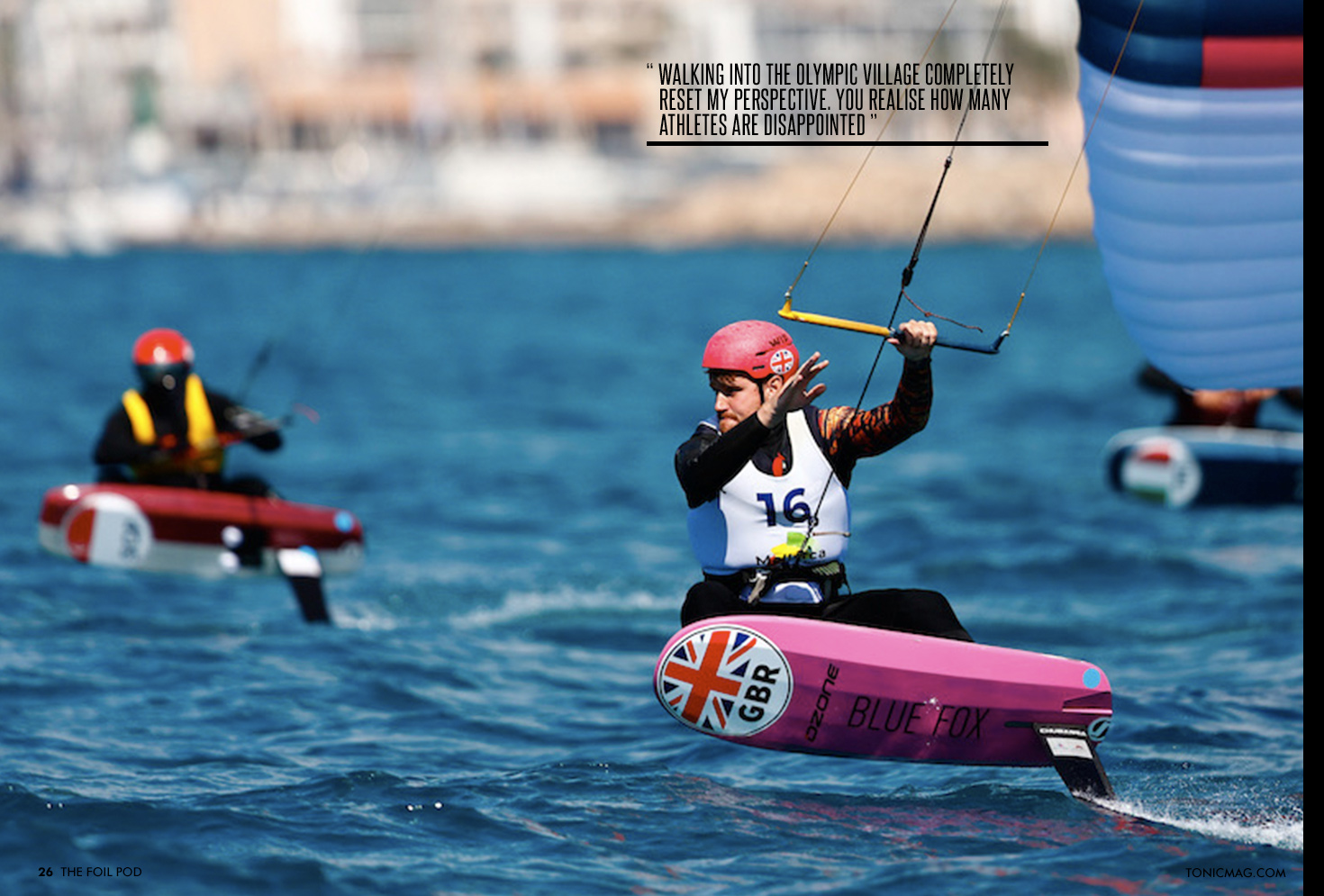
However, a few people convinced me to stay for the closing ceremony, to actually experience what the Olympics is outside of the racecourse. Walking into the Olympic Village completely reset my perspective. You realise how many athletes are disappointed, there are far more competitors than medals.
Micky Beckett said something that stuck with me. He’d also had a tough result. He stopped me and said, “Don’t let one event every four years define what you are as an athlete.” At the time, I was close to tears and hiding behind sunglasses, but he was right. The Games are huge, but they’re still just one regatta.
A New Chapter
Rou: Did the Olympics change your opportunities afterwards?
Connor: Not dramatically. I’m not a big self-promotion or social media person, so I didn’t suddenly become ‘Olympic Influencer Connor.’ What it has done is give me a vast bank of experience in managing pressure, coping with setbacks, and structuring high-performance programs, which I can use in design, coaching, or mentoring. It’s less about opening new doors and more about strengthening what I wanted to do next anyway.
Rou: Let’s talk design. You’ve gone from racing lycra to OzCAD. How did the transition into working with Ozone happen?
Connor: The roots go back years. With F-ONE I was deeply involved in developing the Diablo race kite, but I was never doing the technical design. I couldn’t access their software, and living outside Montpellier made it tricky. Around the same time, during COVID, I started Blue Fox Boards and taught myself CAD in Rhino. That was my first taste of making products from scratch.
When my time with F-ONE ended, I approached Ozone’s Iain Hannay and said I’d love to work with them on developing the next-generation race kite for 2028. We created a role where I came in during R&D blocks with Axel and Dom. I got deeper into it, built a strong relationship with Dom, and after the Olympics, Iain offered me a full-time assistant designer role. Within a month, I was in Mauritius, sitting in Dom’s living room, having “morning school” in OzCAD.
Learning the Tools
Rou: OzCAD isn’t something you can learn on YouTube. What was it like getting to grips with it?
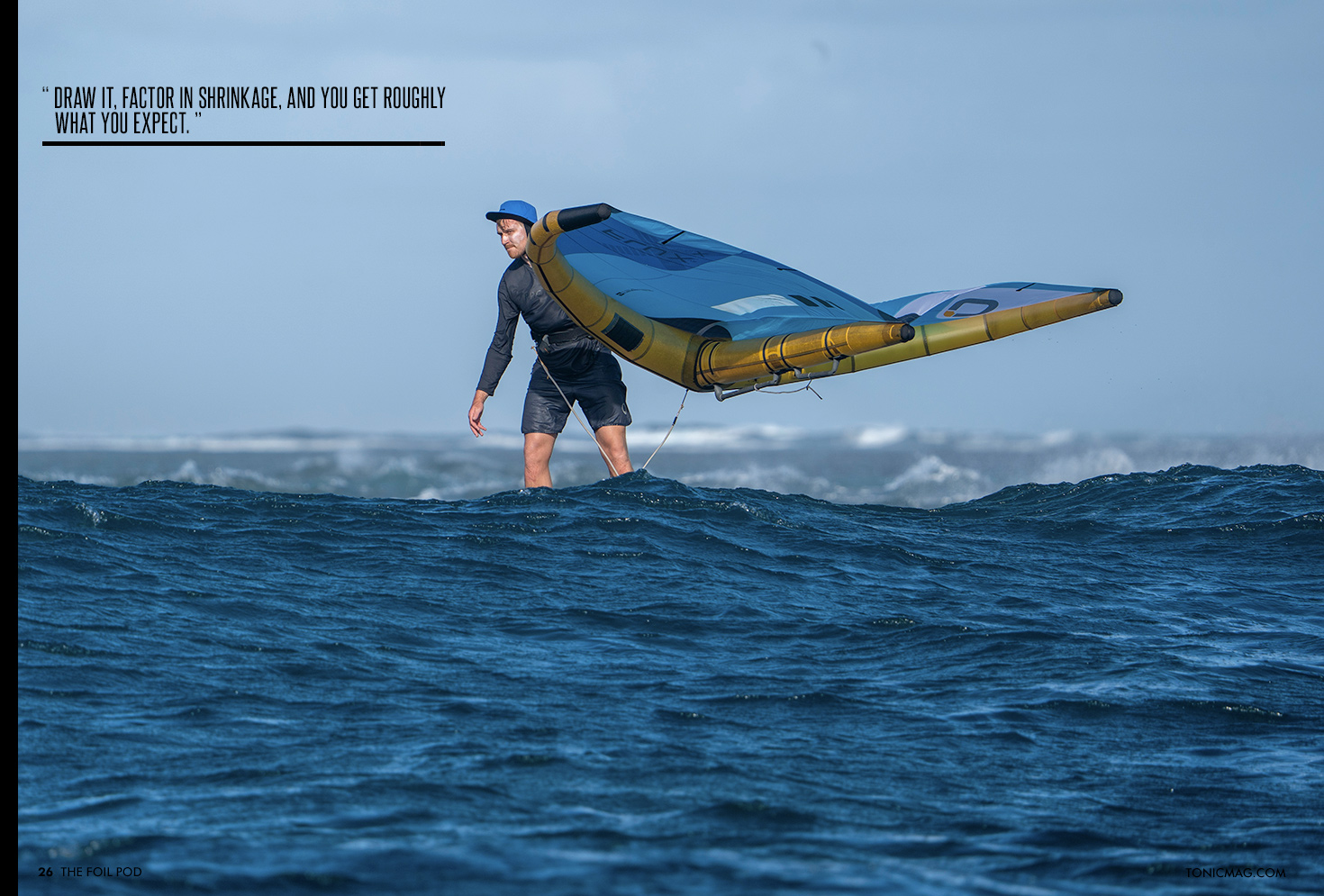
Connor: Brutal but brilliant. Board design is straightforward: draw it, factor in shrinkage, and you get roughly what you expect. Soft goods are a different universe. You’re dealing with stretch, seam behaviour, tension lines. Change one number and five things shift.
In the first few months, Axel and I went to Dom’s house every morning like students. We’d scale kites, re-panel wings, fix seam layouts, often getting it wrong. We once scaled a leading edge to twice its proper diameter, and another time produced struts that didn’t physically fit, but that’s how you learn.
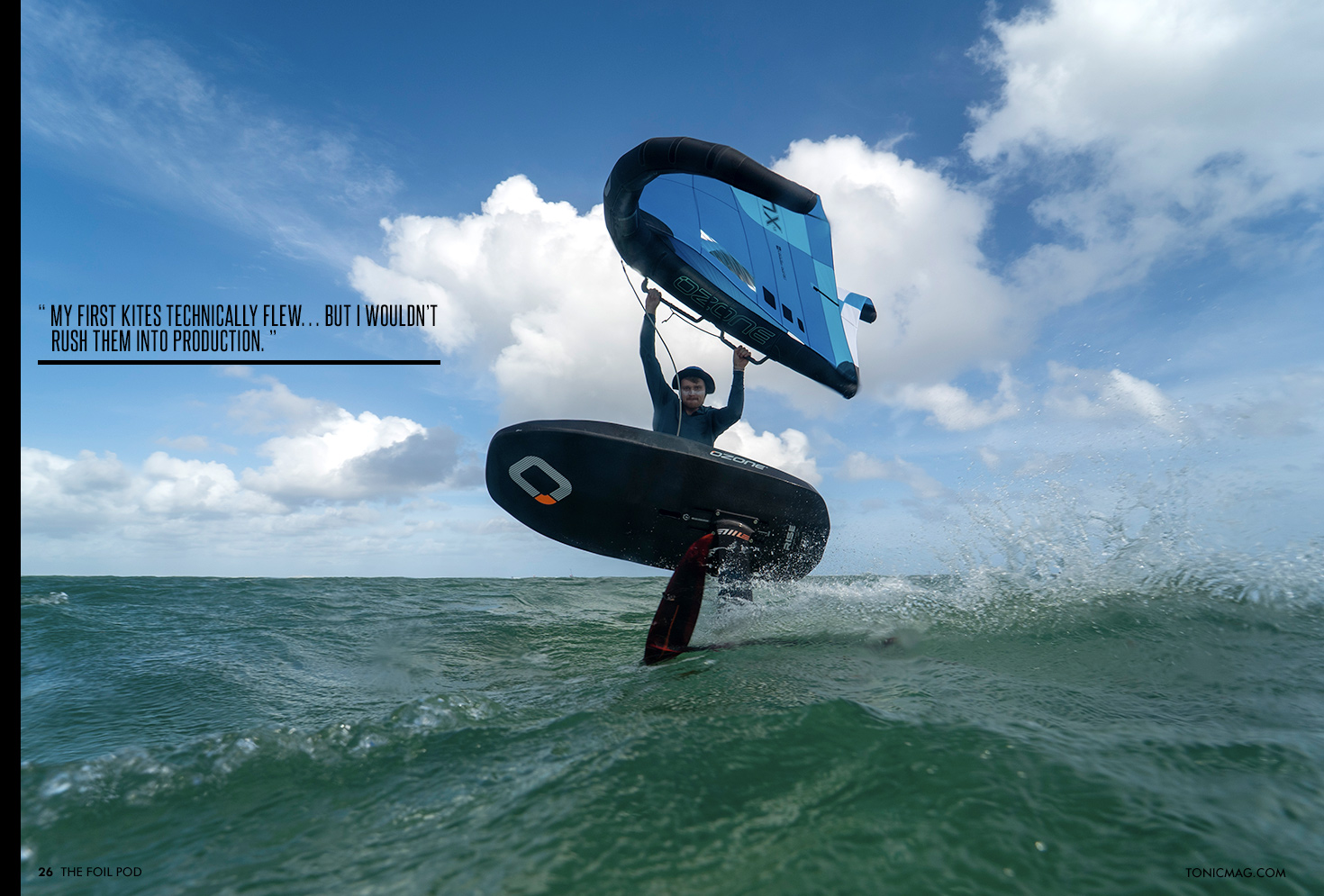
Even now, if I’m stuck, I call Dom. The software keeps evolving, too, because we have an in-house developer refining it for wings and kites. My first kites technically flew, but you wouldn’t want to release them to the market.
The Parapex Advantage
Rou: Ozone’s own their own factory, Parapex, how helpful is that when designing and prototyping products?
Connor: It’s a huge advantage. Because Ozone owns Parapex, the feedback loop is incredibly fast. I get photos and questions every day from the sewing floor. I’ll ask them to shift a seam by a millimetre or tighten a tolerance, and they come straight back with implications and adjustments. That efficiency means we need far fewer prototypes than many brands. The build quality is insanely consistent.
I’m heading out to the factory for their 25th anniversary soon. I’ve only known most of the team by email so far, I owe several of them beers for the things they had to build in my early learning stages.
Falling in Love With Winging
Rou: When did winging become a passion?
Connor: Honestly, only at the start of this year. Before that, I could wing, but I didn’t love it. At 100+ kilos, the gear felt oversized and clumsy. Kite racing felt precise and efficient; winging felt like hard work.
Two things changed everything. First, I designed a custom mid-length board that suited my size and style. Suddenly, everything felt more dynamic. Second, I switched to Mike’s Lab wing foils. I’ve worked with Mike and Stefano for years, and once I got proper, stiff, race-bred foils under my feet, the sport transformed for me.
On top of that, if I wanted to design wings properly, I had to get a lot better at riding them. I treated it like a training block, and once I passed that threshold, the sport became addictive. Now, if it’s windy, I’m winging.
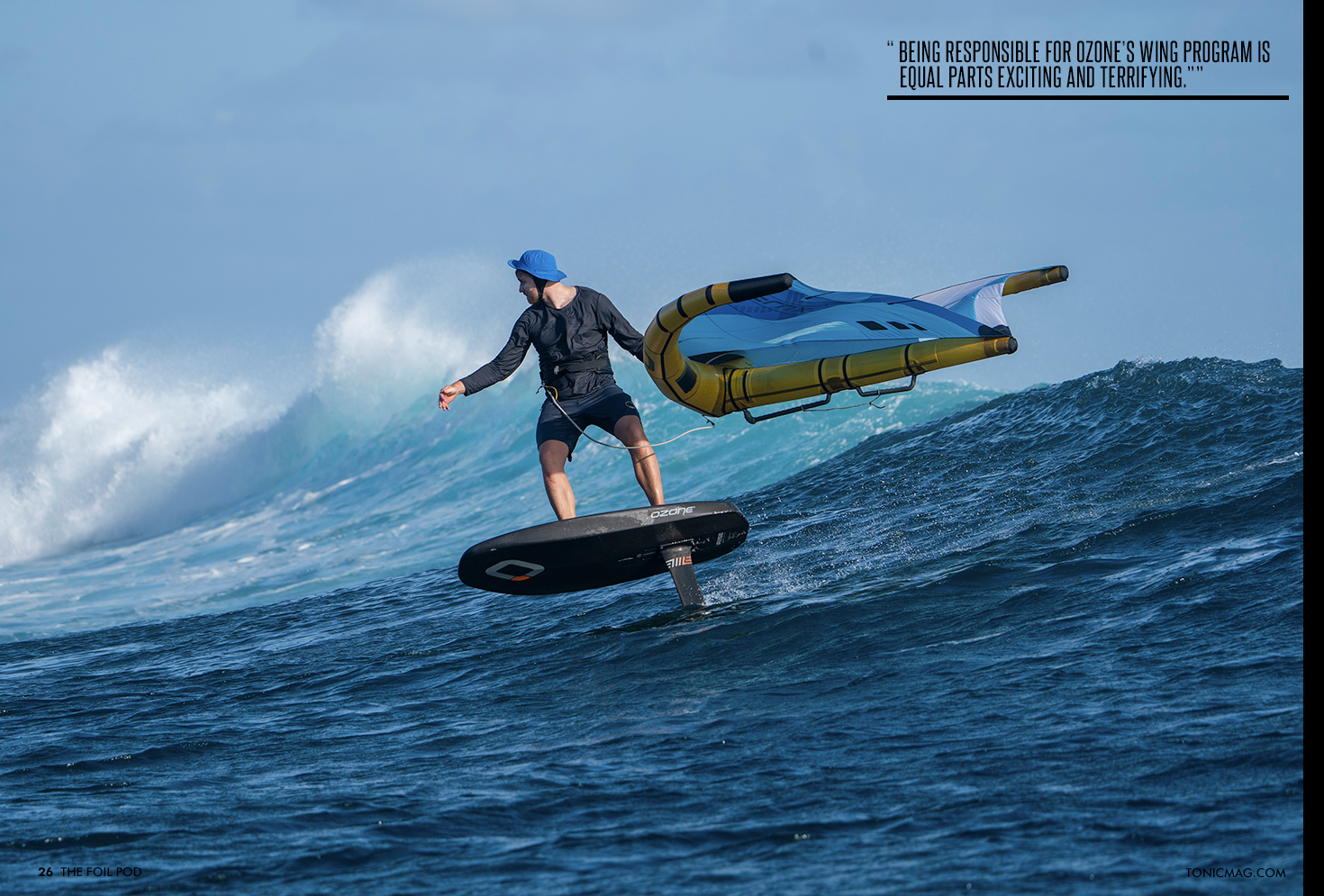
Rou: You’re now responsible for Ozone’s wing program. How does that feel?
Connor: Exciting and terrifying in equal measure. I helped finalise the Fusion and Flux this year, and after that, Dom handed over the reins. My first major product, designed entirely by me (but of course, joint tested throughout the process by our entire R&D team as usual), comes out soon. It's thrilling, and this is exactly the responsibility I wanted.
The best part is riding my own prototypes every day, trying to break them, figuring out what works. The crossover between kite design and wing design inside the team keeps things creative. It’s a huge job, but I love it.
Looking Ahead
Rou: What does 2026 look like for you?
Connor: More balance. We’ll spend around four months in Mauritius each year in testing blocks. Outside that, I want more time in the UK, I’ve hardly been home the last few years. We’ll also do focused test trips, likely including Hood River for the wing and parawing development.
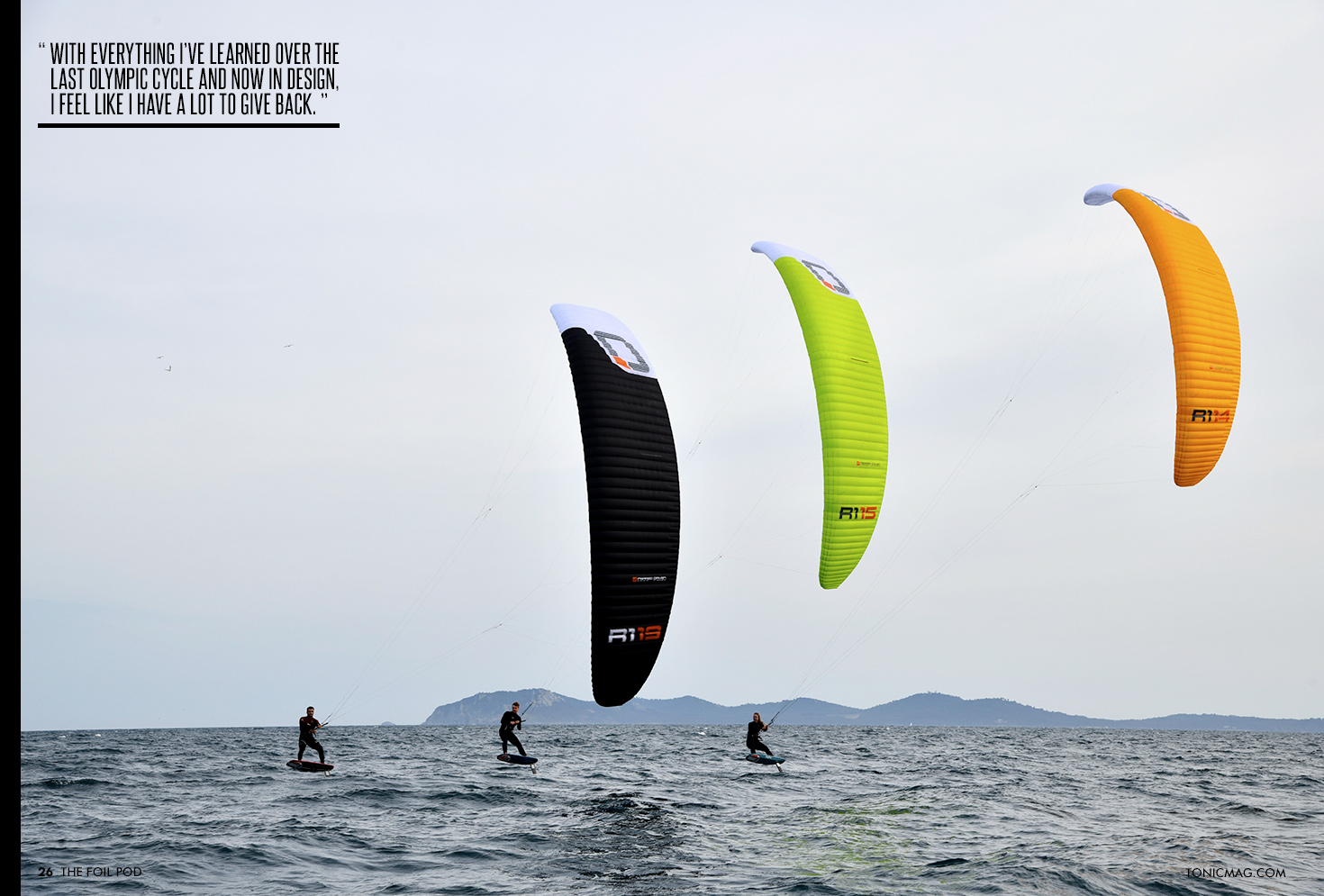
I’m also excited to get back into coaching. I coached a lot after my windsurfing days and loved it. With everything I’ve learned over the last Olympic cycle and now in design, I feel like I have a lot to give back. It’s still being planned, but it’s something I’m passionate about.
Rou: Connor, thanks so much for sharing the journey—both the Olympic roller coaster and the design evolution. We can’t wait to see your first fully designed wing from Ozone!
Connor: Thanks for having me. It’s been a crazy few years, but I’m excited for what’s coming next
Videos

By Tonic Mag
