

Toeside Pumping
Technique / Wing Foil
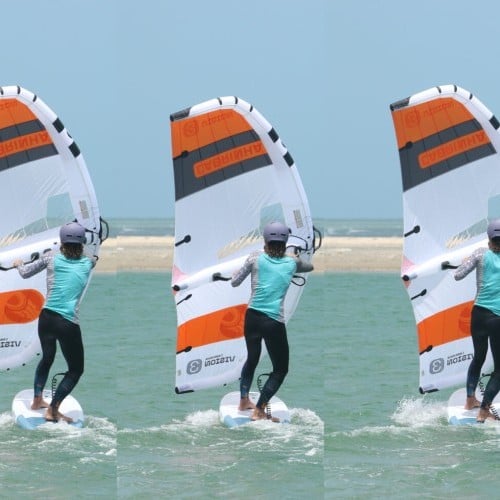
This issue we’re going to take you through something that is much more of a skill than a fancy pants move. Pumping on or from toeside might not be high on your priority list. It may not garner you a coach full of admirers, but it is well worth a considerable investment of your practice time. It’s just so brilliantly useful. Toeside pumping will save you time and save your bacon in so many situations. Whether you drop off the foil and touch down post gybe, foot change or exiting a heel to toe tack, in fact any time you’re woffing toeside you’ll find it more practical than a Swiss army knife.
Without wanting to teach your grandmother to suck eggs, we should make it clear that to give this a go you should already have a solid toeside and be able to pump heelside. The action of pumping is challenging enough without being twisted into toeside, so being balanced and in control of your board and foil whilst toeside is essential.

The good news is that the principles remain the same. You’re aiming for maximum efficiency to increase your board speed enough to generate lift on your foil so that you can get up earlier, quicker or with less power. There’s no magic wand though, you still need some pull in your wing so that you have resistance to use.
First Things First
Before you head out onto the water and raise your heart rate towards the red zone there are two important factors to consider:
Bearing Away
In order to get maximum bang for your buck when pumping you will need to bear away, turning off, away from the wind towards a broad reach. Not only will you be travelling on the potentially fastest point of sail with minimum resistance, you’ll also be ready with your wing and board in the best position to pull effectively and transfer this energy forward through your front leg.
Toeside Stance
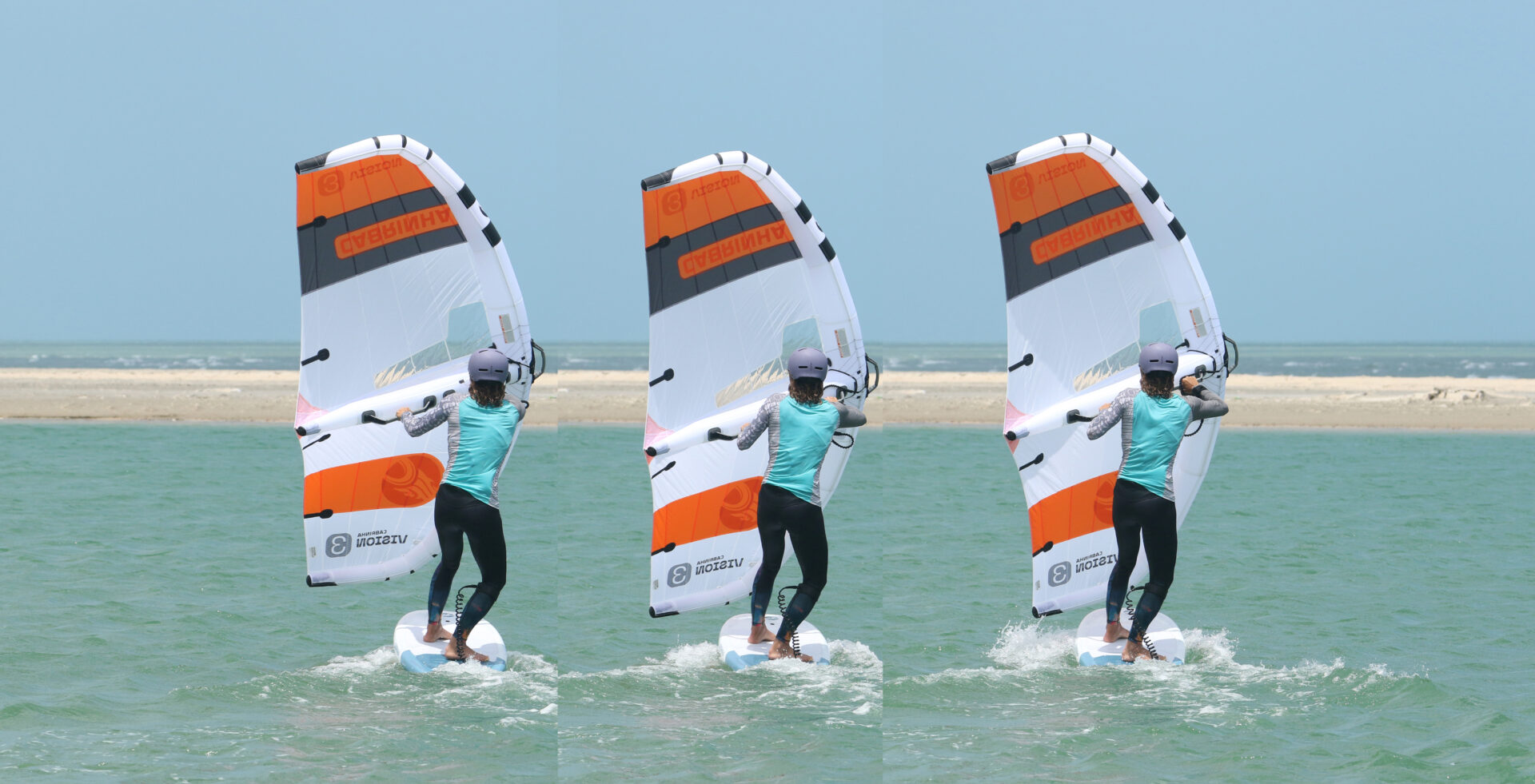
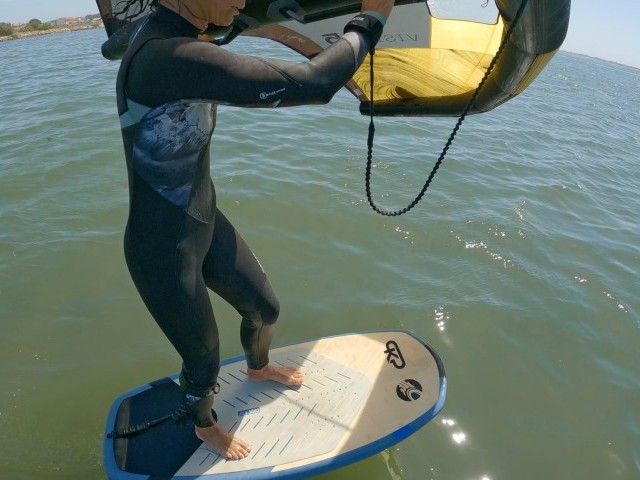
If you’re riding toeside and feel both comfortable and confident with the board trimmed and foil happy this is a good sign, you’re extremely likely to be centred over the board, supporting yourself by standing on your own two feet, with your torso facing forward and wing held comfortably away from you. This is generally only possible if your feet are somewhat offset, rear foot slightly across the centre line of the board towards the upwind side, with your front foot just on the downwind side. Depending on the size of your board and foil, you need to be aware that if your feet are too offset it’ll be hard to keep your board trimmed whilst pumping. This will be more evident on smaller kit.
New Ground – Toeside
When you learnt to pump heelside you were already accustomed to and well-practiced in the art of bearing away to get up onto the foil. Here in the toeside variation this will be a path less travelled, if at all. As such your first drill is to practice bearing away, gaining speed and getting up on the foil from toeside. Do this when you have enough power to do so without the need to pump.
Bearing Away
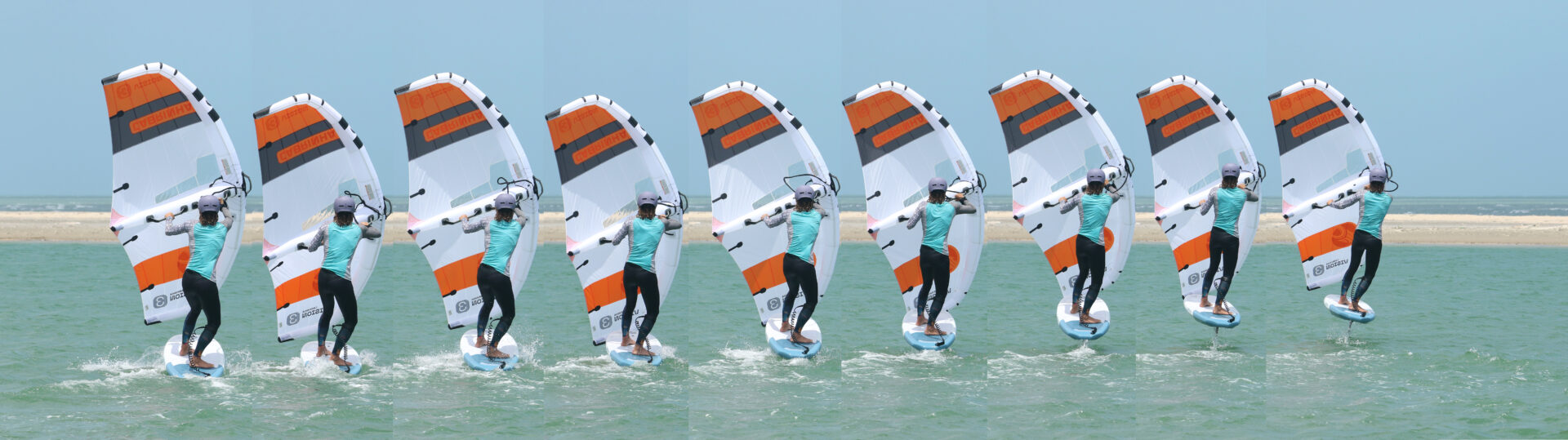
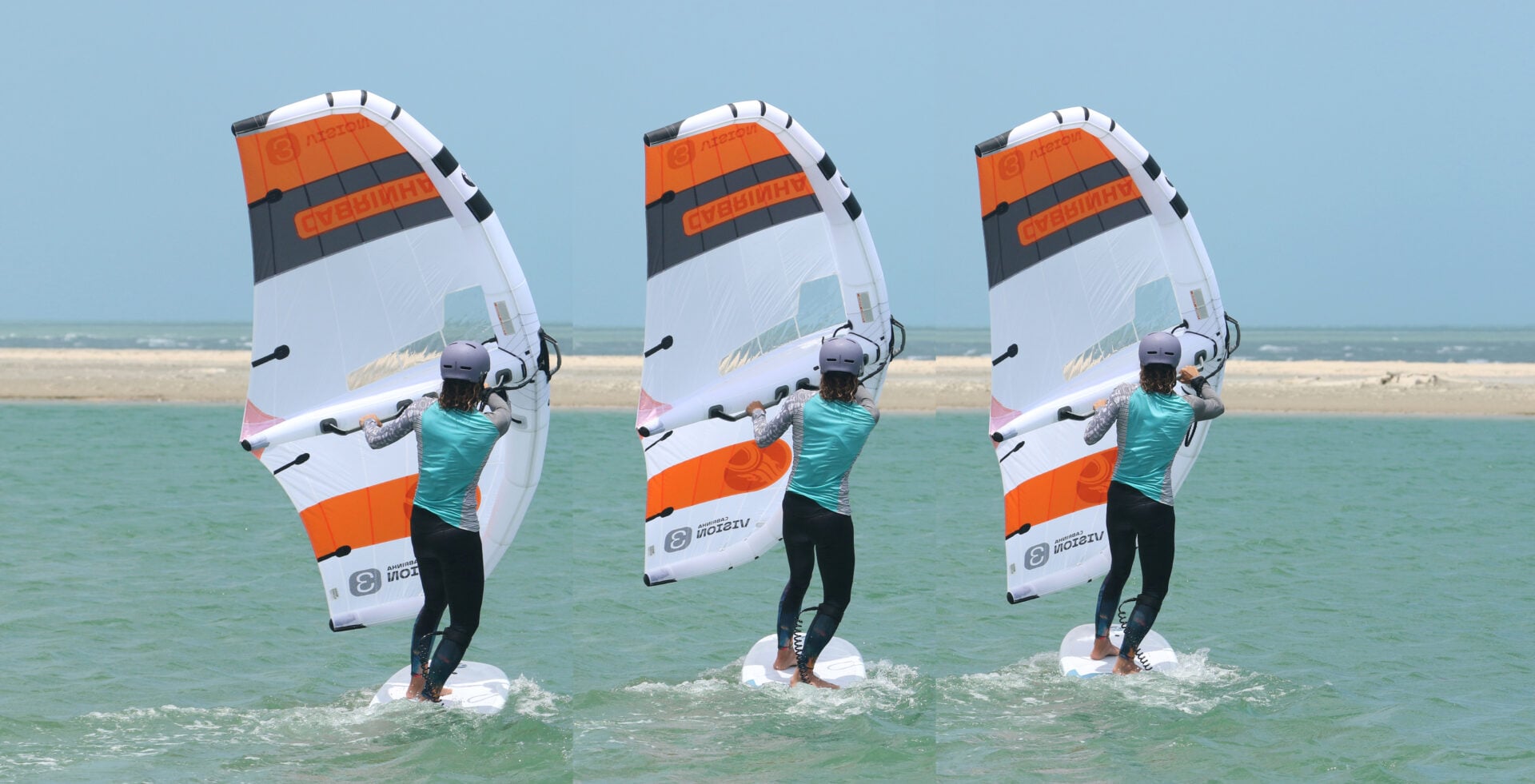
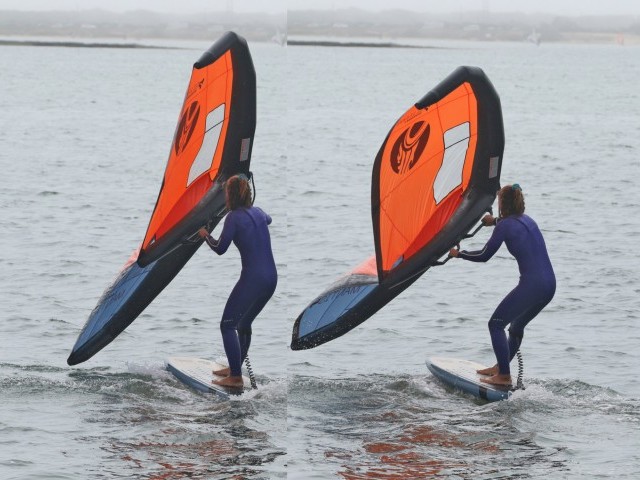
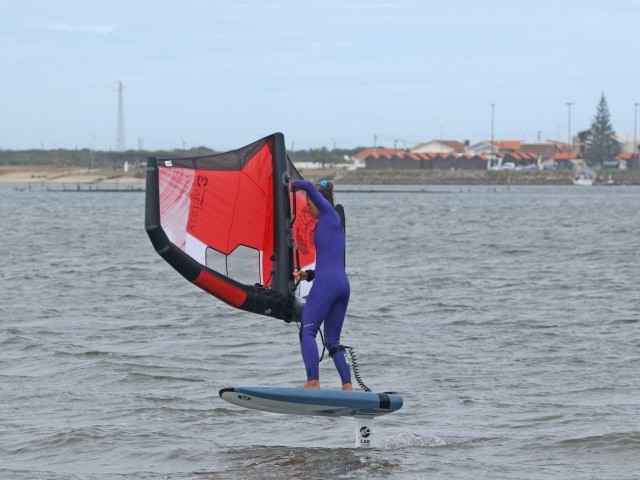
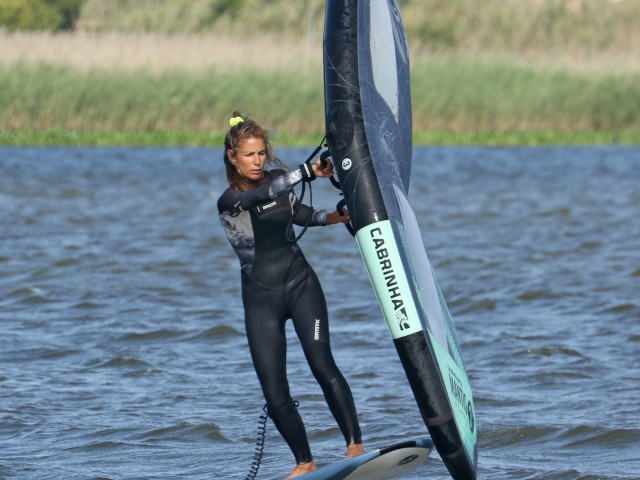
Have a look at Pic A, a sequence of Karine bearing away. In this example she has touched down post gybe, so she still has a bit of momentum. Even so, she steers up a little, pulling her wing back and driving through her rear leg so that she’s riding at the very least across the wind. This way she is in a good position to feel the wind, she’s able to look upwind for a gust and she won’t be losing ground whilst waiting for one. At this stage it’s important to keep the board trimmed from nose to tail, so that you’re ready to move, but it's OK to cant it over slightly to windward to help you keep ground.
You can see that Karine has weight on both feet. She achieves this by adopting the classic open toeside stance. Hips and shoulders are facing forward, which brings the back knee forward, so that both knees and feet are working in unison. When she feels the gust Karine pushes the wing forward by straightening her front arm towards the nose of the board and sheets in with her rear arm.
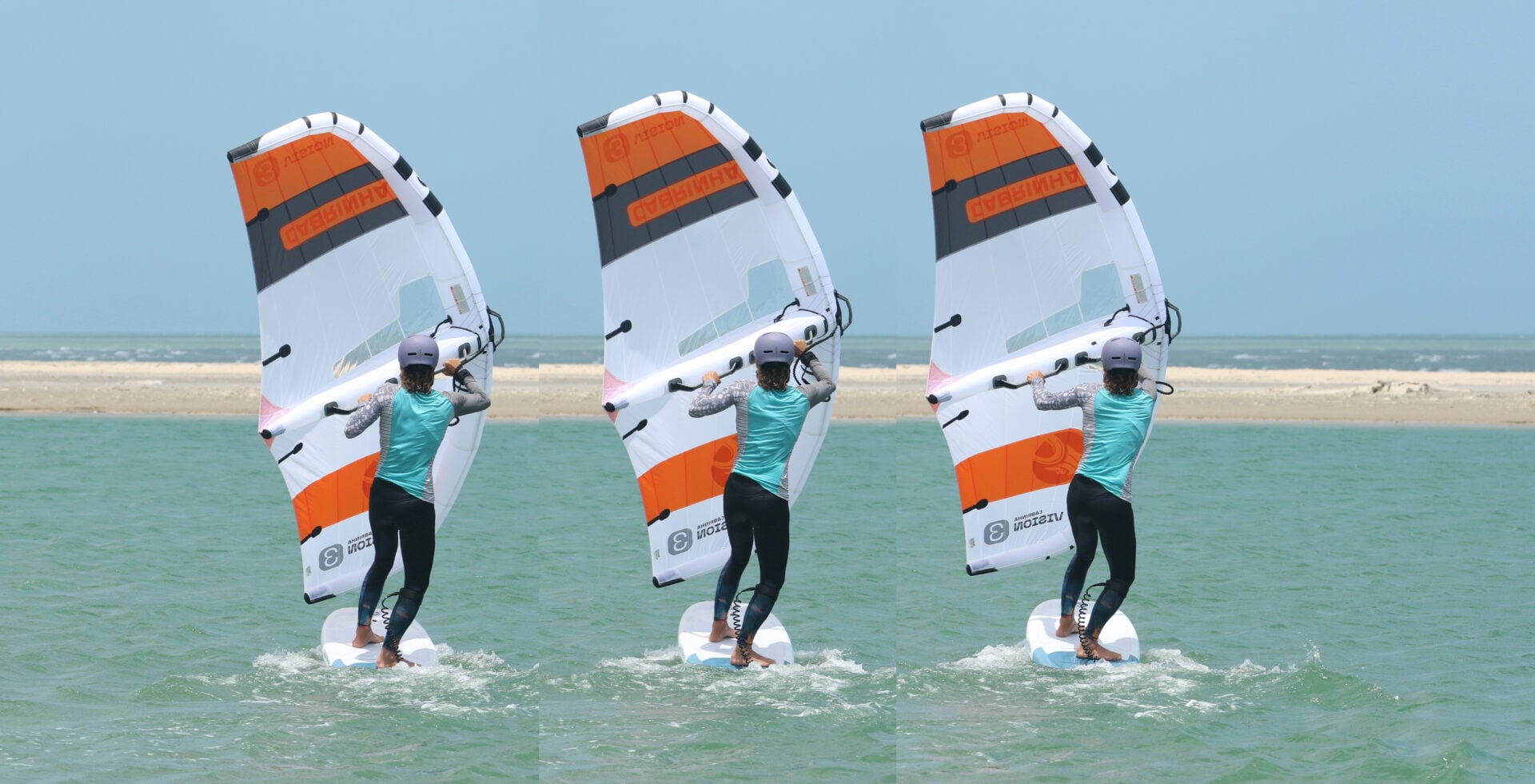
As the power comes on Karine points her wing forward, drives through her front leg which flattens the board and pushes the nose away from the wind, bearing away towards a broad reach. Karine keeps her shoulders open and upright, so that she can stay forward enough to keep weight on both feet, maintaining board trim both from nose to tail and rail to rail. Minimum drag plus maximum efficiency equals acceleration.
Take Off
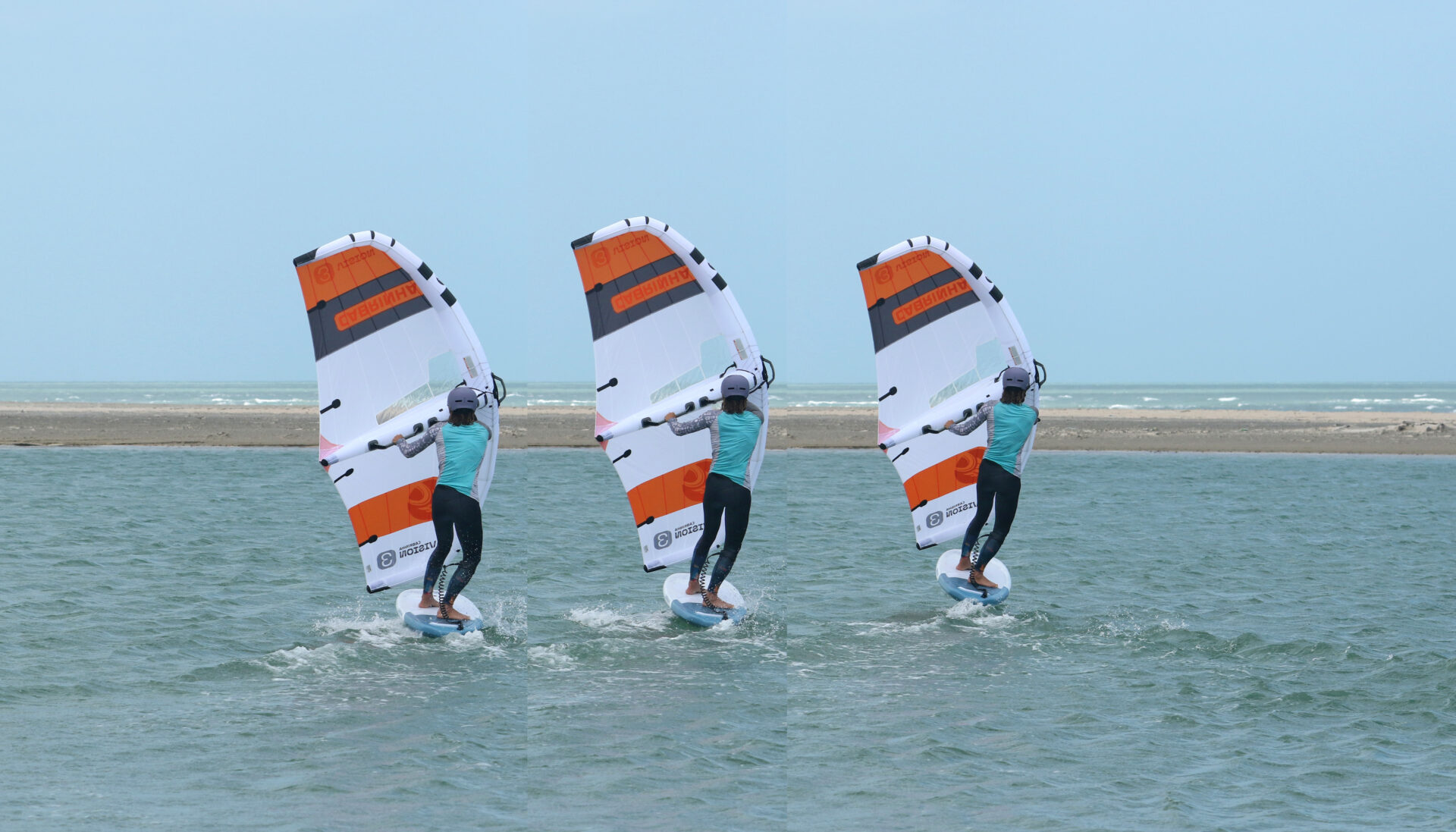
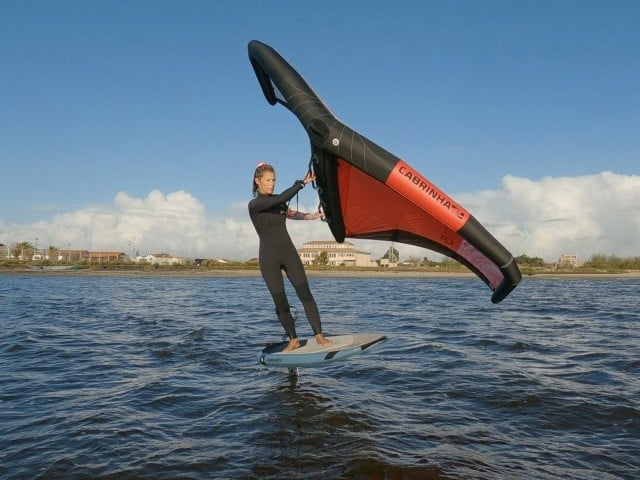
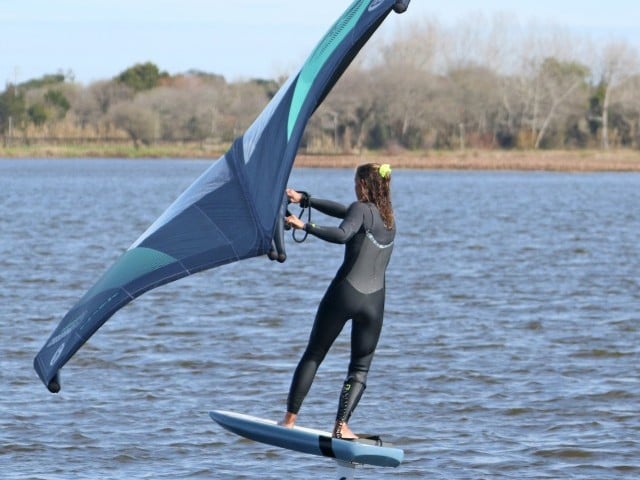
Now on to Pic B. Once you feel that beautiful transition from chugging board to planning foil you know that there’s enough to get yourself up. Looking at Karine you can see that she’s still centred, trimming the board, which enabled her to get the foil flying underwater. Her wing is still relatively low, sheeted to the wind and pointing forward, but she’s no longer holding it forward, it’s also centred in front of her. There’s no need or desire to bear away further.
To come up, Karine extends her back leg, giving her foil a little nudge to climb. This way she can rise gently. She keeps her weight centred and doesn’t lean back! As the board releases, she sheets out. Now that she is foiling, she doesn’t need the same amount of power.

Finally, Karine gently pulls her wing back and flexes her ankles to turn her board up so that she can ride upwind in her toeside stance.
As you can see, even for flying, the principles are very much the same as what you do heelside. Once you’re happy with this, feel comfortable maintaining board trim, balanced whilst bearing off the wind and confident with the board and wing’s position in relation to the wind and each other, it’s time to give pumping a crack.
Pumping
Bear Away and Test Pic C.
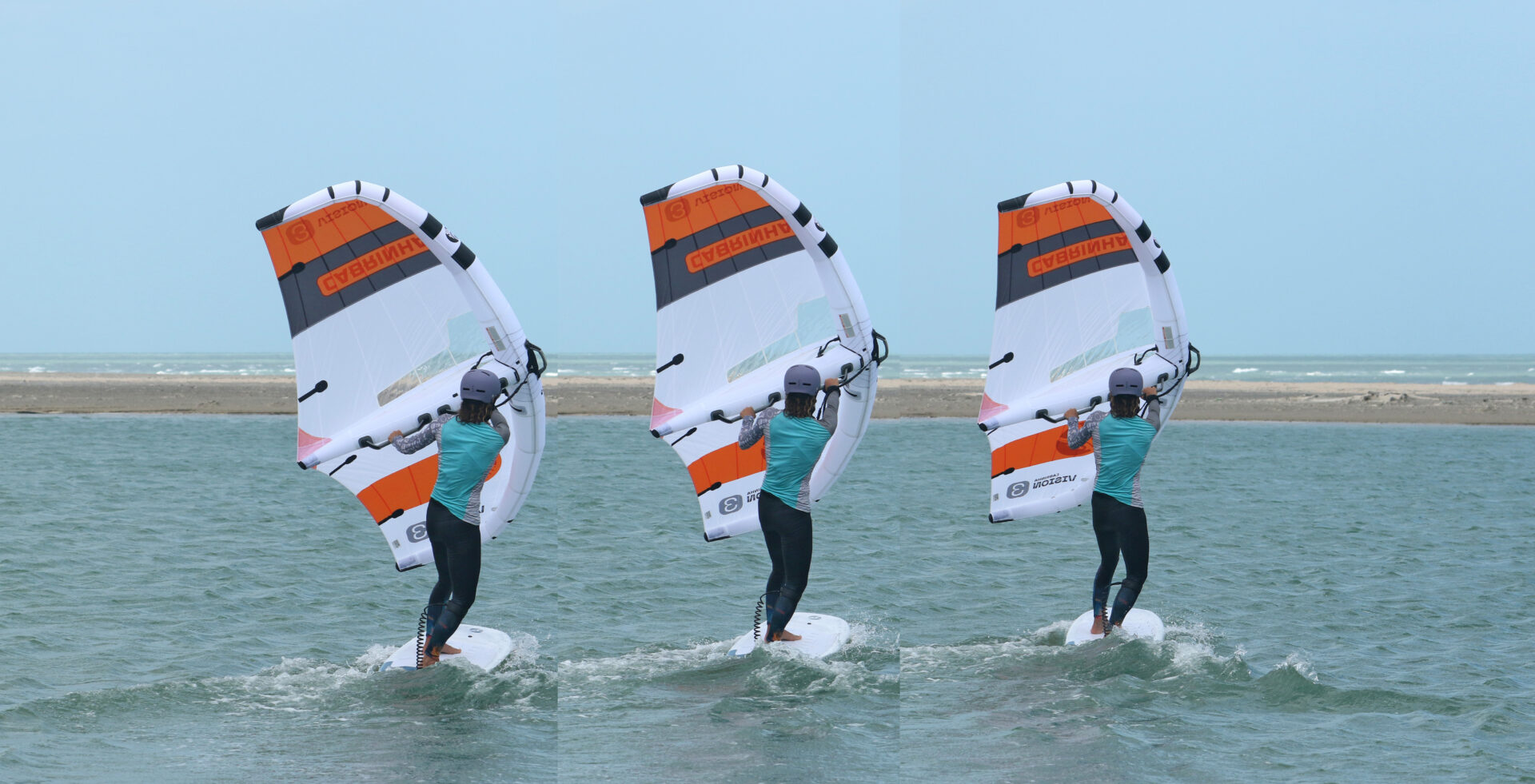
You’ve now hopefully practiced this part, so we’ll keep it brief. The same applies, woffing across the wind, looking for and waiting for a gust, with your weight centred. Once you feel some pull in your wing, stretch out your front arm and sheet in to bear away. As the board turns ease your rear arm out to keep the wing sheeted to the wind. Just as with your heelside pump, you’ll only know if it’s good enough after a test stroke. Keeping your shoulders open and upright, and your weight centred, pull the wing in towards your shoulders. If there is some resistance, push this through your front leg to transfer the pull into forward drive. If you speed up, you know that there is something worth pursuing.
Stroke Out - Slice Pic D.
The direction of your stroke is important. You have to direct the wing along the board towards the nose, so that you can get maximum pull on your next stroke in. To be successful you must work hard to keep your shoulders open, twisting your waist so that you push the wing in the right direction. To move it forward, sheet in to prevent backwinding yourself, and lift it so that it doesn’t catch the water, and you don’t run over it. Finally break at the waist, hinging your hips and extending your arms, reaching to get the wing as far forward as possible. You can see that Karine has her wing very close, she sheets in, lifts it and reaches forwards so that she, board and wing all line up for the next phase…
Stroke In – Monster Pull Pic E.
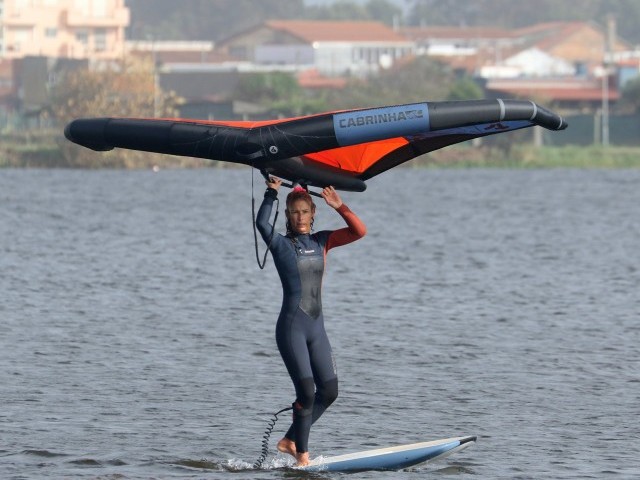
From your outstretched position it’s time to give it the beans. Pull your arms down towards you with gusto! As you do, keep your trunk stiff and aim to push through your body, front leg, foot and into the board, forcing it forwards and increasing your speed. Once again concentrate on where you pull your wing to. You’re aiming to pull down the board towards your shoulders and chest so that the wing comes back in exactly the opposite direction that you’ll push the board. You have to maintain your open stance, with your chest facing down the board, so that your hands arrive on each side of you. This gives you the most efficient pull-push combo and means that you’ll continue straight. Look down the board. Here Karine is pulling for all she’s worth, bringing her arms in and then straightening up her body, but she never leans back. As soon as the wing arrives close to her, she is already lifting it in preparation for the next out stroke.
Repeat Pic F.
Hopefully it’s all looking very familiar now? The mythical circular pumping motion continues! Each stroke in building momentum until you have enough speed and lift to fly. Whilst doing this, it’s crucial that you have weight on both feet, even when driving through your front leg. This way the board moves in a straight path. However, as you build speed and force you can be more aggressive with your pumping, reaching further and pulling harder. Once again, the bonus is that as you lift the wing at the end of your in stroke your weight will shift back slightly, as you hinge and reach forward your weight will move forward. The result, an unintentional but perfectly brilliant bit of board and foil pumping:) Looking at the sequence you can see that each time Karine lifts to stroke out it tips the nose up a little and each time she starts to pull and drive the board flattens. This means that each stroke turns into a tiny step up the ladder, building speed and lift.
As alluded to at the beginning, once you breath life into your foil and feel it smile, you can give a little push with your rear leg and bingo, up she comes. You can see that throughout this sequence Karine is looking forward down the board. Once she feels lift, Karine points her wing up a tad and nudges her foil by extending her back leg. Only then does she look where she now wants to go, sheets out, brings her wing back and leans her board over into toeside.
Top Tips
When you first give this a go there are a few things that will really help.
Firstly, if possible, try this in flat water and with a bit of pull in your wing. Bear away a few times without pumping just to get your bearings as to where the wind is coming from and towards which direction you should be aiming.
We touched on keeping weight on both feet so that your board doesn’t wobble or turn too much one way or the other. It’s very easy to push through your front leg and literally carve your board off downwind. Likewise, with too much on your rear foot the board will want to turn back towards the wind. This will massively hinder your chances of getting up the ladder, you’re far more likely to slide down a snake! A slightly less offset stance can help, but your best buddy here is to keep your shoulders facing forward.

Starting with a smaller wing will get you comfy sooner. Big wings need lifting higher, and from toeside this is even more tricky due to your open stance. It’s not uncommon to run over your wing toeside, and pumping is no exception. Give yourself a chance and start small.
Excellent there you have it. Time to give it a go! We’ll have a video up on the TONICMAG YouTube channel soon, so stay tuned….
This technique article was in Issue 26 of Tonic Mag.
Related
By Christian and Karine
